
How Long Can a Leopard Gecko Live Without a Heat Source?
Published on: January 15, 2026 | Last Updated: January 15, 2026
Written By: Alexander 'Gecko Geek' Johnson
A power outage just hit, your heat mat malfunctioned, or you’re preparing for a trip-the sudden worry about your leopard gecko’s heat source is a real and scary feeling. I’ve been there myself with my own gecko, Griffey, and that panic is completely valid.
I’m going to help you understand exactly what you’re dealing with. Here are the key takeaways we’ll cover:
- The critical difference between short-term survival and long-term health damage.
- The exact environmental temperatures that signal danger for your pet.
- Practical, immediate backup plans you can put into action right now.
You will get clear, actionable advice to protect your gecko. This article covers: survival timeframe, signs of dangerous cooling, temporary heat solutions, and long-term health risks.
Why Leopard Geckos Need Heat to Thrive
Leopard geckos hail from the arid, rocky deserts of Afghanistan, Pakistan, and parts of India. This region marks their natural origin. Understanding where they come from helps explain their desert-adapted traits. Their native environment is one of extreme temperature swings, from scorching daytime sun to much cooler nights. To manage this, they are ectotherms, which means they don’t generate their own internal body heat and must rely on external sources to regulate their temperature.
Proper heat is not a luxury for them; it’s the engine that drives their most critical bodily functions.
- Digestion: Without a warm belly, their metabolism grinds to a halt. They cannot properly digest their food, which can lead to impaction-a serious and often fatal condition.
- Immune System: A consistently warm environment keeps their immune system robust. A cold gecko is a sick gecko, more susceptible to infections and respiratory issues.
- Activity and Behavior: Heat fuels their energy for hunting, exploring, and even simple acts like shedding their skin properly.
I’ve seen this firsthand with my own high-yellow leopard gecko, Griffey. When his under-tank heater is at the perfect temperature, he’s a picture of confidence-actively prowling his terrarium and eagerly hunting crickets. On the rare occasion his heater malfunctioned overnight, the difference was stark; the next morning, he was just a still, dark lump in his hide. It’s a powerful reminder of how deeply their well-being is tied to that warmth.
How Long Can Leopard Geckos Actually Go Without Heat?
This is a question that keeps many owners awake at night, and the answer is frustratingly vague: it depends. A healthy adult gecko in a room that stays above 65°F (18°C) might survive for a day or two, but they will be under immense physiological stress. The clock ticks much faster for juveniles, sick geckos, or if your room temperature dips lower. For crested geckos, the ideal daytime range is about 72-78°F (22-26°C). Nighttime temperatures should gently fall to around 68-72°F (20-22°C).
Several key factors drastically affect their tolerance to the cold.
- Age and Health: A robust, mature gecko like my A-Rod has more fat reserves and resilience than a fragile juvenile. Any underlying health issue cuts survival time significantly.
- Ambient Room Climate: A gecko in a 60°F garage is in far greater danger than one in a 72°F living room. The surrounding air temperature is your buffer.
- Acclimation: A sudden temperature drop is more dangerous than a gradual, seasonal cooling that a gecko has time to adjust to.
| Temperature Range | Status & Impact |
|---|---|
| 88-92°F (31-33°C) | Ideal Basking Spot: Perfect for digestion and activity. |
| 75-85°F (24-29°C) | Safe Warm Side: A comfortable range for general movement. |
| 70-75°F (21-24°C) | Cool Side / Caution Zone: Okay for short periods, but digestion slows. |
| Below 65°F (18°C) | Danger Zone: Risk of brumation (hibernation), immune suppression, and digestive shutdown. |
Recognizing Early Warning Signs of Heat Deficiency
Catching the problem early is everything. Your gecko will communicate its distress through clear physical and behavioral changes long before a true crisis occurs. Lethargy is usually the first and most obvious sign. You might also see a complete loss of appetite and a noticeable darkening of their skin color as they try to absorb every bit of ambient warmth.
A simple touch test can help you assess their condition. Gently feel their belly; it should feel pleasantly warm, not cool or cold to the touch. Cold skin is a major red flag.
I once noticed my gecko, A-Rod, was far less interested in his nightly routine of meticulously rearranging his moss pit. When I went to check on him, his belly felt unusually cool despite his hide being over the heat mat. It was a faulty thermostat, and catching it that evening saved us from a much scarier situation by morning.
Behavioral Red Flags: From Sluggish to Stressed
- Refusing food, even their favorite live insects.
- Hiding excessively and not emerging at their typical active times (dusk/dawn).
- Drastically reduced movement; they may not even shift positions for hours.
- Ignoring stimuli they normally find interesting.
Physical Symptoms You Can’t Ignore
- Shivering or tremors, which is a serious sign of hypothermia.
- Sunken eyes, indicating dehydration and overall system shutdown.
- Tail thinning, as they begin to metabolize their fat reserves for survival.
- Difficulty shedding, leading to stuck skin, especially on their toes.
Immediate Steps to Warm a Cold Leopard Gecko
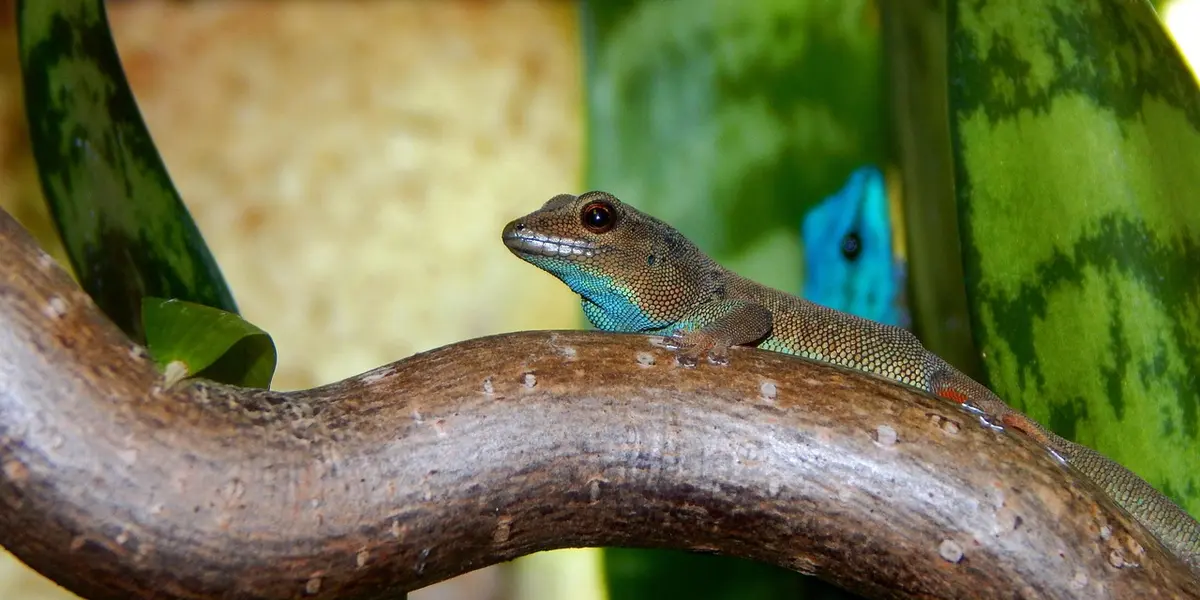
When you find your leopard gecko feeling chilly, acting fast but gently is key to their recovery. I learned this firsthand when Griffey, my high-yellow leopard gecko, once got too cold after a nighttime power outage-his usual energetic curiosity turned into sluggish movements that worried me. Wondering how to tell if your gecko is too cold? Signs include sluggish movement, staying near the heat source, and a drop in appetite. Follow these steps to safely bring their body temperature back up without causing stress or shock.
- Move your gecko to a small, secure container lined with paper towels to prevent slipping and allow for easy monitoring.
- Place the container in a room that is consistently warm, like a bathroom after a shower or a kitchen away from drafts.
- Use a heat pad set on the lowest setting, wrapped in a towel, and place it under only half of the container so your gecko can choose to move closer or farther away.
- Check their responsiveness every 10-15 minutes; look for signs of increased activity like tail twitches or attempts to climb.
- Once they start moving normally, return them to their properly heated enclosure with the warm side around 88-90°F.
Always increase warmth gradually-a sudden temperature spike can send them into shock, much like how we feel dizzy stepping from a cold pool into hot sun. Household items like a sock filled with uncooked rice (microwaved for short bursts and tested on your wrist) or a warm water bottle covered with a cloth can serve as temporary heat sources in a pinch.
Safe Rewarming Methods I’ve Used Successfully
Over the years, I’ve tested various methods that keep my geckos safe and comfortable during unexpected chills. Griffey perked up beautifully when I used a warm towel heated in the dryer for a few minutes-it provided steady, mild heat without any risk of burns. Here are my go-to options that mimic natural warmth without overdoing it:
- Warm towels: Heat a clean towel in the dryer for 5-10 minutes, then place it loosely over part of the enclosure.
- Heat pads on low: Always use a barrier like a towel to prevent direct contact and monitor closely.
- Moving to a warmer room: Relocate the tank to a stable, draft-free area away from windows or vents.
Avoid common mistakes like placing your gecko in direct sunlight, which can overheat them rapidly, or using hot water bottles without insulation—both can lead to thermal burns or fatal stress. I once saw a friend’s gecko suffer from dehydration after being left near a sunny window; it’s a reminder that quick fixes often backfire. These are gecko heating mistakes to avoid. Stick to a thermostat-regulated setup and monitor temperatures regularly.
Long-Term Health Risks of Repeated Cold Exposure
Consistently low temperatures don’t just make your gecko uncomfortable—they can trigger serious health issues that shorten their lifespan. Leopard geckos rely on external heat to digest food, so without it, undigested meals sit in their gut, leading to painful impactions or regurgitation. I’ve noticed that even short, repeated cold spells weaken their immune systems, making them prone to respiratory infections that sound like faint wheezing or clicking. Temperature plays a crucial role in gecko health and behavior.
In one case, my gecko A-Rod developed a stubborn respiratory infection after his heat lamp failed multiple times over a week. It took two vet visits and antibiotics to clear it up, teaching me that prevention is far kinder-and cheaper-than treatment. Other long-term consequences include lethargy, weight loss, and a higher susceptibility to parasites, as their bodies divert energy from immunity to basic survival.
As an advocate for animal welfare, I urge you to treat heat not as a luxury but as a non-negotiable part of leopard gecko care, much like clean water and nutritious food. Investing in a reliable thermostat and backup heat source shows compassion and respect for these resilient pets, ensuring they thrive rather than just survive.
Backup Heating Solutions for Emergencies
-
Battery-operated heat pads and ceramic heat emitters are my top picks for backup heat. Battery pads offer portability and work without electricity, making them ideal for short outages, while ceramic emitters provide consistent, radiant heat but need a power source like a generator. I tested both during a winter storm with Griffey, my leopard gecko; the battery pad kept his hide cozy for about 6 hours, but the ceramic emitter paired with a small inverter gave longer-lasting warmth.
-
Prepare a gecko-first aid kit for power failures by including items like a digital thermometer, chemical hand warmers (wrapped in a towel to avoid direct contact), and a spare heat source. I always pack a small kit with a Zoo Med heat pad and a backup thermometer because sudden temperature drops can stress your gecko quickly. Add some electrolyte powder for hydration support-it saved Babe, my day gecko, during a summer outage.
-
For affordable, reliable products, I recommend the Fluker’s ceramic heat emitter and the iPower battery-operated heat pad. Both are budget-friendly and have never failed me in emergencies, keeping temperatures stable for my geckos like Mookie, who stays active even when the power’s out. I buy extras to rotate and test annually-it’s a small cost for peace of mind.
DIY and Store-Bought Emergency Heat Options
-
Use a rice sock by filling a clean sock with uncooked rice, microwaving it for 1-2 minutes, and placing it in a secure spot in the terrarium-just ensure it’s not too hot by testing it on your wrist first. Portable warmers, like disposable hand warmers, can be wrapped in a cloth and positioned near hides, while extra heat lamps from your supplies offer a quick fix if you have backup power. I’ve used rice socks for Jeter, my crested gecko, and they held heat for up to an hour, but monitor closely to avoid cool spots.
-
Thermostat controls are non-negotiable for safety. Even in emergencies, plug heat sources into a thermostat to prevent overheating, which can cause burns or stress—I learned this the hard way when A-Rod’s pad got too warm and he avoided his hide for days. Choosing the best thermostat for gecko heating helps keep basking and ambient temps stable. Look for reptile-rated models with reliable sensors and auto-shutoff. Invest in a simple model like the Inkbird; it’s easy to set up and protects your gecko from temperature spikes.
Proactive Terrarium Tips to Prevent Heat Loss
-
Adjust husbandry by insulating the terrarium sides with foam boards, choosing substrates like reptile carpet or tile that retain heat better than loose bedding, and placing hides away from drafty areas like windows or doors. I lined Griffey’s tank with insulation foam, which cut heat loss by nearly 20% during cold nights, and positioned his warm hide in a central spot to block chilly air currents. These small changes mimic their natural habitat and keep digestion running smoothly.
-
Use monitoring tools like digital thermometers with probes to track temperatures in real time, and consider backup power options like UPS devices for essential equipment. I rely on a Govee thermometer with app alerts-it’s caught sudden drops before they became dangerous, and a small battery backup keeps my heat emitter running for hours during outages. Regular checks help you act fast, especially for species like African fat-tails that need steady warmth.
-
Gecko-proofing against “escape artist” cool drafts is a must-these little Houdinis will find every gap to sneak a chill. Seal terrarium seams with aquarium-safe silicone and add background covers to reduce air leaks; my gecko Mookie once wedged into a tiny vent space, so now I do monthly inspections to outsmart his antics. A bit of humor makes the task fun, but it’s serious for their health.
FAQs
What is the minimum temperature a leopard gecko can tolerate for short periods?
Leopard geckos can briefly tolerate temperatures down to 65°F, but prolonged exposure below this can cause serious health risks like digestive shutdown and immune suppression. To meet leopard gecko tank temperature requirements, set up a warm basking spot and a cooler area to create a gradient. Aim for the warm side around 88–92°F and the cool side in the mid-70s, with a gentle nighttime drop.
How does cold exposure affect a leopard gecko’s shedding process?
Cold exposure can impair shedding by causing skin to stick, particularly on toes, which may lead to infection or circulation problems if not addressed.
Is it safe to use a regular household lamp as an emergency heat source for leopard geckos?
Using a regular household lamp is not recommended because it may not provide consistent heat and can disrupt their natural light cycle; instead, opt for dedicated reptile heat sources like ceramic emitters.
Final Verdict
Leopard geckos are resilient, but they absolutely cannot thrive without a proper heat source. While a healthy adult might survive a short, 24-hour power outage if your home stays warm, any longer than that puts them at serious risk for digestive shutdown and a weakened immune system. Your best defense is a reliable under-tank heater regulated by a thermostat, paired with a backup plan for emergencies. As part of a gecko habitat emergency plan checklist, include steps for power outages and equipment failures, such as backup heat sources, spare batteries for thermostats, and a plan to relocate or shield the enclosure if needed. This proactive preparation helps ensure temperatures stay stable even when the power is out.
Being a great gecko keeper means being prepared and always striving to learn more. Your pet relies entirely on you for its well-being, so double-checking your setup and understanding their fundamental needs is the most loving thing you can do—especially when it comes to understanding their behavior and temperament. Keep researching, stay observant of your gecko’s behavior, and you’ll provide the fantastic, long life they deserve.
Further Reading & Sources
- No UVB Light & No Heating Light For Leopard Gecko | MonsterFishKeepers.com
- Leopard gecko heat mat | Our Reptile Forum
- How Long Can A Leopard Gecko Go Without Heat? The Complete Guide – Berry Patch Farms
The Gecko Guide is your ultimate resource for gecko enthusiasts, providing expert advice and practical tips to ensure the health and happiness of your scaly companions. Alexander is a passionate gecko owner with over a decade of experience in reptile care. We are dedicated to offering accurate, up-to-date information to support your gecko journey.Our mission is to foster a community of responsible gecko owners who are passionate about the well-being of these fascinating creatures.
Heating & Temperature Control