
How to Find a Qualified Reptile Sitter for Your Gecko
Published on: February 25, 2026 | Last Updated: February 25, 2026
Written By: Alexander 'Gecko Geek' Johnson
You need to leave town, but the thought of handing your gecko’s care over to someone else makes your stomach twist. I’ve been there, staring at my own geckos, worrying if a sitter will notice the subtle signs that something is off.
Finding a great sitter is less about luck and more about a solid plan. I will help you create one. We will cover how to:
- Define exactly what your gecko needs from a sitter.
- Find potential sitters who won’t treat your pet like a decoration.
- Vet them with the right questions to ensure they’re competent and trustworthy.
By the end of this guide, you’ll have a clear checklist for hiring someone you can feel good about.
We will cover: defining your needs, where to search, interview questions, the trial run, and creating a backup plan.
Where to Find a Gecko Sitter You Can Trust
Searching Online Reptile Forums and Social Media Groups
Your digital village is a powerful place to start. I found my first fantastic sitter for Griffey on a dedicated leopard gecko forum. Look for large, active communities specific to your gecko’s species. The best sitters often participate in these groups, sharing their own care tips and photos, which gives you a sneak peek into their knowledge and passion. That care translates to gecko habitat husbandry—enclosure setup, humidity, substrate, and temperature control. A great sitter will discuss how they maintain these conditions to keep Griffey thriving.
When you post your request, be very specific. Don’t just ask for a “pet sitter.” Say you need someone experienced with crested gecko diets or leopard gecko substrate. You will immediately filter out the less qualified candidates. I always look for members who have been around for years; their post history is a free resume.
Asking Local Pet Stores and Exotic Veterinarians
Never underestimate the power of a good old-fashioned conversation. The staff at a reputable exotic pet store or your gecko’s veterinarian are goldmines of local information. These professionals have a vested interest in your pet’s wellbeing and often know the most reliable reptile enthusiasts in your area. They see who buys the proper supplies and who asks the right questions. If you notice warning signs such as lethargy, appetite loss, or abnormal shedding, contact your exotic veterinarian promptly. Knowing when to seek care can prevent small issues from becoming serious.
I got a referral for Jeter’s current sitter from my vet’s office. They knew her because she brought her own animals in for check-ups. This is a huge green flag-it shows she is proactive about health. Plus, these sitters are often already vetted by a professional you trust.
Essential Qualifications for Your Gecko Sitter
Reptile Care Experience and Credentials
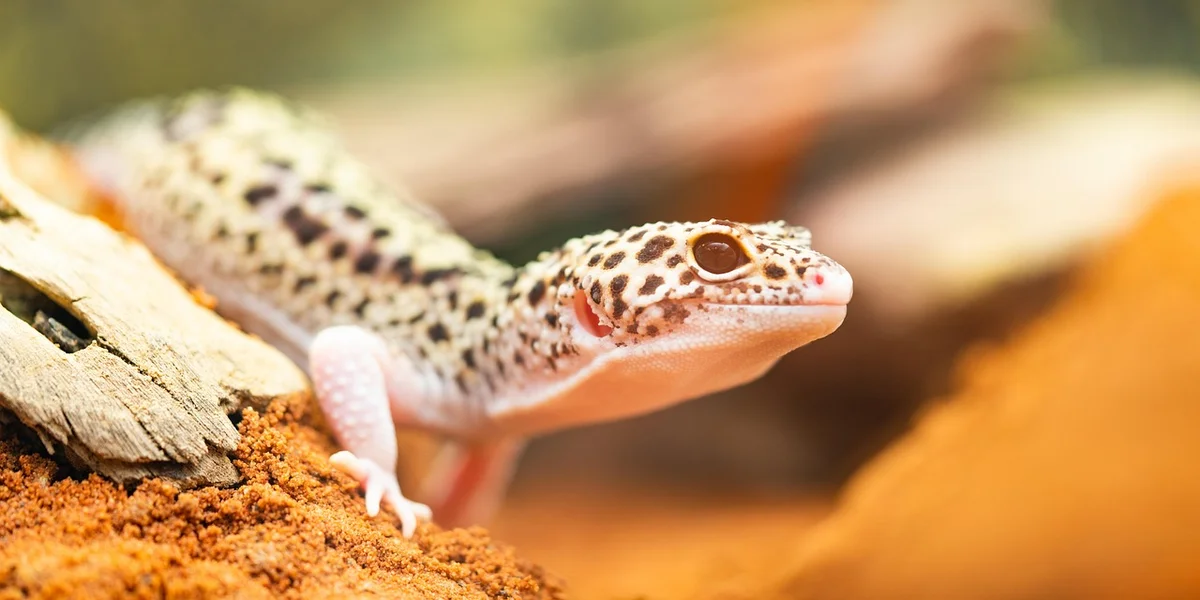
Anyone can say they love animals. You need proof they understand geckos. Ask direct questions about their hands-on experience. A qualified sitter should be able to explain, in their own words, how they would handle a gecko that isn’t eating or what the signs of impaction look like. Theoretical knowledge is good, but lived experience is better.
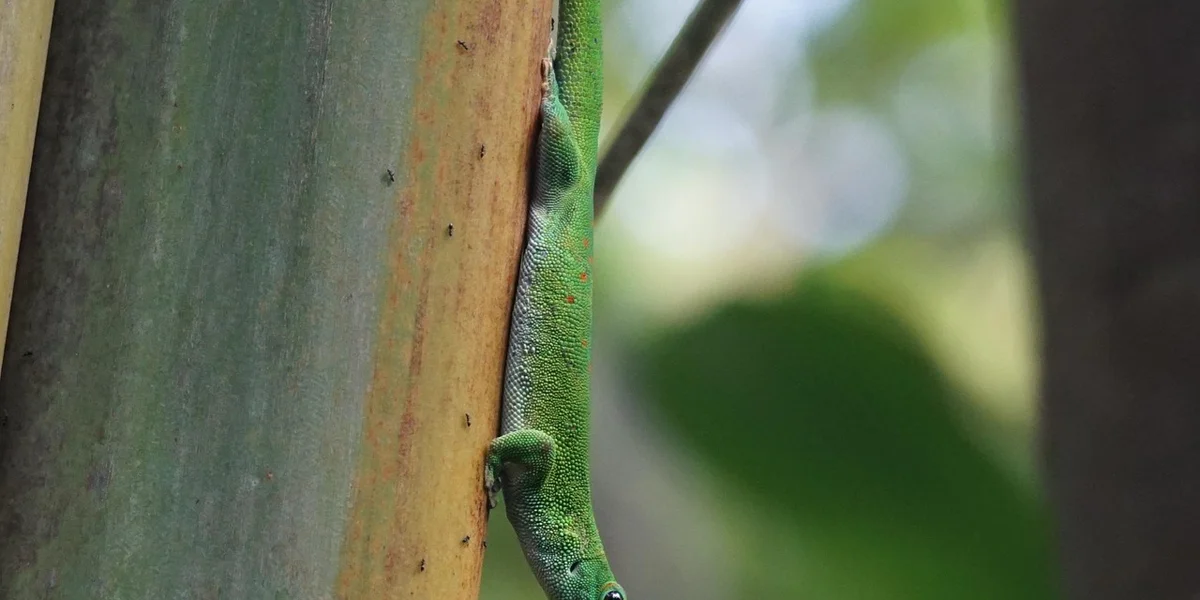
Look for someone who has owned reptiles themselves. My sitter for Babe, my Giant Day Gecko, had previously cared for chameleons, so she understood the nuances of arboreal species and proper humidity. Formal credentials are rare, but membership in a herpetological society or a certification in reptile first aid are massive bonuses that show serious commitment. For day geckos, it helps to review a day gecko care guide to verify they’re familiar with humidity, UV lighting, appropriate diet, and enclosure setup. This helps ensure Babe receives knowledgeable, species-specific care.
Checking References and Online Reviews
This is your non-negotiable background check. A professional sitter will happily provide references from past clients. When you contact these references, ask not just if they were happy, but *why*. Did the sitter send daily photo updates? Did they notice a small change in the gecko’s behavior? This detail-oriented feedback is what you’re after.
For sitters on platforms like Rover or local Facebook groups, scour their reviews. I look for repeated mentions of reliability, communication, and specific reptile care. One or two generic “great job!” reviews don’t carry the same weight as a review that says, “They expertly hand-fed my gecko critical care when he was sick.” That tells a story.
Conducting a Thorough Sitter Interview
This conversation is your single best tool for finding the right person. Treat it like a job interview because, for your gecko, it absolutely is one. I always do these in person or via video call so I can see their reactions and gauge their genuine interest.
Key Interview Questions About Gecko Care
Don’t just ask “yes” or “no” questions. You want to hear them explain their process. Do geckos like being petted or stroked? Here are the questions I use with my own crew of geckos in mind.
- “Walk me through how you would set up the heat lamp and monitor the temperature in the tank.”
- “My gecko, Griffey, is a Leopard Gecko who needs live insects. How would you gut-load and safely offer feeder insects?”
- “What signs of illness would you look for during your daily check-ins? Be specific.”
- “My Crested Gecko, Jeter, needs his enclosure misted. How often and at what times of day would you do this?”
- “Have you ever dealt with a gecko that dropped its tail? What did you do?”
Their answers reveal their hands-on experience and whether they see this as a responsibility or just a paid gig.
Red Flags During the Interview Process
Trust your gut. If something feels off, it probably is. Here are instant deal-breakers I’ve learned to spot.
- They refer to all geckos as “it” and don’t ask for your pet’s name.
- They are vague about their experience and cannot name the species they’ve cared for.
- They suggest it’s fine to take your gecko out for handling every day, showing no understanding of reptile stress.
- They dismiss your care sheet or instructions as “overkill.”
- They are unwilling to send daily photo or video updates.
A true professional will appreciate your thoroughness, not be annoyed by it. I once had a potential sitter tell me my feeding schedule for Babe, my Giant Day Gecko, was “too fussy.” We did not hire that person.
Preparing a Detailed Gecko Care Checklist
This document is your gecko’s lifeline. A thorough checklist prevents guesswork and ensures your gecko’s routine is followed to the letter. I keep mine on the fridge and email a digital copy. This same framework supports target training your gecko—it’s a fun way to bond. It also helps simplify health checks by keeping cues consistent.
Feeding, Hydration, and Habitat Setup
Be hyper-specific. Assume the sitter knows nothing. This is the daily to-do list for my geckos.
- Feeding: List species, food type (e.g., “Jeter: Pangea Crested Gecko Diet, watermelon flavor”), amount, and feeding days.
- Supplementation: Detail which gecko gets which calcium or vitamin dust and on which feeders.
- Water: “Replace water in shallow dish with fresh, dechlorinated water daily. Mist Jeter and Mookie’s enclosures every evening until droplets form on the leaves.”
- Heat & Light: “Basking spot for Griffey must be 88-92°F. Use this digital thermometer. UVB light for Babe is on a 12-hour timer. Do not turn it off.”
- Spot Cleaning: “Remove any visible waste or uneaten insects immediately.”
This list turns complex care into simple, actionable tasks anyone can follow.
Emergency Plan and Health Monitoring
This section is non-negotiable. Preparing for the worst is the best thing you can do for your pet’s safety. I review this section verbally with the sitter before I leave.
- Vet Information: Provide the name, address, and phone number of your exotic vet. Include the address of the nearest 24/7 emergency vet that sees reptiles.
- Your Contact Info: Your phone number and a backup contact person who can make decisions if you are unreachable.
- Health Symptoms: List clear signs of trouble: “Lethargy, sunken eyes, loss of appetite for more than two feedings, labored breathing, runny stools.”
- Authorization: Include a line that says, “In a medical emergency, I authorize [Sitter’s Name] to seek veterinary care for my gecko. I will be responsible for all costs.”
Having this plan in writing gives both you and the sitter immense peace of mind. It transforms a panic situation into a series of clear, logical steps.
Finalizing the Sitting Agreement and Safety Measures
Contracts, Waivers, and Insurance
I learned the importance of a formal agreement the hard way. A well-meaning friend once overfed my gecko, Griffey, leading to a stressful vet visit. A written contract isn’t about distrust; it’s a clear roadmap that protects your pet, your home, and the sitter.
Your agreement should explicitly cover these points:
- Services Provided: Detail feeding schedules, water changes, misting, and temperature checks.
- Emergency Veterinary Care: State that you authorize and will cover costs for emergency care, and provide your vet’s contact information.
- Liability Waiver: This clarifies the sitter’s responsibility and limits their liability for issues outside their control, like pre-existing health conditions.
- Payment Terms: Outline the total cost, deposit required, and payment due date.
Ask if the sitter is insured or bonded. Insurance is a strong sign of a true professional who is prepared for the unexpected. It covers accidents that could happen in your home or with your animal. It gave me immense peace of mind when I found a sitter who had it.
Backup Plans and Communication Expectations
What if your primary sitter gets sick or has a car breakdown? A professional will have a backup sitter, a colleague they trust to follow your instructions. Always ask about their contingency plan; a “no plan” is a major red flag.
Set crystal-clear communication rules from the start. Vague promises like “I’ll check in” are not enough. Here is what I require from my sitters:
- Daily Updates: A quick text or photo each day confirms everything is okay.
- Photo/Video Evidence: I want to see the thermostat reading and my gecko with my own eyes.
- Problem Protocol: They must contact me immediately for anything unusual-refusal to eat, loose substrate in the water bowl, a dropped tail.
- Emergency Contacts: Provide your number, your vet’s number, and a local backup person.
Alternatives if a Reptile Sitter Isn’t an Option
Sometimes, you simply cannot find a qualified reptile sitter in your area. Don’t panic. I’ve been there, and you still have a few good options to keep your gecko safe. If those options don’t work out, rehoming your gecko to a trusted caregiver or rescue can be the best option for its welfare. We’ll cover how to rehome gecko safely in the next steps.
Enlisting a trusted friend or family member is your next best bet, but it requires meticulous preparation. You are essentially creating a temporary, crash-course gecko caretaker. My advice: If a child will handle the gecko, start with very short, supervised sessions and model gentle handling. Always supervise interactions and teach the child to support the gecko’s body.
- Create a “Gecko Care Cheat Sheet” with bullet-point instructions.
- Do a full training session before you leave. Show them how to spot-clean, where the food is, and how to read the thermometers.
- Pre-make food dishes and leave them in the fridge to simplify their job.
For short trips of 3-4 days, a well-prepared habitat can sometimes suffice for an adult leopard gecko. This is a calculated risk only for healthy animals, never for juveniles or cresties who need daily misting. Ensure the water dish is full, do a deep clean right before you leave, and use a reliable thermostat to prevent overheating. For longer absences, see the long leave your leopard gecko alone care guide for a step-by-step setup and safety tips. It covers feeding schedules, enclosure checks, and contingency plans to help you travel with peace of mind.
Boarding at a vet’s office or exotic pet store is a final alternative. I only recommend this if the facility has dedicated, quiet reptile space away from barking dogs. The stress of a new environment can be significant for a gecko, so vet this option as thoroughly as you would a sitter. For any care option, preventing common gecko illnesses starts with a proper habitat—consistent temperatures, appropriate humidity, clean enclosures, and secure hides. If boarding is used, ensure the facility maintains these habitat standards to minimize stress and disease risk.
FAQs
How can I prepare my gecko for the sitter’s visits?
Gradually introduce your gecko to the sitter through supervised interactions before you leave to reduce stress and build familiarity. Handle and socialize your new gecko hatchling to ensure it is comfortable with being touched.
What should I include in a trial run with the sitter?
Schedule a short practice session where the sitter performs key tasks like feeding and habitat maintenance under your supervision to ensure competence.
How do I handle payment and agreements for a reptile sitter?
Clearly outline payment terms, services, and emergency protocols in a written contract to protect both parties and ensure accountability.
Final Words
Finding a great gecko sitter boils down to three simple steps: start your search early through trusted channels, ask detailed questions about their experience and emergency plans, and always conduct a paid trial run. Trust your gut feeling during the meet-and-greet; if something feels off about how they interact with your pet, it is perfectly okay to keep looking.
The best way to vet a sitter is to be an incredibly knowledgeable owner yourself. My own geckos have taught me that continuous learning is the heart of responsible pet ownership. The more you understand your gecko’s specific needs, the better equipped you are to find a sitter who will provide that same excellent standard of care while you are away.
Further Reading & Sources
- Reptile Boarding, Anywhere near you | Airtasker US
- r/reptiles on Reddit: Has anyone hired a petsitter for their reptile?
- Reptile Pet Care-Pet Sitters for Reptiles
The Gecko Guide is your ultimate resource for gecko enthusiasts, providing expert advice and practical tips to ensure the health and happiness of your scaly companions. Alexander is a passionate gecko owner with over a decade of experience in reptile care. We are dedicated to offering accurate, up-to-date information to support your gecko journey.Our mission is to foster a community of responsible gecko owners who are passionate about the well-being of these fascinating creatures.
Gecko Care Guides