
How to Safely Introduce Children to Gecko Handling
Published on: April 30, 2026 | Last Updated: April 30, 2026
Written By: Alexander 'Gecko Geek' Johnson
You want to share your love of geckos with your child, but you’re worried about tiny, fast hands and a fragile, wiggly pet. That mix of excitement and anxiety is completely normal, and getting it right is one of the most rewarding parts of being a gecko parent.
I’ve navigated this exact scenario with my own crew of geckos and young family members. I will help you build a foundation of safety and fun for everyone by covering these key points:
- Ensuring the experience is safe and stress-free for both your child and your gecko.
- Teaching your child how to interact with a living creature, not a toy.
- Creating a positive first memory that fosters a lifelong love for animals.
You will get clear, step-by-step advice that I’ve tested myself. This article covers: choosing the right gecko, preparing your child, the step-by-step handling process, and what to do if things go wrong.
Is Your Child Ready to Handle a Gecko?
Not every child is ready for a live animal at the same age. The right time depends more on their maturity and ability to listen than a specific birthday. You are the best judge of whether your child can follow calm, clear instructions without getting overly excited.
An adult must always be present during any handling session. Your job is to protect both the child and the gecko. I sit right next to my nephew, guiding his hands and watching the gecko’s body language for any signs of stress. This isn’t a passive role; it’s active supervision.
Teaching respect for the animal is the most critical lesson. We practice the “one-finger pet” on our own arms first-gently stroking with just one finger to understand soft touch. I tell kids, “The gecko is a living dinosaur, not a toy. We have to be its gentle giants.” This mindset shift makes a huge difference.
From my own experience, I introduced my oldest nephew to my crested gecko, Jeter, when he was five. We started with just watching. After a few sessions, he learned to sit perfectly still with flat, open palms. The first time Jeter willingly walked onto his hand was a magical moment of earned trust that he still talks about years later.
Which Gecko Species Are Best for Children?
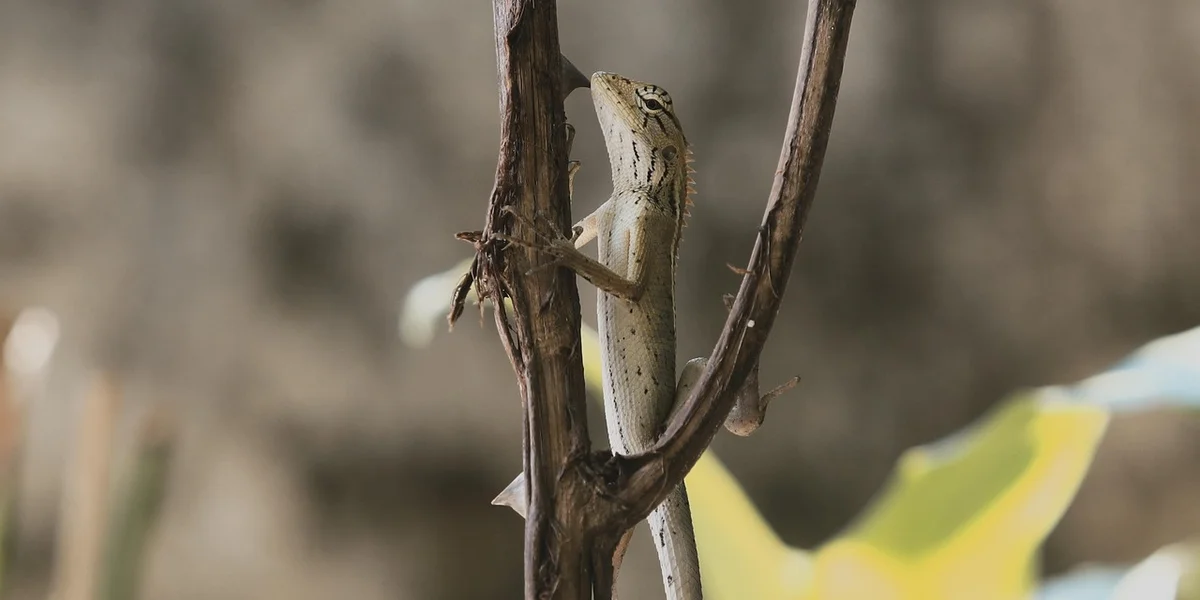
Gecko personalities vary as much as their patterns. For families, you generally want a calmer, more tolerant species that can handle the occasional clumsy moment. If you’re asking whether geckos are good pets for families with children, practical safety guidance can help you decide. A quick safety guide can also point you to child-friendly species and safe handling tips.
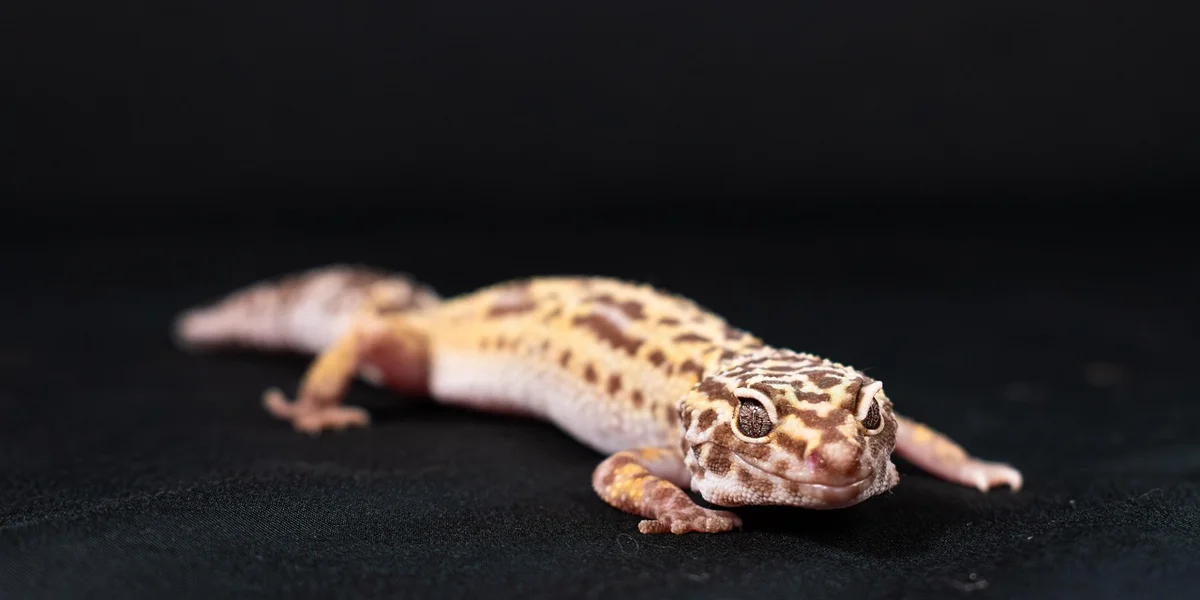
- Leopard Geckos: These are often the top choice. They are ground-dwellers, move at a slower, predictable pace, and are typically very docile. My leopard gecko, Griffey, is a perfect example. His “high yellow” morph is bright and engaging for kids, and his curious but not skittish nature makes him a handling pro.
- Crested Geckos: These are fantastic “next-step” geckos. They are calm and can be very confident. My crested gecko, Jeter, has a “flame” pattern and a perpetually calm demeanor. He doesn’t jump often, but when he does, it’s usually a slow, controlled hop. Their sticky feet are a source of endless fascination for children.
- Geckos to Approach with Caution: I would not recommend more territorial species like African Fat-Tailed Geckos for young children. My A-Rod is beautiful, but he prefers his own space and can get stressed with frequent handling. Similarly, super-fast species like Gargoyle Geckos (like my energetic Mookie) can be difficult for little hands to manage safely.
When choosing a family gecko, prioritize a known calm temperament over a rare color or flashy morph. A predictable, handleable gecko like a leopard or crested will build your child’s confidence and create positive memories for years to come. For a quick reference, our gecko temperament guide lists the most handleable species. It helps families choose a species that matches their comfort level.
How to Prepare a Safe Handling Environment
Creating the right space is the first step to a successful introduction. You want this to be a positive memory for both your child and your gecko.
Set Up a Calm Environment
I always do handling sessions in a quiet room, away from the TV and loud siblings. A calm environment prevents your gecko from getting spooked and encourages a gentle interaction. My gecko, Griffey, would freeze up if my kids were running around, but in a quiet space, he was much more curious and relaxed.
Ensure Safe Enclosure Access
Have your child sit on the floor. Open the terrarium carefully and make sure the room is a comfortable temperature. Cold geckos can be sluggish and more prone to stress, so a warm room is non-negotiable. I learned this the hard way when Jeter became lethargic during a handling session in a slightly chilly room.
Plan Short Sessions
We keep our sessions to just five minutes. Short, positive sessions build trust and prevent your gecko from feeling overwhelmed. It’s far better to have a quick, happy interaction than a long, stressful one that makes your pet hide for the rest of the day.
Include Handling Alternatives
Not every child is ready to hold a gecko right away, and that’s perfectly okay! For hesitant kids, start by letting them drop food into the enclosure or help you mist the plants. My youngest was nervous at first, but she loved being the “Food Helper,” which built her confidence until she was ready to try holding.
Teaching Kids Gentle Gecko Handling Techniques
Step-by-Step Guide to Approaching and Holding
This is where we turn excitement into gentle action. I walk my kids through this process every single time.
- Demonstrate Slow Movements: I show them how to move their hand like a slow, gentle cloud, not a swooping eagle. Sudden movements will send your gecko scrambling for cover.
- Support the Body: Teach them to make a flat “gecko pancake” with their hand and let the gecko walk onto it. The goal is to fully support the belly and all four legs.
- Emphasize Tail Safety: This is the golden rule. Never, ever grab a gecko by its tail. I explain that it’s a defense mechanism and it can detach, which is scary for everyone.
- Use Positive Reinforcement: I praise my kids for being slow and gentle. “Wow, look how calm Babe is with you! You’re doing such a great job.” This positive feedback makes them want to do it right.
From my experience, I have two personal tips. First, make sure your child’s hands are completely dry, as wet hands can remove the gecko’s protective coating. Second, I teach them the “no squeeze” rule by having them practice gently holding a ripe banana without squishing it.
Recognizing and Responding to Gecko Stress
Geckos speak with their bodies, not their voices. Teaching your child to understand this language is key to their welfare.
- Identify Common Stress Signals: I point out the signs: fast, heavy breathing; trying to run or leap away; a puffed-up body; or a tail that’s rapidly twitching. My gecko A-Rod will let out a little squeak if he’s had enough.
- Teach When to Stop: The moment you see any stress signal, the handling session is over. I teach my kids that stopping when the gecko asks is a sign of being a great pet owner, not a failure.
- Create a Low-Stress Experience: Keeping sessions short, calm, and supportive is the best recipe for success. Let the gecko set the pace.
I remember when Mookie was new and would startle at every little sound. He’d freeze and his breathing would get quick. I showed my kids this cue, and they learned that was their signal to gently return him to his home. Now, they’re experts at reading his mood, and Mookie is a much more confident little guy because of it.
Hygiene and Health Practices for Safe Interactions
Before any tiny hands touch your gecko, those hands must be clean. I make my kids wash their hands with unscented soap before and after every single handling session. This simple step protects both your child and your pet from transferring germs. During gecko handling, proper hand washing hygiene is essential. Wash for at least 20 seconds with soap, rinse well, and dry thoroughly before and after touching your gecko.
Reptiles can carry bacteria like Salmonella, which is the main zoonotic disease to be aware of. Thorough handwashing is your number one defense against any potential illness. I always remind my kids that we never kiss our geckos and we never touch our faces while handling them.
You must also ensure your children’s hands are completely dry. Gecko skin is permeable, and soap residue or even plain water can irritate them. A gentle touch is non-negotiable; squeezing or grabbing can cause a gecko to drop its tail, which is a hugely stressful event for the animal. This is especially important when you handle sick or injured geckos.
We turned it into a simple, three-step routine that even my youngest can follow:
- Wash: Use soap and warm water, scrubbing for 20 seconds.
- Dry: Use a clean towel until hands are completely dry.
- Pet: Use gentle, slow strokes on the gecko’s back, taking care to avoid any chemicals.
This routine builds good habits that last a lifetime.
Building Long-Term Positive Interactions
Consistency is far more valuable than long, drawn-out sessions. I advocate for five-minute, fully supervised handling sessions a few times a week. This keeps the experience positive and low-stress for everyone, especially the gecko.
Turn these moments into mini biology lessons. When my son holds Jeter, my Crested Gecko, I explain how his sticky toe pads help him climb glass. This kind of herp education fosters a deep-seated respect for reptiles as fascinating animals, not just living toys.
Get kids involved in the actual care. My daughter is in charge of misting Mookie’s terrarium every evening, which makes her feel responsible and connected. Even simple tasks like helping to place food in a dish teach them about the gecko’s needs and build a bond.
To keep the engagement fun over months and years, try these activities:
- Gecko “Salad Bar”: Let them choose and place different safe fruits for a Crested Gecko.
- Hide-and-Seek: Rearrange the terrarium décor together and watch the gecko explore its “new” home.
- Feeding Time Fun: Use feeding tweezers to let them offer a cricket, teaching them about the gecko’s hunting instincts.
These small, shared responsibilities and fun activities build a foundation of mutual trust and lifelong respect for animals, including enrichment activities for Crested Geckos.
FAQs
What should I do if the gecko accidentally escapes during a handling session?
Stay calm, gently guide the gecko into a small, enclosed area using a cup or your hands, and avoid chasing it to prevent stress or injury. Calm your gecko first to help reduce its anxiety during the process.
Is it safe for multiple children to handle the gecko at the same time?
No, it is safer to have children take turns under direct adult supervision to reduce the gecko’s stress and ensure controlled interactions. This approach aligns with the health and safety guidelines for gecko handling, including considerations of whether geckos are safe to touch and how to handle them safely.
How can I involve my child in the gecko’s daily care beyond handling?
Encourage your child to assist with tasks like feeding, misting the enclosure, or observing the gecko’s habits to foster a sense of responsibility and connection. This can serve as a deep dive into gecko enrichment and why mental stimulation matters for their well-being.
Your Blueprint for Gecko-Kid Harmony
From my own experience with my curious geckos, the safest path always involves three simple steps. Always keep handling sessions short and fully supervised, teach kids to be calm and to support the gecko’s entire body, and always watch for signs of stress in your pet. This consistent approach builds trust and prevents accidents, turning a moment of excitement into a positive memory for everyone.
Remember, owning a gecko is a long-term commitment to a living creature’s wellbeing. Your journey as a gecko guardian is one of continuous learning, and your dedication to understanding their needs is the greatest gift you can give your scaly friend. Keep researching, keep observing, and you’ll foster a wonderful, respectful relationship for years to come.
Further Reading & Sources
- My Child Wants a Gecko…Should I do it?
- Giving Your Children a Gecko: What You Need to Know – Gecko Time
- How to Care for a Baby Gecko | Baby Lizard Care | PetMD
The Gecko Guide is your ultimate resource for gecko enthusiasts, providing expert advice and practical tips to ensure the health and happiness of your scaly companions. Alexander is a passionate gecko owner with over a decade of experience in reptile care. We are dedicated to offering accurate, up-to-date information to support your gecko journey.Our mission is to foster a community of responsible gecko owners who are passionate about the well-being of these fascinating creatures.
Handling & Behavior Signs