
How to Tell if Your Gecko Eggs Are Fertile
Published on: April 9, 2026 | Last Updated: April 9, 2026
Written By: Alexander 'Gecko Geek' Johnson
You’ve found a clutch of gecko eggs, and your heart is pounding with a mix of excitement and nervousness-are they fertile, and what should you do next? I remember the first time I found eggs from my leopard gecko, Griffey; I was glued to the incubator, hoping for a sign of life.
I will help you cut through the guesswork. This guide gives you a clear, step-by-step method to check your gecko eggs for fertility, so you can provide the best care possible. You will learn:
- How to perform the simple “candling” technique safely.
- The key visual differences between fertile and infertile eggs.
- The critical timeline for when signs of fertility appear.
By the end, you’ll know exactly what to look for. This article covers: the candling method, visual signs of fertility, signs of infertility, incubation setup, and troubleshooting common problems.
Fertile vs. Infertile: The First Look
Before you grab a flashlight, your first clue comes from a simple visual inspection. I learned this the hard way with my first leopard gecko, Griffey. I excitedly checked her lay box one morning to find two very different-looking eggs. That moment showed me how crucial a properly prepared laying box is. To help you avoid the same surprises, here are step-by-step instructions to set up the perfect leopard gecko egg-laying box.
Fertile eggs are the overachievers of the reptile world; they look healthy, plump, and ready for business right from the start.
What Fertile Eggs Look Like
- Color: They are a healthy, chalky white. They look almost like a piece of classroom chalk.
- Shape & Firmness: They are uniformly oval and feel firm but still have a slight leathery give. Think of a firm, fresh grape.
- Surface: The shell appears smooth and pristine.
What Infertile Eggs Look Like
- Color: Often a yellowish or orange-ish hue. They lack that bright, chalky white appearance.
- Shape & Firmness: They can be shriveled, misshapen, or feel unpleasantly squishy. They might even collapse under very gentle pressure.
- Surface: You might see patches of discoloration or a slimy texture.
An infertile egg is often a dud from day one, showing its true colors literally and figuratively within hours of being laid. If you see one of these, it’s best to remove it from the incubator promptly to prevent mold from spreading to any good eggs. This is especially important when dealing with infertile eggs from parthenogenesis.
What Your Gecko’s Eggs Are Telling You
When I first candled my gecko’s eggs, I held my breath. It’s a moment filled with hope and anxiety. Learning to read the subtle signs your gecko’s eggs display is your first real step into the world of breeding. Understanding gecko reproduction and biology will help you interpret these signs effectively. The eggs themselves communicate their viability through a few key characteristics you can learn to spot.
The Visual Clues of a Fertile Egg
A healthy, fertile egg has a very specific look and feel right from the start.
- Color & Shape: Fertile eggs are typically a crisp, chalky white. They have a firm, plump, oval shape. I’ve noticed my leopard gecko, Griffey, produces eggs that look like perfect little pearls when they’re good.
- The “Chalky” Test: Gently roll the egg. A fertile egg will have a slightly chalky, dry texture that doesn’t feel slick or slimy.
- Firmness: When you pick it up (with clean, warm hands!), it should feel full and have a slight heft. It shouldn’t give easily under gentle pressure.
Red Flags: Signs of an Infertile Egg
Unfortunately, not every egg will be viable. Spotting a bad egg early saves you time and prevents it from affecting others.
- The Yellow Collapse: Infertile eggs often appear more yellow or translucent. They can look deflated or shriveled shortly after being laid.
- Slimy or Moldy: If an egg feels sticky or develops fuzzy, colored mold, it’s a goner. I learned this the hard way with one of A-Rod’s first clutches.
- Odd Shapes: Misshapen, extremely small, or wrinkled eggs are rarely fertile. Removing these quickly is a key part of responsible incubation hygiene.
Setting Up for Success: Incubation Basics
Once you’ve identified your fertile eggs, the real work begins. Getting the incubation environment right is what separates a successful hatch from disappointment. I’ve tweaked my setup over years of trial and error with my crew.
Your Incubation Station Shopping List
You don’t need a lab, but you do need a few reliable items.
- Incubator: A simple Hovabator-style incubator works perfectly for most hobbyists. It provides a stable, controlled environment.
- Incubation Medium: I swear by vermiculite or perlite. These materials hold moisture perfectly without getting soggy.
- Small Deli Cups with Lids: These are your individual egg nurseries. Ensure you poke several small air holes in the lid for gas exchange.
- Accurate Thermometer & Hygrometer: Do not guess. Your gecko embryos’ lives depend on precise temperature and humidity readings.
The Two-Part Setup Process
Follow these steps carefully to give your eggs the best start.
- Prepare the Medium: Mix your vermiculite with water until it clumps together in your hand, but no water drips out. This “weight” method has never failed me.
- Pot the Eggs: Place about an inch of the moist medium in a deli cup. Gently bury each egg halfway into the surface. Do not rotate or turn the eggs-the embryo attaches to the top inside surface.
- Set the Climate: Place the closed cups inside your incubator. Now, you set the two most critical factors that will even determine your gecko’s sex for some species.
Dialing in Temperature and Humidity
This is where science meets patience.
- Temperature is Everything: For leopard geckos, 80-88°F (27-31°C) is the safe range. Cooler temps produce more females, warmer temps more males. Consistency is more important than the exact number-avoid temperature swings.
- Humidity is Key: Aim for 80-90% humidity inside the egg cups. You should see a light condensation on the cup walls. If it looks dry, add a drop of water to the medium (not on the egg!).
When Things Go Wrong: Identifying Infertile Eggs
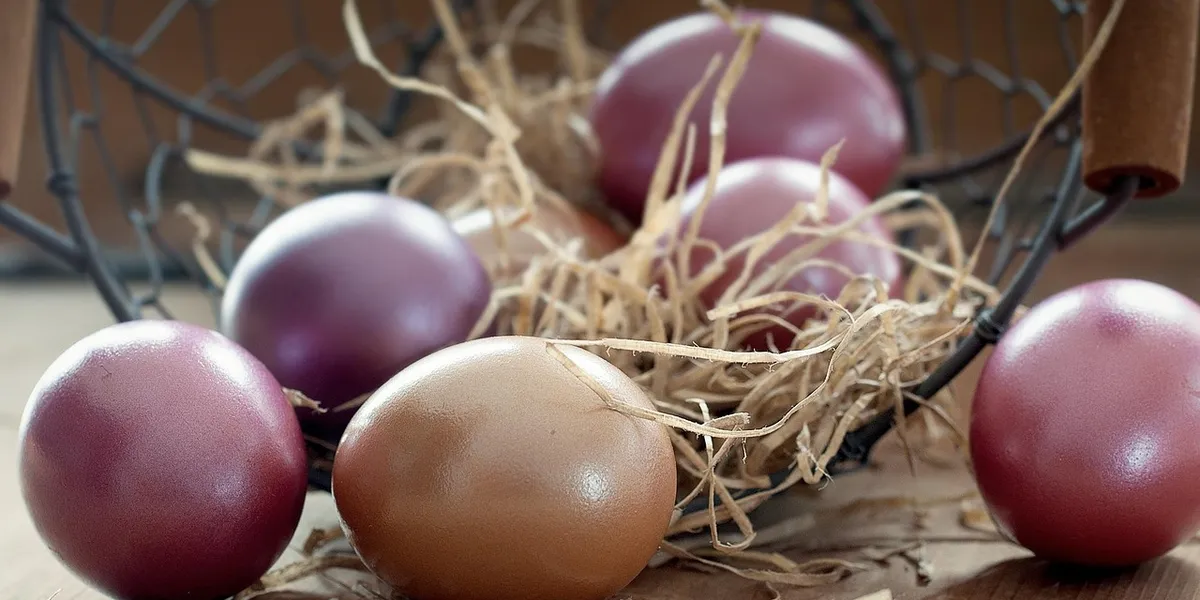
I’ve opened many an egg box over the years, from my leopard gecko Griffey’s first clutch to my crested gecko Jeter’s occasional surprises. The moment you spot an egg that’s clearly not viable is a mix of disappointment and a crucial learning moment. Knowing what to look for saves you from wasting effort and helps you understand your gecko’s health. If you’re wondering what gecko eggs look like, visual guides compare eggs across different species. A quick glance can help you spot anomalies and learn what’s typical for each kind.
The Clear Signs of an Infertile Egg
Fertile eggs have a specific look and feel. Infertile ones are their complete opposite.
- Color and Texture: A fertile egg is typically firm and has a healthy, chalky white or off-white color. An infertile egg often looks yellowish, leathery, or even slightly translucent.
- The “Slosh” Test: Gently pick up the egg. A fertile egg will feel solid and heavy for its size. An infertile egg might feel lighter, and you may even feel a slight sloshing of liquid inside if you move it carefully.
- The Collapse: Infertile eggs frequently start to cave in or collapse within a few days of being laid. A fertile egg maintains its plump, turgid shape.
- The Band: This is the big one. A fertile egg will develop a distinct pinkish “veiny” band around its middle, usually within a week. If you see no band after 7-10 days and the egg is yellowing or collapsing, it is almost certainly a dud.
I remember a clutch from my feisty A-Rod where two eggs never chalked up and remained a sickly yellow. They deflated within days, confirming my suspicion. It’s a clear sign that the egg was never fertilized to begin with.
Troubleshooting Common Egg Problems
Even with fertile eggs, things don’t always go to plan. Your job is to be a detective and solve these little mysteries to give the viable eggs their best shot.
The Egg Grew Mold
Finding fuzzy white or green mold on an egg is alarming. Mold spreads quickly and can wipe out an entire clutch if not addressed. If only one egg is moldy, remove it from the incubator immediately to protect the others. A small patch of mold on an otherwise healthy, banded egg can sometimes be carefully dabbed with a cotton swab dipped in a mild antifungal like athlete’s foot cream, but I only attempt this on extremely valuable genetics. Often, it’s safest to remove the egg.
The Egg is Collapsing or Shriveling
This is almost always a humidity issue. The egg is losing too much moisture to the air. A slight dimple can often be fixed, but a severely collapsed egg is usually a lost cause. For a dimpled egg, try increasing the humidity in your incubating medium. I’ll sometimes add a few more drops of water to the vermiculite or perlite, making sure it’s not so wet that it soaks the egg. The egg should plump back up within hours if you’ve caught it in time.
The Egg Changed Color (To Brown or Black)
This is the worst-case scenario. A fertile egg that turns dark brown, black, or a nasty green has died inside. We call these “bad eggs.” You must remove them from the incubator as soon as you confirm the color change, as they will rot and become a biohazard. They often have a terrible smell. It’s a heartbreaking part of the hobby, but removing them protects your other eggs and your nose.
The Egg is Stuck to the Floor or Another Egg
Geckos aren’t always graceful layers. If eggs are stuck together, do not try to pull them apart! You will almost certainly tear the shells and kill the embryos. Your best bet is to carefully excavate the entire clump of substrate they’re stuck in and incubate them as one unit. I had to do this with a glued-together pair from my playful Mookie, and both hatched perfectly healthy. It’s one of those tricks you learn when you’re dealing with common gecko egg problems.
You See No Veins with a Flashlight
Candling-gently shining a bright flashlight through the egg in a dark room-is a great check. Around days 7-10, you should see a network of tiny red veins and maybe even a dark blob (the embryo). If you see just a clear or uniform yellow glow with no structures, the egg is infertile. If you saw veins before but they’ve now disappeared, the embryo has died. It’s a definitive way to know what you’re dealing with.
FAQs
How soon after laying can I safely candle gecko eggs to check for fertility?
You can safely candle gecko eggs within the first 24-48 hours after laying to look for early signs like a pinkish glow or initial veining. After you confirm the eggs, it’s useful to cover the basics of what to do after your geckos mate—egg laying and incubation basics—to support healthy development.
Are there any alternative methods to candling for checking gecko egg fertility?
While candling is the most reliable method, closely monitoring changes in egg color, shape, and firmness over time can provide clues, though it’s less accurate.
What should I do if my gecko’s eggs consistently turn out infertile?
If eggs are consistently infertile, evaluate factors like the geckos’ age, health, diet, or breeding environment, and consider consulting a reptile veterinarian for advice. These checks address common gecko breeding problems and help improve egg viability. By carefully adjusting age, health, diet, and environment, you can increase your chances of successful breeding.
Your Next Steps in Gecko Breeding
Successfully identifying fertile eggs boils down to a simple, two-part process. First, wait about a week after laying before you use a bright light to candle the egg in a dark room. Look for the tell-tale pinkish glow and the intricate network of red veins, a sure sign of life, rather than a solid, unchanging yellow yolk.
Breeding geckos is a fantastic journey, but it’s a serious commitment to the lives you’re helping create. From my own experience with Griffey and Jeter, the real reward comes from a deep, continuous dedication to learning everything you can about their needs. To help new keepers avoid common mistakes, be aware of the 11 beginner breeding mistakes that endanger your geckos. Staying vigilant about these risks from the start can help you safeguard their health. Always prioritize the health and welfare of your animals above all else, and you’ll find this hobby endlessly fulfilling.
Further Reading & Sources
- How To Tell If Your Leopard Gecko Eggs Are Fertile – Berry Patch Farms
- Eggs?! Help! – Gecko Time
- How To Tell If Leopard Gecko Eggs Are Fertile Or Infertile
The Gecko Guide is your ultimate resource for gecko enthusiasts, providing expert advice and practical tips to ensure the health and happiness of your scaly companions. Alexander is a passionate gecko owner with over a decade of experience in reptile care. We are dedicated to offering accurate, up-to-date information to support your gecko journey.Our mission is to foster a community of responsible gecko owners who are passionate about the well-being of these fascinating creatures.
Incubation & Egg Care