
Can Geckos Lay Eggs Without a Male?
Published on: April 7, 2026 | Last Updated: April 7, 2026
Written By: Alexander 'Gecko Geek' Johnson
Finding a clutch of eggs in your gecko’s terrarium when you know for a fact she’s lived alone her entire life is one of the most bewildering moments for a reptile keeper. Your mind races. Is this normal? What do you do with them?
I’ve been there myself with my leopard gecko, Griffin, and I’m here to walk you through exactly what’s happening. We will cover the science, the signs, and the crucial steps you need to take to ensure your gecko stays healthy.
By the end of this article, you will understand:
- The biological phenomenon of parthenogenesis and which gecko species can do it.
- Why many solitary female geckos lay infertile eggs and what that means.
- The immediate, practical care steps you must take for your egg-laying gecko.
You will get clear, actionable advice based on established reptile science and my own hands-on experience. The key topics we are covering are: parthenogenesis explanation, infertile egg identification, species capable of asexual reproduction, health implications for the female, and proper egg disposal and gecko care.
The Surprising Truth About Female Geckos and Eggs
Yes, your female gecko can absolutely lay eggs without ever meeting a male. I was just as stunned when my leopard gecko, Griffey, presented me with two perfect little eggs one spring morning. Finding eggs in your gecko’s enclosure can be a complete surprise, but it’s a surprisingly common event. In mourning geckos, females can lay eggs without a mate, and those eggs can hatch without fertilization. These eggs are almost always infertile, meaning they will never develop into a baby. For more information on this process, you can learn about Mourning gecko egg hatching.
Think of it like a chicken laying an egg you buy from the grocery store. The biological machinery for egg production is there and running, regardless of a male’s presence. Your gecko’s body is simply going through the natural motions of reproduction, producing what we call “slugs” or infertile eggs. You’ll usually find these in a moist hide if you’ve provided one.
What to Do With Infertile Eggs
When you discover these eggs, your course of action is straightforward.
- Do not incubate them. Infertile eggs will never hatch and will eventually rot, creating a health hazard.
- Gently remove the eggs from the enclosure.
- You can carefully cut one open to confirm it’s infertile-it will have a uniform, yellowish contents with no visible veins or embryo.
- Dispose of them in your compost or trash.
During this time, it’s vital to ensure your female is well-nourished. Egg production, even for infertile eggs, drains a significant amount of calcium and energy from your gecko. I always dust Griffey’s insects more heavily with calcium powder during her egg-laying cycles.
Parthenogenesis: Asexual Reproduction in Geckos
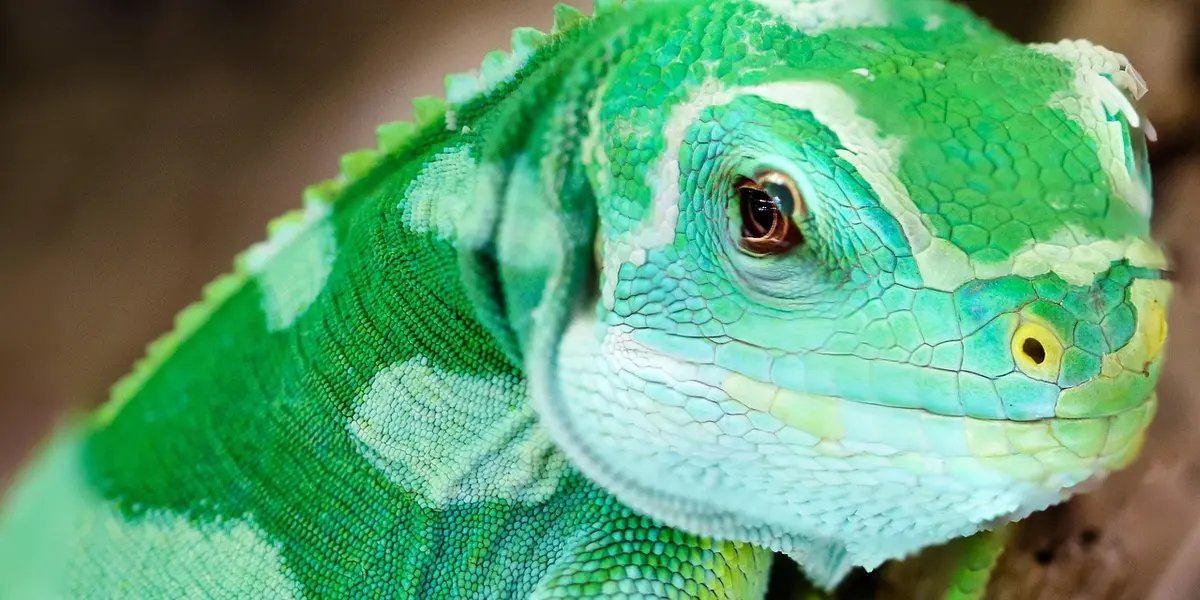
Now, let’s talk about the real plot twist. While infertile eggs are common, a few gecko species are capable of something far more incredible: true virgin birth, scientifically known as parthenogenesis. For leopard geckos, however, mating is part of normal reproduction, and here is a simple step-by-step guide to how they mate and reproduce.
In this process, a female’s egg cell can activate and start developing into an embryo without being fertilized by a male’s sperm. Parthenogenesis is a fascinating survival adaptation, allowing a single female to found an entire population. The offspring produced are essentially clones of the mother, though slight genetic variations can occur.
Gecko Species Known for Parthenogenesis
This isn’t something you’ll see in every species. It’s most documented in these geckos:
- Mourning Geckos
- Some species of House Geckos
- Certain Whiptail Lizards (though not a gecko, a famous example)
For the most common pet geckos, like Leopard Geckos and Crested Geckos, true, viable parthenogenesis is exceptionally rare. While a handful of cases have been reported, you should always assume the eggs from your pet are infertile. The vast, vast majority of the time, you would be correct.
How to Tell the Difference
So, how can you be sure? Here’s a quick guide.
| Infertile Egg (“Slug”) | Potentially Viable Egg (via Parthenogenesis) |
|---|---|
| Often smaller and misshapen | Plump, firm, and perfectly oval |
| Yellowish and opaque when candled | Shows a pinkish hue and visible veins when candled after a week or two |
| Will collapse and decay over time | Will grow firmer and show signs of development |
The “candling” method is your best friend here. In a dark room, gently shine a bright but cool flashlight through the egg. If you see a small red circle or a network of pink veins, you might have a developing embryo on your hands. If it’s just a solid, yellowish glow, it’s infertile.
If you ever suspect parthenogenesis, the best and safest step is to consult an exotic veterinarian. They can provide a definitive answer and guide you on the complex path of incubation, which is a significant commitment to animal welfare.
Unfertilized Eggs: The More Common Scenario
Many gecko owners are shocked to find eggs in the terrarium, especially if their pet has never been near a male. Unfertilized egg-laying is a natural, hormone-driven process that occurs in several gecko species, often as a seasonal response to ideal conditions. I’ve seen this happen with my own geckos, and it’s usually nothing to worry about if you know how to handle it.
Can Leopard Geckos Lay Eggs Without a Male?
Yes, leopard geckos can and do lay infertile eggs without a male present. My leopard gecko, Griffey, has deposited a clutch of two eggs in her hide more than once, despite living a solo life. These eggs are typically smaller, softer, and may appear yellowish or irregular compared to fertile ones. Female leopard geckos often go through cycles where they produce eggs regardless of mating, so if you see this, don’t fret-it’s just their body doing its thing.
Can Crested and Gargoyle Geckos Lay Eggs Without a Male?
Crested and gargoyle geckos are also capable of laying unfertilized eggs. My crested gecko, Jeter, has surprised me with eggs a couple of times, usually tucked away in a moist corner of his enclosure. Similarly, Mookie, my gargoyle gecko, has been known to lay a single infertile egg after a growth spurt. Both species may lay eggs periodically, often linked to their diet and environmental cues like humidity and temperature. It’s their way of saying, “I’m healthy and ready,” even if there’s no chance of babies. Unlike some other reptiles, geckos do lay eggs rather than giving live birth.
What to Do If Your Gecko Lays Eggs
Finding eggs can feel like a mini-crisis, but staying calm is key. Your first step is to assess the situation without stressing out your gecko, as they can be sensitive after laying. I always check on my geckos’ behavior and habitat to ensure they’re not showing signs of exhaustion or illness, like decreased appetite or lethargy. In many cases, these stress signals are tied to the environment, so evaluating enclosure temperature, humidity, and enrichment can make a big difference.
How to Tell if the Eggs are Fertile
Determining fertility is straightforward with a few simple checks. Use a bright flashlight in a dark room to “candle” the egg by holding it gently-if you see a pinkish glow or web-like veins inside, it might be fertile. Infertile eggs often look uniformly yellow or opaque and might feel squishy. Here’s a quick list of signs to look for:
- Fertile eggs: Show veins or a pinkish hue when candled, and feel firm.
- Infertile eggs: Appear solid yellow or white, and may dent easily.
From my experience, if the eggs are from a gecko like Jeter who’s never been with a male, they’re almost always infertile-saving you the guesswork.
Caring for the Eggs: To Incubate or Not?
If the eggs are infertile, there’s no need to incubate them. I typically remove and dispose of infertile eggs to prevent mold or bacteria growth, which could harm my gecko’s habitat. For potential fertile eggs, you’d need an incubator set to species-specific temperatures, but since parthenogenesis is rare in these geckos, it’s unlikely. After mating, the basics of egg laying and incubation come into play. Monitor the lay date, set up a proper incubation environment, and review your care routines. Focus on your gecko’s post-laying care instead:
- Offer extra calcium and nutrients to support their recovery.
- Ensure fresh water and a stress-free environment.
- Monitor for repeated laying, which might require a vet visit to prevent egg-binding.
Remember, your gecko’s well-being comes first-those eggs are just a quirky part of pet ownership!
Caring for Your Egg-Laying Female
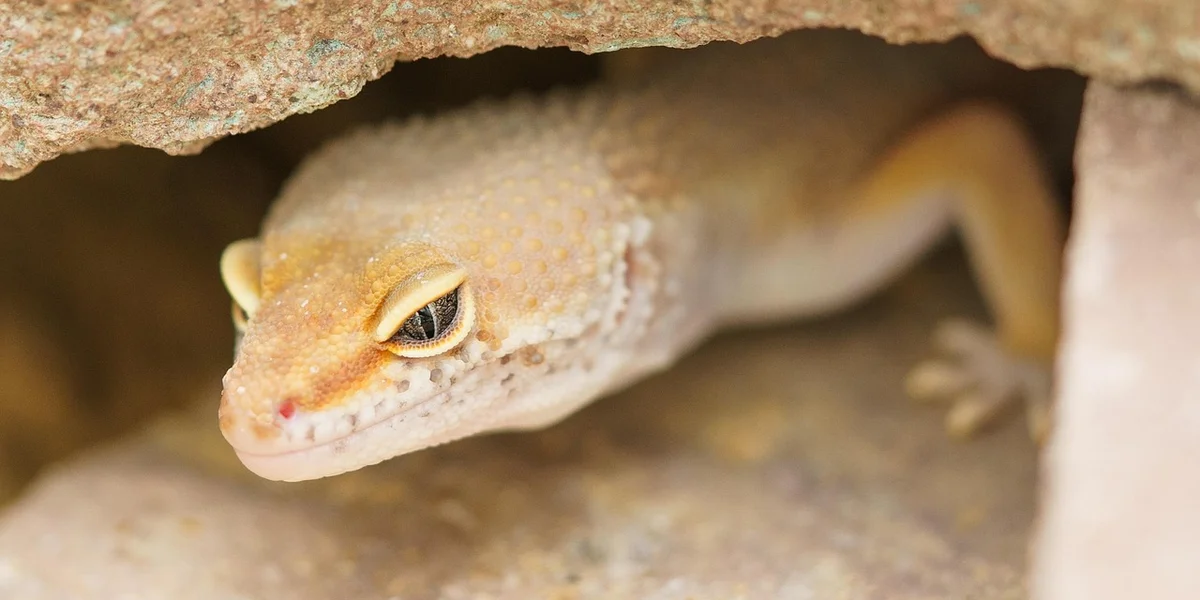
When your female gecko starts laying eggs, her body is working hard, and she needs extra support. I always boost calcium intake immediately by dusting insects with a high-quality supplement-this helps prevent metabolic bone disease and supports eggshell formation. In my experience with leopard geckos like Griffey, I’ve seen how a lack of calcium can lead to weak, misshapen eggs or even egg-binding, a serious health risk.
Hydration is non-negotiable during this time. Offer fresh water daily and consider a shallow dish for soaking, as dehydration can complicate the laying process. My crested gecko Jeter once became lethargic before laying, and a quick misting session perked her right up-showing how vital moisture is for their well-being.
Set up a lay box filled with damp sphagnum moss or eco-earth to give her a safe, diggable spot. This mimics their natural instinct to bury eggs and reduces stress, making the whole experience smoother for her. I’ve found that a simple plastic container with a hole cut in the lid works perfectly for most species.
- Monitor her weight and behavior closely-loss of appetite or constant pacing can signal trouble.
- Keep the enclosure clean to prevent infections, especially if eggs are left to decompose.
- Consult a reptile vet if she strains for more than a day without passing eggs, as this could indicate binding.
Preventing Unwanted Egg Laying
If you’re not breeding, frequent egg laying can drain your gecko’s health and resources. Adjusting the light cycle to simulate shorter days can trick her body into thinking it’s not breeding season, reducing egg production. Mimicking natural day-night cycles supports circadian rhythms and overall gecko health. A consistent dawn-to-dusk transition helps maintain normal activity and digestion. I did this with my African fat-tailed gecko A-Rod by using a timer to limit daylight to 10 hours, and her laying cycles spaced out significantly.
Temperature plays a big role too. Slightly lowering the basking area by a few degrees can discourage ovulation without harming your pet. Always use a reliable thermometer and avoid sudden drops-stability is key to keeping her stress-free.
Diet control is another powerful tool. Reduce high-protein feeders like waxworms and offer more leafy greens or balanced commercial diets to curb hormonal triggers. For my gargoyle gecko Mookie, swapping out fatty treats for Repashy grub pie helped her maintain a healthy weight and fewer egg urges.
- Minimize handling and environmental changes to lower stress levels.
- Remove any male pheromone cues if you’ve housed geckos together previously.
- Provide ample hides and clutter to make her feel secure and less likely to “nest.”
Remember, prevention is about mimicking natural off-seasons. By creating a consistent, low-stimulus environment, you’re prioritizing her long-term health over unnecessary reproductive cycles. I’ve seen too many geckos become frail from back-to-back clutches-advocating for their welfare means stepping in before exhaustion sets in.
FAQs
How frequently can a female gecko lay infertile eggs?
Frequency depends on the species and environmental factors, but many geckos may lay clutches every few weeks during active breeding seasons, such as leopard geckos.
What behaviors indicate a gecko is about to lay eggs?
Look for signs like increased digging, restlessness, reduced appetite, and frequent visits to moist areas in the enclosure.
Is there any way to stop a gecko from laying eggs entirely?
While environmental changes can reduce laying frequency, completely stopping this natural reproductive process is not advisable or typically possible without compromising the gecko’s health.
Final Words
To recap, a female gecko can indeed lay eggs without a male, producing either infertile eggs through a solo hormonal cycle or, in rare species, viable babies via parthenogenesis. Some geckos are all-female and reproduce asexually through parthenogenesis, but it’s still rare among most species. Always be prepared to provide a proper lay box and extra calcium, and know how to safely handle or dispose of any eggs you find.
Responsible gecko ownership means staying curious and committed to learning about their complex biology and welfare needs. Your dedication to understanding these amazing creatures ensures they live long, healthy, and enriching lives in your care.
Further Reading & Sources
- r/Awwducational on Reddit: The mourning gecko species reproduces with only females. They are asexual, reproducing through parthenogenesis – laying eggs that don’t need to be fertilized by a male, thus essentially producing clones of themselves. Males do exist, but they are rare and infertile.
- Why Even Bother with Sex? | American University, Washington, DC
- Embryonic development of a parthenogenetic vertebrate, the mourning gecko (Lepidodactylus lugubris) – Griffing – 2019 – Developmental Dynamics – Wiley Online Library
The Gecko Guide is your ultimate resource for gecko enthusiasts, providing expert advice and practical tips to ensure the health and happiness of your scaly companions. Alexander is a passionate gecko owner with over a decade of experience in reptile care. We are dedicated to offering accurate, up-to-date information to support your gecko journey.Our mission is to foster a community of responsible gecko owners who are passionate about the well-being of these fascinating creatures.
Breeding & Lifecycle