
Is Your Gut-Loading Strategy Actually Working? A Practical Guide
Published on: February 20, 2026 | Last Updated: February 20, 2026
Written By: Alexander 'Gecko Geek' Johnson
You’re diligently dusting your insects with expensive supplements, but are your geckos still missing out on the vital nutrition they need to truly thrive? I’ve been there, staring at my geckos, Griffey and Jeter, wondering why their colors weren’t as vibrant as they could be, despite my best efforts.
I will help you cut through the confusion. We will look at the simple, often-missed details that make a gut-loading strategy effective. By the end of this, you will know exactly how to power up your feeder insects.
- Identify the common nutritional gaps in even the most popular gut-loading foods.
- Learn the critical timing for feeding your insects to maximize nutrient delivery.
- Discover my personal, easy-to-mix gut-load recipe that transformed my geckos’ health.
You will get clear, step-by-step advice you can apply immediately. We cover: what to feed, when to feed, how long to gut-load, best feeder insects, and a simple recipe.
What Gut-Loading Is and Why It’s a Game-Changer for Geckos
Think of gut-loading as packing a lunchbox for your gecko’s food. You’re feeding the feeder insects a super-nutritious meal so that when your gecko eats them, they get a powerful vitamin and mineral boost. It’s the difference between your gecko eating an empty chip and a nutrient-packed superfood smoothie.
I learned this the hard way with my first leopard gecko, Griffey. He was eating plenty of crickets, but his colors were dull and he lacked his usual energetic spark. The problem wasn’t the quantity of food, but the quality of nutrition inside each insect. Once I started properly gut-loading, it was like someone turned on a light switch inside him.
This process directly fuels everything from strong bone development to a robust immune system. Without it, you could be feeding your gecko a diet that looks sufficient but is secretly starving them of critical nutrients. Misconceptions about gecko diets—such as believing variety alone is enough or that supplements are never needed—often lead to health issues. This is the focus of the topic gecko diet nutrition myths and explains how to avoid these myths for a truly balanced, nutritious diet.
The Telltale Signs Your Gut-Loading Strategy Is Paying Off
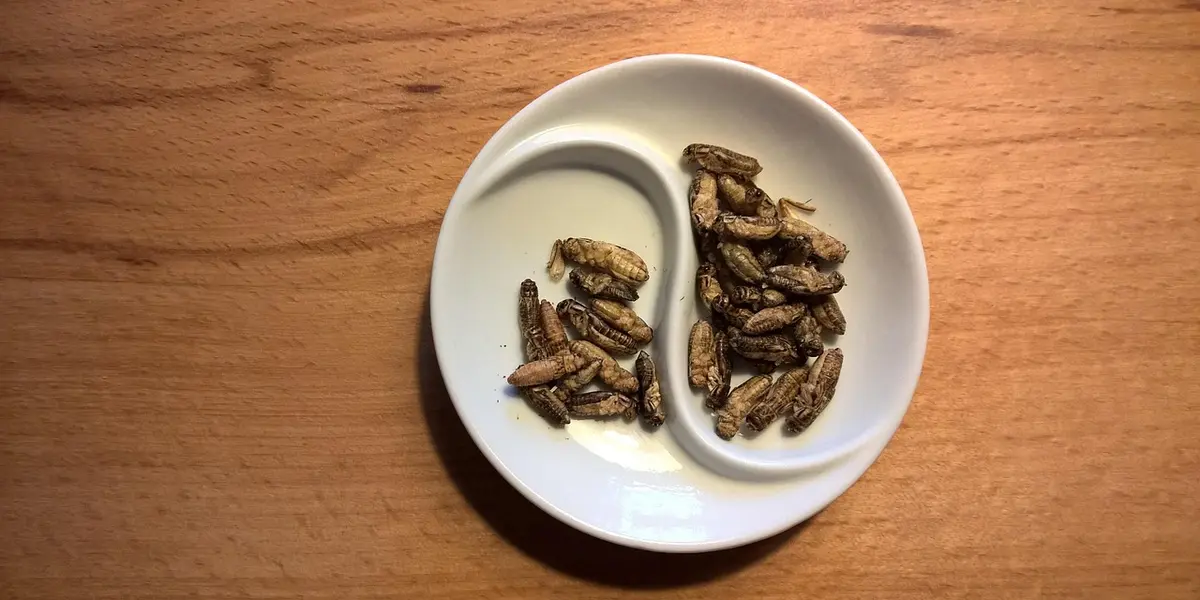
Observing Your Gecko’s Feeding Behavior
You can tell a lot by how your gecko hunts. A well-nourished gecko is an eager and effective predator.
- Enthusiastic Hunting: They actively stalk and pounce on their prey, showing clear interest. My crestie, Jeter, went from ignoring crickets to tracking them like a tiny, calm ninja.
- Strong Strikes: Their tongue or bite is accurate and powerful. A weak, sluggish hunt can signal a lack of energy from poor nutrition.
- Consistent Appetite: They eat regularly and finish their meals. A picky or inconsistent eater might be trying to tell you their food isn’t satisfying their body’s needs.
Checking Physical Health and Appearance
This is where you’ll see the most dramatic proof. A gecko thriving on a gut-loaded diet is a sight to behold.
- Vibrant Colors: Their skin and patterns will be bright and rich. My Giant Day Gecko, Babe, practically glows a deeper, more luminous green when his diet is spot-on.
- Clear, Bright Eyes: Their eyes should be alert and free of any sunken appearance.
- Healthy Weight and Tail: Their body should be well-proportioned, and their tail should be plump (for species that store fat there). A nicely rounded tail is a bank account of well-processed nutrients.
- Regular, Well-Formed Sheds: They should shed their skin in one clean piece. Difficult, patchy sheds are a classic red flag for nutritional deficits.
Monitoring Feeder Insect Quality
Your gut-loading success starts with the insects themselves. They are your first indicator.
- Active, Lively Insects: Healthy gut-loaded crickets and roaches are mobile and responsive. If your feeders are lethargic or dying quickly, your gut-load might be off.
- Visible Consumption: You should actually see the insects eating the gut-loading food in their container. No eating means no nutrient transfer.
- Full, Plump Bellies: Look at the abdomen of your feeder insects. A feeder with a visibly full, often lightly colored belly is a walking multivitamin for your gecko. This is the most direct sign your strategy is working at the source.
Your Step-by-Step Guide to Gut-Loading Feeder Insects
Selecting the Best Gut-Load Foods
Think of your feeder insects as tiny, wiggling lunchboxes. What you pack inside is what your gecko ultimately eats. I learned this the hard way with my first gecko, Griffey, who lacked energy until I upgraded his feeders’ diet with ten safe and diverse feeder insects.
Your goal is to use foods that are dense in the vitamins and minerals your gecko needs, not just filler that keeps the insect alive. I keep a simple mix on hand that has never failed me. When weighing freshly prepared diets against live insects, you can see the clear nutritional breakdown your gecko gets. It helps balance vitamins, minerals, and moisture, while leaving room for occasional live treats.
- Staples: Organic sweet potato, carrots, and butternut squash are my go-tos. They are packed with Vitamin A, which is crucial for gecko eye health and immunity.
- Greens: Dandelion greens, collard greens, and a little bit of kale. These provide calcium and other trace minerals.
- Power Boosters: I occasionally add a sprinkle of spirulina powder or a commercial, high-quality gut-load formula to really supercharge the nutrients.
Avoid iceberg lettuce, cucumber, and potato at all costs. They are mostly water and offer little to no nutritional value for your pet.
Timing and Duration for Maximum Nutrition
Gut-loading isn’t something you do for five minutes before feeding time. It’s a process. If you feed an insect a carrot, that carrot needs time to be digested and become part of the insect.
The sweet spot for gut-loading is 24 to 48 hours before you plan to feed those insects to your gecko. This gives them enough time to consume a significant amount of the nutritious food and for their digestive systems to process it.
I have a dedicated “gut-loading tub” for my crickets and dubia roaches. When I see my geckos’ food supply getting low, I immediately move a new batch of feeders into this tub with a fresh salad. This creates a perfect, rotating schedule so I always have loaded insects ready. To ensure proper feeding for leopard crested geckos, I gut-load the dubia roaches with a varied diet of fresh greens and fruit for 24–48 hours before feeding. I keep the roaches hydrated and clean so their nutrients translate into healthier geckos.
Preparing and Offering Loaded Insects
Preparation is simple but makes all the difference. You don’t want to just toss a whole carrot into the bin and call it a day.
- Chop it up: Grate or finely chop the vegetables. This dramatically increases the surface area, making it easier for the insects to eat more, faster.
- Remove leftovers: After 24 hours, remove any old, uneaten food from the insect bin to prevent mold, which can make your feeders sick.
- Feed immediately: Once your insects are fully loaded, offer them to your gecko within an hour or two. The nutrients start to deplete the longer you wait.
I always dust my already gut-loaded insects with a calcium supplement right before feeding my crested gecko, Jeter. This creates a powerful one-two punch of internal and external nutrition.
Fixing Common Gut-Loading Blunders
Mistake: Using Low-Nutrient Fillers
This is the number one error I see. People use cheap, watery foods like potato or lettuce because they are easy. I was guilty of this myself years ago.
Feeding low-nutrient fillers is like serving your gecko a diet of plain crackers-it fills their stomach but starves their body of what it truly needs. This can directly lead to Metabolic Bone Disease (MBD) and other deficiencies over time.
Swap those fillers for the colorful, nutrient-dense vegetables listed above. Your gecko’s health and vitality will show you the difference.
Mistake: Inconsistent Feeding Schedules
Gut-loading only the insects you’re about to feed is good. Gut-loading your entire feeder colony continuously is better.
If you only feed your insects well for a day before offering them, you’re creating a feast-or-famine situation. A consistent, high-quality diet for your feeder insects means every single insect your gecko eats is a powerhouse of nutrition, not just the lucky ones. A balanced mix of feeder insects helps ensure your gecko’s overall diet is nutritionally complete. Different species offer different nutrients, so varied combinations support calcium, protein, and vitamin needs. My feeder colonies get the same good food my geckos’ salads are made from, every single day.
Mistake: Overlooking Insect Hydration
This is a silent killer of both nutrition and your feeder insects. Many owners provide hydration through water crystals or a water gel, which is safe. But they forget that juicy vegetables are a primary source of hydration.
If your gut-load foods are dry or stale, your insects become dehydrated, which impacts their health and the moisture content they pass on to your gecko. My playful Gargoyle gecko, Mookie, needs that extra hydration for his energetic leaps. Proper hydration is crucial for geckos’ overall health.
Always provide fresh, moist vegetables. Not only does this load them with nutrients, but it also keeps the entire colony perfectly hydrated from the inside out.
How to Monitor and Boost Your Gut-Loading Success
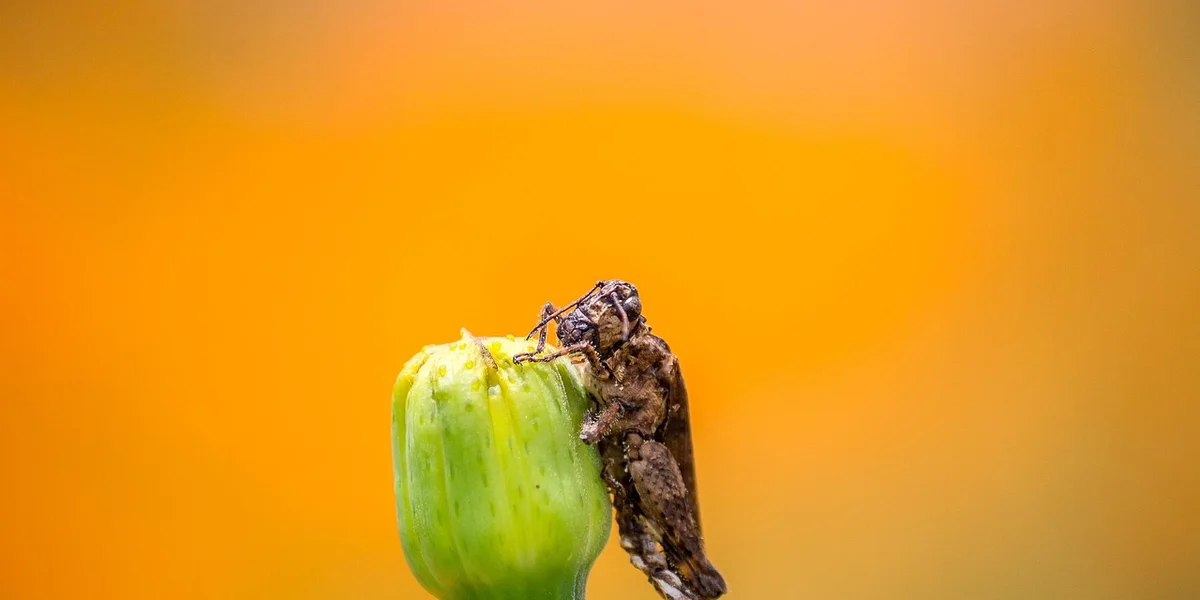
You’ve mixed the powders and chopped the veggies, but is your gecko truly reaping the rewards? Proper gut-loading is a process, not a one-time event, and its success shows up in your pet’s vitality over weeks and months. I learned this the hard way with my crestie, Jeter, whose colors went from dull to dazzling once I dialed in his feeder diet.
Tracking Gecko Health Over Time
Don’t just glance at your gecko—really look. A well-nourished gecko is a vibrant, active gecko. I keep a simple journal for my crew to spot trends. We also track appearance signs—eye brightness and skin condition, and tail fullness—to catch problems early.
- Skin and Shedding: Glossy, bright skin that sheds in one complete piece is a top sign of good health. Stuck shed, especially on toes, can signal nutritional gaps.
- Energy and Behavior: Your gecko should be alert and exhibit species-typical behaviors. My leopard gecko, Griffey, went from hiding all day to curiously exploring his tank once his insect nutrition improved.
- Weight and Body Condition: A plump, muscular tail (for species that store fat there) and a well-filled-out body are your goals. A skinny tail or a visibly bony spine means your strategy needs work.
- Waste Output: This is the ultimate report card. Firm, well-formed droppings with a white urate section indicate your gecko is properly digesting and utilizing its food.
Enhancing Your Gut-Load Formula
Moving beyond basic commercial mixes can supercharge your feeders. Think of it as meal-prepping for your insects.
- Incorporate Fresh, Moist Foods: I always add a slice of sweet potato or a chunk of carrot to the feeder bin. This provides essential moisture and a wider spectrum of vitamins for the insects to pass on.
- Rotate Your Greens: Don’t just use one thing. Alternate between dandelion greens, collard greens, and slices of squash. Variety prevents nutritional holes.
- Add a Nutritional Power Boost: A light dusting of a high-quality bee pollen or spirulina powder over the fresh gut-load food can significantly increase the levels of antioxidants and trace minerals.
- Hydrate Smartly: Never use a plain water gel or slice. Use water crystals that have been soaked in a liquid vitamin or calcium supplement to create a hydrating, nutrient-rich drink for your feeders.
When to Adjust Your Strategy
Even a great plan needs to change with your gecko’s life. A static diet is a failing diet.
- Life Stage Changes: A growing juvenile or a breeding female has massively different nutritional demands than a sedentary adult. They need more protein and fat, so your gut-load should be richer.
- After Illness or Injury: Recovery requires extra resources. This is when I boost the protein content in my feeder diet to support tissue repair and overall healing.
- Seasonal Shifts: Some geckos naturally eat less during cooler months. You might need a more concentrated, potent gut-load during these times to ensure they get what they need from fewer feeders.
- Visible Health Declines: If you see weight loss, lethargy, or poor shedding, your gut-load is the first thing you should scrutinize and upgrade. It’s often the cheapest and fastest fix.
FAQs
Can I use fruits in my gut-loading mix?
While some fruits can be used in moderation, they are often high in sugar and should not replace nutrient-dense vegetables like sweet potatoes and greens.
How do I store gut-loading foods to keep them fresh?
Store gut-loading vegetables in a cool, dry place or refrigerator to maintain freshness and prevent mold, which can harm your feeder insects. To store and care for live feeder insects properly, keep their enclosure clean, well-ventilated, and at the appropriate temperature.
Is it necessary to gut-load insects if I’m already dusting them with supplements?
Yes, gut-loading provides internal nutrition that dusting cannot fully replicate, ensuring your gecko gets a balanced diet from the inside out.
Your Gecko’s Health Starts in the Feeder Bowl
Your gut-loading strategy works when you focus on feeding your insects a vibrant, nutrient-packed diet for at least 24-48 hours before they become your gecko’s dinner. Rotate through high-quality commercial powders and fresh, safe vegetables to create a complete vitamin and mineral profile that gets passed directly to your pet.
Being a great gecko keeper means committing to lifelong learning and observing how your pet responds to the care you provide. To really understand what those signals mean, consult a complete guide on gecko behavior and temperament. A deeper grasp of temperament helps tailor care to each gecko. Their bright eyes, strong sheds, and energetic behavior are the ultimate report card on your gut-loading success, so stay curious and keep refining your approach.
Further Reading & Sources
- Gut Loading – an overview | ScienceDirect Topics
- Gut Loading! The Most Important Part of Feeding your Reptiles – YouTube
- Complete Guide To Gutloading Insects For Your Reptiles | Zen Habitats
The Gecko Guide is your ultimate resource for gecko enthusiasts, providing expert advice and practical tips to ensure the health and happiness of your scaly companions. Alexander is a passionate gecko owner with over a decade of experience in reptile care. We are dedicated to offering accurate, up-to-date information to support your gecko journey.Our mission is to foster a community of responsible gecko owners who are passionate about the well-being of these fascinating creatures.
Gecko Nutrition & Feeding