
Leopard Gecko Life Cycle: Your Guide From Egg to Adult
Published on: April 12, 2026 | Last Updated: April 12, 2026
Written By: Alexander 'Gecko Geek' Johnson
Watching a tiny leopard gecko egg develop into a full-grown adult is one of the most rewarding parts of the hobby, but it can also feel overwhelming if you don’t know what to expect at each stage. I’ve hatched dozens of eggs over the years, and that first glimpse of a hatchling never gets old.
I’m here to walk you through the entire process. By the end of this guide, you’ll understand the key transformations your gecko will go through, including:
- How incubation temperature can determine your gecko’s sex.
- The critical growth milestones from hatchling to juvenile.
- The specific care changes needed for a healthy, thriving adult.
You’ll get clear, step-by-step advice based on my own experience raising geckos like my energetic boy, Griffey. We will cover: egg and incubation, the hatching process, the hatchling stage, the juvenile phase, adulthood, and the senior years.
Leopard Gecko Life Cycle Overview
Watching a leopard gecko grow is one of the most rewarding parts of being a keeper. Their life cycle is a fascinating journey of transformation. You’ll witness them progress from a delicate, marble-sized egg to a vibrant, full-grown adult over the course of about 18 months. Each stage has its own unique care requirements and charming quirks. These milestones (egg, hatchling, juvenile, and adult) guide every care decision. Tracking them helps you anticipate needs at each stage.
The Egg Stage: Incubation and Care
Finding those first pearly white eggs in the enclosure is a moment of pure excitement. I remember the giddy feeling with Griffey’s first clutch. Proper egg care from the very beginning is the single most important factor for hatching healthy, vibrant baby geckos. It sets the foundation for their entire life.
Setting Up for Incubation Success
You don’t need fancy equipment for success, just consistency. I’ve hatched dozens of eggs using a simple, reliable method.
- The Container: Use a small plastic deli cup with a secure, ventilated lid. Poke several small holes for air exchange.
- The Medium: Vermiculite is my go-to. Mix it with water by weight (a 1:1 ratio is perfect) until it clumps together without dripping.
- The Setup: Bury the eggs about halfway into the moist vermiculite. Do not rotate them. Mark the top with a pencil.
- The Incubator: A simple styrofoam incubator with a heat mat and thermostat works beautifully. Stability is everything.
- The Temperature: This is the big one. Incubate at 80-82°F for a mix of males and females. 88-90°F will produce mostly females, and 77-79°F will give you mostly males.
Getting the temperature and humidity stable before you even put the eggs in is the real secret to a high hatch rate. A wobbly temperature means wobbly results.
Monitoring Egg Health
Not every egg will make it, and that’s a natural part of the process. Learning to read the eggs will save you heartache.
- Healthy Eggs: Start firm and pearly white. They will stay plump and may gain a slight pinkish hue as veins develop.
- Bad Eggs: A yellow, deflated, or moldy egg is not viable. Mold can sometimes be carefully dabbed off with a cotton swab, but often the egg is lost.
- The Waiting Game: Candling eggs can be stressful for them. I recommend minimal handling. Just check for obvious collapse or mold every few days.
- The Final Stretch: As hatching nears, the egg will “sweat” and look deflated. This is normal! Do not help the baby out. They need to emerge on their own to absorb their yolk sac fully.
A healthy egg will look like a perfect, plump pearl for most of its incubation, while a failing one will quickly show you it’s in trouble. Trust your eyes, and always prioritize the health of the good eggs over trying to save a failing one.
Hatchling Stage: Neonatal Care and First Steps
Watching a hatchling emerge is a mix of pure joy and sudden responsibility. I remember the first time one of my geckos, Griffey, hatched. He was so tiny and delicate, a miniature version of his future self. Your primary goal in these first few weeks is to provide a stable, stress-free environment where they can build confidence and strength. It’s crucial to know the right care techniques during this early stage.
Feeding and Hydration for Hatchlings
Hatchling geckos have ferocious appetites to fuel their initial growth spurt. Their food needs to be as tiny as they are, which is why knowing what to feed them is crucial.
- Appropriate Prey: Offer pinhead crickets or small dubia roach nymphs. The prey item should be no larger than the space between the gecko’s eyes.
- Feeding Schedule: I offer food every single day. Leave a small dish of prey for a few hours, dusted with a pure calcium supplement (without D3).
- Hydration is Critical: They dehydrate incredibly fast. Provide a very shallow water dish and lightly mist one corner of the enclosure walls nightly. They will often lick droplets off the glass or decor before they learn to use a dish.
- Gut-Loading: Never feed your insects a poor diet. I feed my feeder insects fresh veggies like carrots and commercial gut-load food to make them as nutritious as possible for my tiny geckos.
Juvenile Stage: Rapid Growth and Development
This is the gangly teenager phase! Your gecko will seem to grow before your eyes. My gecko Mookie hit this stage and suddenly his tail plumped up and he became a fearless climber. This period, from about two months to around seven months, is all about supporting that explosive development. From hatchling to adult, this growth rate timeline shows rapid changes early on, then steady maturation. You’ll see their colors become more defined and their personality truly start to shine.
Enclosure and Social Needs
As your gecko grows, its world needs to expand with it. A cramped enclosure can lead to stress and stunted growth.
- Upgrading the Tank: A 10-gallon tank might work for a hatchling, but juveniles do best in a 20-gallon long enclosure. This gives them ample space to explore, hunt, and establish temperature gradients.
- Furnishing for Activity: Add more climbing branches and secure foliage. Juveniles are incredibly active and curious. Provide multiple hides-a warm hide, a cool hide, and a humid hide for shedding.
- The Solitary Rule: This is non-negotiable from my experience. Leopard geckos are solitary creatures and must be housed alone. Cohabitation, even for juveniles, causes intense competition for food and basking spots, leading to injury, stress, and one gecko dominating resources.
- Handling with Care: You can begin short, gentle handling sessions. Let the gecko walk from hand to hand for just five minutes at a time. Always support their entire body and never grab their tail.
Adult Stage: Maturity and Long-Term Care
Watching your leopard gecko reach adulthood is a proud moment. If you’re trying to determine the age of your gecko, you can estimate it by its size and color maturity. If you have hatch records or breeder information, use those to confirm its actual age. You’ll know they’ve matured when they hit their full size, typically between 18 to 24 months old, and their vibrant adult colors and patterns are completely set. My gecko, Griffey, seemed to puff out his chest with pride once his high yellow pattern was fully developed.
Breeding Considerations for Adults
Breeding is a serious commitment and not a decision to take lightly. I strongly advise against breeding unless you have vetted homes for every single possible hatchling and are prepared for the associated costs and risks. The animal’s welfare must always come first.
If you are an experienced keeper moving forward, here are the fundamental requirements:
- Health is Non-Negotiable: Both the male and female must be over 18 months old and at a robust, healthy weight. A skinny gecko should never be bred.
- Prepare for the Female’s Needs: Breeding is physically demanding. You must provide a permanent lay box filled with moist sphagnum moss and be ready to supplement her diet heavily with calcium.
- Know When to Stop: A female should only produce a maximum of 3-4 clutches per season. After that, she needs a long break to recover her body condition.
Breeding Leopard Geckos: Mating and Clutch Management
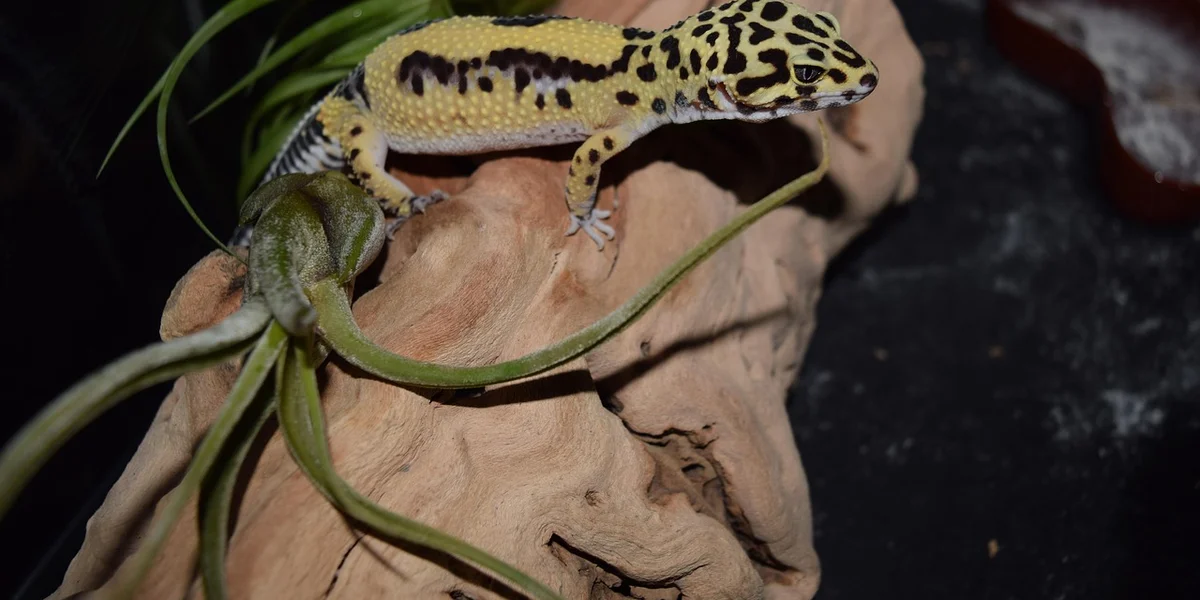
If your geckos are healthy and you have a solid plan, the breeding process begins. To do this right, set up a perfect breeding enclosure for your geckos that mimics their natural habitat. A well-designed space with proper temperature, humidity, hiding spots, and secure barriers helps reduce stress and improve breeding success. Always introduce the female to the male’s enclosure to minimize territorial aggression from the female. I’ve seen males like A-Rod get chased right out of a female’s space!
The mating ritual involves a lot of tail vibrating and gentle biting. After a successful pairing, you must remove the female.
- A gravid (egg-carrying) female will become noticeably plump and may stop eating.
- She will dig in her lay box to deposit her eggs, usually in clutches of two.
- Gently remove the eggs as soon as you find them, being careful not to rotate them.
Incubation Temperature and Sex Determination
This is one of the coolest parts of leopard gecko biology. Unlike mammals, the sex of leopard geckos is determined by the temperature at which you incubate the eggs, not genetics. It’s a phenomenon known as Temperature-Dependent Sex Determination (TSD). For a complete guide to incubating gecko eggs, you’ll find the exact temperatures and timing that drive TSD, and how these choices influence the hatchlings’ sex.
Here is a simple breakdown of how it works:
- 79°F – 82°F (26°C – 28°C): This cooler range will produce almost entirely female hatchlings.
- 85°F – 88°F (29°C – 31°C): This middle, warmer range is a mixed bag. You will get a combination of males and females.
- 89°F – 92°F (32°C – 33°C): This hottest range results in predominantly male hatchlings, though some females can still occur.
- Above 93°F (34°C): This is dangerously hot and can be lethal to the developing embryos.
You must use a reliable, calibrated incubator to maintain a steady temperature throughout the entire 35-90 day incubation period. Fluctuations can cause developmental problems or even cause the eggs to fail.
Monitoring Growth and Health Across Life Stages
Age and Size Expectations
Watching your gecko grow is one of the most rewarding parts of being an owner. I’ve found that consistent, gentle monitoring is the absolute best way to ensure your pet is on the right track. It lets you catch small issues before they become big problems.
Here’s a general guide to what you can expect as your leopard gecko matures. Remember, these are averages, and individual geckos, like my energetic Griffey, can vary. Many keepers wonder about their growth rate and timeline—do they grow fast? This guide covers growth milestones from hatchling to adult.
| Life Stage | Typical Age Range | Average Length (with tail) | Average Weight |
|---|---|---|---|
| Hatchling | 0 – 2 months | 3 to 4 inches (8-10 cm) | 2 – 3 grams |
| Juvenile | 2 – 7 months | 5 to 8 inches (13-20 cm) | 15 – 25 grams |
| Sub-Adult | 7 – 12 months | 8 to 10 inches (20-25 cm) | 30 – 50 grams |
| Adult | 12+ months | 8 to 11 inches (20-28 cm) | 45 – 80 grams |
Don’t panic if your gecko is a little ahead or behind these numbers. Growth rate is heavily influenced by genetics, feeding frequency, and overall husbandry. A gecko that eats eagerly will simply grow faster than a picky one. Over time, growth rate translates to expected size and age milestones. Tracking these trends helps you gauge when your gecko will reach particular sizes.
Key Health Indicators to Watch For
Beyond just size, you need to become a detective for your gecko’s wellbeing. I make it a habit to do a quick visual check on all my geckos every evening during feeding time. Understanding crested gecko weight growth patterns can help you notice subtle changes before they become serious. Keeping a simple weight log alongside your daily checks lets you tailor portions and care as your geckos grow.
Look for these positive signs of a healthy leopard gecko at any age:
- A thick, plump tail: This is their fat storage. A healthy tail should be nice and wide, almost like a plump caterpillar.
- Bright, clear, alert eyes with no swelling or crust.
- Smooth skin that sheds completely in one piece, with no patches stuck on their toes.
- Consistent, firm, well-formed droppings (brown part with a white urate).
- Active and curious, especially at dusk and dawn.
You should also be aware of common red flags. Any sudden change in behavior or appearance is your first clue that something might be wrong.
- Sudden, rapid weight loss or a thin, stick-like tail.
- Lethargy or lack of interest in food for more than a few days.
- Difficulty shedding, especially if skin remains on the toes (this can cause them to fall off!).
- Labored breathing, bubbles from the nose, or gaping.
- Bumps, lumps, or swollen joints on the body.
If you notice any of these warning signs, the kindest thing you can do is consult a reptile-experienced veterinarian. Acting quickly is the hallmark of a responsible and caring pet owner.
FAQs
What is the typical lifespan of a leopard gecko in captivity?
With proper care, leopard geckos can live for 15 to 20 years in captivity.
Where can I find pictures of leopard gecko life cycle stages?
You can view high-quality images on reputable reptile care websites, specialized pet forums, and educational zoological resources.
Is there a diagram available that outlines the leopard gecko life cycle?
Yes, diagrams illustrating the life cycle from egg to adult are commonly found in reptile care guides, online educational platforms, and veterinary resources.
Final Words
Watching a leopard gecko grow from a delicate egg to a full-grown adult is one of the most rewarding parts of being a keeper. The journey hinges on providing the right environment at each stage-from precise incubation temperatures for the egg, a secure and well-fed start for the hatchling, consistent nutrition for the rapidly growing juvenile, and finally, a stable, enriched habitat for the adult.
Committing to a leopard gecko means committing to a lifetime of learning and adapting your care to their changing needs. I urge you to always prioritize their welfare, continue researching, and cherish the unique personality that unfolds at every step of their wonderful life cycle.
Further Reading & Sources
- reptiles – What are the stages in a leopard gecko’s life cycle? – Pets Stack Exchange
- r/leopardgeckos on Reddit: How long do they live?
- How Long Do Leopard Geckos Live? Tips to Extend Leopard Gecko Lifespan – INKBIRD
The Gecko Guide is your ultimate resource for gecko enthusiasts, providing expert advice and practical tips to ensure the health and happiness of your scaly companions. Alexander is a passionate gecko owner with over a decade of experience in reptile care. We are dedicated to offering accurate, up-to-date information to support your gecko journey.Our mission is to foster a community of responsible gecko owners who are passionate about the well-being of these fascinating creatures.
Breeding & Lifecycle