
Baby Gecko Care 101: Your Complete Hatchling Guide
Published on: December 25, 2025 | Last Updated: December 25, 2025
Written By: Alexander 'Gecko Geek' Johnson
Bringing home a baby gecko is thrilling, but that tiny, delicate creature can also make you feel a wave of panic about doing everything right. I remember the first time I held my hatchling, Mookie; his small size made every decision feel monumental.
I’m here to help you navigate this exciting time. Caring for hatchlings isn’t just about keeping them alive-it’s about setting them up for a long, thriving life. We’ll cover the three most critical pillars for success:
- Creating the perfect, secure habitat to prevent escape and stress.
- Mastering a feeding routine that supports rapid growth.
- Understanding their fragile health needs to avoid common pitfalls.
You’ll get clear, step-by-step advice based on both established reptile science and my own hands-on experience raising my crew. The full article covers: housing setup, temperature and humidity control, diet and feeding schedules, handling and socialization, and common health issues to watch for.
Baby Gecko Basics: What Every Owner Should Know
A hatchling is a gecko that has just emerged from its egg. They are not simply tiny adults. Their needs are more delicate and specific, demanding a watchful eye and a gentler touch. They are growing at an incredible rate, which makes their environment and nutrition absolutely critical. Signs your gecko hatchling is thriving and healthy include steady weight gain, active exploration, and regular, clean shedding. Recognizing these signs helps you adjust care as they grow.
I remember the first time I held my leopard gecko, Griffey, as a hatchling. He was so small and light, I was terrified I might hurt him. That initial nervousness taught me the importance of patience and observation.
- Size: Most hatchlings are only 2 to 4 inches long, from nose to tail tip. They can feel impossibly tiny!
- Behavior: They are often more skittish and hide more frequently than adults. This is a natural survival instinct.
- Lifespan: With proper care from the start, many common pet geckos can live 15-20 years. Your care now sets the stage for their entire life.
Setting Up the Ideal Hatchling Enclosure
Choosing the Right Terrarium Size and Type
A common mistake is using a huge tank for a tiny gecko. A large, open space can be stressful and make it hard for them to find food and feel secure. Avoid these 10 habitat setup mistakes for a safe, thriving gecko. Knowing these common pitfalls helps you set up a better enclosure.
- Appropriate Sizes: A 10-gallon tank is perfect for a single leopard or fat-tailed gecko hatchling. For crested or gargoyle geckos, a tall 12″x12″x18″ enclosure works well. They need height for climbing.
- Plastic Tubs vs Glass Tanks: I’ve used both. Plastic tubs are cheap, lightweight, and great at holding heat and humidity. Glass tanks are more attractive for viewing and provide better ventilation. For beginners, a simple glass tank with a secure screen lid is often the easiest to manage and monitor.
- Secure Lids: This is non-negotiable. Hatchlings are escape artists. A tight-fitting, clipped-on screen lid is your best defense against a lost gecko.
Heating and Lighting Essentials
Geckos cannot regulate their own body temperature internally. They rely on you to provide a range of temperatures in their home. For crested gecko temperature range, the ideal temperature range is around 72–78°F (22–26°C) during the day and about 65–70°F (18–21°C) at night. Keeping the enclosure within these temperatures helps them stay healthy and comfortable.
- Temperature Gradients: You need a warm side and a cool side. Use an under-tank heater on one end. The warm side should be 88-90°F, and the cool side around 75°F. The basking spot itself should be on the warm end.
- UVB Lighting: While some geckos are considered crepuscular, providing low-level UVB (like a 5.0 or ShadeDweller bulb) is a great practice for bone health and overall well-being. Provide a consistent day/night cycle of 12 hours on and 12 hours off. All heat and light should be off at night.
- Monitoring: Do not guess. Use a digital thermometer/hygrometer on both the warm and cool ends. Stick-on dials are notoriously inaccurate. Trust the digital readouts.
Substrate and Decor Choices
The bottom of the cage and what you put in it can be the difference between a thriving gecko and a sick one.
- Safe Substrates: For hatchlings, simple is safest. I always start with paper towel. It is cheap, sterile, and you can easily spot waste. Other good options include slate tile or reptile carpet. Completely avoid loose substrates like sand, bark, or mulch, as they can cause fatal impaction if ingested.
- Hides and Climbing: Provide at least two hides: one on the warm end and one on the cool, moist end. Add plenty of branches, vines, and fake plants. This gives them cover to feel safe and opportunities to explore and exercise.
- Humidity and Hydration: Create a humidity gradient by having a moist hide filled with damp sphagnum moss on the warm end. This helps with shedding. Always provide a shallow water dish with fresh water, but make sure it is small enough that a tiny hatchling cannot drown in it.
Feeding and Nutrition for Growing Geckos
Best Foods for Hatchlings
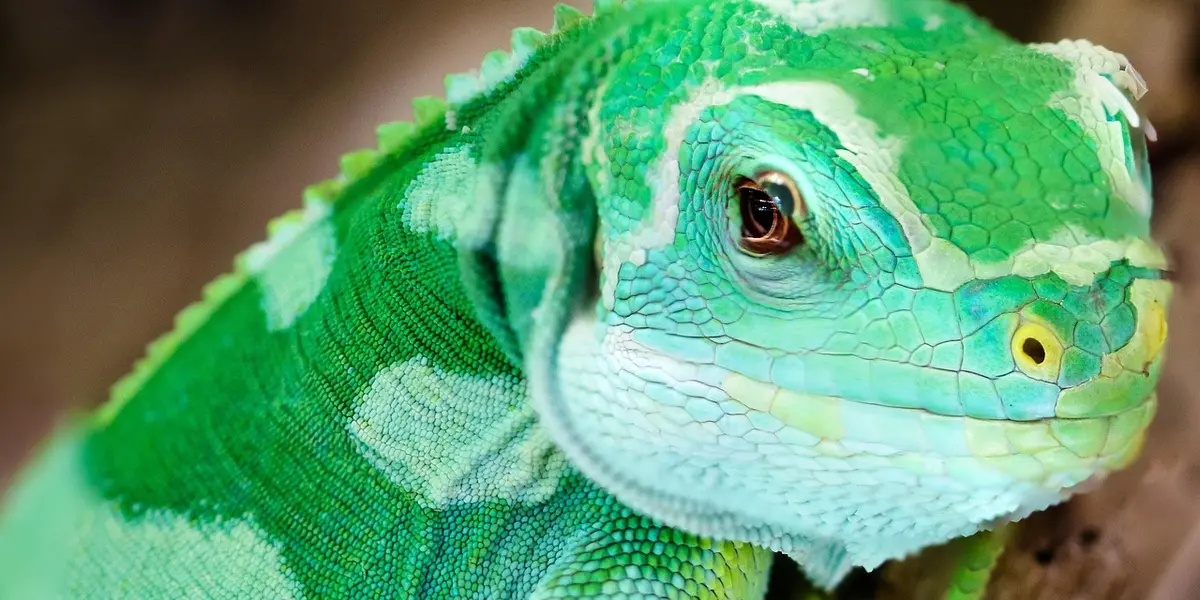
Getting your baby gecko’s diet right sets them up for a healthy life. I learned this quickly with my own crew—Griffey, Jeter, and the others. Hatchlings have tiny mouths and high energy needs, so picking the right feeder insects is non-negotiable. Do baby geckos vs adults eat the same? In general, babies need smaller prey and more frequent meals, while adults take larger prey less often.
- Pinhead crickets are a staple for many species like leopard geckos-they’re small, easy to digest, and rich in protein. Fruit flies are perfect for arboreal hatchlings, such as crested geckos; my Jeter would eagerly snatch them mid-air during feeding time.
- Treats like waxworms should be occasional-think once a week-because they’re high in fat and can cause picky eating if overused. I reserve them for rewarding good behavior or encouraging a shy eater.
- My personal routine involved daily feedings for hatchlings, using pinhead crickets for Griffey and fruit flies for Jeter, always dusted with supplements. This kept them growing steadily without issues.
Gut-Loading and Supplementation
What your insects eat matters as much as what your gecko eats. I treat gut-loading like meal prep for my pets—it boosts nutrition effortlessly. Gut-loading transforms ordinary feeders into vitamin-packed powerhouses for your hatchling. For crested geckos, a freshly prepared diet can complement gut-loaded insects to produce a clearer crested geckos nutritional breakdown. Balancing both approaches helps ensure calcium, vitamins, and moisture align with their needs.
- To gut-load, feed insects nutritious foods like carrots, leafy greens, or commercial gut-load products 24 hours before offering them to your gecko. This passes essential nutrients directly to your pet.
- Supplement with calcium without D3 at every feeding, and add calcium with D3 twice a week for species without UVB lighting. For my geckos, I alternated days to avoid over-supplementation.
- Dusting feeders is simple: place insects in a small bag with supplement powder, shake gently to coat, and feed immediately. I did this right before offering food to prevent the powder from rubbing off.
Health Monitoring and Common Hatchling Issues
Keeping a close eye on your hatchling helps catch problems early. I make it a habit to observe my geckos daily-it’s like a quick wellness check. Regular monitoring can prevent minor issues from becoming big headaches down the road.
- Perform weekly weight checks using a small scale and track activity levels; a sudden drop in either can signal stress or illness. With Mookie, my gargoyle gecko, I noted his playful leaps slowed when he wasn’t feeling well.
- Assist with shedding by providing a humid hide and, if needed, gently misting or using a damp q-tip to loosen stuck skin. Never pull it off-I learned this when helping A-Rod, who sometimes struggled with complete sheds.
- Watch for signs of metabolic bone disease, like limping or a soft jaw, and parasites, which may cause weight loss or abnormal droppings. Early vet visits saved Babe from potential MBD by adjusting his calcium intake.
Handling and Socializing Your Baby Gecko
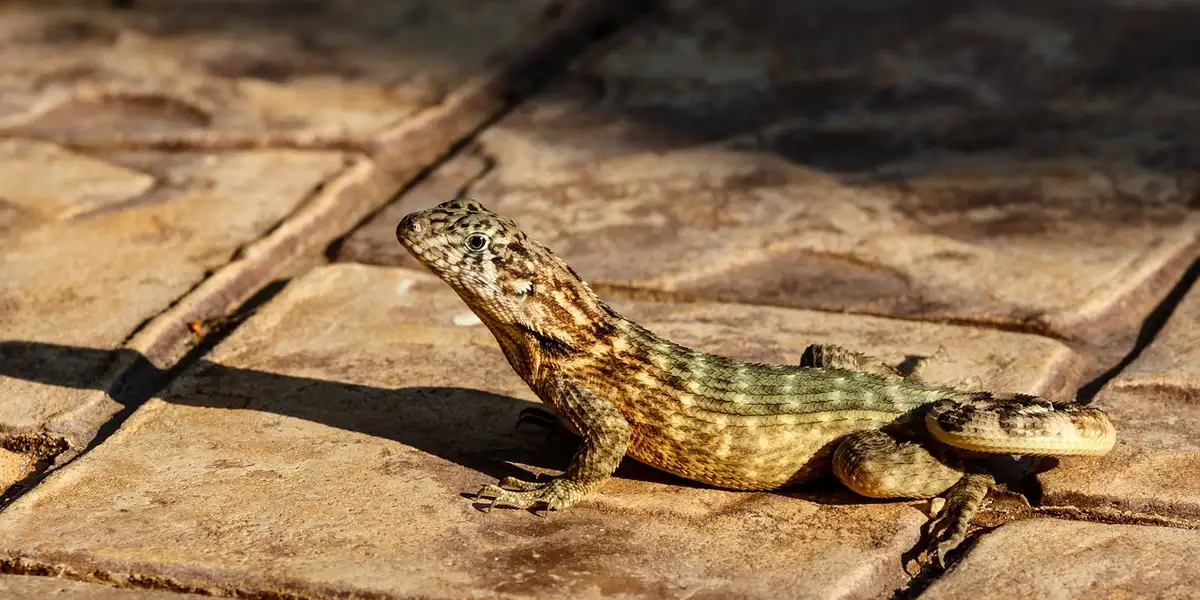
Starting handling sessions with your hatchling can feel nerve-wracking, but patience pays off. I always wait at least one week after bringing a new gecko home to let it settle in its enclosure. This reduces initial stress and helps them feel secure before any interaction. When you begin handling, keep movements slow and gentle, support the gecko’s body, and avoid grabbing or twisting. Regular, short sessions in a quiet environment will help socialize your new hatchling safely and build trust over time.
- Sit near the enclosure daily for 5-10 minutes, speaking softly so they get used to your presence.
- Gently place your hand inside without touching them, allowing them to approach on their terms.
- Once curious, use slow movements to scoop them from below, supporting their entire body.
- Keep first sessions under 5 minutes, gradually increasing as they show comfort.
Building trust hinges on consistency and reading their cues. Watch for tail wagging or hiding-these signs mean back off and try again later. I reinforce positive experiences by offering a tiny treat, like a lick of fruit paste for my crested gecko Jeter, after calm handling.
My leopard gecko Griffey was skittish at first, but after weeks of short, gentle sessions, he now crawls onto my hand eagerly. That bonding journey taught me that even the most energetic hatchlings can become confident with steady, loving attention. If you’re looking to bond your leopard gecko, start with brief, daily handling at their pace to build trust. Always prioritize their comfort over your desire to hold them.
Growth Milestones and Transitioning Care
Hatchlings grow surprisingly fast, and noticing their changes helps you adapt care seamlessly. Within 3-6 months, most species double in size and become more active explorers. Tracking growth rate helps you estimate age and tailor care as they reach new size milestones. Size milestones vary by species, so knowing expected growth supports accurate age benchmarks. My gargoyle gecko Mookie went from timid leaps to bold climbing bursts as he hit his juvenile stage.
Adjust enclosure size when your gecko starts pacing or outgrows hides—typically around 6 months. Upgrade to a 10-20 gallon tank for species like leopard geckos to prevent stress from cramped spaces. Geckos have species-specific housing requirements, with tank size and setup crucial for wellbeing. Plan the enclosure with appropriate hides, substrate, and enrichment to meet those needs. For diet, introduce larger prey items, like moving from pinhead crickets to small crickets, as their jaw strength increases.
| Species | Hatchling Weight | Juvenile Weight (6-12 months) | Typical Length |
|---|---|---|---|
| Leopard Gecko | 2-4 grams | 15-25 grams | 4-6 inches |
| Crested Gecko | 1-3 grams | 10-20 grams | 3-5 inches |
| African Fat-Tailed Gecko | 3-5 grams | 20-30 grams | 4-7 inches |
Monitor weight weekly with a small scale to catch any issues early. My gecko A-Rod’s steady weight gain signaled it was time to switch from daily to every-other-day feedings. This proactive approach keeps them thriving through each growth spurt, which is essential for managing healthy weight gain and loss in leopard geckos.
FAQs
How often should I clean my baby gecko’s enclosure?
Clean the enclosure at least once a week by spot-cleaning waste daily and fully replacing the substrate to prevent bacterial growth and maintain a healthy environment.
What should I do if my hatchling refuses to eat?
Ensure the temperature and humidity are correct, offer a variety of small, gut-loaded insects, and consult a reptile veterinarian if the issue continues beyond a couple of days to rule out underlying health problems.
Can baby geckos be housed together safely?
Housing multiple hatchlings together is not advised due to risks of stress, aggression, and competition for food, which can lead to injury or stunted growth; always provide individual enclosures for optimal care.
Your Baby Gecko Journey Starts Now
Focus on providing a secure habitat with the right temperature gradient, consistent access to clean water, and a diet of appropriately-sized, gut-loaded insects. Handle your hatchling minimally to reduce stress and always keep a close eye on their growth and overall behavior.
Remember, bringing a baby gecko home is a long-term commitment to a living creature that depends on you completely. Their well-being is in your hands, so continue to seek out reputable sources and connect with other gecko owners to ensure your scaly friend thrives for years to come.
Further Reading & Sources
- Hatchling Leopard Gecko Care | The Gecko Spot
- How to Care for a Gecko Hatchling – PetHelpful
- Care and Feeding of Gecko Hatchlings – Gecko Time
The Gecko Guide is your ultimate resource for gecko enthusiasts, providing expert advice and practical tips to ensure the health and happiness of your scaly companions. Alexander is a passionate gecko owner with over a decade of experience in reptile care. We are dedicated to offering accurate, up-to-date information to support your gecko journey.Our mission is to foster a community of responsible gecko owners who are passionate about the well-being of these fascinating creatures.
Hatchling & Juvenile Care