
Are Geckos Asexual and All Female?
Published on: January 4, 2026 | Last Updated: January 4, 2026
Written By: Alexander 'Gecko Geek' Johnson
If you’ve ever panicked that your gecko might suddenly have babies without a mate, you’re not alone-this common myth can cause real stress for pet owners.
I’ve cared for geckos like my energetic leopard gecko Griffey and calm crested gecko Jeter for years, and I’m here to give you the straight facts. We’ll cover three key takeaways to ease your mind:
- Most gecko species require both male and female to reproduce.
- Asexual reproduction is rare and only occurs in specific gecko types.
- Knowing your gecko’s species helps prevent unexpected surprises.
You’ll leave with clear, actionable advice based on science and my own experiences. Topics covered: asexual reproduction myths, species-specific facts, identifying gecko gender, responsible pet care.
What Is Asexual Reproduction in Geckos?
In the animal kingdom, asexual reproduction means a female can produce offspring all by herself, without needing a male. For geckos, this specific type of asexual reproduction is called parthenogenesis, a scientific term that essentially means “virgin birth.” I find it utterly fascinating to watch in my own collection.
Here is the basic process of parthenogenesis in geckos:
- A female gecko’s body produces an egg cell with a full set of chromosomes.
- This egg cell then doubles its own genetic material to create a viable embryo.
- The embryo develops into a clone of the mother and is hatched or born.
The resulting babies are not just all female; they are essentially genetic copies of their mother. This incredible adaptation is a fantastic survival strategy for colonizing new areas where males might be scarce. It’s a biological marvel happening right in our terrariums.
Which Gecko Species Are All-Female and Asexual?
While the vast majority of gecko species require a male and female to breed, several remarkable lineages have evolved to be entirely parthenogenetic. If you’re looking at your pet and wondering, the most common pet geckos that are all-female and asexual belong to a few specific groups.
Here are the primary all-female, asexual gecko species you might encounter:
- Mourning Geckos (Lepidodactylus lugubris): This is the most famous and widely kept parthenogenetic species.
- Various Whiptail Lizards (Genus Aspidoscelis): While not all are geckos, this group is a classic example of parthenogenesis in reptiles.
- Some Species of House Geckos (Genus Hemidactylus): Certain populations have been found to reproduce asexually.
From my experience, keeping a colony of these geckos is unique because you’ll never have to worry about identifying males or dealing with breeding aggression. You are essentially caring for a line of successive clones, which is a wild concept when you really think about it.
Are Mourning Geckos Always Female?
Yes, absolutely. Mourning geckos are an all-female species, and finding a male is biologically impossible. Every single mourning gecko you will ever see or own is female and capable of laying viable eggs without any male involvement.
I’ve kept mourning geckos for years, and their social structure is captivating. They form little communities and will even lay fertile eggs in a communal setting. Watching a group of them chirp and interact, completely independent of males, is a powerful reminder of nature’s diversity. They are a perfect example of successful adaptation.
What to expect with a mourning gecko:
- They will lay one or two tiny, hard-shelled eggs every few weeks.
- The eggs cement themselves to surfaces and should not be moved.
- Baby geckos hatch looking like perfect miniatures of the adults.
How Does Parthenogenesis Work in Geckos?
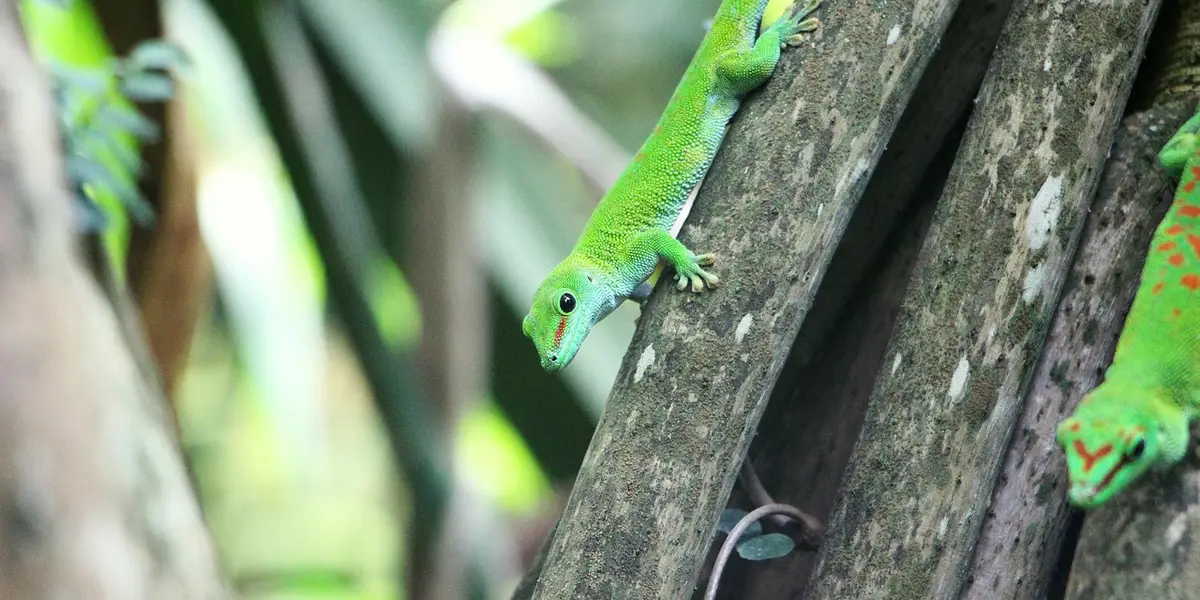
Parthenogenesis lets female geckos have babies without any help from a male. The egg cell starts dividing all on its own and grows into a full embryo. Think of it like a single player scoring a winning run without a teammate’s assist—it’s a solo act from start to finish. Geckos can lay eggs without a male—that’s parthenogenesis. Not every egg is viable; some are infertile and won’t hatch. This process hinges on the egg duplicating its chromosomes to create a viable offspring, often resulting in clones of the mother.
In my years caring for geckos, I’ve never witnessed this firsthand with my crew like Griffey or Jeter. But I’ve read studies on species like the Mourning Gecko, where it’s their main way to multiply. It’s nature’s backup plan for when males are scarce, ensuring survival in isolated spots. For a gecko reproduction biology beginners guide, this shows parthenogenesis in action. It introduces basic terms like sexual vs asexual reproduction. The offspring are usually female, which keeps the cycle rolling in all-female groups.
- Egg activation without fertilization triggers cell division.
- Chromosomes double up to form a complete set for development.
- Offspring are genetic replicas, lacking the diversity of sexual reproduction.
Can Common Pet Geckos Reproduce Asexually?
Most popular pet geckos you’ll find in homes do not reproduce asexually. Species like Leopard Geckos, Crested Geckos, and African Fat-Tailed Geckos rely on good old-fashioned mating. From my experience with A-Rod and Mookie, I’ve always kept habitats separate to avoid surprise babies, as they need a partner to breed. This is a key reason why responsible ownership involves housing males and females apart unless you’re prepared for offspring.
Advocating for animal welfare, I stress that assuming asexuality could lead to neglect or overcrowding. Always research your gecko’s species to provide the best care and prevent unintended litters. While rare cases might pop up in hybrids, it’s not the norm for your everyday pets.
- Leopard Geckos: Sexual reproduction only.
- Crested Geckos: Require mating for egg-laying.
- Gargoyle Geckos: No evidence of parthenogenesis.
- Giant Day Geckos: Sexual reproducers; Babe has never laid eggs solo.
Are Leopard Geckos or Crested Geckos Asexual?
No, Leopard Geckos and Crested Geckos are not asexual. Both need a male to fertilize the female’s eggs for reproduction. My Leopard Gecko Griffey has a buddy-like energy, but he’s never produced eggs without a mate, and the same goes for Jeter, my Crested Gecko. Their behaviors are all about social cues and mating rituals, not solo parenting.
If you’ve got a female of either species laying eggs alone, it’s likely they were fertilized earlier or it’s a false alarm. Stick to proven care guides and avoid myths to keep your geckos healthy and stress-free. I’ve seen too many new owners panic over this, so always double-check with a vet if you’re unsure. If you want to know for sure, follow a step-by-step guide on telling if gecko eggs are fertile. It covers simple checks like candling and watching for development milestones.
How to Tell If Your Gecko Is Male or Female
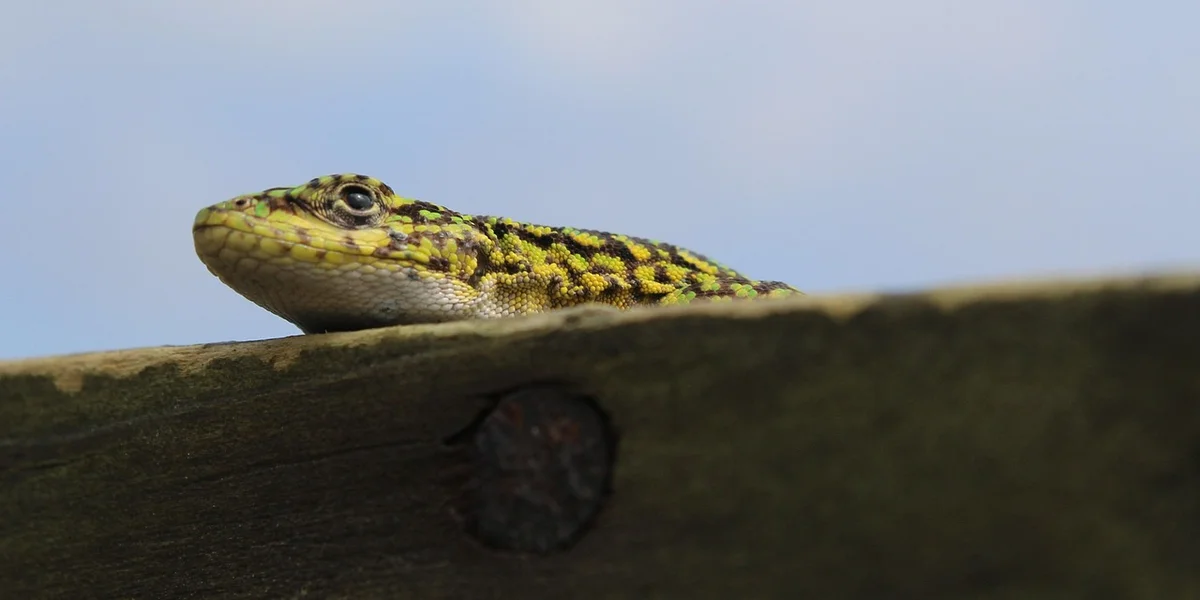
Figuring out your gecko’s sex feels like solving a fun puzzle, and it’s simpler than you might think. Knowing if you have a male or female helps you understand their behavior and plan for their care. I remember when I first checked my leopard gecko, Griffey-his energetic posing made it easy to spot the clues. It was a moment that made me realize just how important it is to know your gecko’s sex.
For most common pet geckos, you can sex them by looking at a few key areas once they’re mature, usually around 6-12 months old. Always handle your gecko gently to avoid stress, and use a soft touch. When sexing leopard geckos specifically, there are common mistakes to avoid. Rushing the process can lead to misidentification. Here’s a quick guide based on my experience with species like leopard, crested, and fat-tailed geckos:
- Preanal Pores: Males often have a V-shaped row of small pores above the vent; females have faint or none.
- Hemipenal Bulges: Look for two small bumps at the base of the tail in males; females have a smoother area.
- Body Size and Shape: Males might be slightly larger or more robust, but this isn’t always reliable.
If you’re unsure, try this step-by-step approach. First, place your gecko in a clear container or your hand under good light. Gently lift the tail to view the vent area-use a magnifying glass if needed. For crested geckos like Jeter, who perches high, I check while he’s calm to avoid startling him. With practice, you’ll get the hang of it, just like I did with my crew.
What Does This Mean for Gecko Pet Owners?
If you learn your gecko is female or part of an all-female group, it changes how you approach their care. This knowledge empowers you to make better decisions for their health and happiness. From my years keeping geckos, I’ve seen how this affects everything from breeding to long-term wellness. Male geckos often have different temperaments—more territorial or active—affecting long-term handling and enclosure needs. Comparing male vs female gecko temperament helps tailor enrichment and care plans for sustained wellness.
Breeding Considerations for Asexual Geckos
Some gecko species, like certain mourning geckos can reproduce asexually through parthenogenesis—no males needed. If you have one of these, you might end up with surprise eggs, even without a mate. Those eggs can hatch into tiny geckos after an incubation period, and the hatchlings will need careful care. Baby mourning geckos are small and delicate, so maintaining proper humidity and temperature is important as they grow. I’ve heard stories from other owners where a single female started a whole colony!
But breeding asexual geckos comes with trade-offs. All babies will be genetic clones of the mother, which can limit diversity. Here are options to consider:
- Monitor for Eggs: Check enclosures regularly; provide a lay box with moist substrate.
- Decide on Offspring: Plan ahead for housing or rehoming babies to avoid overcrowding.
- Genetic Health: If you breed them, be aware that repeated cloning might lead to weaker genes over time.
In my opinion, it’s wise to think twice before encouraging breeding in these cases. Focus on providing a stellar home rather than expanding your gecko family unnecessarily. After all, animal welfare means putting their needs first. If you pursue breeding, consult an ethically responsible gecko breeders checklist to guide your decisions. It helps ensure welfare and increases the chances of finding good homes for offspring.
Health Risks in Female-Only Populations
When geckos are all female and reproduce asexually, genetic diversity drops, much like a sports team with no new players. This lack of variety can increase risks for health issues like weakened immune systems or birth defects. I’ve noticed this in populations where inbreeding occurs-it’s a real concern for their longevity.
Common problems include higher susceptibility to infections or developmental disorders. To keep your geckos thriving, prioritize preventive care and regular vet check-ups. Here’s how to manage female-only groups responsibly: Avoiding such complications in mixed or female-only groups.
- Rotate Enrichment: Change up hides and climbing items to reduce stress and promote activity.
- Watch for Signs: Look out for lethargy, poor appetite, or unusual shedding-act fast if you see changes.
- Avoid Close Relatives: If you have multiple generations, separate them to minimize inbreeding risks.
From my experience with geckos like A-Rod, who’s territorial, I’ve learned that a little planning goes a long way. By staying vigilant, you can help your geckos live full, healthy lives without the downsides of limited genetics. Always advocate for their well-being by choosing care that supports diversity and vitality. For the Mediterranean house gecko, care means a stable habitat: steady temperatures, proper humidity, and a varied diet.
FAQs
Is it possible for a gecko to have babies if I only have one?
Yes, but only if it’s a species capable of parthenogenesis, like mourning geckos, which can reproduce without a mate.
How can I prevent my geckos from breeding?
House geckos separately by sex or choose species that require mating, and avoid mixed-gender enclosures to eliminate breeding chances.
What should I do with unexpected gecko eggs?
Identify the species first, then decide whether to incubate the eggs for hatching or remove them humanely to prevent overcrowding.
Final Takeaway
Geckos are not universally asexual or all-female, and successful breeding requires a clear understanding of your specific species’ biology. You must identify if your gecko is a species capable of parthenogenesis, like some mourning geckos, or if it requires a male and female pair, like the beloved leopard gecko.
Your primary role is to be a responsible guardian by providing impeccable habitat, nutrition, and vet care before ever considering breeding. The world of gecko genetics and reproduction is vast and fascinating, so keep asking questions and learning to ensure your scaly friends live long, healthy, and happy lives.
Further Reading & Sources
- r/reptiles on Reddit: Asexual reproduction in mourning geckos
- Geckos | Encyclopedia.com
- Parthenogenesis in squamates – Wikipedia
The Gecko Guide is your ultimate resource for gecko enthusiasts, providing expert advice and practical tips to ensure the health and happiness of your scaly companions. Alexander is a passionate gecko owner with over a decade of experience in reptile care. We are dedicated to offering accurate, up-to-date information to support your gecko journey.Our mission is to foster a community of responsible gecko owners who are passionate about the well-being of these fascinating creatures.
Sexing & Mating Behavior