
The 8 Biggest Mistakes in Gecko Hydration and Humidity Control
Published on: March 28, 2026 | Last Updated: March 28, 2026
Written By: Alexander 'Gecko Geek' Johnson
Are you losing sleep over whether your gecko is drinking enough or if their habitat’s humidity is harming them? I’ve faced that panic with my own pets, like when Griffey’s skin looked dull from low moisture.
You’re not alone, and I’m here to break down the top errors so you can avoid them. We’ll tackle three core areas that trip up even seasoned owners.
- Spotting subtle dehydration signs before they escalate.
- Matching humidity levels to your gecko’s natural needs.
- Fixing common enclosure flaws that sabotage hydration.
My advice comes from hands-on care, not just theory. The full article covers: over-misting, dirty water dishes, ignoring humidity tools, poor substrate, missing hydration hides, wrong temperatures, shed neglect, and seasonal oversights.
Why Gecko Hydration and Humidity Matter So Much
Think of humidity not as a number, but as the very air your gecko breathes. I learned this the hard way when one of my cresties, Jeter, had a bad shed. His skin stuck to his tiny toes, and I felt terrible. Proper hydration is the silent partner to every critical bodily function, from shedding their skin to digesting their food. A dehydrated gecko is a gecko under constant, low-grade stress. Signs of dehydration in geckos include sunken eyes, wrinkled or dry-looking skin, and lethargy or reduced appetite. If you spot these, check your enclosure humidity and hydration practices.
Their world is contained within those glass walls. In the wild, they can seek out microclimates. In a terrarium, we are their weather gods. Getting the humidity right is our most fundamental duty; it’s the difference between a thriving pet and a surviving one. My gecko Babe, for instance, will literally turn a brighter green when his humidity is perfect-it’s his own personal health meter.
Mistakes in Monitoring Terrarium Humidity
You can’t manage what you don’t measure. Guessing the humidity by how foggy the glass looks is a recipe for disaster. I’ve been there, and it never ends well for the gecko.
Ignoring Humidity Gauge Accuracy
Those cheap, sticky analog gauges you get in pet store kits are often worse than useless. I had one that consistently read 20% higher than the actual humidity, lulling me into a false sense of security. An inaccurate gauge is a liar on your wall, giving you dangerous false confidence.
You need a digital hygrometer with a probe. Place the probe in the middle of the terrarium, away from direct misters or water bowls. Calibrate your digital hygrometer at least once a year using the simple salt test to ensure it’s telling you the truth. This one small upgrade was a total game-changer for the health of all my geckos.
Not Accounting for Daily Humidity Swings
A single, static humidity number is a myth. Your home’s environment is always changing. When you cook pasta, humidity spikes. When your air conditioner kicks on, it plummets. Your gecko needs a cycle, not a flatline-a predictable rhythm of higher and lower humidity that mimics nature.
My crested geckos, like Jeter and Mookie, need a spike to 80% at night and a drop to 50% during the day. I achieve this with an automated misting system. If you mist by hand, do it at the same times every day and always check your gauge afterward to see the result. This consistency prevents respiratory infections and makes for perfect, one-piece sheds every time.
Errors in Misting and Water Dish Management
Inconsistent Misting Schedules
Your gecko’s body doesn’t run on your schedule. I learned this the hard way with my Crested Gecko, Jeter. Misting randomly creates humidity spikes and crashes that stress their respiratory systems. Think of their habitat like a predictable weather pattern they can rely on for comfort and health, especially when it comes to avoiding respiratory issues.
Here is a simple, effective misting routine to follow:
- Heavy Misting at Dusk: Simulate the evening dew fall. Soak the enclosure walls and plants until droplets form.
- Light Spritz at Dawn: A quick spray in the morning helps maintain humidity through the day without making things swampy.
- Use a Timer: An automatic mister is the single best investment I’ve made for consistent care, especially when life gets busy.
Neglecting Water Dish Cleanliness
That water dish is a bacteria factory if you ignore it. Stagnant water grows biofilm-a slimy layer of microbes that can make your pet sick. A dirty dish is not just an eyesore; it’s an active health risk for your gecko.
My routine for a pristine water dish is non-negotiable:
- Empty and scrub the dish with a reptile-safe disinfectant every single day.
- Rinse it with scalding hot water to ensure no chemical residue remains.
- Refill it with fresh, dechlorinated water. I would never make my geckos drink what I wouldn’t.
Substrate and Ventilation Blunders
Choosing Moisture-Unfriendly Substrates
The floor of your gecko’s home is a primary humidity controller. Using the wrong stuff, like sand or crushed walnut, is a double failure-it holds no moisture and poses an impaction risk. The right substrate acts like a slow-release humidity battery, stabilizing the environment for days.
Based on my trials (and errors), here are the best moisture-friendly options:
- For High Humidity Species (Crested, Gargoyle): A mix of organic potting soil, sphagnum moss, and coconut fiber holds moisture perfectly.
- For Moderate Humidity Species (Leopard, Fat-Tailed): Damp paper towels or a soil/sand mix work well for a corner of the tank to create a humid hide.
- Avoid at All Costs: Reptile carpet (it molds) and straight sand (it’s dusty and dry).
Poor Enclosure Ventilation
You might think sealing the tank keeps humidity in, but you’re actually creating a stagnant, moldy nightmare. My gecko Jeter’s health improved dramatically when I fixed his tank’s airflow. Good ventilation is the silent partner to proper humidity, preventing respiratory infections and mold growth.
Ensure your enclosure breathes properly with these checks:
- Screen Tops are Key: Most glass tanks come with a mesh screen lid-use it! Don’t cover it with plastic to “trap” humidity.
- Cross-Ventilation is Best: Look for enclosures with vents on the sides, not just the top. This allows fresh air to flow across the habitat.
- Listen for the Signs: If you open the tank and get a whiff of a musty, locker-room smell, you need more air movement immediately.
Overlooking Special Hydration Needs
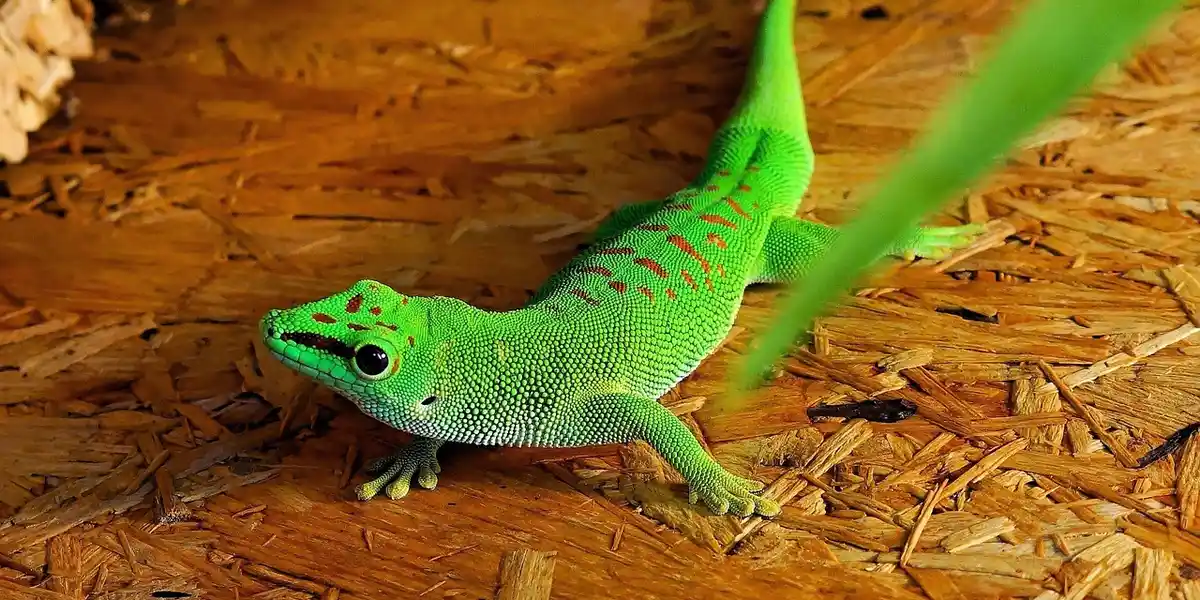
General care advice is a great starting point, but it often misses the critical moments when your gecko’s hydration needs spike. I’ve learned through my own crew that a one-size-fits-all approach can leave your pet struggling during their most vulnerable times, especially when owners make common hydration mistakes.
Not Boosting Humidity Before Molting
Your gecko’s skin doesn’t just peel off on a random Tuesday. The process starts days before you see any white, dusty color. That’s your signal to act. A dry environment during this pre-shed period makes the old skin stick like cheap tape. Failing to ramp up humidity before you see the shed is the single biggest mistake I see owners make.
My leopard gecko, Griffey, used to have terrible sheds on his toes until I figured this out. In this step-by-step guide, I’ll show you how to safely assist a gecko with a stuck shed. Here is what you must do:
- Start daily, light misting as soon as your gecko looks dull or pale.
- Provide a dedicated humid hide packed with damp sphagnum moss or paper towels.
- Maintain this boosted humidity until the old skin has completely come off.
Ignoring Early Dehydration Signs
Waiting for your gecko to look like a raisin is waiting too long. Dehydration is a stealthy threat. You need to become a detective for the subtle clues. Learn how to tell if your gecko is dehydrated by checking for sunken eyes, dry mouth, and wrinkled skin. Also watch for reduced urination and lethargy. Catching these early signs is the difference between a simple fix and a terrifying vet visit.
Watch for these subtle warnings every time you interact with your pet:
- Skin tenting: Gently pinch a fold of skin on their back. If it doesn’t snap back instantly, they need fluids.
- Sunken eyes: Their eyes should look bright and full, not recessed into their sockets.
- Loss of skin elasticity: Their skin should feel supple, not tight or papery.
- Lethargy: A gecko that is usually active but suddenly isn’t moving much may be dehydrated.
How to Fix Your Gecko’s Hydration Setup Today
Don’t feel overwhelmed. You can make impactful changes right now that your gecko will thank you for. These are the immediate, no-excuses actions I took that transformed my geckos’ health and vitality. For a calm, stressed gecko, simple, effective techniques and environmental fixes can help you keep them steady. Environmental fixes—stable temperatures, hiding spots, and proper humidity—make these techniques even more powerful.
First, let’s talk about your water dish. It’s not just a bowl.
- Use a shallow, sturdy dish that cannot be tipped over.
- Place it away from the hottest part of the tank to prevent rapid evaporation.
- Change the water with fresh, dechlorinated water every single day without fail.
Next, master the art of misting. It’s more than just spraying water.
- Use a hand mister for fine control; a spray bottle that blasts water is too harsh.
- Target the walls and décor to create evaporation, not just the gecko itself.
- Mist in the evening for nocturnal species to mimic natural dew formation.
Finally, create a hydration station. This is your secret weapon.
- Get a small plastic container and cut a smooth-entry hole in the side.
- Fill it with moist sphagnum moss-it holds moisture far better than substrate.
- Place this humid hide on the warm side of the enclosure to create a comforting, sauna-like retreat.
FAQs
How can I tell if my gecko is drinking enough water?
Monitor for regular drinking activity, ensure their skin elasticity is good by checking that it snaps back quickly when gently pinched, and look for consistent, well-formed droppings as signs of adequate hydration.
Is it safe to use tap water for my gecko’s habitat?
Always use dechlorinated or filtered water to avoid harmful chemicals that could irritate your gecko’s skin or digestive system. Water quality matters, so choose distilled, spring, or properly treated tap water to help keep your gecko healthy.
What should I do if my gecko’s humidity levels are consistently too high or too low despite my efforts?
Adjust your setup by verifying ventilation, substrate type, and misting habits, and consider adding a humidifier or dehumidifier to better control the environment.
The Path to Perfect Gecko Hydration
Getting gecko hydration right boils down to providing constant access to clean water, using a reliable hygrometer to monitor humidity, and creating a proper moisture gradient in the enclosure. By avoiding stagnant water bowls and incorrect misting schedules, you directly support your gecko’s vital functions like shedding and digestion, as well as overall hydration. Understanding how geckos drink water is crucial for keeping them healthy.
Your gecko relies entirely on you for its well-being, and mastering their humidity needs is a fundamental part of that commitment. Stay observant, be willing to adjust your methods, and never stop learning about the unique needs of your scaly friend. The reward is a thriving, healthy pet.
Further Reading & Sources
- Complete Humidity and Hydration Guide For Crested Geckos – Zen Habitats
- Essential Guide to Leopard Gecko Tank Setup – Talis Us
- Crested Gecko Humidity Guide: Top Things to Consider
The Gecko Guide is your ultimate resource for gecko enthusiasts, providing expert advice and practical tips to ensure the health and happiness of your scaly companions. Alexander is a passionate gecko owner with over a decade of experience in reptile care. We are dedicated to offering accurate, up-to-date information to support your gecko journey.Our mission is to foster a community of responsible gecko owners who are passionate about the well-being of these fascinating creatures.
Humidity Control