
The New Gecko Owner’s Quick Troubleshooting Guide: First Month Problems Solved
Published on: March 10, 2026 | Last Updated: March 10, 2026
Written By: Alexander 'Gecko Geek' Johnson
Your new gecko isn’t eating, seems stressed, or is hiding constantly, and you’re worried you’re doing something wrong. I’ve been there, watching my first leopard gecko, Griffey, ignore his food bowl for days while my anxiety spiked. That initial month is a rollercoaster of excitement and panic.
I’m here to help you navigate it. This guide will walk you through the most common first-month hurdles, giving you clear, actionable steps to get your scaly friend settled and thriving. We’ll cover three key areas:
- Decoding your gecko’s behavior and stress signals.
- Fine-tuning your habitat setup for instant comfort.
- Establishing a successful feeding and handling routine.
You’ll get straightforward advice based on my own trial-and-error and proven gecko care practices. Topics covered: Feeding Issues, Habitat & Temperature Problems, Stress & Hiding Behavior, Shedding Difficulties, Safe Handling Techniques.
Enclosure Setup Mistakes and Quick Fixes
Getting the enclosure right is the single most important thing you can do for your new gecko’s health. A poorly set up tank creates a cascade of problems, from stress-induced hunger strikes to serious illness. I’ve seen it all, from heat mats placed on the wrong side to hides that are more decorative than functional. Common decor mistakes in gecko enclosures are exactly what you want to avoid. Choosing decor with function in mind helps keep temperatures, humidity, and stress in check.
Common Terrarium Trip-Ups
Most new owner mistakes are easy to fix once you know what to look for.
- Incorrect Temperature Gradients: Your gecko needs a warm side for digesting food and a cool side for regulating its body temperature. If the whole tank is one temperature, your gecko can’t thermoregulate properly.
- Poor Hiding Spot Placement: Hides aren’t just decorations. You need at least two: one on the warm end and one on the cool, moist end. Placing both on the same side leaves your gecko feeling exposed and insecure.
- Unsafe Substrates: This is a big one. Loose substrates like sand, bark, or crushed walnut are a major impaction risk if ingested. Impaction is a life-threatening gut blockage that I’ve had to help other owners navigate, and it’s a nightmare we can easily avoid.
Your Step-by-Step Enclosure Assembly Checklist
Follow this order based on my own trial and error. It saves so much time and prevents do-overs.
- Place the Heating Element: Install an under-tank heater on the outside bottom glass of one side. This creates your warm end. Always use a thermostat to control it!
- Add a Safe Substrate: Lay down your chosen substrate. Paper towel is the safest starter option for monitoring health.
- Position the Hides: Put a dry hide directly over the heat mat. Place a moist hide (with damp sphagnum moss) on the cool end.
- Install Thermometers and Hygrometers: You need one digital thermometer on the warm side and one on the cool side, plus a hygrometer to measure humidity.
- Add Clutter and Décor: Finally, add fake plants, branches, and cork rounds. This makes your gecko feel secure as it moves around.
Substrate Safety: The Good, The Bad, and The Ugly
Choosing a substrate is a direct choice for your gecko’s safety. Let’s break down the options.
- Paper Towel: My #1 recommendation for the first month. It’s cheap, sterile, and lets you easily monitor droppings.
- Tile: A fantastic, permanent option. It holds heat beautifully, is easy to clean, and poses zero risk.
- Bioactive Soil Mixes: Advanced but excellent for some species. They require a clean-up crew of insects to work properly.
- Avoid Loose Sands and Bark: Even if it’s sold at the pet store. Calcium sand is especially dangerous as geckos are tempted to eat it, mistakenly thinking it’s a nutrient source. I learned this the hard way with a friend’s leo who needed a vet visit.
Feeding Fails: Why Your Gecko Might Not Be Eating
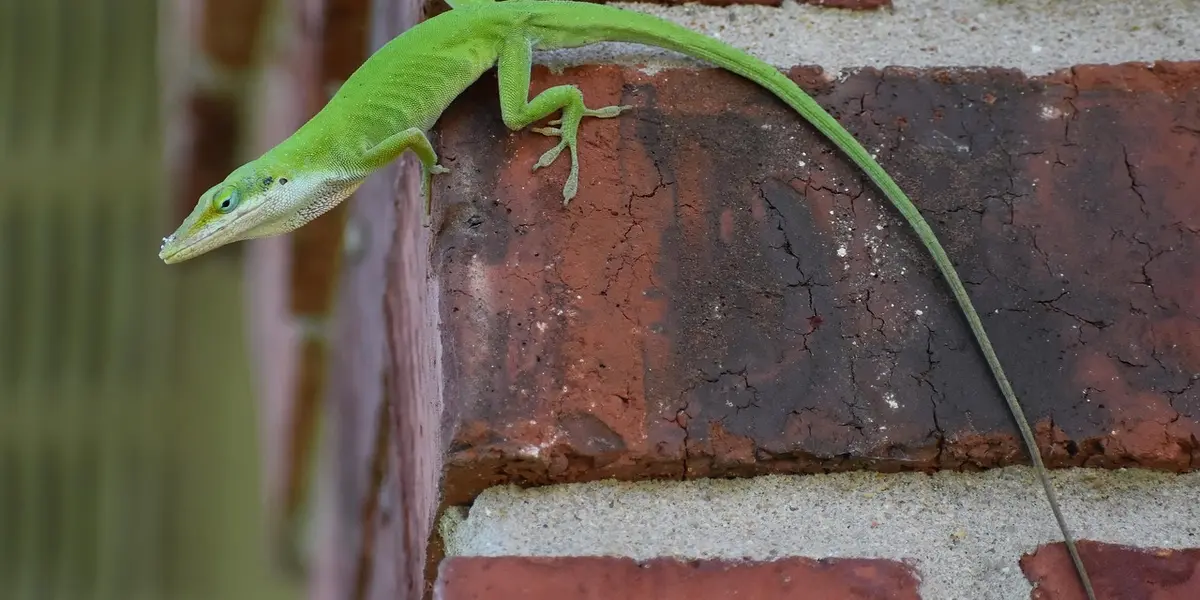
A gecko not eating is the number one worry for new owners. Don’t panic. It’s almost always a fixable husbandry issue, not a permanent problem. I’ve coached many owners through this, and the solution is almost always in the details. If your gecko isn’t eating, you might be wondering what to do next. I’ll walk through common causes and practical steps you can take.
Top Reasons for a Hunger Strike
Your gecko isn’t being picky; it’s communicating that something is wrong.
- Stress: This is the #1 cause. A new home, too much handling, or a noisy environment can shut down their appetite completely.
- Incorrect Temperatures: If their belly isn’t warm enough, they can’t digest food. They will refuse to eat to avoid rotting food in their gut.
- Improper Food Size: Offering prey that is too large is intimidating and dangerous. A good rule is nothing wider than the space between your gecko’s eyes.
- Wrong Feeding Schedule: Geckos are often crepuscular, meaning they’re most active at dawn and dusk. Trying to feed them in the middle of the day might not work.
How to Encourage Your Gecko to Eat
Be patient and methodical. You can turn this around.
- Double-Check Your Temperatures: Verify the warm hide floor is at the correct species-specific temperature. This is the most common fix.
- Gut Load Your Insects: Feed your crickets or dubia roaches nutritious foods like carrots, squash, and commercial gut-load food 24 hours before feeding. A well-fed bug is a multivitamin for your gecko.
- Ensure Hydration: Mist the enclosure, especially the moist hide. Sometimes a gecko will take water droplets from leaves before it’s ready for solid food.
- Try a Different Feeder: If it refuses crickets, try small dubia roaches or black soldier fly larvae. Variety can spark interest.
- Leave Them Alone: Reduce handling to zero for a few days. Drop the food in at dusk and leave the room. Let them eat in peace.
A Personal Story: My Gecko Griffey’s Feeding Fiasco
My high-yellow leopard gecko, Griffey, went on a hunger strike for a full week after I first got him. He was energetic and curious, but he wouldn’t touch a cricket. I was worried sick. The problem turned out to be the hide over his heat mat; it was too tall, so the floor underneath wasn’t getting warm enough for proper digestion. I swapped it for a lower, flatter hide, and within 24 hours, he was chowing down like a champion. It was a simple fix I only found by meticulously checking every part of his setup.
Shedding Struggles: Helping Your Gecko Through the Process
Geckos shed their skin every few weeks as they grow, which is completely normal. Watch for dull or grayish skin and reduced appetite as early signs your gecko is about to shed. Stuck shed looks like dry, flaky patches clinging to toes, tail, or eyes. Dehydration shows up as sunken eyes or skin that stays wrinkled when gently pinched. Understanding shedding problems can help you recognize when to intervene, and quick action can keep your gecko healthy. If issues persist, consider consulting a reptile veterinarian for guidance.
If you spot stuck shed, act quickly to prevent injury. This is a step-by-step guide to safely assist a gecko with stuck shed. Follow these steps to help your gecko shed without harm. Create a simple humid hide by placing damp sphagnum moss in a small container with an entrance hole. Adjust humidity by misting the enclosure lightly once or twice daily. Provide rough surfaces like cork bark or reptile-safe rocks for your gecko to rub against naturally.
I learned this firsthand with Griffey, my leopard gecko. During one tricky shed, he kept rubbing his face against a hide but couldn’t loosen the skin around his toes. I placed a shallow warm water soak (no deeper than his elbows) for five minutes, then used a damp cotton swab to gently roll off the stubborn pieces. Always move slowly and stop if your gecko seems stressed. Regularly checking shed skin is important to ensure your gecko is healthy.
Temperature and Humidity Control: Getting It Just Right
Different gecko species need specific ranges to thrive. Understanding the role of humidity and heating for geckos is essential for proper gecko care. Properly balancing heat and moisture supports shedding, hydration, and overall health. Leopard geckos like Griffey require a basking spot of 88-92°F and overall humidity around 30-40%. Crested geckos such as Jeter prefer temperatures of 72-80°F with 50-80% humidity. African fat-tailed geckos like A-Rod need similar heat to leopards but slightly higher humidity at 50-60%.
Common mistakes include placing thermometers in wrong spots or forgetting nightly drops. Easy fixes involve putting digital thermometers at substrate level and using a thermostat for all heat sources. Avoid overheating one side of the tank while the other stays too cold. Never guess humidity-hygrometers are cheap and essential.
I rely on a simple daily check routine with my crew. Use a infrared thermometer gun for instant basking spot readings and a digital hygrometer for humidity tracking. For equipment, under-tank heaters work well for leopard and fat-tailed geckos, while crested and gargoyle geckos often need low-wattage heat lamps. Always have a backup thermometer in case one fails.
Stress Signals and Behavior Red Flags
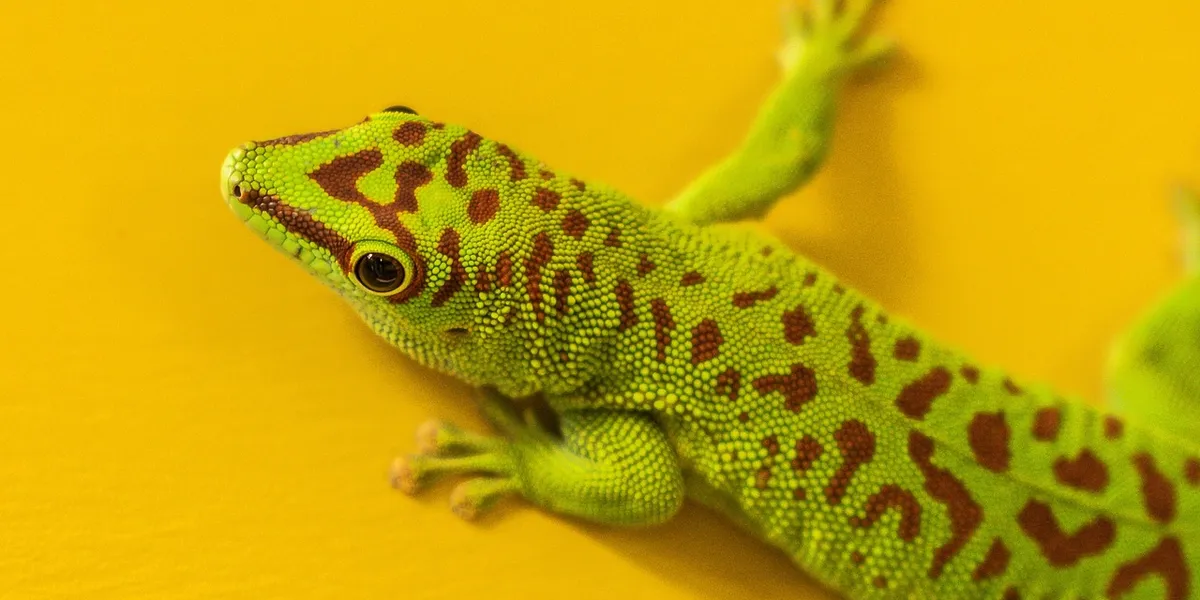
Your gecko can’t tell you it’s feeling overwhelmed, but its body language speaks volumes. Learning to read these subtle cues is your first line of defense in preventing serious health issues. I’ve seen it all in my own colony, from frantic pacing to complete withdrawal.
Common Signs Your Gecko is Stressed
- Excessive Hiding: A gecko that never comes out, even at night for food, is signaling major stress or illness.
- Glass Surfing: Frantically scratching or climbing the tank walls is a classic sign of enclosure dissatisfaction.
- Loss of Appetite: Skipping one meal is normal; refusing food for days is a red flag.
- Aggression or Hissing: While some species are feistier, a sudden change toward defensiveness is a worry.
- Pacing Constantly: Relentless, repetitive walking along the enclosure perimeter indicates unease.
Actionable Tips to Reduce Stress
When I see these behaviors, I act fast. Here’s what works in my enclosures.
- Add More Cover: Double the number of hides. Clutter is your friend. Use fake plants, cork bark, and leaf litter to make your gecko feel secure.
- Check Temperatures: An incorrect temperature gradient is a top stressor. Verify your warm and cool ends with a digital thermometer.
- Minimize Handling: For the first month, keep handling to an absolute minimum. Let your gecko settle in.
- Proper Handling Technique: When you do handle, be slow and confident. Let them walk onto your hand. Never grab from above like a predator.
- Block Sides: If you see glass surfing, tape construction paper to the outside of three tank walls to reduce perceived threats.
A Tale of Two Geckos: Calm vs. Stressed
Take my Crested Gecko, Jeter. His calm, confident behavior is the gold standard. He’ll perch on his highest branch, slowly tracking movement with his eyes, and readily accepts a hand for climbing. This is the behavior of a gecko that feels secure in his territory.
I once had a new gecko that was the opposite. He hid 24/7, jumped at shadows, and refused all food. He was a textbook case of relocation stress. By following the steps above-especially adding visual barriers and leaving him completely alone for a full week-he slowly transformed into a calm, curious pet. Patience and the right setup are everything.
Health Warning Signs: When to Call a Vet
Some issues you can solve at home, but others need a professional. Delaying a vet visit for a reptile can be the difference between a simple treatment and a tragic outcome. Don’t play a guessing game with their life.
Symptoms That Demand a Vet’s Attention
- Prolonged Lethargy: A gecko that is limp, unresponsive, or too weak to hold its head up.
- Rapid Weight Loss: A skinny tail and prominent hip bones are a major alarm bell.
- Stuck Shed: Old skin, especially stuck on toes or the tip of the tail, can constrict blood flow and cause loss.
- Changes in Stool: Runny, bloody, or a complete lack of droppings for over a week.
- Labored Breathing: You may hear clicking sounds or see the gecko straining to breathe with its mouth open.
- Visible Lumps or Sores: Any abnormal growth or wound on the skin needs diagnosis.
Find a Reptile Vet NOW
Do not wait for an emergency to find a vet. Search for an “exotic” or “avian and exotic” veterinarian in your area today and save their number. A regular cat-and-dog vet often lacks the specific knowledge to properly treat reptiles.
A Personal Story: My Scare with Mookie
My Gargoyle Gecko, Mookie, is usually a bundle of energy, leaping between branches. One week, I noticed he was just… still. He wasn’t climbing and seemed disinterested in his food. I wrote it off as a quirky phase.
A few days later, I saw his droppings were completely watery. That was the sign I couldn’t ignore. I called my reptile vet immediately and got him in that afternoon. It turned out he had a parasitic infection that needed specific medication. If I had waited, he could have become severely dehydrated. That experience taught me to trust my gut and act on the first major red flag, not the third.
FAQs
Why is my new gecko refusing to eat?
Incorrect enclosure temperatures or high stress levels from relocation are the most common reasons, so verify your heat setup and limit handling to encourage feeding.
How can I tell if my gecko is stressed?
Look for signs like constant hiding, frantic glass surfing, or a sudden loss of appetite, which often signal that your gecko feels insecure or threatened. These stress signs are often linked to the gecko’s environment. Adjusting factors like enclosure setup, temperature, humidity, and lighting can help reduce them.
What should I do if my gecko has difficulty shedding?
Create a humid hide with damp sphagnum moss and maintain proper enclosure humidity to help your gecko remove stuck skin safely and naturally. This is a simple DIY humid hide you can build at home. It’s a practical addition to your gecko care routine for easier shedding.
Your Gecko’s Journey Starts Now
Remember, the first month is all about keen observation and creating a stable home. Your most powerful tool is your own eyes—watching your gecko’s behavior, appetite, and energy levels tells you almost everything you need to know. Stick to the basics: a proper heat gradient, correct humidity, a simple but nutritious diet, and plenty of secure hiding spots. Most early issues resolve quickly once these fundamentals are correctly dialed in. During that first month, you can expect gradual but steady progress as your gecko settles in. With consistent care, that early period often sets the stage for long-term success.
Owening a gecko is a long-term commitment to a living creature’s wellbeing. Embrace the learning process and never stop seeking out reliable, science-backed information to improve your pet’s quality of life. Your dedication to understanding their unique needs is what will transform you from a nervous new owner into a confident and capable gecko guardian.
Further Reading & Sources
- Care and Feeding of Gecko Hatchlings – Gecko Time
- How to Take Care of a Baby Leopard Gecko: First-Time Owner’s Guide …
- Expert Answers on Baby Leopard Geckos: Care, Feeding, and Common Issues
The Gecko Guide is your ultimate resource for gecko enthusiasts, providing expert advice and practical tips to ensure the health and happiness of your scaly companions. Alexander is a passionate gecko owner with over a decade of experience in reptile care. We are dedicated to offering accurate, up-to-date information to support your gecko journey.Our mission is to foster a community of responsible gecko owners who are passionate about the well-being of these fascinating creatures.
Hatchling & Juvenile Care