
Vertical vs. Horizontal Terrariums: Which is Best for Your Gecko?
Published on: January 17, 2026 | Last Updated: January 17, 2026
Written By: Alexander 'Gecko Geek' Johnson
Choosing the wrong terrarium for your gecko is more than a simple mistake-it can directly impact their health, happiness, and natural behavior. I’ve seen geckos in poorly suited enclosures, and the difference in their activity and demeanor is night and day. It’s a choice that can stress you and your pet.
Don’t worry, I’ll help you cut through the confusion. We’ll break down the science and my own hands-on experience into simple, actionable takeaways.
- Why the shape of your tank matters more than its size for gecko well-being.
- How to match your specific gecko species to its perfect enclosure type.
- Smart, budget-friendly setup tips that work for any home.
By the end of this guide, you will have a crystal-clear path forward. We’re covering: vertical terrarium benefits, horizontal terrarium benefits, species-specific recommendations, and key setup considerations.
The Core Difference: Up vs. Out
A horizontal tank spreads the usable space across the ground. Think of it as a sprawling, single-story ranch home for your pet. Your gecko lives its entire life on this single floor, so every inch of floor space is precious territory for exploring, hunting, and thermoregulating. To create the ultimate environmental enrichment setup for your gecko, design a layered, stimulating habitat with climbing structures, hides, and varied textures. This approach makes every inch of floor space a chance to explore and regulate temperature.
A vertical tank, on the other hand, stacks the usable space. This is the high-rise apartment building of the reptile world, all about climbing and vertical exploration. It’s especially beneficial when you need vertical space for arboreal gecko species. The footprint might be smaller, but the total cubic volume your gecko can use is often much greater, just oriented upwards.
Key Factors That Decide Your Gecko’s Dream Home
Your Gecko’s Natural Lifestyle: The #1 Rule
This is the most critical question: is your gecko a ground-dweller or a tree-dweller? I learned this the hard way with my first gecko, Griffey. Observing your gecko’s natural behavior is the ultimate guide to choosing the right enclosure. For leopard gecko hatchlings, an ideal setup means a secure, escape-proof enclosure with a warm basking area on one side and a cool retreat on the other. And keep it simple and safe: inert substrate, shallow hides, and a regular day-night cycle. Here’s a simple breakdown based on common pet species:
- Choose a Horizontal Terrarium For: Leopard Geckos, African Fat-Tailed Geckos. These are terrestrial. They are clumsy climbers and feel most secure with plenty of ground to patrol. My leopard gecko, Griffey, would constantly try to climb the glass in a tall tank and end up sliding down, looking very unimpressed.
- Choose a Vertical Terrarium For: Crested Geckos, Gargoyle Geckos, Day Geckos. These are arboreal. They are built for vertical life. My crested gecko, Jeter, spends 90% of his time on branches and leaves near the top of his tall tank, only coming down to hunt for food.
Heating, Lighting, and Airflow: The Environmental Engine
The shape of your tank directly shapes its environment. A horizontal tank makes it much easier to create a stable and essential heat gradient from one end to the other. Your gecko can thermoregulate by simply moving a few inches from the warm hide to the cool hide.
In a vertical tank, heat and humidity naturally stratify. The top will always be warmer and drier, while the bottom is cooler and more humid. This is fantastic for species like Crested Geckos that need those microclimates, but it can be a nightmare to manage for a leopard gecko that needs belly heat and a dry substrate.
Airflow is another huge consideration. Tall, screen-topped vertical tanks offer superior ventilation, which is vital for preventing respiratory issues in moisture-sensitive species. A long, low horizontal tank will hold heat and humidity more effectively, which is exactly what some desert species need.
Species-Specific Terrarium Design

Crested and Gargoyle Geckos: Masters of the Vertical World
My Crested Gecko Jeter spends most of his time perched on the highest branch in his tall terrarium. He rarely touches the ground. Gargoyle Geckos like my Mookie are just as vertical-oriented. They leap between surfaces with impressive agility. These species are built for climbing. A vertical setup gives them the height they crave. It mimics their natural tree-dwelling habitats. You will see more natural behaviors in a tall enclosure. They explore, jump, and rest up high. Providing ample vertical space reduces stress and encourages healthy activity levels. For crested gecko hatchlings, an ideal habitat emphasizes secure, easy-to-climb vertical branches and stable humidity in a smaller, manageable enclosure. Providing a gentle gradient of height with slip-resistant perches helps them explore safely as they grow.
- Use tall, branching vines and cork rounds for climbing paths.
- Install ledges and magnetic shelves at different heights.
- Include plenty of foliage near the top for hiding and sleeping.
I once tried a horizontal tank for Jeter. He seemed restless and kept trying to climb the glass. Switching to a vertical terrarium made a huge difference in his confidence and behavior.
Leopard and African Fat-Tailed Geckos: Ground Dwellers Extraordinaire
My Leopard Gecko Griffey loves to patrol his horizontal tank. He explores his hides and basks under his heat lamp. African Fat-Tailed Geckos like A-Rod are similar. They prefer having plenty of floor space to claim as territory. These geckos are not built for climbing tall surfaces. They can injure themselves in a fall. A horizontal terrarium offers the floor area they need. It allows for a proper heat gradient from warm to cool. A wide, low enclosure supports their natural burrowing and hiding instincts perfectly.
- Focus on multiple hides: one on the warm side, one on the cool, and a humid hide.
- Use flat rocks and low-profile decor to create exploration paths.
- Avoid tall, unstable items that could topple over and harm your gecko.
A-Rod rearranges his hides constantly. A horizontal layout gives him the room to express this natural behavior safely.
Giant Day Geckos: The High-Energy Vertical Athletes
My Giant Day Gecko Babe is a speed demon. He zips up and down the glass and branches all day long. These geckos are incredibly active and need height to thrive. A vertical terrarium is non-negotiable for them. It provides space for running, jumping, and basking in elevated spots. Their toe pads are designed for gripping smooth surfaces. You will miss out on their full personality in a short tank. A tall enclosure keeps these energetic athletes healthy and entertained.
- Incorporate broad leaves and bamboo shoots for climbing and resting.
- Ensure there are high basking spots under UVB and heat lamps.
- Use a secure screen top to prevent escapes during their acrobatic displays.
Babe’s chubby tail might suggest he’s slow, but he uses every inch of his vertical home. Watching him is like seeing a tiny, green superhero in action.
Practical Setup and Maintenance Considerations
Decor and Enrichment: Filling the Space
How you fill the terrarium depends entirely on its orientation. For vertical tanks, think upwards. For horizontal ones, spread out. I use a mix of natural and artificial items to keep my geckos engaged. The goal is to create a stimulating environment that mimics the wild. Good decor prevents boredom and promotes natural behaviors like climbing and hiding.
For Vertical Terrariums:
- Magnetic feeding ledges for easy access to food and water.
- Vertical cork bark flats and bamboo segments for climbing.
- Hanging plants and vines to create dense foliage layers.
For Horizontal Terrariums:
- Low, sturdy hides made from resin or coconut shells.
- Flat slate pieces for basking and wearing down nails.
- Shallow water dishes and food bowls placed on the substrate.
I always check that decor is secure. A fallen branch can scare or injure your gecko.
The Cleaning Reality: Ease of Access Matters
Cleaning a tall vertical tank can be a workout. You might need a step stool to reach the bottom. Horizontal enclosures are generally easier to access for spot cleaning and full maintenance. I find that weekly upkeep is quicker with my Leopard Gecko’s horizontal setup than with my Crested’s vertical one. Choosing a terrarium you can comfortably clean ensures you will stick to a consistent hygiene routine.
- For vertical tanks, use long-handled tools like aquarium scrapers and tongs.
- Remove and clean decor regularly to prevent mold and bacteria buildup.
- In horizontal tanks, you can often reach every corner without straining.
I schedule my cleaning around my geckos’ active times. It minimizes stress for them and makes the job smoother for me.
Making the Final Choice: A Simple Guide
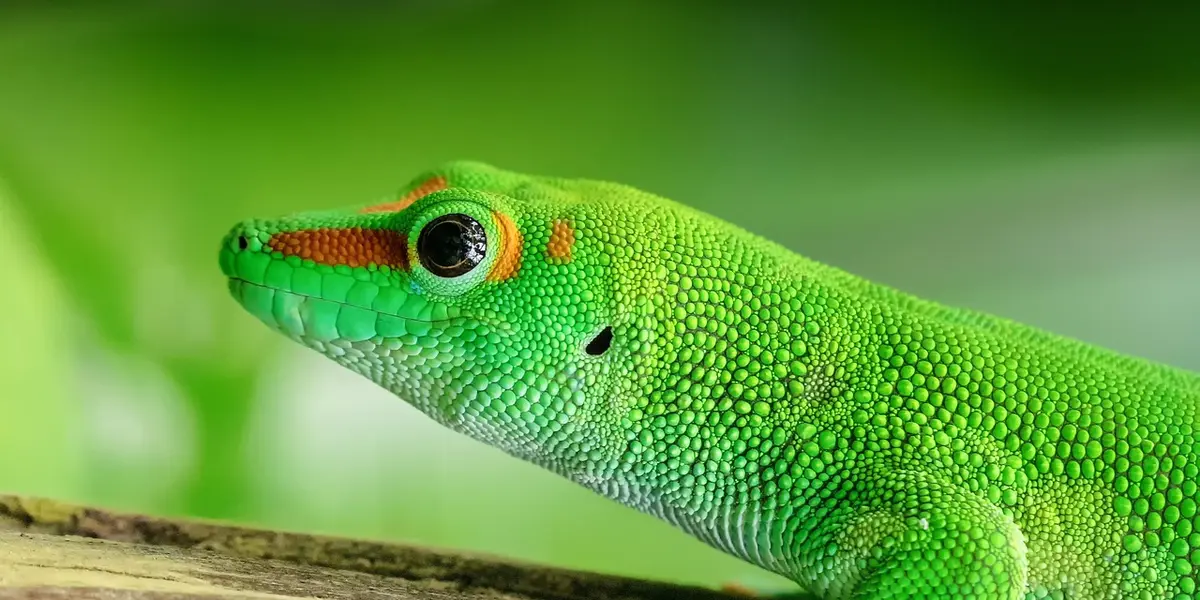
Choosing the right tank can feel overwhelming with all the options. Ultimately, the single most important factor is your gecko’s natural behavior and instincts. I’ve made the wrong choice before, and watching a gecko struggle is a powerful lesson. If you’re wondering which species are most handleable, a gecko temperament guide can help. It compares species based on behavior, not just looks.
Follow this simple decision path to find the perfect fit for your pet.
Start With This One Question
Ask yourself: Is my gecko a ground-dweller or a tree-climber?
- Choose a Horizontal Tank if: Your gecko is a ground-dweller. These species spend most of their time on or near the floor. They are not built for significant climbing.
- Choose a Vertical Tank if: Your gecko is a tree-climber. These species are arboreal, meaning they live in trees and are exceptional climbers who feel safest up high.
The Horizontal Tank Geckos
These are your terrestrial buddies. They need floor space to patrol, hunt, and thermoregulate.
- Leopard Geckos (like my Griffey)
- African Fat-Tailed Geckos (like my A-Rod)
A horizontal tank gives these species the room they need to exhibit their natural foraging and exploring behaviors safely. Too much height can be a falling hazard for them.
The Vertical Tank Geckos
These are your acrobats. They need height to feel secure and display natural behaviors.
- Crested Geckos (like my Jeter, who is always on the highest branch)
- Gargoyle Geckos (like my energetic Mookie)
- Giant Day Geckos (like my bold Babe)
Denying a climbing species a vertical space is like keeping a fish in a puddle; it severely limits their quality of life. They will use every inch of height you provide.
Your Quick-Decision Checklist
- Identify your gecko’s species.
- Research: Is it terrestrial (ground) or arboreal (climbing)?
- Terrestrial = Buy a horizontal tank. Focus on length and width.
- Arboreal = Buy a vertical tank. Focus on height and climbing structures.
- Never prioritize the “look” of a tank over its functionality for your specific pet.
Sticking to this checklist based on biology will ensure your gecko has an environment where it can truly thrive. It’s the most responsible choice you can make as an owner. When you’re choosing a gecko, looking for signs of health first is essential—bright, clear eyes, smooth skin, and alert, steady movement. This mindset ties your purchase to the same biology-based criteria that shape its home, ensuring a healthy start.
FAQs
How do I measure the correct size for a terrarium based on my gecko’s species?
The minimum enclosure size should be based on the gecko’s adult length, with horizontal tanks focusing on floor space and vertical on height, following species-specific guidelines.
What type of lighting is best for vertical terrariums to ensure proper UVB exposure?
For vertical terrariums, use UVB bulbs that can penetrate the height, such as T5 HO fixtures, to provide adequate exposure throughout the enclosure.
Are there any DIY options for creating a vertical or horizontal terrarium?
DIY terrariums can be cost-effective, but ensure they are escape-proof, well-ventilated, and meet the size and orientation needs of your gecko species. If your gecko seems cramped, paces along the glass, or spends most of the day near the enclosure, the gecko terrarium is too small. Keep an eye out for signs like limited basking space or reduced activity and consider upgrading if needed.
The Right Choice for Your Gecko
Your gecko’s species is the single most important factor in choosing its home. For terrestrial species like Leopard and African Fat-Tailed Geckos, a long, horizontal tank provides the crucial floor space they need to thrive. For arboreal climbers like Crested, Gargoyle, and Day Geckos, a tall, vertical terrarium is non-negotiable to satisfy their instinct to climb and explore upwards. To truly support arboreal geckos, many keepers design a multi-level habitat that maximizes vertical space with tiers of shelves and branches. This vertical setup mirrors their natural climbing tendencies and helps conserve floor area in the enclosure.
Committing to a pet means committing to learning and adapting your care as new information emerges. Your gecko relies entirely on you for its health and happiness, so choosing the correct enclosure is one of the most fundamental acts of responsible ownership. Continue to observe your pet, research their specific needs, and provide them with the best life possible. Recognize territorial behavior to prevent aggression and consider keeping geckos single-housed when needed. This approach is often the safest option, especially for males or territorial species.
Further Reading & Sources
- How to Set Up a Day Gecko Terrarium – PetHelpful
- Leopard Gecko Enclosure: How to Set Up The Ideal Tank?
- The Ultimate Guide to Creating a Gecko Terrarium – Talis Us
The Gecko Guide is your ultimate resource for gecko enthusiasts, providing expert advice and practical tips to ensure the health and happiness of your scaly companions. Alexander is a passionate gecko owner with over a decade of experience in reptile care. We are dedicated to offering accurate, up-to-date information to support your gecko journey.Our mission is to foster a community of responsible gecko owners who are passionate about the well-being of these fascinating creatures.
Enclosure Types & Sizing