
What Are the Emergency Care Essentials for a Leopard Gecko?
Published on: January 28, 2026 | Last Updated: January 28, 2026
Written By: Alexander 'Gecko Geek' Johnson
Is your leopard gecko acting sluggish, refusing food, or showing strange behaviors that have you worried sick about their health?
I remember the first time my leopard gecko, Griffey, stopped basking and hid for days-it scared me into learning fast. Based on my hands-on experience and proven care methods, I will walk you through the must-know steps to handle a gecko emergency confidently.
Here are the key takeaways we will cover:
- Spotting the subtle signs that your gecko needs urgent help.
- Performing safe, immediate first aid to stabilize them at home.
- Knowing exactly when it is time to rush to a reptile vet.
You will leave with clear, actionable advice that puts your gecko’s welfare first. Topics covered: identifying emergency symptoms, creating a DIY first aid kit, tackling impaction or stuck shed, vet preparation steps We also cover safe, low-stress handling sick or injured geckos. This helps you move and treat them without causing further distress.
How to Spot a Leopard Gecko Emergency
Signs That Demand Immediate Vet Attention
My gecko, Griffey, once went off his food for a week, and I learned the hard way that some behaviors are serious red flags. Knowing what to watch for can help you act quickly. These are the signs that your gecko needs to see a vet immediately. You need to call an exotic vet immediately if you see any of these symptoms.
- Prolonged Lethargy: If your gecko is consistently limp, unresponsive, or cannot right itself.
- Visible Injury: Obvious wounds, bleeding that won’t stop, or a limp that prevents walking.
- Labored Breathing: You may hear clicking, wheezing, or see its body straining with each breath.
- Prolapsed Tissue: Any pink or red tissue protruding from the vent is a critical emergency.
- Neurological Signs: Constant head tilting, disorientation, or uncontrolled circling.
- Severe Swelling: Any part of the body, especially the jaw or limbs, that becomes suddenly and dramatically swollen.
Minor Issues You Can Monitor at Home
Not every off-day is a crisis. You can often manage these minor issues with careful observation and simple adjustments to their care. I keep a close eye on my crew for these subtle changes.
- One-Day Food Refusal: A healthy gecko can skip a meal. Worry only if it continues for several days.
- Small Shedding Issues: A little stuck shed on the toes can often be resolved with a warm, shallow sauna.
- Single Loose Stool: This can happen. Just ensure their habitat is clean and monitor the next one.
- Brief Hiding: Geckos are naturally reclusive. Constant hiding is a problem, but a day in their favorite cave is normal.
Building Your Leopard Gecko First Aid Kit
Essential Items for Common Emergencies
After a scare with a tiny cut on Mookie’s tail, I assembled a dedicated kit. Having these supplies on hand can make the difference between panic and effective first aid. Keep everything in a clean, labeled box.
- Sterile Saline: For flushing out debris from eyes or minor wounds.
- Betadine (Povidone-Iodine): To dilute for cleaning wounds and preventing infection.
- Styptic Powder or Cornstarch: Crucial for instantly stopping nail or tail-tip bleeding.
- Digital Gram Scale: Weigh your gecko weekly to catch subtle weight loss early.
- Q-Tips and Gauze Pads: For gentle application of cleaners and creating temporary bandages.
- Blunt-Tipped Tweezers: Safely remove stubborn shed from toes.
- Pedialyte: An unflavored version can be diluted to help with rehydration.
- Critical Care Diet: A carnivore-specific powdered food for syringe-feeding sick geckos.
Step-by-Step First Aid for Leopard Geckos
Handling Dehydration and Improper Shedding
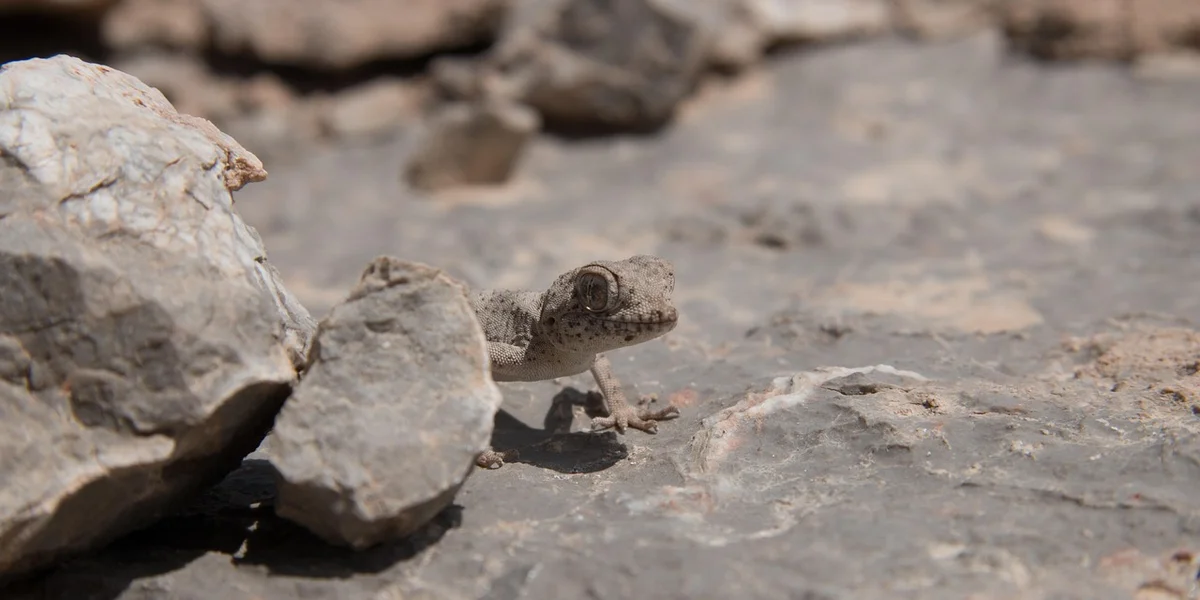
I first noticed my leopard gecko, Griffey, looking a bit wrinkled and dull. His skin wasn’t its usual vibrant self. Dehydration and poor sheds are often a package deal, and they require immediate, gentle action. Understanding shedding problems helps you know when to intervene. This is why I’m sharing practical steps. Here is my step-by-step process.
For a dehydrated gecko, the skin will look loose and may tent (stay pinched) if you gently pull it. Their eyes can appear sunken. These are common signs of dehydration in pet geckos. If you notice them, check your gecko’s hydration level and consult a veterinarian.
- Prepare a shallow sauna. Use a plastic container with a lid. Poke air holes in the lid first.
- Add a half-inch of lukewarm water. I use water that feels warm but not hot on my wrist.
- Place a clean paper towel in the water and set your gecko on it. Put the lid on.
- Let them sit for 15-20 minutes. The steam helps rehydrate their skin and lungs.
For stuck shed, especially on toes and eyes, the sauna softens the skin. After the sauna, you can gently roll the stuck shed off with a damp Q-tip. Never pull! If it doesn’t come off easily, repeat the sauna the next day. Stuck shed on toes can act like a tourniquet and cause loss of the toe.
Managing Wounds and Bleeding
A-Rod, my fat-tailed gecko, once got a small cut from a sharp decoration. I learned that staying calm is the most important first step. Your primary goal is to stop the bleeding and prevent infection. Follow these steps carefully.
- Confine your gecko to a small, clean hospital tank with paper towel substrate. This keeps dirt out of the wound.
- For active bleeding, apply gentle, direct pressure with a clean gauze pad or paper towel for several minutes.
- Once bleeding stops, clean the wound with a saline solution or a dilute chlorhexidine solution (ask your vet for the proper dilution).
- Apply a vet-recommended antibiotic ointment. Do not use human ointments with pain relievers, as they are toxic.
Minor scrapes can often be managed at home with this protocol. Any deep cut, persistent bleeding, or signs of infection (redness, swelling, pus) require an immediate vet visit. Your gecko’s small size means they can’t afford to lose much blood. Common health problems in geckos—such as dehydration, metabolic bone disease, and respiratory infections—are often preventable with proper husbandry. Regular enclosure cleaning, humidity control, and prompt attention to injuries help prevent these issues from developing.
Common Emergency Scenarios and Quick Fixes
What to Do If Your Gecko Escapes or Is Injured
My heart has dropped more than once finding an empty terrarium. Geckos are escape artists. The moment you realize your gecko is missing, secure the room by closing doors and blocking gaps under furniture. They are masters of hiding in warm, dark spaces.
- Check warm spots first: behind the refrigerator, under electronics, near baseboard heaters.
- Place a heat lamp over a hide box in the middle of the room overnight. The warmth can lure them out.
- Put a shallow dish of water out. A thirsty gecko might find it.
- Lay down flour along room perimeters. You might see their tiny footprints.
If you find them and they are injured from a fall or a pet encounter, confine them to their hospital tank and assess for wounds. Even if they look okay, a vet check is wise after a traumatic event like a fall. Internal injuries are not always visible.
Dealing with Illness Signs Like Diarrhea or Lethargy
When Griffey became lethargic and had runny stools, I knew it was a red flag. Diarrhea and lethargy are not diseases themselves; they are symptoms of an underlying problem, often parasites or a bacterial infection.
Your immediate action plan should be:
- Move them to a simple hospital tank with paper towels. This makes it easier to monitor their droppings and keeps them clean.
- Ensure their heat gradient is perfect. A drop in temperature can slow their digestion and immune system.
- Offer fresh water but hold off on food for 24 hours to let their gut rest.
- Collect a fresh fecal sample. Place it in a sealed baggie and refrigerate it. Your vet will need this to test for parasites.
Lethargy lasting more than a day, especially when combined with other symptoms, is a vet-level emergency. Geckos hide illness well, so by the time they show lethargy, the problem is often advanced. Do not wait and see. Prompt action saves lives.
When to Rush to a Reptile Vet
You need to act fast if your leopard gecko shows any of these red flags. Waiting even a few hours can mean the difference between a quick recovery and a tragic outcome. I rushed Griffey to the vet when he became unusually still and lost interest in his favorite hides.
- No appetite for more than five days, especially if paired with weight loss.
- Labored breathing, wheezing, or mucus around the nose and mouth.
- Limping, swollen joints, or an inability to move a limb properly.
- Prolapsed tissue (where internal organs protrude from the vent).
- Severe lethargy where your gecko doesn’t react to gentle touch or movement.
- Visible burns, deep cuts, or bleeding that doesn’t stop with gentle pressure.
Why Delaying Vet Care Risks Your Gecko’s Health
Reptiles hide illness well, so by the time you see symptoms, the problem is often advanced. Delaying professional care allows infections to spread rapidly, leading to sepsis or organ failure. I learned this lesson when Jeter had a minor tail injury that became infected because I tried to treat it myself for too long.
Dehydration can set in quickly and cause irreversible kidney damage. Leopard geckos have a low tolerance for fluid loss, and without vet-administered subcutaneous fluids, they can decline fast. To tell if your gecko is dehydrated, check for sunken eyes, a dry mouth, and skin that tents when gently pinched. If you notice these signs your gecko is dehydrated, contact a veterinarian promptly for guidance. What looks like simple tiredness could be a sign of severe metabolic imbalance.
Vets have access to diagnostics like X-rays and blood tests that home care can’t match. They can pinpoint issues like impaction or parasites that guesswork will miss. Trust me, the cost and effort of a vet visit are nothing compared to the heartbreak of a preventable loss.
Mistakes to Avoid in Leopard Gecko Emergencies
Panic can lead to poor decisions that worsen your gecko’s condition. Staying calm and avoiding these common errors will give your pet the best chance of recovery. These mistakes are among the 10 most common preventable gecko health mistakes, so recognizing them matters. I’ve made a few of these myself, like over-handling Babe when she was stressed. Staying mindful of them now helps you act quickly and effectively.
- Using extreme temperatures-too hot or too cold-in an attempt to “stabilize” them.
- Handling them excessively, which increases stress and can cause further injury.
- Attempting to force-feed or water without proper technique or vet guidance.
- Ignoring quarantine protocols, risking the spread of illness to other pets.
- Delaying a vet visit because symptoms seem “mild” or intermittent.
Home Remedies That Can Harm Your Gecko
Well-intentioned home treatments can backfire badly. What works for humans or other pets is often toxic or dangerous for leopard geckos. I once thought a warm bath would help Mookie with shedding, but it stressed him out and made things worse.
- Human medications like pain relievers or antibiotics-these are dosed for much larger bodies and can be lethal.
- Rubbing alcohol or hydrogen peroxide on wounds, which damages delicate reptile skin and can be absorbed into the bloodstream.
- Over-the-counter ointments not formulated for reptiles, leading to poisoning or allergic reactions.
- Feeding inappropriate “recovery” foods like fruit or dog food, which disrupt their insect-based diet.
- Using heat rocks or direct heat sources that cause thermal burns-stick to under-tank heaters instead.
FAQs
How can I prevent common emergencies in my leopard gecko?
Regularly maintain their habitat with proper heating, humidity, and a varied insect diet to minimize risks like impaction or dehydration.
What should I do if my leopard gecko stops eating for an extended period?
Consult a reptile vet promptly to rule out underlying issues like parasites or metabolic bone disease, as prolonged inappetence can lead to severe weight loss. If you notice sudden weight loss in your gecko, add it to your diagnostic checklist and seek urgent advice. Keep notes on appetite changes, stool, and behavior to share with the vet.
How do I safely transport my leopard gecko to the vet in an emergency?
Place them in a small, ventilated container with soft padding and maintain a warm, stable temperature during transit to reduce stress and prevent injury.
Your Gecko’s Lifeline
When an emergency strikes, your quick action is your gecko’s best chance. Always have the number for an exotic vet saved in your phone and a basic first-aid kit ready. Focus on keeping your gecko warm, hydrated, and stress-free while you seek professional help, as these are the pillars of stabilizing their condition. Additionally, having an emergency evacuation kit and plan for your gecko can make all the difference.
Being a great gecko owner means being prepared before a crisis ever happens. Commit to learning more about their normal behavior and health needs, because your informed vigilance is their strongest shield. A safe habitat, a proper diet, and your watchful eye are the best emergency prevention you can provide. Preventing common gecko illnesses starts with a proper habitat. Maintain the right temperature, humidity, substrate, and hiding spots to keep your gecko healthy.
Further Reading & Sources
- Reptile Emergency & Critical Care Summary Page – LafeberVet
- Leopard Gecko Care Sheet | PetMD
- Leopard Gecko Care Guide | Long Island Birds & Exotic Veterinary Clinic
The Gecko Guide is your ultimate resource for gecko enthusiasts, providing expert advice and practical tips to ensure the health and happiness of your scaly companions. Alexander is a passionate gecko owner with over a decade of experience in reptile care. We are dedicated to offering accurate, up-to-date information to support your gecko journey.Our mission is to foster a community of responsible gecko owners who are passionate about the well-being of these fascinating creatures.
Gecko Health