
Why Is My Leopard Gecko Not Moving? (Common Causes)
Published on: January 9, 2026 | Last Updated: January 9, 2026
Written By: Alexander 'Gecko Geek' Johnson
Seeing your leopard gecko completely still can send a jolt of panic right through you. I’ve been there, staring into the tank at my own gecko, Griffey, and feeling my heart race when he wasn’t his usual curious self.
I’m here to help you figure it out. We’ll walk through the common reasons, from simple fixes to more serious concerns, so you can understand what’s happening and take the right next steps. Here are the key points we’ll cover:
- Distinguishing between normal rest and potential distress.
- The top environmental factors that cause inactivity.
- Actionable steps you can take to help your pet.
By the end of this guide, you’ll have a clear plan. We will explore: Temperature Issues, Shedding Difficulties, Impaction, Brumation, and General Illness.
Understanding Normal Leopard Gecko Behavior
Before you panic, let’s figure out what “normal” even looks like for these spotted friends. My gecko, Griffey, taught me that their activity patterns are very different from ours.
Leopard geckos are crepuscular activity patterns. This means they are most active during dawn and dusk. You will rarely see them running around in the middle of the day under a bright light. That’s their designated nap time. When we consider gecko activity patterns in terms of nocturnal vs. diurnal, leopard geckos are best described as crepuscular—not strictly nocturnal or diurnal. Understanding this helps explain why they’re active at twilight and rest during the day.
A healthy, content leopard gecko will display several predictable behaviors.
- Evening Exploration: They become lively when the sun goes down, often leaving their hide to explore, hunt, and climb.
- Basking Periods: You might catch them lounging under their heat source to aid digestion.
- Alert Posture: When active, they hold their body off the ground and move with purpose.
- Regular Shedding: They eat their shed skin, so don’t be alarmed if you never find it.
Sleeping or resting motionless for many daylight hours is perfectly standard. The concern starts when this lethargy continues into their normal active periods.
Temperature Troubles: Heat and Cold Impact
This is, without a doubt, the number one reason I see for a still leopard gecko. They are ectotherms, relying entirely on their environment to regulate their body temperature.
An incorrect temperature gradient will shut them down faster than anything else.
If your gecko is too cold, their metabolism slows to a crawl, making them sluggish and unable to digest food. This is a serious health risk.
Your tank must have a clear temperature gradient:
- Warm Side: 88-92°F (31-33°C). This is for digestion and basking.
- Cool Side: 70-77°F (21-25°C). This is for resting and cooling off.
Never guess your temperatures. You must use a reliable digital thermometer or a temperature gun. The stick-on analog gauges are notoriously inaccurate. I learned this the hard way with one of my first geckos.
But it’s not just about being too cold. Excessive heat is just as dangerous.
A gecko that is too hot will also become lethargic and try to escape the heat, often pressing against the cool glass of the tank. They can suffer from fatal heat stroke.
Your heat source, like an under-tank heater, should always be connected to a thermostat. This device is non-negotiable for safety, as it prevents the heat mat from overheating and cooking your pet.
Humidity and Hydration: Moisture Matters
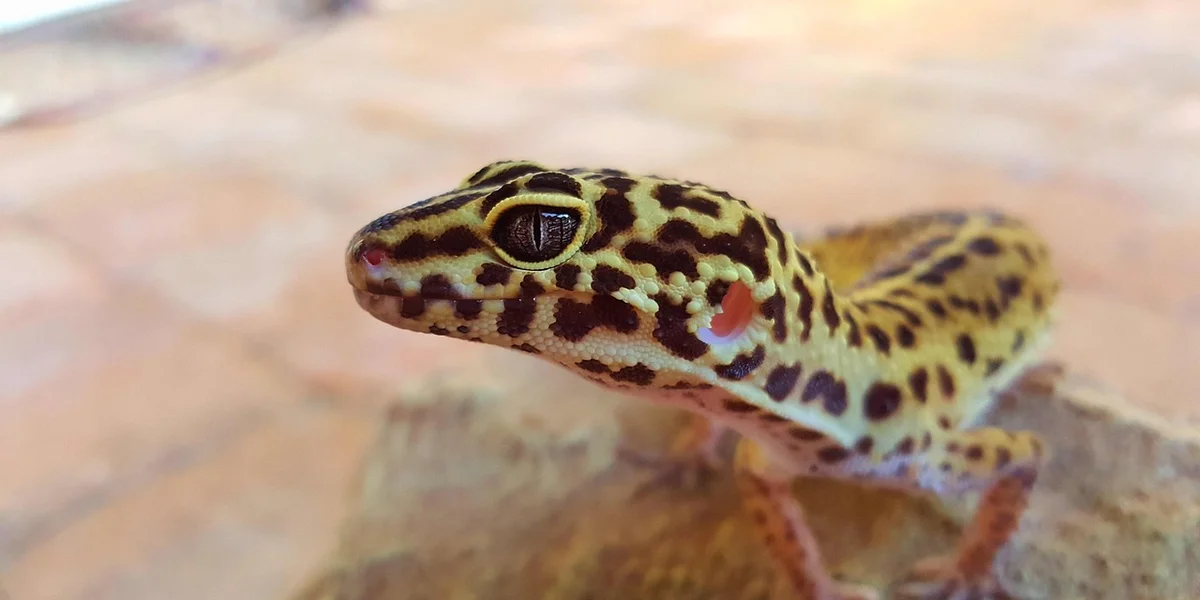
Leopard geckos come from arid regions, but that doesn’t mean they can thrive in a bone-dry tank. Proper humidity is a non-negotiable part of their care that directly impacts their energy levels and overall health. Maintaining the right humidity levels is crucial for these reptiles. If the air is too dry, your gecko can become dehydrated, leading to lethargy and a complete lack of movement.
My leopard gecko, Griffey, once became unusually still and refused his food. I discovered his humidity had plummeted below 20%, causing him significant stress and making it hard for him to breathe comfortably. A quick misting of his moist hide and a check with a digital hygrometer brought his levels back to the ideal 30-40% range, and he was back to his curious, posing self within hours.
Here is how you can prevent dehydration and low humidity from slowing your gecko down:
- Use a digital hygrometer to monitor humidity levels daily; analog gauges are often inaccurate.
- Provide a humid hide filled with damp sphagnum moss or paper towels-this is essential for proper shedding.
- Lightly mist the enclosure, focusing on the humid hide, if the air becomes too dry.
- Always ensure a shallow water dish is available with fresh, clean water.
Health Issues: Common Illnesses and Infections
When a gecko stops moving, it’s often their only way of telling you they don’t feel well. Lethargy is a major red flag for several underlying health problems that require immediate attention. I’ve learned from my own pets that catching these issues early can make all the difference in their recovery. Are early warning signs of illness in geckos something you should look for? Being aware of subtle changes—like reduced appetite, hiding more than usual, or unusual breathing—can help you seek care before conditions worsen.
Respiratory Infections (URI) and Mouth Rot
Imagine trying to be active when you can barely breathe—that’s what a respiratory infection feels like for your gecko. Upper Respiratory Infections (URIs) and the related mouth rot (infectious stomatitis) are painful conditions often caused by incorrect temperature or humidity. Symptoms include wheezing, bubbles around the nose or mouth, and a visible lack of energy. Learn more about gecko breathing problems and respiratory issues.
I once noticed my crested gecko, Jeter, was less active and had a slight gap in his mouth. It turned out to be the early stages of mouth rot, which we caught just in time with a vet visit and a course of antibiotics. Regular checks of dental health help catch issues early, such as gaps, swelling, or discharge. Early detection is key to preventing mouth rot from worsening. To prevent this, keep their home clean and maintain stable, proper environmental conditions.
Parasites and Internal Problems
Unwelcome guests inside your gecko can sap all their strength. Internal parasites like pinworms or protozoa can cause severe weight loss, diarrhea, and a dramatic drop in activity. These critters are stealthy, and your gecko can’t tell you their stomach hurts.
A routine fecal exam from your exotic vet is the best way to diagnose parasites. If your gecko is lethargic and has loose stools, don’t wait-get a vet to check a fresh sample. Treatment is usually straightforward with prescribed medication, and your gecko will thank you for the relief.
Metabolic Bone Disease and Calcium Deficiency
This is a heartbreaking but entirely preventable condition. Metabolic Bone Disease (MBD) weakens a gecko’s skeleton, making movement painful and sometimes impossible. It’s caused by a lack of calcium, vitamin D3, or improper UVB lighting, leading to rubbery jaws, tremors, and legs that can’t support their body weight.
I am religious about dusting all of Griffey’s insects with a high-quality calcium powder containing D3. Providing a balanced diet with proper supplementation is the single most effective way to shield your gecko from this debilitating disease. If you suspect MBD, a vet can provide calcium injections and a revised care plan to help strengthen their bones.
Stress and Environmental Factors
Your leopard gecko’s environment is their entire world. When something is off in their tiny universe, it can cause enough stress to make them shut down and stop moving. I’ve seen my own gecko, Griffey, go from energetic explorer to a still statue simply because his thermostat was a few degrees off. It’s their most basic way of telling you something is wrong. If your gecko isn’t moving and stays still, that can be an emergency sign. Check the enclosure temperature, hydration, and look for other illness signs, then contact a reptile vet promptly.
Key Stressors to Check Immediately
- Incorrect Temperatures: Leopard geckos cannot regulate their own body temperature. A cold gecko is a sluggish, inactive gecko. Your warm hide should be between 88-92°F, and the cool end around 70-77°F.
- Wrong Lighting: They do not need bright, white lights, especially at night. This disrupts their cycle. Using a colored “night” bulb is a common mistake; they can still see the light, and it stresses them out. Use a ceramic heat emitter or deep heat projector for 24/7 heat without light.
- Lack of Hides: These are prey animals. Without at least two secure, snug hides (one on the warm side, one on the cool side), they feel exposed and vulnerable.
- Excessive Noise/Vibrations: Is their tank near a loud speaker, TV, or a frequently slammed door? Constant vibrations from household activity can be incredibly stressful.
- Over-handling: While gentle, brief handling is okay, too much can overwhelm them. Give new geckos at least two weeks to settle in with no handling at all.
Digestive Problems: Impaction and Constipation
This is a serious and unfortunately common issue that can completely halt your gecko in their tracks. Impaction occurs when a blockage forms in their digestive tract, and it’s a medical emergency. My friend’s gecko once became impacted from ingested sand, and the swift action of a warm bath and a vet visit is what saved him. To understand treating impaction in geckos more fully, you can consult a depth guide on gecko care. It covers prevention, signs to watch for, and when to seek veterinary help.
Signs of Impaction
- A firm, swollen belly, especially near the vent.
- No bowel movements for over a week.
- Loss of appetite paired with lethargy.
- Dragging their back legs or an unusual gait.
Common Causes and Prevention
- Loose Substrate: I strongly advise against using sand, calcium sand, or loose walnut shells. Paper towel, slate tile, or a non-adhesive shelf liner are the safest choices and have never failed me or my geckos.
- Low Tank Temperature: Without proper belly heat to digest food, meals can just sit and rot in their gut. Double-check those temperatures!
- Feeding Large Prey: Insects should never be wider than the space between your gecko’s eyes. Large mealworms or giant crickets are a recipe for trouble.
- Dehydration: A dehydrated gecko cannot pass stool effectively. Always provide a shallow water dish and consider a humid hide to aid with shedding and hydration.
Brumation: Seasonal Slowdown
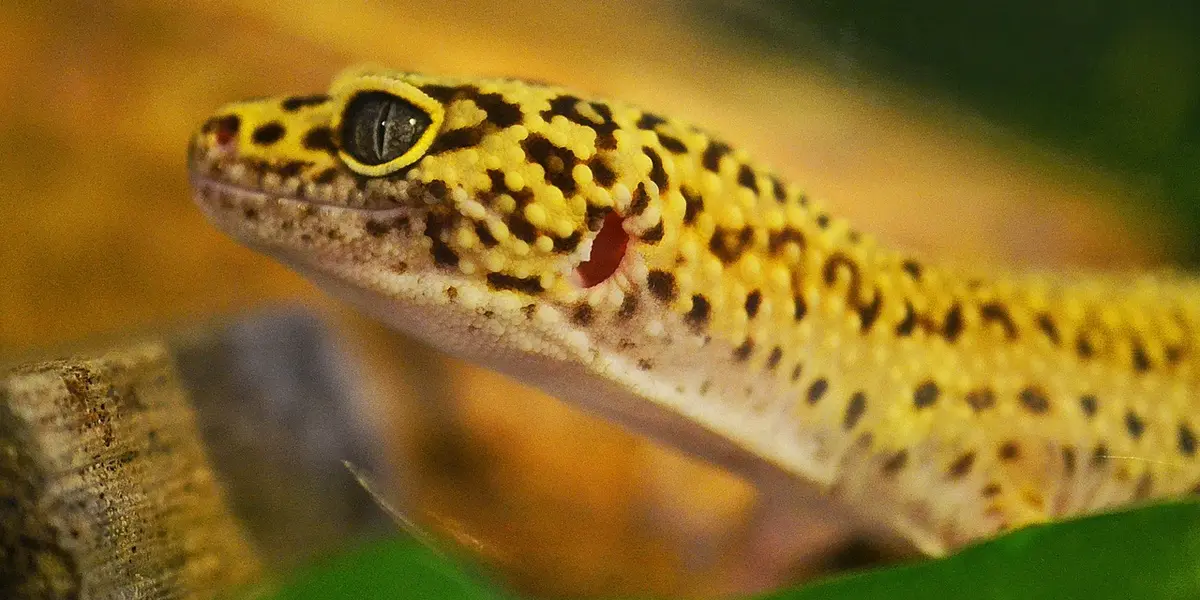
If your home gets a bit cooler and the days get shorter, your leopard gecko might just be responding to nature’s call for a long nap. This period of reduced activity is called brumation, and it’s a perfectly normal, instinctive behavior for many reptiles. My high-yellow leopard gecko, Griffey, usually becomes less of an explorer and more of a couch potato for a few weeks each winter.
It’s not true hibernation, but during brumation, their metabolism slows way down. You’ll notice they:
- Sleep for much longer periods.
- Show little to no interest in food.
- Spend almost all their time in their favorite hide.
- Move very little, and when they do, it’s slow and deliberate.
You can support them through this natural cycle. Ensure they have fresh water available at all times. You can still offer food once a week, but don’t be alarmed if they refuse it. The key is to monitor their weight; a slight dip is okay, but a dramatic drop is a red flag. Just let them rest-they know what they’re doing.
When to Seek Veterinary Care
While brumation is normal, some signs of lethargy are a clear signal that your gecko needs professional help. Trust your gut; you know your pet’s normal behavior better than anyone.
You should contact an exotic vet immediately if you notice any of the following symptoms alongside the lack of movement:
- Significant, rapid weight loss or a visibly sunken belly.
- Stuck shed, especially on the toes or around the eyes.
- Labored breathing, wheezing, or mucus around the nose or mouth.
- Limpness or an inability to support their own body.
- Visible injuries, swelling, or bleeding.
- Prolonged lack of appetite lasting more than 10 days outside of a suspected brumation period.
- Signs of impaction, like a swollen stomach and an inability to pass waste.
I learned this lesson with my first gecko. I assumed he was just being lazy, but his stillness was actually a sign of a respiratory infection. Acting quickly can make all the difference for their recovery, so never hesitate to make that call. Your vigilance is their best defense. When you must handle a sick gecko, do so gently with clean hands or gloves, supporting the body and avoiding squeezing. Minimize handling and keep him in a quiet, warm enclosure while you seek veterinary care.
FAQs
Is it normal for a leopard gecko to not eat for several days?
It can be normal during brumation, but if accompanied by other symptoms like weight loss or lethargy during active hours, it may indicate a health issue.
What should I check first if my leopard gecko isn’t moving?
First, check the temperature and humidity levels in the enclosure, as these are the most common causes of inactivity.
How can I prevent my leopard gecko from becoming impacted?
Avoid loose substrates like sand, ensure proper temperatures for digestion, and feed appropriately sized prey to prevent impaction.
Final Thoughts
When your leopard gecko is unusually still, your first steps are to check their habitat’s temperature gradient and look for obvious signs of injury or stress. Most often, the culprit is an incorrect tank temperature, but lethargy can also signal brumation, shedding, or a more serious health issue that needs a vet’s attention. Always rule out the simple, environmental causes before assuming the worst.
Being a great gecko owner means staying observant and committed to learning. Your little reptile depends entirely on you for its well-being, so never stop researching and refining their care. Understanding their subtle behaviors is the key to a long, happy life for your scaly friend.
Further Reading & Sources
- Why Is My Leopard Gecko Lethargic? Expert Answers & Solutions
- Why Is My Leopard Gecko Lethargic | TikTok
- Why Is My Leopard Gecko Lethargic And What Can I Do? – Berry Patch Farms
The Gecko Guide is your ultimate resource for gecko enthusiasts, providing expert advice and practical tips to ensure the health and happiness of your scaly companions. Alexander is a passionate gecko owner with over a decade of experience in reptile care. We are dedicated to offering accurate, up-to-date information to support your gecko journey.Our mission is to foster a community of responsible gecko owners who are passionate about the well-being of these fascinating creatures.
Common Health Issues