
Why Is My Gecko Biting Me? Understanding & Preventing Aggression
Published on: May 7, 2026 | Last Updated: May 7, 2026
Written By: Alexander 'Gecko Geek' Johnson
That sudden, surprising bite from your gecko can feel like a personal rejection, leaving you worried and confused. I’ve been there, feeling a tiny pinch from a normally calm pet and wondering what I did wrong. Let’s figure this out together.
I will help you understand the real reasons behind this behavior and give you a clear path to a better relationship with your pet. We will cover:
- The common triggers that make a gecko feel defensive.
- How to correctly interpret their unique body language.
- Practical, step-by-step methods to rebuild trust and stop the biting.
You will get straightforward advice you can use right away. The full article covers: causes of aggression, body language signs, handling techniques, tank setup fixes, taming methods, and when to consult a vet.
Understanding Gecko Aggression: Root Causes
Your gecko isn’t trying to be mean. Their aggression is a form of communication, and it’s our job to translate it. Biting is almost always a last resort, a clear signal that your pet feels threatened, scared, or unwell. I’ve learned this through years of caring for my own crew, each with their own unique personality.
- Stress: This is the number one culprit. A stressed gecko is a defensive gecko.
- Territorial Instincts: Even in a tank, a gecko’s home is their castle. This is especially true for my African Fat-Tailed gecko, A-Rod, who will actively patrol and defend his space.
- Handling Mistakes: Sudden movements or approaching from above can trigger a prey response.
- Illness or Pain: A gecko that feels sick will often lash out. Any new, persistent aggression warrants a vet visit.
Environmental factors play a massive role. Incorrect temperature gradients leave them uncomfortable and irritable. Poor lighting cycles disrupt their natural rhythms, while a barren enclosure with few hides offers zero sense of security. I once had a setup that was slightly off, and my normally calm gecko became a completely different animal until I fixed it.
Stress and Anxiety Triggers
Think of your gecko’s world through their senses. What seems normal to us can be overwhelming for them.
- Loud noises from TVs or slamming doors send vibrations through the tank.
- Improper humidity levels make it difficult to shed, causing physical stress.
- A lack of adequate hides means they have nowhere to feel safe and hidden.
- Constant traffic or people tapping on the glass is incredibly disruptive.
You’ll see this stress manifest in their body language long before a bite. Look for rapid tail whipping (a clear back-off signal), hissing, or trying to make themselves look bigger by puffing up. My gecko Griffey used to whip his tail when his old tank was in a too-busy part of the house.
Territorial Behavior in Captive Geckos
Never house multiple geckos together. They are solitary creatures and cohabitation causes chronic stress and fighting. My gecko A-Rod is a prime example of a territorial male; he will literally rearrange his décor to his liking and stand guard. He sees his entire enclosure as his domain to protect (Why managing aggression in single-housed geckos is important).
You can satisfy these instincts in a positive way. Provide plenty of visual barriers and multiple hides so they can establish different “zones” within their territory. Adding clutter like fake plants and cork rounds gives them a more complex and enriching environment to claim as their own, which actually reduces defensive behaviors.
Reading Gecko Body Language: Signs of Impending Bites
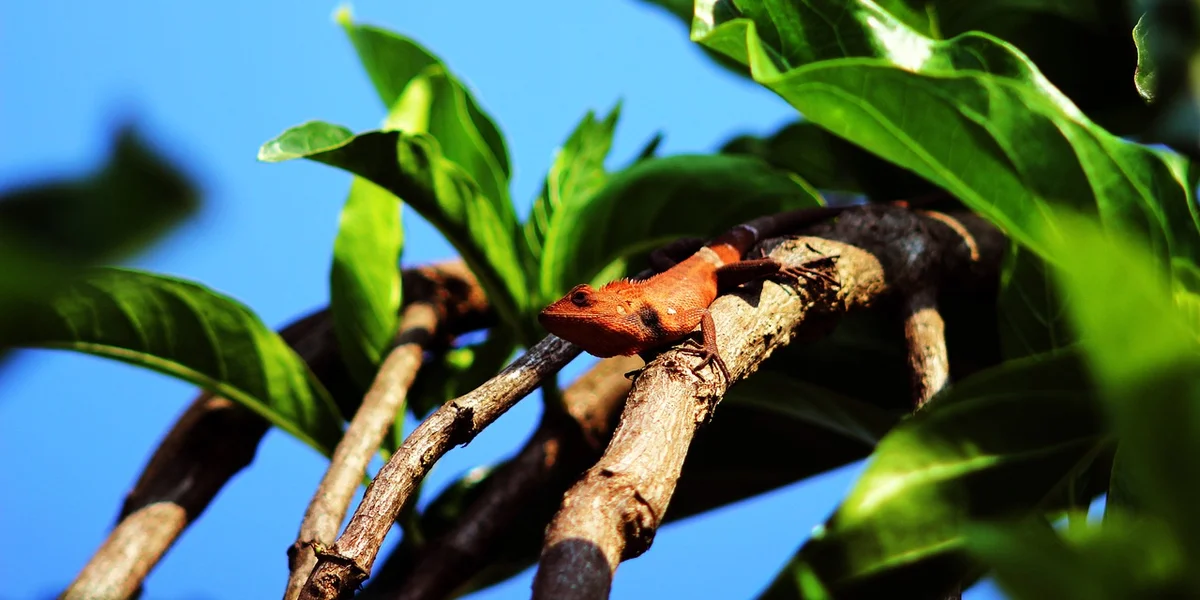
Learning to speak “gecko” is your best defense against a nip. Their communication is subtle but very clear once you know what to look for. Observing my geckos like the calm Jeter and the playful Mookie has taught me that every little twitch and posture has a meaning.
| Behavior | What It Means | What To Do |
|---|---|---|
| Slow, deliberate tail waving | Focused curiosity or mild agitation. | Move slowly and gauge other signals. |
| Fast, whip-like tail movement | A serious warning. Back off now. | Stop all interaction immediately. |
| Hissing or chirping sounds | They feel threatened and are telling you to stay away. | Give them space and do not attempt to handle. |
| Puffing up their body | An attempt to look bigger and more intimidating to a perceived predator. | This is a high-alert signal. Re-evaluate your approach. |
| Crouching low with a wide stance | They are getting ready to lunge or make a quick escape. | Freeze and allow them to calm down. |
| Freezing completely | They are hoping you don’t see them. This is a fear response. | This is not a good time for handling. Try again later. |
My crested gecko Jeter, for instance, will freeze and slowly turn his head away when he’s had enough handling-his polite way of saying “I’m done.” On the other hand, my gargoyle gecko Mookie will do a quick, jerky movement before a big leap, which could easily be mistaken for aggression if you weren’t expecting a jump. Context is everything, and knowing your individual gecko’s personality is the ultimate key to a bite-free relationship.
Enclosure Setup to Reduce Bite Risk
A stressed gecko is a gecko more likely to bite. Your first line of defense against aggression is crafting a habitat that makes your pet feel utterly secure. Think of it as their personal fortress of solitude. With calm stressed gecko techniques and simple environmental fixes—like stable temps, hiding spots, and appropriate humidity—you can help keep your pet calm. These adjustments are effective and easy to implement.
Creating the Perfect Environment
Getting the basics right eliminates a huge source of underlying stress. Follow these steps for a serene home.
- Temperature Gradients: Provide a warm basking area (specific to your species) that smoothly transitions to a cooler zone. This allows your gecko to self-regulate its body temperature, which is fundamental to its wellbeing.
- Humidity Control: Incorrect humidity can cause difficult sheds and respiratory distress. Use a digital hygrometer and mist or use a fogger as needed to maintain species-appropriate levels.
- UVB Lighting: While not strictly mandatory for all species, providing low-level UVB has been shown to improve overall health, activity, and coloration. It helps their bodies process calcium properly.
Essential Hides and Enrichment Items
Furniture is not just decoration; it’s functional psychology for your gecko.
- Multiple Hides: You need at least three: one on the warm end, one on the cool end, and a humid hide in the middle for shedding. This prevents your gecko from having to choose between safety and comfort.
- Branches and Climbing Structures: Even terrestrial geckos appreciate some vertical space. For climbers like my crested gecko Jeter, it’s non-negotiable.
- Foliage and Coverage: Use fake or safe live plants to create visual barriers. A gecko that can move across its tank without feeling exposed is a calm gecko.
Proper placement of these items is critical to prevent territorial aggression, especially in species like my African Fat-Tailed, A-Rod. He would get grumpy if his favorite hide was facing the “wrong” way. I learned to arrange his décor so he could see the main entrance of the tank from his prime spot, making him feel in control.
My Giant Day Gecko, Babe, taught me the value of a well-placed basking branch. He went from skittish to proudly lounging in the open once he had a perfect, warm perch that let him survey his kingdom safely.
Safe Handling Techniques to Prevent Bites
Handling a gecko is a dance of trust, not a wrestling match. Moving with slow, predictable confidence signals to your gecko that you are not a predator. This approach is a practical entry point in understanding gecko behavior and temperament, as discussed in our complete guide.
- Approach Slowly and from the Front: Never swoop in from above like a bird of prey. Let them see your hand coming from their line of sight.
- Gently Scoop from Below: Place your hand flat in the enclosure and slowly slide it under their belly. Let them walk onto you if possible.
- Fully Support Their Body and Tail: Keep all four feet and the tail base supported. A dangling gecko is a panicked gecko.
- Move Like Molasses: Avoid any jerky or sudden movements. Keep your handling session low to a soft surface like a bed or couch in case of a fall.
- Know Your Species: My leopard gecko, Griffey, is sturdy and tolerates gentle handling well. My crested gecko, Jeter, is more fragile and prefers to be handled while climbing on my hands rather than being held tightly.
Gentle Handling for Beginners
Start with these fundamental do’s and don’ts to build a positive relationship.
- DO wash your hands before and after. You don’t smell like food, and you protect them from germs.
- DO use calm, quiet gestures. Loud noises and fast hands will trigger a flight-or-fight response.
- DO limit initial handling time to just 5-10 minutes a day to prevent overwhelming them.
- DON’T grab them by the tail. Many species can drop their tails as a defense mechanism.
- DON’T handle them if they are sleeping, shedding, or have just eaten. This is a guaranteed way to annoy them.
My Gargoyle gecko Mookie was a whirlwind of energy as a juvenile, leaping at the slightest provocation. I built his confidence by handling him in a small, empty tub where he couldn’t jump far and hurt himself. After a few weeks of these short, secure sessions, he calmed down significantly and now happily climbs from hand to hand.
What to Do If Your Gecko Bites You
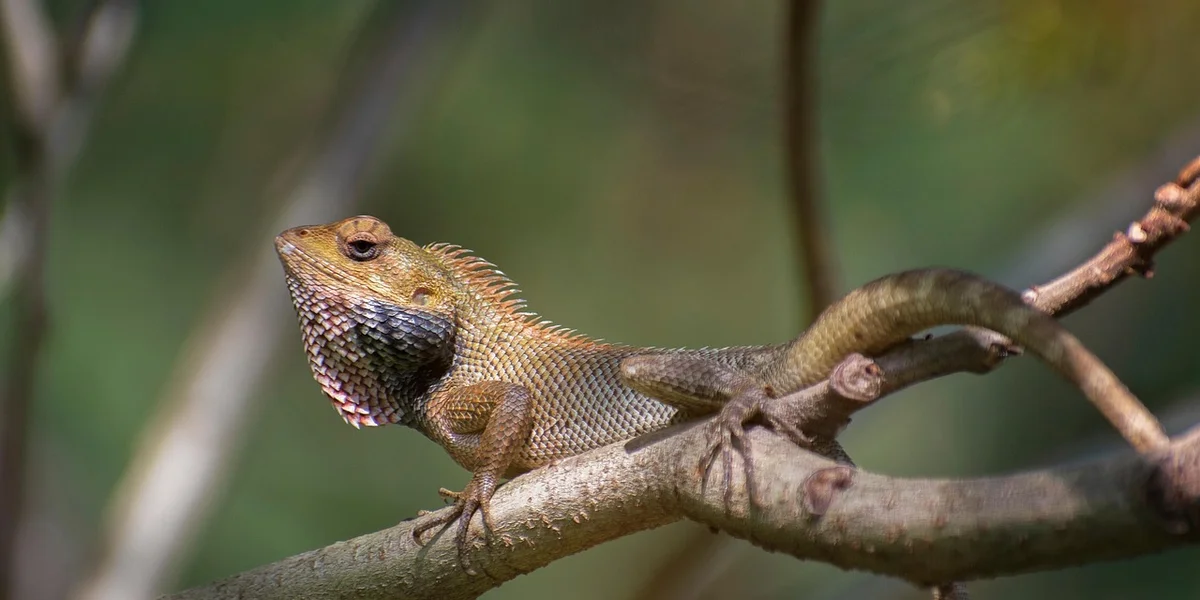
Getting bitten can be startling, but staying calm is your first and most important step. Your reaction in the first few seconds sets the tone for the entire experience.
First Aid Steps
Follow these simple steps immediately after a bite.
- Gently encourage your gecko to let go. Do not pull! A slight wiggle or placing a drop of water on its snout often works.
- Wash the wound thoroughly with warm water and soap for at least 30 seconds.
- Apply a generous amount of an over-the-counter antiseptic like Neosporin.
- Cover the bite with a clean bandage.
- Monitor the area for several days for any signs of redness, swelling, or pus.
When to Seek Medical Attention
Most gecko bites are minor. You should see a doctor if the bite is deep, won’t stop bleeding, or shows signs of infection.
- The bite is deep and might need stitches.
- Significant swelling or redness develops around the wound.
- You see pus or other discharge.
- You develop a fever or feel generally unwell.
Remember, any animal bite can introduce bacteria. It’s always better to be safe and get it checked.
A Personal Bite Story
My Crested Gecko, Jeter, is the calmest guy you’ll ever meet. But one feeding night, my finger moved too fast and he latched on. It was more surprising than painful, like a firm pinch. I learned that even the most docile gecko can bite if startled during feeding time. I washed my hands, he went back to his branch, and we were both fine. It happens to the best of us.
Health Issues That Cause Aggression
A sudden change in your gecko’s behavior is often its only way of telling you something is wrong. Aggression is rarely a personality trait; it’s usually a symptom. Understanding normal vs abnormal gecko behaviors when concerned helps you tell when something is off. If changes persist or are accompanied by other signs (refusing food, hiding, lethargy), consult a reptile veterinarian promptly.
Common Health Problems Linked to Aggression
- Parasites: Internal parasites cause immense discomfort and can make your gecko irritable and defensive.
- Metabolic Bone Disease (MBD): This painful condition weakens their bones. Being handled can be excruciating, causing them to lash out.
- Injuries: A hidden injury, like a sprain or fracture, will cause pain when touched. Your handling might be aggravating a wound you can’t see.
- Respiratory Infections: A sick gecko feels vulnerable and stressed, leading to defensive behavior.
What to Observe and When to See a Vet
Watch for these subtle signs alongside the aggression. Any combination of these symptoms warrants a trip to an exotic vet.
- Lethargy or hiding more than usual.
- Loss of appetite or weight loss.
- Swollen joints or a soft, rubbery jaw (signs of MBD).
- Runny stools or undigested food in their droppings.
- Abnormal shedding or stuck shed on their toes.
Linking to Overall Care
Preventing these health issues comes down to consistent, quality care. Proper hydration is a cornerstone of good health that is often overlooked. A dehydrated gecko is a stressed gecko. Geckos do drink water, and regular hydration is essential for their health. Ensure a clean water bowl is always available and consider lightly misting the tank to help with humidity. A well-fed gecko on a balanced diet of gut-loaded insects with proper calcium supplementation is a happy, healthy gecko less likely to act out. Their environment is their whole world-keep it clean, warm, and secure.
FAQs
What protective equipment helps prevent gecko bites?
Wearing lightweight gloves when handling an unfamiliar or stressed gecko can provide a physical barrier to reduce bite risk. Using essential gear for safe gecko handling and transport helps protect both the handler and the animal. For example, a secure carrier and a soft towel can make moving geckos safer and less stressful.
What routine hygiene practices help prevent gecko bites?
Washing your hands thoroughly before and after handling removes food scents and germs, minimizing the chance of startling or agitating the gecko. This is part of proper hand-washing hygiene for gecko handling. Use soap and running water, scrub for at least 20 seconds, rinse well, and dry your hands completely before and after handling the gecko.
Do gecko bites occur more in wild or captive settings and why?
Gecko bites are more frequent in captive settings due to regular human interaction and potential stress from improper care, while wild geckos generally avoid contact with people.
Final Words
Remember, a gecko’s aggression is almost always a cry for help, not a sign of a “bad” pet. By focusing on a stress-free habitat, gentle handling, and understanding their unique body language, you can transform your relationship from tense to trusting. When aggression appears, use a step-by-step behavioral checklist for diagnosing gecko aggression to identify triggers and patterns. This approach helps you observe, document, and address underlying needs.
Being a great gecko keeper means committing to lifelong learning about their needs and respecting them as the incredible little individuals they are. The journey to a bite-free bond is one of the most rewarding parts of sharing your home with these amazing creatures.
Further Reading & Sources
- Crested Gecko Bites: Reasons and Responding to a Bite
- Do geckos bite? Preventing geckos from being aggressive
- How to Handle Leopard Gecko Bites? – Prevention and Care – Leopard Gecko
The Gecko Guide is your ultimate resource for gecko enthusiasts, providing expert advice and practical tips to ensure the health and happiness of your scaly companions. Alexander is a passionate gecko owner with over a decade of experience in reptile care. We are dedicated to offering accurate, up-to-date information to support your gecko journey.Our mission is to foster a community of responsible gecko owners who are passionate about the well-being of these fascinating creatures.
Handling & Behavior Signs