
How Lighting and Temperature Control Your Gecko’s Mood and Health
Published on: May 8, 2026 | Last Updated: May 8, 2026
Written By: Alexander 'Gecko Geek' Johnson
Have you noticed your gecko acting strangely-hiding constantly, refusing food, or seeming sluggish? The problem likely isn’t your pet, but the environment you’ve created in their tank. Lighting and temperature aren’t just background details; they are the invisible hands that shape your gecko’s entire world, from their digestion to their daily routine.
I’ve seen this firsthand with my own crew. My leopard gecko, Griffey, becomes a lazy lump if his hot spot is even a few degrees too cool, while my crested gecko, Jeter, will only show off his acrobatics under the right canopy of light. Getting this right is the single biggest step you can take for their well-being. I will help you understand the core principles so you can stop worrying and start providing the perfect habitat.
- Why the wrong heat can shut down your gecko’s digestion and immune system.
- How light cycles control their sleep, stress levels, and breeding behavior.
- Specific temperature and lighting setups for popular pet gecko species.
You will get clear, actionable advice you can use today. The article covers: temperature gradients, heating equipment, UVB lighting, daily and seasonal light cycles, species-specific needs, and troubleshooting common problems.
The Gecko Thermostat: Why Light and Heat Are Non-Negotiable
Think of your gecko as a tiny, scaly solar panel. They don’t generate their own warmth; they rely on you to provide a temperature gradient. This gradient is the single most important factor for their basic bodily functions. Without it, their system just shuts down. To tell if your leopard gecko is too cold, look for sluggish movement or lurking on the cool side. If you spot these signs, check the enclosure temperatures and adjust the heat gradient.
I learned this the hard way with my first leopard gecko, Griffey. He stopped eating and became incredibly lethargic. The problem? His warm hide wasn’t warm enough. He couldn’t digest his food. A gecko with a full stomach and no heat is a gecko in serious trouble, as food can rot inside their gut.
The Critical Connection: Heat and Digestion
Geckos are ectotherms. Their environment controls their body temperature.
- Proper heat allows them to properly digest their food and absorb nutrients.
- Without a basking spot, they become susceptible to impaction and other digestive illnesses.
- Their immune system also depends on correct temperatures to fight off infection.
Setting Up the Perfect Temperature Gradient
Your goal is to create a mini-climate inside the terrarium. You need three distinct zones.
- Warm Side/Basking Area: This is where your overhead heat lamp or under-tank heater should be. The surface temperature here should be specific to your gecko’s species.
- Cool Side: This area should remain at room temperature, allowing your gecko to cool down and regulate its body heat.
- Middle Zone: An area of ambient temperature that lets them choose.
Always use a reliable digital thermometer to monitor these temperatures, not a cheap stick-on gauge. Your gecko’s life depends on this accuracy.
Your Gecko’s Internal Clock: Understanding Daily and Seasonal Rhythms
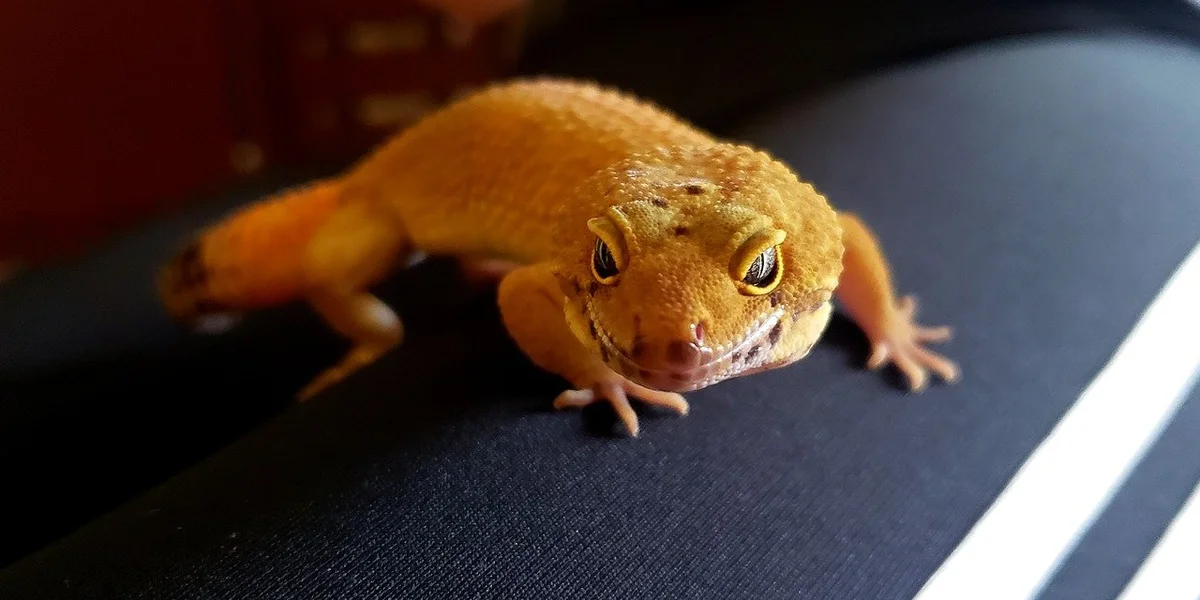
Light isn’t just for seeing; it’s the conductor of your gecko’s internal orchestra. It tells them when to wake, when to hunt, when to sleep, and even when to breed. Disrupt this rhythm, and you’ll see immediate changes in their behavior and health. In a complete guide to lighting a bioactive gecko enclosure, we’ll cover ideal photoperiods, UVB needs, and spectrum choices. Getting these lighting basics right helps support the gecko and the enclosure’s plants and microfauna.
My crested gecko, Jeter, is a perfect example. He’s crepuscular, meaning most active at dawn and dusk. If his light cycle is off by even an hour, he’ll refuse his food that evening. He’s a creature of habit.
Day and Night: The Crepuscular Cycle
Most common pet geckos are not truly nocturnal; they are crepuscular. This means they are wired to be active during the low-light periods of the day, especially during the twilight hours. Are Geckos Nocturnal or Diurnal? Here’s a detailed explanation of their activity patterns.
- A consistent 12-hours-on, 12-hours-off light cycle mimics nature and reduces stress.
- Never use colored “night” bulbs. Geckos can see this light, and it disrupts their sleep cycle.
- For viewing at night, use a dedicated moonlight bulb or a Ceramic Heat Emitter that produces no light.
Seasonal Shifts and Your Gecko
In the wild, geckos experience subtle changes in daylight and temperature throughout the year. You can replicate this to encourage natural behaviors, but do so with caution. Mimicking natural day-night cycles supports circadian health, which helps regulate sleep, feeding, and activity. Use a gradual dawn and dusk transition and avoid abrupt lighting changes to support optimal gecko health.
A slight, natural drop in temperature and a reduction in daylight hours can signal a “cool-down” period for some species. This can be beneficial for breeding pairs or to give an adult gecko a natural rest. My Giant Day Gecko, Babe, naturally becomes a little less active and eats slightly less during the winter months, and that’s perfectly normal.
However, never make sudden, drastic changes. Animal welfare comes first, so if you are not an experienced keeper, maintaining a stable, consistent environment year-round is the safest bet. A confused internal clock leads to a stressed and vulnerable pet.
Creating the Perfect Sun: A Species-by-Species Lighting and Temperature Guide
Day Gecko Daylight: Basking and UVB Needs
My Giant Day Gecko, Babe, is a complete sun-worshipper. For species like his, replicating a slice of tropical sun is non-negotiable. They are diurnal, meaning they are active during the day and rely on light and heat to power their metabolism.
You need to create a distinct temperature gradient. One end of the terrarium should be a warm basking spot. The other end must be a cooler retreat. This gradient allows your gecko to self-regulate its body temperature, which is fundamental to its health and digestion.
- Basking Spot Temperature: Aim for 85-90°F (29-32°C). I use a low-wattage halogen bulb on a timer to create this hotspot for Babe.
- Cool Side Temperature: This should be a comfortable 75-80°F (24-27°C).
- UVB Lighting is Critical: Day geckos need UVB to synthesize vitamin D3, which allows them to use the calcium in their diet. Without it, they can develop metabolic bone disease, a devastating and preventable illness. Use a linear UVB bulb that covers about half the enclosure’s length.
- Nighttime Drop: At night, all lights should be off and temperatures can safely drop to the low 70s°F (around 22°C).
Night Owl Rules: Heating for Nocturnal Species
This is where many new owners get tripped up. My Leopard Gecko, Griffey, and my Crested Gecko, Jeter, are nocturnal or crepuscular. They are most active at dawn, dusk, and night. Geckos do need a regular day-night cycle to regulate their activity. Maintain a consistent photoperiod with bright daytime lighting and a dim or dark night. Bright white lights, especially at night, will stress them out and disrupt their natural cycles.
They still need warmth, but they get it differently. Their heating should be invisible.
- Primary Heat Source: Use an under-tank heater (UTH) or a deep heat projector (DHP) connected to a thermostat. This provides belly heat, which aids their digestion.
- Warm Side Temperature: The floor temperature over the UTH should be 88-92°F (31-33°C) for Leopard and Fat-Tailed geckos. For Crested and Gargoyle geckos, aim for 72-78°F (22-26°C).
- No Basking Bulbs: Avoid bright basking lamps. If you need supplemental day heat, a DHP or ceramic heat emitter is best as it produces no light.
- UVB Can Be Beneficial: Recent studies show that even nocturnal geckos can benefit from low-level UVB. I provide a very low-output, shaded UVB light for a few hours a day for my crew, and I’ve noticed a positive difference in their activity and coloration.
Setting Up Your Gecko’s Habitat: A Step-by-Step Guide to Heat and Light
Let’s get practical. Setting this up correctly from the start prevents so many problems later. I learned this the hard way with my first gecko, A-Rod, by making his tank too hot and watching him hide constantly.
Getting the temperature gradient wrong is the number one mistake I see, and it directly leads to lethargy and poor appetite.
Step 1: Choose and Position Your Heat Source
Select the right heater for your species (UTH for nocturnal, basking lamp + UVB for diurnal). Place it on one side of the tank to create the warm zone. For a UTH, it must be on the *outside* bottom of the glass.
Step 2: Install a Thermostat Immediately
This is not optional. A thermostat plugs into the wall, and your heater plugs into it. You set the desired temperature, and the thermostat turns the heater on and off to maintain it. This single device prevents your gecko from getting burned or overheated.
Step 3: Add Your Lighting
If using UVB, install the fixture on the same side as the heat source to mimic the sun. All lights, including UVB, should be on a timer for a consistent 10-12 hour day/night cycle. This regularity keeps their internal clocks healthy.
Step 4: Verify Everything with Digital Thermometers
Do not rely on the cheap, sticky analog gauges. You need at least two digital thermometers with probes: one for the warm side and one for the cool side. I also use an infrared temperature gun to spot-check the basking surface itself. Trust the data from your digital tools, not a guess.
Step 5: Observe and Adjust
Watch your gecko. Is it spending all its time on the hot side? It might be too cold. Is it always hiding on the cool side and never basking? It might be too hot. Their behavior is your final and most important guide, especially when to avoid common heating mistakes.
Reading the Signs: How Your Gecko Tells You the Temperature is Wrong
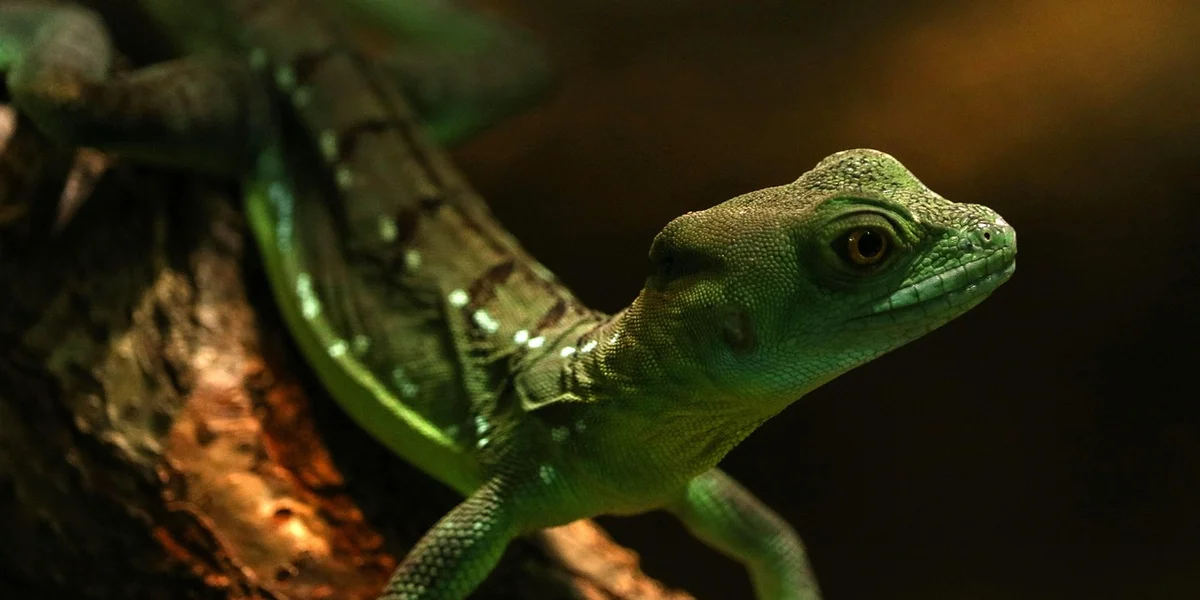
Your gecko can’t say “I’m cold,” but they communicate constantly through their posture and actions. Learning this silent language is your most powerful tool for creating a perfect habitat. I’ve learned to spot the subtle cues from my own crew, and it’s saved me many a worried vet trip. In this crested gecko behavior body language ultimate guide, we’ll decode what those signals mean. From tail lifts to color changes, you’ll learn what each cue reveals.
Signs Your Gecko is Too Cold
When temperatures drop, geckos slow down. Their metabolism depends on external heat to function.
- Lethargy and Lack of Appetite: A gecko that’s always hiding and refusing food is often a cold gecko. My Crested Gecko, Jeter, will sit in one spot for hours if his branch isn’t warm enough.
- Constantly Pressed Against the Glass: They are desperately seeking warmth from the room. This is a classic sign I see with my younger geckos.
- Incomplete Shedding (Dysecdysis): Low humidity often accompanies low temps, leading to stuck shed, especially on toes and the tail tip.
- Digestive Issues: They can’t properly digest their food, which can lead to impaction. A cold gecko is a gecko in digestive distress.
Signs Your Gecko is Too Hot
Overheating is a serious emergency. Your gecko will try anything to cool down.
- Glass Surfing and Frantic Pacing: This is pure panic. They are trying to escape the oppressive heat.
- Gaping (Holding Mouth Open): This is a reptile’s version of panting. If you see this, check your temperatures immediately.
- Staying Far From the Heat Source: They will cram themselves into the coolest, darkest corner of the enclosure and refuse to move.
- Dehydration: Heat speeds up water loss. Look for sunken eyes or wrinkled skin.
Beyond Basics: Advanced Environmental Effects on Gecko Life
Getting the hot and cold spots right is just the start. The real magic happens when you see how light and temperature orchestrate their entire life cycle. It’s not just about comfort; it’s about triggering their most fundamental biological drives.
Breeding Cues and Seasonal Cycles
In the wild, changing day length and temperature signal the start of breeding season. We can replicate this in captivity.
- Photoperiod is Key: Gradually increasing daylight hours in the spring can stimulate breeding behavior in many species.
- The “Cool Down” Period: For many geckos like Leopards and Fat-Tails, a slight, gradual temperature drop for 6-8 weeks mimics winter and prepares their bodies for the spring breeding season. I never attempt a breeding project without this crucial cooling period.
The Shedding Process (Ecdysis)
Proper hydration and temperature are non-negotiable for a clean shed.
- Humidity and Heat Work Together: A warm, moist hide is essential. The heat helps the old skin loosen, while the moisture makes it easy to slough off.
- Poor Conditions Equal Stuck Shed: Low humidity or incorrect temperatures are the top reasons for shed sticking to toes and tails, which can lead to severe injury.
Long-Term Health and Lifespan
The effects of your lighting and temperature choices compound over years.
- Metabolic Bone Disease (MBD): Without the right UVB lighting or dietary supplements, geckos can’t process calcium. This leads to soft, weak bones and deformities. It’s a heartbreaking, preventable disease.
- Organ Function: Consistently low temperatures put a strain on their liver and kidneys, shortening their lifespan. A properly heated gecko is a gecko set up for a long, healthy life.
- Immune System Support: Just like us, a stressed gecko (from being too hot or cold) has a weaker immune system and is more susceptible to illness.
FAQs
What is the gecko lighting temperature?
Gecko lighting temperature refers to the heat provided by artificial light sources, such as basking lamps, which helps regulate their body temperature and behavior.
What is the ideal lighting temperature for geckos?
The ideal lighting temperature varies by species but generally includes a warm basking area and a cooler zone to allow for proper thermoregulation and digestion.
How does lighting temperature affect gecko behavior?
Lighting temperature directly influences gecko behavior by controlling their activity levels, feeding patterns, and stress responses through thermoregulation. Seasonal temperature adjustments in their habitat help mimic natural cycles and support stable thermoregulation. Tailor lighting and warmth to the season to maintain consistent behavior and appetite.
What is the recommended day-night lighting temperature range for geckos?
The recommended day-night range involves a daytime temperature gradient with distinct warm and cool sides, and a nighttime drop to mimic natural cycles and support rest.
Why is lighting temperature important for geckos?
Lighting temperature is crucial for geckos as it ensures proper digestion, immune function, and overall health by enabling essential metabolic processes. For crested geckos, the ideal temperature range is roughly 72–78°F (22–26°C) during the day, with a slight drop at night. Keeping conditions within this range supports optimal digestion and metabolic health. To learn more about the appropriate “crested gecko temperature range,” you can visit this page.
Final Thoughts
To keep your gecko thriving, remember that lighting and temperature work together to create a healthy, natural rhythm for their life. Provide a proper heat gradient with a warm basking spot and a cooler retreat, and use appropriate lighting to simulate a day-night cycle that supports their feeding, digestion, and rest. This is especially important for species like gargoyle geckos that have specific heating and care requirements.
Your commitment to learning and adapting your care makes all the difference in your gecko’s quality of life. Observe your pet closely, stay curious, and never stop researching-this proactive approach is the heart of fantastic, responsible reptile ownership.
Further Reading & Sources
- Leopard Gecko Complete Lighting and Heating Guide – Zen Habitats
- Crested Gecko Complete Lighting and Heating Guide – Zen Habitats
- Leopard Gecko Lighting Guide – Talis Us
The Gecko Guide is your ultimate resource for gecko enthusiasts, providing expert advice and practical tips to ensure the health and happiness of your scaly companions. Alexander is a passionate gecko owner with over a decade of experience in reptile care. We are dedicated to offering accurate, up-to-date information to support your gecko journey.Our mission is to foster a community of responsible gecko owners who are passionate about the well-being of these fascinating creatures.
Behavior and Socialization