
How Do Gecko Feet Work? The Science Behind Their Sticky Properties
Published on: May 12, 2026 | Last Updated: May 12, 2026
Written By: Alexander 'Gecko Geek' Johnson
You’ve watched your gecko scale a smooth glass wall without a single slip, and it seems to defy every law of physics you learned in school. It’s a magic trick happening right in your terrarium, and you’re desperate to know the secret.
I’ve spent years caring for my own crew of scaly wall-crawlers, and I’m going to break down the incredible science for you. We’ll cover the three biggest takeaways about their gravity-defying grip.
- Their stickiness relies on weak molecular forces, not a glue.
- Millions of microscopic hairs make this possible.
- Their feet are self-cleaning and only stick in one direction.
By the end of this, you’ll look at your gecko’s feet with a whole new level of respect. The article covers: van der Waals forces, setae and spatulae, directional adhesion, self-cleaning properties, and real-world applications.
The Basic Science of Gecko Foot Adhesion
The first time I looked at one of my gecko’s feet under a magnifying glass, my mind was blown. I was expecting something simple, like tiny suction cups. What I saw was an intricate, hair-covered landscape. This wasn’t just sticky; this was engineering.
Each gecko toe is covered in microscopic hair-like structures called setae. Imagine a tiny, ultra-dense hairbrush, but with millions of bristles instead of hundreds. Each one of these microscopic setae splits into hundreds of even smaller endings called spatulae. Think of a single hair splitting at the tip into a tiny, flat-handed paddle. Gecko anatomy 101 also looks at teeth and other physical features. Together, their teeth, toes, and specialized skin help them climb, hunt, and navigate their world.
These spatulae are so small and get so incredibly close to a surface that they exploit a weak molecular attraction called van der Waals forces. You’ve felt this force yourself. Remember rubbing a balloon on your head and sticking it to a wall? That’s static electricity, but the principle is similar. Van der Waals forces are a temporary, dry adhesion that happens when molecules get extremely close together. It doesn’t rely on glue or suction.
The whole system works because of its brilliant hierarchy:
- Toes: The large, visible pads that make contact.
- Lamellae: The folded, accordion-like strips across the toes that allow them to conform to uneven surfaces.
- Setae: The dense carpets of microscopic hairs on each lamella.
- Spatulae: The nanoscopic, flattened tips of each seta that make the final molecular connection.
This design maximizes contact area on a scale we can barely comprehend. The secret isn’t a super-strong glue, but the cumulative power of billions of tiny, weak bonds working in perfect unison.
Key Terms to Know
- Dry Adhesion: Sticking without liquids, glues, or suction.
- Microstructures: The tiny physical shapes (like setae) that enable the grip.
- Contact Area: The total surface area of the spatulae actually touching a surface.
How Geckos Control Stickiness: Attachment and Detachment
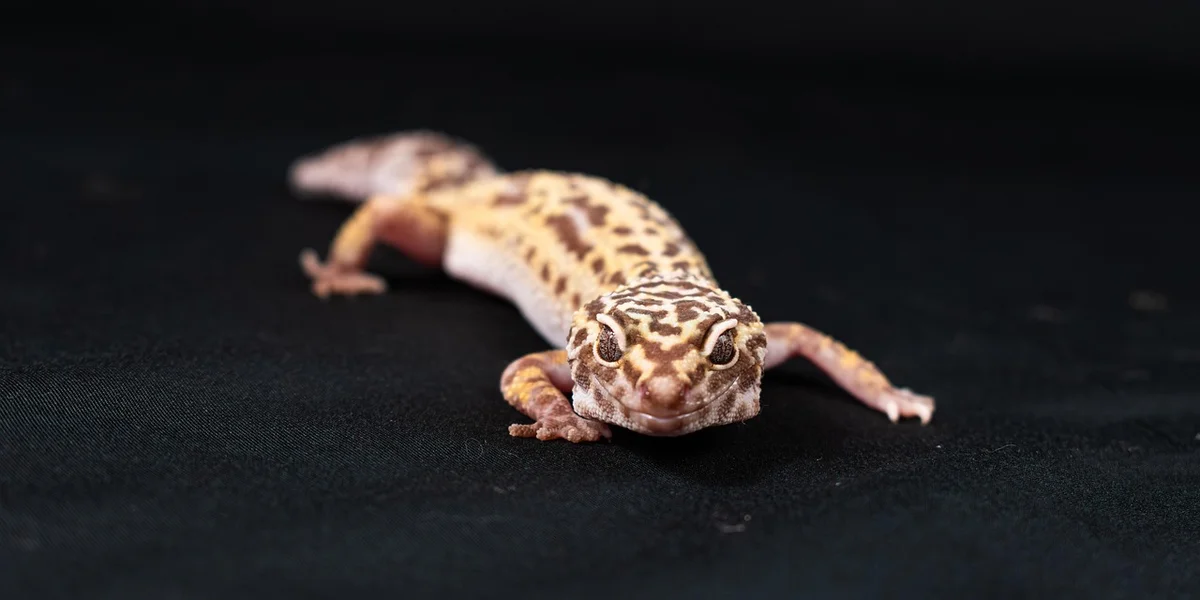
Watching my crestie, Jeter, scale the side of his glass terrarium is a masterclass in efficiency. His feet don’t slap down; they roll onto the surface with purpose. Geckos can attach and detach their feet in milliseconds, a speed crucial for escaping predators and hunting prey. For Jeter, a vertical terrarium with climbing options often feels more natural than a long, horizontal tank. A tall enclosure gives him space to sprint, grip, and explore, matching his arboreal instincts.
The magic is in the angle. To stick, a gecko presses its foot down and pulls slightly inward, engaging the millions of spatulae. To unstick, it changes the angle. This is called directional adhesion or peel mechanics. It works exactly like unrolling a piece of tape from a surface-you peel it from the edge, not by pulling straight up. The gecko simply curls its toes upward, starting the peel from the tip.
You’d think all those tiny hairs would get clogged with dust, right? Nature solved that one, too. Gecko feet are self-cleaning. With each step, dirt particles adhere more strongly to the surface than to the spatulae themselves, so grime just falls away. It’s a brilliant, maintenance-free system.
Here is the step-by-step process of how a gecko detaches its foot:
- The gecko initiates a toe-curling motion, starting at the very tip of the toe.
- This action changes the angle of the setae, breaking the van der Waals bonds at the edge.
- The “peel” propagates down the length of the toe, like a zipper unfastening.
- Once the angle exceeds 30 degrees, the bond is completely broken, and the foot is free.
I sometimes chuckle during handling sessions with my leopard gecko, Griffey. He’ll be calmly walking on my hand, and then suddenly decide he’s done. I’ll see his little toes curl up in sequence with an almost audible *pop* in my mind. It’s a hilarious and gentle reminder that his grip is always on his terms, a conscious un-sticking rather than a simple release.
Factors Influencing Gecko Foot Grip in Captivity
In the wild, geckos have an entire ecosystem to choose from. They live across a variety of habitats—from arid deserts and rocky outcrops to humid forests and caves. In our homes, we are their world-builders. The surfaces you provide in their terrarium directly control how well their incredible feet can function. For more information on the various environments they thrive in, check out ‘Wild gecko habitats explained’ here. Getting it right is one of the most satisfying parts of being a keeper.
Surface Roughness: The Goldilocks Zone
Gecko feet don’t stick to everything. They need a surface with just the right amount of texture. Imagine trying to use a piece of tape on a dusty, bumpy rock-it wouldn’t hold well. Now imagine that same tape on a perfectly smooth, oily piece of glass. It would just slide off.
- Too Smooth (like glass): The setae can’t make enough contact. My crestie, Jeter, will often struggle on freshly cleaned glass until a tiny bit of condensation or dust provides micro-grips.
- Too Rough (like coarse sandpaper): The surface is too uneven for the microscopic setae to flatten against it properly.
- Just Right (like painted wood or cork): These surfaces have microscopic imperfections that allow the setae to get a full, secure grip, creating that magical adhesion.
The Humidity Balancing Act
Humidity is a silent partner in your gecko’s climbing ability. I learned this the hard way when my Giant Day Gecko, Babe, started looking less like a sticky superhero and more like a clumsy kitten. The role humidity plays becomes even clearer when you factor in heating—terrarium heat can dry the air, affecting grip. When humidity and heating are balanced, your gecko can climb with confidence and stay hydrated.
- Too Dry: The setae become brittle and can’t form the proper Van der Waals forces. The foot pads may also get dehydrated and less pliable.
- Too Wet: A film of water can form, effectively creating a barrier that “floats” the setae away from the surface. This is called hydroplaning, but for feet!
- The Sweet Spot: A moderate humidity level (which varies by species) keeps the setae supple and ready for action without drowning them.
Not All Geckos Are Created Equal
This is a critical point for new owners. Assuming your gecko can scale any wall is a recipe for escape or injury. Their foot technology and body weight play huge roles. These ideas are part of common gecko behavior myths debunked. Knowing what geckos can and can’t do helps prevent escapes and injuries.
- Super-Sticky Climbers: Crested, Gargoyle, and Day Geckos have phenomenal grip and are true vertical adventurers.
- Terrestrial Climbers: Leopard and Fat-Tailed Geckos can climb, but they are heavier and their feet are less specialized. My A-Rod (Fat-Tail) can scale his cork bark, but he’d never stick to glass.
Building a Grippy Paradise
You want to create an environment that lets your gecko express its natural behaviors confidently.
- Cork Bark & Rounds: My absolute top choice. The texture is perfect, and it’s completely natural.
- Rough Ceramic or Stone Hides: Provides excellent traction and helps with nail filing.
- Live or Artificial Plants with Textured Leaves: Gives lighter geckos like Mookie (Gargoyle) plenty of climbing options.
- Backgrounds with 3D Texture: Avoid the flat, printed ones. Go for backgrounds made of foam, cork, or resin that have actual physical ridges to grip.
| Surface Type | Traction Level | Best For | Notes |
|---|---|---|---|
| Glass | Poor to Fair | Viewing | Can be used if slightly soiled; clean surfaces are slippery. |
| Smooth Plastic/Acrylic | Poor | N/A | Avoid as a primary climbing surface. |
| Cork Bark | Excellent | All Climbing Geckos | Natural, holds humidity, and provides perfect texture. |
| Rough Ceramic | Excellent | Heavier Geckos (Leopard, Fat-Tail) | Durable and great for wearing down nails. |
| Textured Resin Backgrounds | Good to Excellent | Arboreal Geckos | Provides large vertical climbing areas. |
| Driftwood | Good | All Geckos | Ensure it’s not too smooth or polished. |
Practical Gecko Foot Care and Habitat Tips
Understanding the science is one thing; applying it daily to keep your gecko safe and healthy is another. Foot care is a non-negotiable part of responsible gecko ownership.
Setting Up and Cleaning for Success
Your cleaning routine directly impacts your gecko’s grip.
- Choose Surfaces Wisely: When designing the terrarium, refer to the table above. Prioritize cork, stone, and textured backgrounds.
- Avoid Harsh Chemicals: Residue from cleaners is a grip-killer. I use a diluted vinegar solution or specialized reptile-safe cleaners.
- Rinse Thoroughly: After cleaning any surface, always wipe it down with fresh water to remove any cleaning agent residue.
- Dry Completely: Before returning your gecko, make sure all surfaces are completely dry to prevent hydroplaning.
Handling with Care for Happy Feet
Those tiny feet are strong but delicate. Rough handling can damage the setae or even cause sprains.
- Let your gecko walk onto your hand voluntarily. Never pull them off a surface.
- Avoid handling them when they are high up on a smooth surface. They might fall trying to get to you.
- Support their whole body. Let their feet rest comfortably on your fingers. A stressed gecko clinging for dear life is putting immense strain on its feet.
Red Flags: Signs of Foot Trouble
Your gecko can’t tell you its feet hurt, so you need to be a detective.
- Stuck Shed on Toes: This is an emergency. It cuts off circulation and will cause the toe to die and fall off. Check their feet after every shed.
- Reluctance to Climb: A previously active climber who now stays low may have sore feet or damaged setae.
- Frequent Slipping or Falling: The most obvious sign that their grip is compromised.
- Licking Feet Excessively: While they do clean their feet, constant licking can signal irritation or pain.
Providing proper climbing surfaces isn’t a luxury; it’s a core component of animal welfare. Denying an arboreal gecko the ability to climb is like keeping a bird in a cage without perches. It causes profound stress and prevents natural behaviors that are essential for their physical and mental health. Regular observation of glass surfing and wall climbing can reveal stress signals, and using a gecko stress behavior checklist helps caregivers track these indicators and adjust husbandry accordingly. Such checklists support proactive welfare management.
A Lesson from a Little Slip
My Gargoyle gecko, Mookie, is usually a parkour master. But one day, I saw him slide right down the front glass after I’d cleaned it. He was fine, just a little startled, but my heart sank. I had been too thorough with the cleaner, leaving the surface too smooth and sterile. That slip was a powerful reminder that our actions in maintenance have direct consequences, much like other care mistakes that can harm our lovely pets. I immediately roughened up his access to his favorite basking spot with a new piece of cork bark, and he hasn’t slipped since. It’s our job to build a world where their amazing biology can truly shine.
Gecko Feet Inspire Human Innovation: Biomimicry Basics
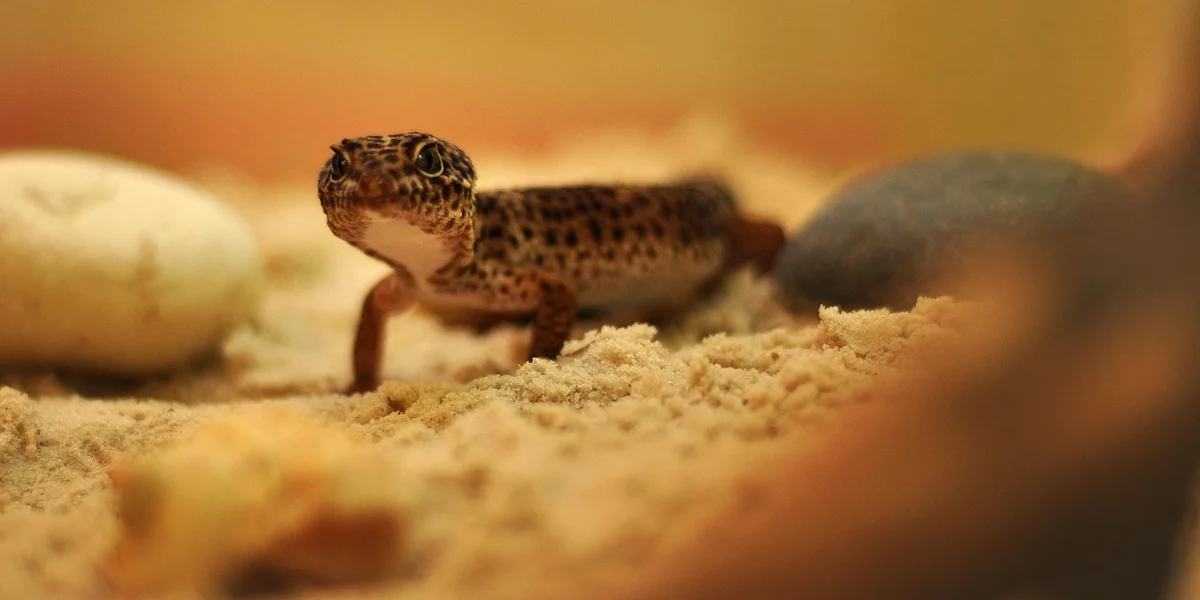
You’ve seen your gecko scale a smooth glass wall like it’s nothing. That incredible ability hasn’t just amazed pet owners-it has scientists and engineers scrambling to copy it. This field, called biomimicry, is all about learning from nature’s best designs. Gecko feet are so effective that they’ve become a blueprint for next-generation technology.
Robots Learning to Climb
The principles behind your gecko’s sticky feet are now guiding the creation of advanced robotic adhesives. Researchers have developed special grippers that allow robots to climb vertical surfaces and even maneuver in zero-gravity environments, like inside a space station. These grippers can pick up delicate objects, like a glass solar panel, without leaving any residue or applying crushing pressure. It turns out that the secret to gentle, powerful adhesion was crawling in a terrarium all along.
The Key Experiments That Cracked the Code
So how did we figure this out? A few landmark studies were crucial:
- The Setae Discovery: Scientists using powerful electron microscopes first identified the billions of tiny hair-like setae covering a gecko’s toes.
- The Van der Waals Force Proof: Researchers at the University of California, Berkeley, proved that geckos stick using these weak molecular attractions, not glue or suction.
- The “Peel” Motion: High-speed video revealed that a gecko doesn’t just plop its foot down-it uncurls its toes to make contact and peels them back to release, a motion now mimicked in robotic systems.
What Are Synthetic Gecko Adhesives Made Of?
To build a material that works like gecko skin, engineers have experimented with some fascinating stuff. The goal is always to recreate that dense forest of microscopic hairs. Common materials include:
- Silicone: A flexible and durable polymer that can be molded into tiny pillars.
- Carbon Nanotubes: These are incredibly small, strong, and flexible, making them a near-perfect artificial match for setae.
- Polyurethane: Often used to create adhesive tapes that are reusable and strong.
Honestly, looking at my own geckos, Jeter and Mookie, scale their enclosures, it’s wild to think that their feet are smarter than some of our gadgets. This isn’t just lab science; it helps you be a better gecko owner. Knowing that their grip relies on microscopic cleanliness explains why a dirty or dusty terrarium wall can become a slippery hazard. That amazing science happening on their toes is a daily reminder to keep their home pristine.
FAQs
How does scaling affect gecko foot adhesion in biology?
Scaling affects adhesion because larger geckos have a higher body mass relative to their foot surface area, making it more challenging for them to support their weight on vertical surfaces compared to smaller species.
Do all gecko species use the same foot mechanism?
No, not all gecko species use the same foot mechanism; arboreal species like crested geckos have highly developed setae for climbing, while terrestrial species like leopard geckos rely more on claws and have less adhesive ability.
Are gecko adhesives reversible and what controls release?
Yes, gecko adhesion is reversible, and release is controlled by changing the angle of the setae through a toe-curling motion that breaks the van der Waals forces.
How fast can geckos attach and detach their feet?
Geckos can attach and detach their feet in just milliseconds, enabling swift climbing and escape behaviors.
What materials are used in artificial gecko adhesives?
Materials used in artificial gecko adhesives include silicone, carbon nanotubes, and polyurethane, designed to replicate the hierarchical structure of natural setae and spatulae.
Final Thoughts
Ultimately, your gecko’s incredible feet are a masterpiece of biological engineering, relying on microscopic van der Waals forces and directional setae to stick and release with ease. The best thing you can do as an owner is to provide a clean, smooth-surface habitat and trust that their natural equipment is perfectly designed for the job. For safety, follow a gecko handling health guide: handle gently and avoid grabbing by the tail. Always wash hands before and after handling to protect both you and your gecko.
Remember, understanding the science behind your pet’s abilities is a huge part of being a responsible and compassionate owner. I encourage you to keep observing your gecko and learning about their unique needs, because a curious and informed owner makes for a very happy, healthy lizard. For a deeper dive into understanding gecko behavior and temperament, check out the complete guide.
Further Reading & Sources
- Adhesive force of a single gecko foot-hair | Nature
- Adhesion and friction in gecko toe attachment and detachment | PNAS
- Gecko Tape
The Gecko Guide is your ultimate resource for gecko enthusiasts, providing expert advice and practical tips to ensure the health and happiness of your scaly companions. Alexander is a passionate gecko owner with over a decade of experience in reptile care. We are dedicated to offering accurate, up-to-date information to support your gecko journey.Our mission is to foster a community of responsible gecko owners who are passionate about the well-being of these fascinating creatures.
Gecko Myths and Facts