
Gecko Stress vs. Normal Behavior: How to Tell the Difference
Published on: May 11, 2026 | Last Updated: May 11, 2026
Written By: Alexander 'Gecko Geek' Johnson
Is your gecko acting strangely, and you’re worried that what you’re seeing is a sign of serious stress? I’ve been there, staring into a terrarium late at night, wondering if my gecko’s new quirk is a cry for help or just their unique personality shining through.
It can be incredibly tricky to tell the difference. I will help you decode your pet’s actions by breaking down the subtle clues. You will learn to spot the red flags of distress and recognize the harmless, everyday habits that make your gecko who they are.
In this guide, we will cover:
- The most common signs of gecko stress you should never ignore.
- Perfectly normal gecko behaviors that often get mistaken for problems.
- Simple, actionable steps you can take today to create a calmer, happier home for your pet.
By the end, you will have a clear understanding of gecko stress signs, normal gecko behavior, habitat setup tips, handling advice, and when it is time to consult a vet. Let’s get started and give you the confidence to be the best gecko parent you can be.
What Does Normal, Happy Gecko Behavior Look Like?
A content gecko is a delightful little creature to observe. Their daily routines are a clear sign they feel safe and healthy in their home. My leopard gecko, Griffey, is a perfect example of a gecko thriving in his environment.
You’ll see your gecko exhibit natural, confident behaviors throughout the day and night.
- Active Hunting and Feeding: A happy gecko will show keen interest in food. They’ll stalk crickets or eagerly lick up repashy with clear, focused intent.
- Confident Exploration: Your gecko will move around its enclosure without hesitation. It will climb on branches, investigate new hides, and curiously poke its head out to watch you.
- Relaxed Basking: Seeing your gecko sprawled out under the heat lamp, limbs relaxed and body flat, is the lizard equivalent of lounging on a sunny beach. They are soaking up essential warmth.
- Consistent Shedding: A healthy gecko will shed its skin in large, complete pieces every few weeks. They will often eat the shed skin, which is perfectly normal and packed with nutrients.
- Regular Digestion: You will find well-formed droppings in a designated “bathroom” corner of the tank. This shows their digestive system is working perfectly.
My crestie, Jeter, spends his evenings perched on the highest branch in his tank, calmly watching the room—this is his normal, confident behavior. Learning your gecko’s unique personality is the first step to recognizing when something is wrong. In our crested gecko behavior body language ultimate guide, we’ll decode these signals and show you what to watch for in daily care. Understanding these cues now will help you read future changes at a glance.
Top Warning Signs: Common Gecko Stress Indicators
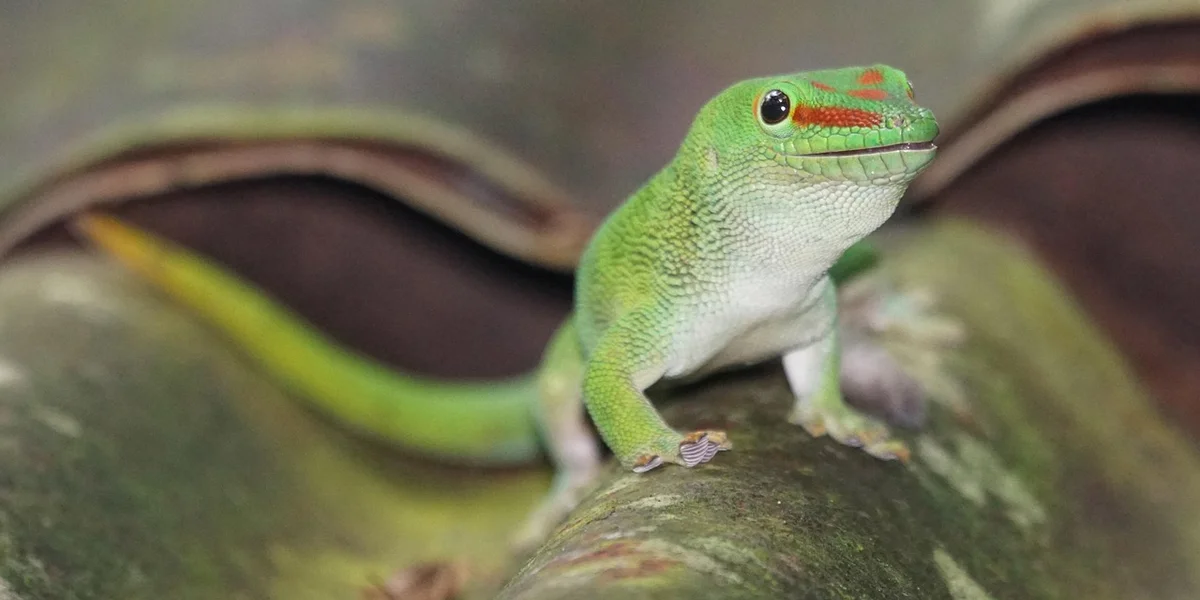
Stress in geckos can be subtle, but once you know what to look for, the signs become much clearer. It’s your gecko’s way of telling you that something in their world is out of balance. Environmental stressors are often the cause.
Behavioral Red Flags: Hiding, Pacing, and Appetite Change
These are the most common behavioral shifts I’ve noticed in my own colony when something is amiss.
- Excessive Hiding: All geckos hide, but if yours never comes out, even for food or at night, it’s a major red flag. They are trying to disappear from a perceived threat.
- Glass Surfing or Pacing: Frantically scratching at the tank walls is a classic sign of stress. This can mean the enclosure is too small, temperatures are wrong, or they see their reflection as a rival.
- Sudden Appetite Loss: While geckos can occasionally skip a meal, a complete refusal to eat for more than a few days signals a problem. My gecko A-Rod did this once when his temperatures dropped slightly.
- Unusual Aggression: A normally calm gecko that starts hissing, biting, or lunging is feeling threatened and scared.
- Sleeping in the Open: Geckos are prey animals. If they are sleeping out in the open, fully exposed, it often means they feel too unsafe or weak to seek shelter.
A sudden change in established routine is one of the biggest tells that your gecko is feeling the pressure. Trust your gut-you know your pet best. Understanding normal vs abnormal behaviors can help you identify when your gecko might be under stress.
Physical Stress Signals: From Tail Curling to Pupil Dilation
The body doesn’t lie. These physical cues are immediate indicators of your gecko’s internal state.
- Tail Curling or Twitching: A slow, deliberate curl of the tail tip often means “I am alert and assessing a situation.” A fast, frantic twitching or wagging, however, signals high anxiety or aggression.
- Pupil Dilation: In low-stress situations, a gecko’s pupils will be mostly slitted. If their pupils are wide, black circles even in a bright room, they are highly stressed or frightened.
- Color Changes: Some species, like crested geckos, will “fire down,” becoming a pale, washed-out color when stressed or sleeping. Conversely, turning extremely dark can also indicate stress.
- Rapid, Shallow Breathing: You might see their sides moving quickly. This is a fear response, much like a panic attack.
- Lethargy and Weakness: A gecko that is too limp or weak to move properly is in a severe state of distress and requires immediate attention.
I once saw my gargoyle gecko, Mookie, with fully dilated pupils after a loud noise startled him; his little body was frozen in fear. Recognizing these physical signs allows you to act quickly to remove the stressor and help your pet feel safe again.
Species-Specific Stress: Crested vs. Leopard Gecko Signs
My geckos, Jeter and Griffey, couldn’t be more different. Their stress signals are just as unique. Learning these species-specific cues is your first step to being a great gecko owner.
Crested Gecko Stress Signs
Jeter, my Crested Gecko, is usually calm and confident. When he’s stressed, his whole demeanor changes. Cresties are masters of subtle communication.
- Frequent Jumping or “Bailing”: A calm crestie will carefully walk hand-over-hand. A stressed one will leap erratically, often off your hand or their perch. It’s a panic move.
- Persistent Hiding: Cresties are nocturnal, but if yours is *always* buried in foliage or a hide and never emerges at night to explore, that’s a red flag.
- Loss of Appetite: These guys usually have a healthy appetite for CGD (Crested Gecko Diet). A sudden, prolonged disinterest in food is a major sign something is wrong.
- Vocalizations: They can make little chirping or barking sounds. While sometimes normal, repeated distress calls mean they are frightened or agitated.
I know Jeter is content when he’s perched high, calmly watching the room. Any deviation from that baseline tells me to investigate.
Leopard Gecko Stress Signs
Griffey, my energetic Leopard Gecko, shows stress in more physical ways. Since they are terrestrial, their stress is often ground-based. Common stress indicators in leopard geckos include glass surfing and climbing on enclosure walls. A simple gecko stress behavior checklist can help you track these signs over time.
- Glass Surfing: This is when they repeatedly scratch at the tank walls. It looks like they’re trying to climb out. It screams “I am not comfortable in here!”
- Tail Vibrations: A slow, deliberate tail wiggle is normal during hunting. A fast, frantic rattle when you approach is a defensive, stressed-out signal.
- Refusing Food or Regurgitation: Leos are famously food-motivated. A stressed Leo will often refuse their favorite insects, or worse, eat and then throw them up.
- Hiding Excessively in the “Wet” Hide: Leos should use all their hides. If they’re permanently camped out in the humid hide, it can mean they feel insecure and are seeking constant cover.
A happy Leo like Griffey will be active at dusk and dawn, curiously peeking out of his hides, not constantly trying to escape his home.
What’s Causing the Stress? Pinpointing the Problem
Seeing the signs is one thing. Finding the “why” is the real detective work. From my experience, the cause almost always falls into one of these categories.
Environmental Stress: Temperature, Humidity, and Lighting Changes
This is the number one culprit. Geckos are ectotherms; their environment is their life support system. Small changes feel huge to them. For new gecko owners, here’s a quick troubleshooting guide to solve common first-month problems. It helps you stabilize temperature, humidity, and feeding so your gecko stays healthy.
- Wrong Temperatures: A tank that’s too hot, too cold, or lacks a proper heat gradient is a constant source of stress. Your gecko can’t thermoregulate properly.
- Incorrect Humidity: Crested Geckos need moderate humidity (50-70%). Leopard Geckos need it much drier (30-40%). Too much or too little can cause shedding problems and respiratory distress.
- Bright Lights or Incorrect Cycles: Nocturnal geckos do not want bright, basking-style lights. They need a consistent day/night cycle. A room light left on all night can disrupt their rhythm.
- Lack of Clutter: An empty tank is a scary tank. They need plenty of cover-fake plants, cork bark, hides-to feel secure and move around without feeling exposed.
I check my thermostats and hygrometers every single day. It’s the easiest way to prevent a huge chunk of potential stress.
Handling and Social Stress
We love our pets and want to interact, but we must do it on their terms. Forcing interaction is a fast track to a terrified gecko.
- Over-handling: Geckos are not cuddly pets. Handling sessions should be short, infrequent, and always end on a positive note before the gecko shows stress.
- Improper Handling Technique: Scooping from below is safe. Grabbing from above mimics a predator. Let them walk onto your hand voluntarily.
- Co-habitation: This is a big one. Never house male geckos together. They are solitary and territorial. Even females can stress each other out, competing for resources. A-Rod, my Fat-Tail, would be miserable with a roommate.
- Loud Noises and Vibrations: Placing the tank near a loud speaker, TV, or a slamming door can cause chronic, low-grade stress from the constant vibrations and noise.
Building trust takes months. I let new geckos settle in for two full weeks with no handling at all. It feels long, but it pays off with a calmer, more confident pet.
Your Action Plan: How to Calm a Stressed Gecko
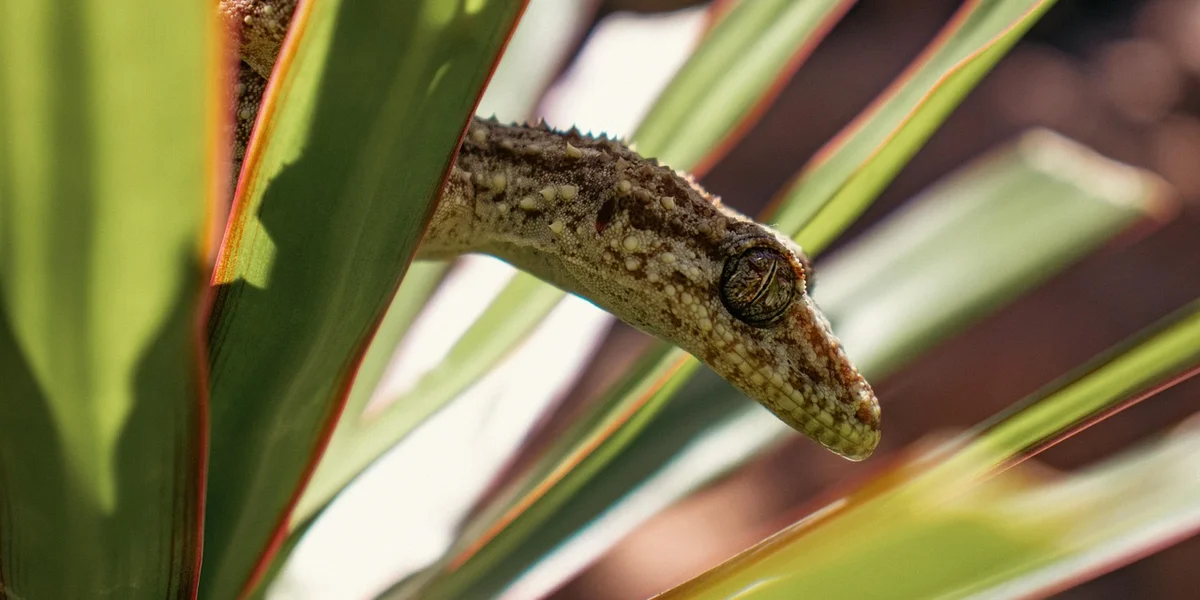
When you see your gecko showing signs of stress, it’s time to become a calm, confident problem-solver. Your immediate goal is to remove the stressor and make your pet feel secure again. I’ve had to do this with my own crestie, Jeter, when a new piece of furniture in the room made him unusually jumpy for days. Calm, no-nonsense techniques work best. Simple environmental fixes—stable temperatures, secure hides, and minimal disturbances—can make a big difference.
Quick Fixes for an Upset Gecko
These are your first-response tools. Act calmly and deliberately.
- Stop All Handling Immediately: Your desire to comfort them can feel like a predator attack. Give them space.
- Dim the Lights: If the room is brightly lit, turn off the main overhead light. A calm, dim environment is less stimulating.
- Reduce Noise and Vibration: Turn down loud music or the TV. Avoid stomping near the terrarium.
- Cover the Enclosure: Drape a light breathable cloth over three sides of the tank. This provides instant privacy and blocks unsettling movement.
- Check the Heat: Feel the tank glass. If it’s too hot or too cold to the touch, your thermostat might need an adjustment.
Long-Term Habitat Tweaks for a Happier Gecko
Quick fixes are a bandage. These changes build a foundation of lasting well-being.
- Add More Hides: I aim for a minimum of three hides per gecko. Place a warm, moist, and cool hide to let them thermoregulate and feel safe everywhere.
- Create a “Clutter” Layout: Arrange plants, vines, and cork rounds to break up sightlines. An open tank is an exposed, scary plain to a prey animal.
- Re-evaluate Tank Mates: Cohabitation is a major stressor for most gecko species. My A-Rod is far calmer and eats better living solo.
- Upgrade Your Substrate: Loose particle substrates can cause impaction. Switch to paper towel, tile, or a safe soil/sand mix for peace of mind.
- Establish a Consistent Schedule: Feed and turn lights on/off at the same times every day. Predictability equals safety for reptiles.
When Stress is Serious: Time to Call the Vet
Sometimes, stress is a symptom of a deeper medical issue. You are your gecko’s advocate, and knowing when to seek professional help is the most responsible thing you can do.
Contact an exotic vet immediately if you notice any of these red flags alongside stress behaviors:
- Persistent weight loss or a suddenly thin tail.
- Labored breathing, wheezing, or mucus around the nose and mouth.
- Lethargy so severe your gecko doesn’t move or react to you.
- Prolonged refusal to eat all food items for over a week.
- Visible wounds, swelling, or signs of physical injury.
- Stuck shed, especially around the toes or tail tip, that doesn’t come off with a humid hide.
A good exotic vet can rule out parasites, respiratory infections, and other illnesses that manifest as behavioral changes. Never feel embarrassed about calling your vet with a concern; it’s always better to be safe.
FAQs
Can crested geckos show stress through changes in their sleeping patterns?
Yes, stressed crested geckos may sleep more during their active hours or appear restless and unable to settle at night.
What environmental factors most commonly cause stress in leopard geckos?
Incorrect temperature gradients, inadequate hiding spots, and excessive noise or vibrations are frequent stressors for leopard geckos. A calm, low-stress audible environment—achieved with soft, steady sounds and minimal vibrations—can support their well-being. Gentle, stable vibrations are less likely to provoke stress than abrupt disturbances.
How does stress manifest differently in juvenile versus adult crested geckos?
Juvenile crested geckos may exhibit stress through failure to thrive or slow growth, while adults often display more obvious behavioral changes like increased aggression. Understanding the growth rate timeline from hatchling to adult helps interpret these changes. Monitoring size and weight over time can show when growth aligns with expected milestones.
Are there any specific handling techniques that can reduce stress in leopard geckos?
Using slow, deliberate movements and allowing the leopard gecko to walk onto your hand voluntarily can significantly minimize handling-related stress.
What role does diet play in managing stress for crested geckos?
A consistent, balanced diet supports overall health and can reduce stress, but sudden changes in food type or schedule may trigger anxiety in crested geckos.
Final Thoughts
The most important skill you can develop is simply learning your gecko’s unique, individual personality. By observing their daily rhythms and what’s normal for them, you will quickly spot the subtle changes in behavior, appetite, and appearance that signal stress. A proper habitat setup with correct temperatures, humidity, and plenty of secure hiding spots is your first and best defense against most common stressors. In this complete guide to understanding gecko behavior and temperament, you’ll learn to read those signals and tailor care to each gecko’s personality.
Being a great gecko keeper means committing to lifelong learning about their needs. These fascinating pets rely on us completely, and their well-being is a direct reflection of our care. Stay curious, keep asking questions, and always advocate for the quiet, wonderful creatures in your care.
Further Reading & Sources
- r/CrestedGecko on Reddit: Indicators of stress?
- 3 Bad Mood Reactions from Leopard Geckos You Should Know About – Geckopia
- r/leopardgeckos on Reddit: What are signs your gecko is stressed or uncomfortable during handling/exploring outside of its tank?
The Gecko Guide is your ultimate resource for gecko enthusiasts, providing expert advice and practical tips to ensure the health and happiness of your scaly companions. Alexander is a passionate gecko owner with over a decade of experience in reptile care. We are dedicated to offering accurate, up-to-date information to support your gecko journey.Our mission is to foster a community of responsible gecko owners who are passionate about the well-being of these fascinating creatures.
Handling & Behavior Signs