
Gecko Reproduction and Biology: A Beginner’s Guide
Published on: December 13, 2025 | Last Updated: December 13, 2025
Written By: Alexander 'Gecko Geek' Johnson
Does the idea of your gecko breeding or laying eggs make you nervous about doing something wrong?
I’ve raised geckos for years, from my energetic leopard gecko Griffey to my calm crested gecko Jeter, and I’ll help you feel confident. We will cover three main areas to give you a solid foundation.
- Spotting the clear signs of mating behavior and gravidity
- Setting up a safe and stress-free environment for egg-laying
- Providing the right care for fragile eggs and new hatchlings
My advice is based on hands-on experience and a deep care for animal welfare. This guide walks you through: mating cues, egg incubation, hatchling care, common health issues, and responsible breeding practices.
Gecko Biology 101: Anatomy and Sexual Dimorphism
Getting to know your gecko’s body is like learning a new language-it helps you understand their health and reproductive signs. Basic anatomy includes the cloaca, a multi-purpose opening for waste and reproduction, which is key for spotting differences between males and females. Males often have visible hemipenal bulges at the base of the tail and preanal pores that secrete waxy substances, while females typically lack these or have subtler features.
Sexual dimorphism means males and females look different, and it’s your first clue to their sex. In my leopard gecko Griffey, I spotted those tiny preanal pores early on, confirming he was a male ready for action. Here’s a quick list of how this varies across common pet species:
- Leopard Geckos: Males show prominent preanal pores and hemipenal bulges; females are smoother in that area.
- Crested Geckos: Males have larger crests and hemipenal bulges; females are often smaller and lack bulges.
- African Fat-Tailed Geckos: Similar to leopard geckos, males display pores and bulges, while females are less pronounced.
- Gargoyle Geckos: Males boast hemipenal bulges and can be more robust; females are generally sleeker.
- Giant Day Geckos: Males have broader heads and visible pores; females are more streamlined.
Don’t forget about tail autotomy-geckos can drop their tails to escape predators, and they regrow a cartilaginous stub. I’ve seen Mookie, my gargoyle gecko, lose his tail in a playful leap, and it grew back stiffer but still functional. Always handle geckos gently to avoid stress-induced tail loss, as it’s a defense mechanism, not a party trick.
How to Sex Your Gecko: A Step-by-Step Guide
Sexing your gecko safely is a hands-on skill that builds trust between you. Follow these steps to avoid injury and get accurate results, using calm, steady movements. I’ve done this with all my geckos, like when I checked A-Rod, my African fat-tailed, and found his bold stripe wasn’t the only male trait. For leopard geckos, this safe, hands-on approach translates into a reliable way to tell sex. This complete guide to telling if your leopard gecko is male or female walks you through the signs and steps, so you can do it confidently.
- Wash your hands thoroughly to prevent transferring oils or bacteria to your gecko’s sensitive skin.
- Place your gecko on a flat, secure surface and observe from above-look for hemipenal bulges near the tail base in males.
- Gently lift the tail to view the ventral side; males have a V-shaped row of preanal pores, while females have a smoother area.
- Use a magnifying glass if needed for smaller species, but avoid poking or prodding-geckos can get stressed easily.
- If unsure, consult a vet or experienced breeder; missexing can lead to accidental breeding or health issues.
Now, about that quirky question: can male geckos lay eggs? It’s extremely rare and usually a sign of health problems, like hormonal imbalances or retained eggs in females mistaken for males. In my years of care, I’ve never seen a true male lay eggs-it’s mostly a female trait, so double-check your sexing to avoid confusion.
Gecko Reproduction Methods: From Mating to Hatching
Geckos have fascinating ways to bring new life into the world, and understanding these methods helps you support them better. There are three main types: oviparous (laying eggs), viviparous (giving live birth), and parthenogenesis (a form of cloning without mating). Learning specific details about these reproductive strategies can help you provide the right care. Courtship often involves colorful displays or sounds, leading to fertilization inside the female’s body before eggs develop.
Here’s a table comparing reproduction methods across common pet gecko species, based on my observations and research. You can also learn more about natural breeding seasons and mating cycles for geckos to understand their reproductive behavior better:
| Species | Reproduction Type | Typical Clutch Size | Incubation Period |
|---|---|---|---|
| Leopard Gecko | Oviparous | 2 eggs | 45-60 days |
| Crested Gecko | Oviparous | 2 eggs | 60-90 days |
| African Fat-Tailed Gecko | Oviparous | 1-2 eggs | 45-70 days |
| Gargoyle Gecko | Oviparous | 2 eggs | 60-90 days |
| Giant Day Gecko | Oviparous | 2 eggs | 40-60 days |
Most pet geckos are oviparous, meaning they lay eggs that hatch outside the body. I’ve incubated leopard gecko eggs in a simple setup, keeping temperatures steady for healthy hatchlings. If you’re considering raising leopard geckos at home, you can build a simple homemade egg incubator to maintain stable warmth and humidity for eggs. It’s a practical way to support reliable hatch rates for oviparous geckos. Viviparous species, though rarer in pets, give live birth, which can be less stressful for owners but requires close monitoring.
Courtship and Mating Rituals in Geckos
Watching geckos court is like seeing a tiny dance-off-it’s full of head bobs, chirps, and tail wiggles. Common signs include males bobbing their heads to show dominance or making soft vocalizations to attract females. I remember when Jeter, my crested gecko, started his calm head-bobbing routine; it was his way of saying, “I’m ready to mingle.”
Here’s what to expect during mating, based on my experiences:
- Males initiate with displays like rapid head movements or gentle nips.
- Females may respond by staying still or moving away if not interested.
- Copulation is brief, often lasting a few minutes, with the male gripping the female’s neck.
- After mating, females might become more territorial or seek hiding spots.
- Always provide ample space and hides to reduce stress-crowding can lead to aggression.
If you see these behaviors, it’s a sign your geckos are healthy and hormonally active. Keep an eye out for any signs of distress, and separate them if things get too rough to prevent injuries. In my setup, I’ve learned that a well-structured terrarium makes courtship smoother and safer for everyone involved.
Can Geckos Clone Themselves? Understanding Parthenogenesis
Yes, some geckos can clone themselves through parthenogenesis in geckos, where females produce offspring without males. This process results in all-female clutches, as the eggs develop without fertilization, creating genetic copies of the mother. In such cases, the population can reproduce without males, effectively making the group all-female. It’s nature’s way of ensuring survival in isolated environments, and it’s seen in species like the Mourning Gecko.
For pet owners, this means you might get surprise babies even without a male around. Here’s a brief list of pros and cons based on what I’ve seen in the hobby:
- Pros: No need for a male to reproduce, great for beginners who want to experience breeding without pairing.
- Cons: Limited genetic diversity, which can lead to health issues over generations; all offspring are female, so no male variety.
If you have a parthenogenetic species, monitor for egg-laying and provide proper incubation. I’ve heard stories of owners being shocked by “virgin births,” but it’s a natural adaptation that highlights geckos’ resilience. Geckos can lay eggs without a male through parthenogenesis in geckos, and many of these eggs are infertile. Always prioritize animal welfare by ensuring habitats support healthy development, even in cloned lineages.
Egg Laying and Incubation for Pet Geckos
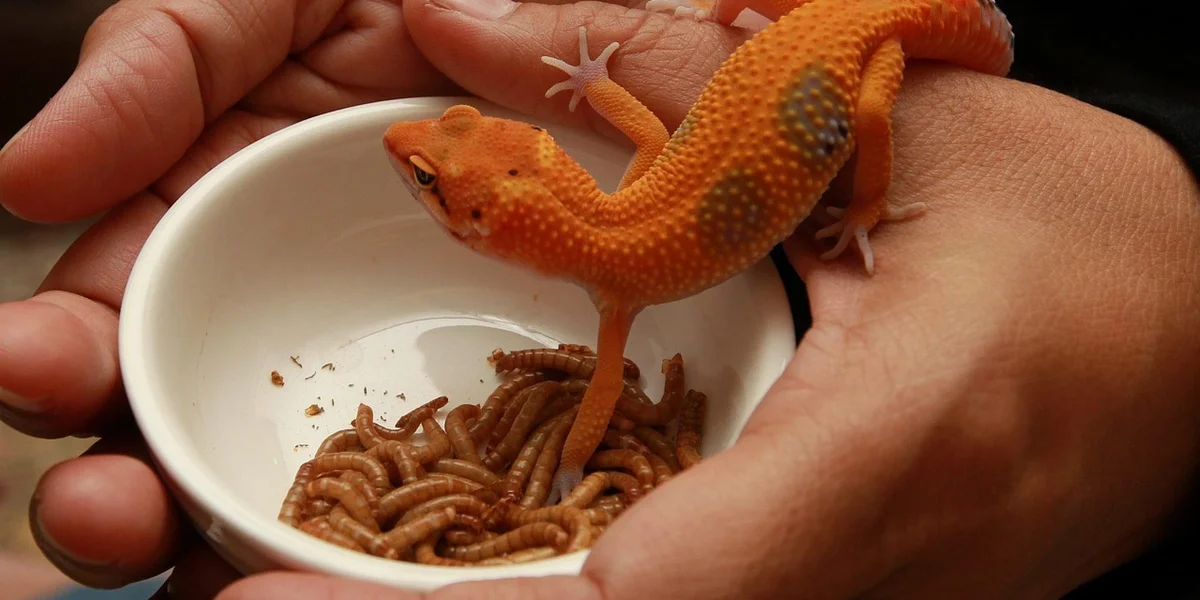
When your female gecko starts looking a bit plumper and digging obsessively in her enclosure, you’re likely in for an exciting event. Recognizing these pre-laying behaviors is your first cue to provide a dedicated space for her to lay her eggs safely and comfortably. From my experience, a stressed gecko without a proper laying box may become egg-bound, a serious and often fatal condition.
What to Expect: Clutches and Behaviors
Most common pet geckos, like Leopard and Crested Geckos, lay two eggs per clutch. They can produce multiple clutches from a single mating. For leopard geckos, total egg production depends on clutch size frequency—how often clutches are laid—along with age, health, and environmental conditions. Understanding clutch size frequency explains why those two‑egg clutches can add up to many eggs over a season.
- Clutch Size: Almost always two soft, leathery eggs.
- Frequency: A female can lay a new clutch every 2-4 weeks for an entire breeding season.
- Key Behavior: You’ll see her become restless, lose her appetite, and dig test pits all over her tank.
Creating a Simple Nesting Box
I always set up a lay box the moment I suspect a female is gravid (carrying eggs). It’s cheap, easy, and prevents a world of trouble.
- Find a small, opaque container with a lid, like a deli cup or Tupperware.
- Cut a smooth, gecko-sized entrance hole in the side.
- Fill it about three-quarters full with slightly damp sphagnum moss or a eco-earth/vermiculite mix.
- Place the box in the warmest corner of the enclosure. Your gecko will instinctively find it.
Natural vs. Controlled Incubation
A common question I get is, “Can leopard gecko eggs hatch without an incubator?” The technical answer is yes, but I strongly advise against it. Leaving eggs in the enclosure is a huge gamble; the adults will often trample or eat them, and temperature fluctuations usually prove fatal. Controlled incubation in a dedicated incubator gives your future hatchlings the stable environment they need to develop properly. It’s the difference between hoping for the best and actively ensuring their survival.
Setting Up the Perfect Incubation Environment
Consistency is everything in incubation. A stable temperature and humidity level is non-negotiable for healthy embryo development.
- Choose Your Medium: Place the eggs in a small tub filled with a damp incubation medium like vermiculite or perlite. The mix should be damp enough to clump but not drip water. Bury the eggs about halfway.
- Set the Temperature: This is the most critical step. For Leopard Geckos, incubating at 79-82°F (26-28°C) will produce mostly females, while 85-90°F (29-32°C) yields mostly males. I keep my incubator for my geckos, like Mookie’s potential future clutches, at a steady 82°F for a good mix.
- Control the Humidity: Aim for 80% humidity inside the incubation tub. I achieve this by ensuring the medium is properly hydrated and the tub lid is sealed. A cheap hygrometer inside the tub lets you monitor it.
- Do Not Rotate: Once you place the eggs in the incubator, do not move or rotate them. The embryo can drown if dislodged. I always mark the top of each egg with a gentle pencil mark.
- Patience is a Virtue: Incubation can take 45 to 90 days depending on the species and temperature. Check on them daily, but resist the urge to open the tub frequently.
My gargoyle gecko, Mookie, came from a clutch where the breeder was fanatical about stable temperatures, and I truly believe that’s why he’s such a robust and energetic little guy. Your diligence during this waiting game directly impacts the health of the hatchlings.
Caring for Gecko Hatchlings and Juveniles
- Feeding Frenzy: Offer tiny, gut-loaded insects like pinhead crickets or fruit flies dusted with calcium powder. I feed my young geckos daily to support their lightning-fast growth and energy needs.
- Housing Haven: Use a small, escape-proof enclosure with paper towel substrate for easy cleaning. Multiple hides and climbing branches make juveniles feel secure, just like my gargoyle gecko Mookie enjoys.
- Health Watchlist: Look out for stuck shed, weight loss, or lethargy. Regular vet check-ups catch issues early, ensuring your gecko thrives instead of just surviving.
- Humidity Harmony: Maintain species-specific levels, often 50-70%, with a moist hide. Proper humidity helps hatchlings shed smoothly, preventing skin problems I’ve seen in neglected pets.
- Temperature Tweaks: Provide a warm basking spot and cooler area using a thermostat. Stable temperatures mimic their natural habitat, keeping your gecko active and healthy.
Should You Breed Your Geckos? Ethical Considerations
Seeing your geckos thrive can spark a beautiful, yet complicated, thought: “Should I let them have babies?” This decision is one of the most serious a gecko keeper can face, and it extends far beyond simple biology. It’s a commitment to the lives you bring into the world.
I once considered breeding my first leopard gecko, Griffey. He was so vibrant and personable, I thought his genes would be amazing to share. But then I thought about Jeter, my crested gecko. Finding good homes for just one or two babies seemed easy, but what if the clutch was large? What if some had health issues? My personal journey led me to decide against it, a choice I’ve never regretted.
The Heavy Responsibilities of a Breeder
Breeding is not a hobby; it’s a responsibility. You become solely accountable for the health and future of every hatchling.
- Genetics Matter: Breeding geckos with unknown genetic history or common, undesirable traits can lead to offspring with painful conditions or a lifetime of health problems.
- Space is a Giant Issue: You need separate, fully-equipped enclosures for the male, the female, and every single baby. A single clutch can overwhelm your available space quickly.
- Rehoming is Your Job: You must vet potential owners thoroughly. You are responsible for ensuring every gecko goes to a home that understands its lifelong care needs.
Weighing Your Decision: A Clear List
Let’s break down the reality of breeding into a simple list to help you visualize the path ahead.
Potential Pros
- You get to witness the incredible miracle of life firsthand.
- You can work to improve specific color patterns or traits in a species.
- It can be deeply rewarding to place healthy, well-started babies into loving homes.
Significant Cons
- It is expensive, requiring extra tanks, thermostats, and a massive increase in food costs.
- It is incredibly time-consuming, from monitoring gravid females to daily hatchling care.
- You risk the health of your female gecko; egg-binding is a common and fatal complication.
- The reptile market is often saturated, making it difficult to find responsible homes.
- You may end up with geckos you cannot sell, becoming a permanent, costly resident.
Before you even consider pairing your geckos, ask yourself this one question: Am I prepared to care for every single offspring for its entire natural life if I cannot find it a perfect home? Your honest answer will guide you toward the most ethical choice for you, and more importantly, for your animals. To proceed ethically, consult an ethically responsible gecko breeders checklist to guide welfare, genetics, and placement decisions. It helps you plan housing, health screening, and responsible rehoming before you begin.
FAQs
How long after mating do geckos typically lay their first clutch?
Most geckos lay their first clutch within 2 to 4 weeks after successful mating.
What should I do if my gecko lays eggs on the substrate instead of in the lay box?
Carefully transfer the undamaged eggs to a prepared incubation container with a suitable medium to ensure proper development.
How can I tell if a gecko egg is fertile and developing properly?
Fertile eggs often appear firm and may show visible veining when candled with a gentle light source after several days in incubation.
Your Role as a Gecko Guardian
To successfully navigate gecko reproduction, start with a solid understanding of their basic biology, from identifying gender to recognizing the signs of a gravid female. For leopard geckos in particular, mating involves species-specific cues and timing. A concise step-by-step guide on leopard gecko reproduction can help you plan responsibly. Always prioritize the health of your pets over any breeding ambitions, ensuring they are mature, robust, and housed correctly before even considering pairing them.
Responsible ownership means committing to lifelong learning and putting your pet’s welfare first. Whether you choose to breed or not, your primary job is to provide a safe, stress-free environment where your geckos can thrive, making their well-being the ultimate measure of your success.
Further Reading & Sources
- Gecko – Wikipedia
- (PDF) Macro and Micro-anatomy of Tokay Gecko’s Reproductive Organs and Growth of External Body in Support on Reproduction Activities (Squamata: Gekkonidae: Gekko gecko)
- Geckos – Physiology And Reproduction – Species, Tail, Eggs, and Lay – JRank Articles
The Gecko Guide is your ultimate resource for gecko enthusiasts, providing expert advice and practical tips to ensure the health and happiness of your scaly companions. Alexander is a passionate gecko owner with over a decade of experience in reptile care. We are dedicated to offering accurate, up-to-date information to support your gecko journey.Our mission is to foster a community of responsible gecko owners who are passionate about the well-being of these fascinating creatures.
Breeding & Lifecycle