
How to Transition Your Gecko to a New Diet Safely
Published on: September 9, 2026 | Last Updated: September 9, 2026
Written By: Alexander 'Gecko Geek' Johnson
Switching your gecko’s food can feel stressful, especially when you’re worried about causing digestive upset or a hunger strike. I’ve been there myself, watching my geckos like Jeter and A-Rod turn up their noses at new offerings. It’s a delicate process, but getting it right is fundamental to their long-term health.
I will help you navigate this change smoothly by breaking it down into manageable steps. You will learn how to:
- Avoid common pitfalls that lead to digestive issues.
- Use a slow, gradual method that encourages eating.
- Recognize the signs of a successful or problematic transition.
You will get clear, actionable advice based on years of experience with my own geckos. This guide covers gut loading, supplement schedules, troubleshooting picky eaters, and monitoring health.
Understanding the Need for a Diet Change
A gecko diet transition is the careful, gradual process of switching your pet from one primary food to another. This isn’t about a single new treat, but a fundamental shift in their main nutrition. Doing this slowly is vital to avoid stressing their digestive system.
This process is necessary to keep your gecko thriving, not just surviving, by directly addressing their changing health and nutritional needs. Understanding the nutritional breakdown of a freshly prepared diet versus live insects helps you tailor calcium, vitamin, and protein intake for crested geckos. This balance shifts with age and activity, making informed choices essential for long-term health.
- Age-Related Needs: A growing juvenile gecko needs more protein and fat for development, while a senior gecko might benefit from a diet with added vitamins for joint health.
- Correcting Nutritional Deficiencies: If your gecko shows signs of illness like weak bones (Metabolic Bone Disease), a vet may recommend switching to a gut-loaded or more potent feeder insect.
- Introducing Dietary Variety: Offering different safe insects prevents “food jags” where a gecko gets bored and stops eating, and provides a broader range of natural nutrients.
- Improving Hydration: Switching a Crested Gecko from a basic fruit mix to a higher-quality, more hydrating Complete Gecko Diet can significantly support their water intake.
I saw this firsthand with my Leopard Gecko, Griffey. He was on a steady diet of crickets but seemed less enthusiastic at mealtime. When I slowly introduced gut-loaded dubia roaches, his energy levels skyrocketed, and his coloration became noticeably more vibrant. That simple, careful change made a visible difference in his overall well-being.
Identifying the Right Time to Start

Timing is everything. A successful transition depends entirely on starting when your gecko is at their most resilient and unstressed. From juvenile to adult, this crested gecko transition guide will help you navigate the care changes. It covers feeding, enclosure adjustments, and handling as your gecko grows.
Your gecko is likely ready for a change if they are displaying consistent, healthy behaviors and are in a stable condition. If you’re concerned, note what counts as normal versus abnormal gecko behavior. Look for red flags like changes in appetite, hiding more than usual, or lethargy, and consult a veterinarian if anything seems off.
- They maintain a healthy, robust weight and have a plump tail (for species that store fat there).
- They are active, alert, and exploring their enclosure during their normal waking hours.
- They have a consistent feeding response and are reliably eating their current food.
- Their droppings are normal, well-formed, and they are defecating regularly.
Conversely, you must pause any diet change plans if your gecko is under any form of physical stress. Never attempt a transition during shedding, illness, recovery from injury, or if you’ve just moved them to a new enclosure. Their bodies are working hard enough already.
Here is a simple checklist to help you decide if it’s the right time:
- My gecko is not currently shedding.
- My gecko has no signs of illness (lethargy, weight loss, stuck shed).
- My gecko’s weight and appetite have been stable for at least two weeks.
- There have been no recent major changes to their habitat or environment.
- I have the time to patiently monitor the process for the next 3-4 weeks.
Selecting Safe and Nutritious New Foods
Choosing the right food is the most critical step in a successful diet change. I always prioritize variety and nutrition over convenience, which has kept my geckos like Griffey and Jeter thriving for years. Your feeder insect selection forms the foundation of their health.
Prioritizing Your Feeder Insects
Not all bugs are created equal. Think of them like ingredients for a power-packed smoothie. Here is how I rank them based on my experience:
- Top Tier (The Powerhouses): Dubia roaches and black soldier fly larvae. These are my go-to staples for most of my geckos. They are packed with protein and have an excellent calcium-to-phosphorus ratio right out of the gate.
- Excellent Staples (The All-Stars): Crickets and silkworms. Crickets are great for encouraging natural hunting behavior. Silkworms are a hydrating, soft-bodied option that is easy to digest.
- Occasional Treats (The Desserts): Mealworms, superworms, and waxworms. I use these sparingly. They are higher in fat and chitin, which can be hard on their systems if fed too often. My guy Babe would eat nothing but waxworms if I let him!
The Non-Negotiables: Gut-Loading and Dusting
Simply feeding the insect is not enough. You are what you eat, and so is your gecko-this is the golden rule of reptile keeping. The nutrition in the feeder insect is only as good as the food you give it. When planning a gecko diet, consider whether the best feeder insect combinations provide a balanced mix for overall health, not just calories. A well-planned blend helps ensure complete nutrition and steady growth.
- Gut-Loading: 24-48 hours before feeding them to your gecko, feed your insects a nutritious diet. I use a mix of high-quality commercial gut-load food, fresh carrots, and leafy greens. This transfers those vital nutrients directly to your pet.
- Supplementation (Dusting): Every insect gets a light coating of powder before it’s offered.
- Calcium with D3: Used for almost every feeding. Essential for bone health and preventing Metabolic Bone Disease, a common and devastating illness.
- Multivitamin: Used once or twice a week. This provides a full spectrum of vitamins and minerals that might be missing from the gut-load.
Species-Specific Diet Options
Different geckos have different needs. Tailoring the menu to your specific species is the secret to a smooth transition and a happy lizard. Here’s what works in my terrariums:
- For Insect-Eaters (Leopard, African Fat-Tailed): My geckos Griffey and A-Rod thrive on a base of gut-loaded dubia roaches or crickets, with a few mealworms as a occasional textural change.
- For Crested and Gargoyle Geckos: Jeter and Mookie get a complete diet of commercially prepared Crested Gecko Diet (CGD) powder mixed with water. This is their main food. I then offer gut-loaded crickets as a protein-rich treat once or twice a week for enrichment.
Implementing a Gradual Introduction Plan
Rushing a diet change is a surefire way to end up with a hungry, stressed gecko. Patience isn’t just a virtue here; it’s the key to your entire success strategy. I learned this the hard way with my first finicky gecko.
Step-by-Step Food Mixing Method
Think of this as slowly introducing a new flavor into a familiar favorite meal.
- Week 1: Offer 90% old diet and 10% new diet. Place them right next to each other in the feeding dish. This allows your gecko to investigate the new item without pressure.
- Week 2: If the new food is being sampled, move to a 75% old / 25% new mix. I sometimes “brain” a feeder insect (gently squish the head) to release scent and make it more enticing.
- Week 3: Shift to a 50/50 blend. This is often the sticking point. Be consistent. Don’t give in and offer only the old food if they refuse a meal or two.
- Week 4 & Beyond: Gradually increase the ratio to 25% old / 75% new, and finally, to 100% new diet.
Feeding Schedule & Frequency Adjustments
Your routine might need a slight tweak during this process. I found that offering slightly smaller, more frequent meals during the first two weeks encourages curiosity without overwhelming them.
- For juvenile geckos, you can maintain their daily feeding schedule.
- For adults typically fed every other day, you might try smaller offerings on the off days to keep the new food present and familiar.
- Always remove uneaten live food after 15-20 minutes to prevent stress and injury to your gecko.
The Realistic Transition Timeline
Let go of any expectations for a quick fix. A full transition can take anywhere from three weeks to two months, and you must be prepared for that entire journey. My gecko A-Rod took nearly eight weeks to fully accept dubia roaches over his preferred crickets.
- Fast Transition: 3-4 weeks. This is for geckos who are naturally curious and less set in their ways, like my energetic Griffey.
- Average Transition: 4-6 weeks. This is the most common timeline.
- Slow & Steady Transition: 6-8 weeks or more. Don’t be discouraged if your gecko falls here. Consistency will win out. Just keep calmly offering the mixed diet according to your schedule.
Monitoring Health and Adjusting as Needed
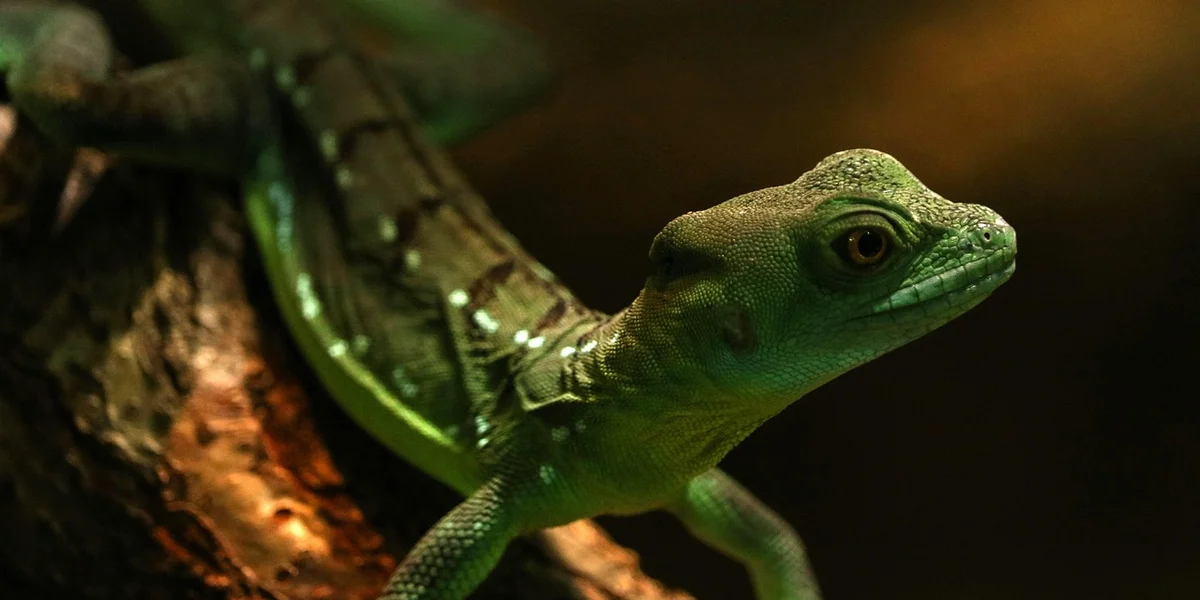
Keeping a close eye on your gecko during a diet change is like being a detective-you’re looking for tiny clues in their behavior and body. I track three main things daily: appetite, stool quality, and weight, because small shifts here can signal big issues early on. With Griffey, my leopard gecko, I noticed he’d eagerly chase crickets but ignore new pellets, so I knew to mix them slower.
- Appetite: Watch how much and how often they eat. A sudden refusal or reduced interest means stress or dislike. Jeter, my crested gecko, once skipped meals for two days when I introduced a fruit paste-I scaled back immediately.
- Stool Consistency: Healthy droppings are firm and well-formed. Runny or discolored stool can point to digestive upset. When Mookie had loose stools after trying a new insect blend, I paused the new food and his gut settled fast.
- Weight Changes: Use a small digital scale weekly. Weight loss over 10% is a red flag; gain might mean overfeeding. Babe’s “power tail” plumped up too much once, reminding me to balance treats with staples.
I use a simple notebook log to jot down meals, weight, and stool notes-it’s cheap and effective. This log helped me spot patterns, like A-Rod’s territorial stress when new foods altered his routine, so I adjusted feeding times to ease his anxiety. If appetite drops for more than three days, stools stay abnormal, or weight shifts sharply, slow the transition by reducing new food amounts. Seek a vet if symptoms persist or include lethargy, swelling, or breathing issues-it’s always better to err on the side of caution for your pet’s welfare.
Avoiding Common Transition Mistakes
Transition mistakes can turn a simple diet change into a health scare, but learning from others’ slip-ups keeps your gecko safe. These slip-ups are exactly the sort of issues highlighted in the common preventable gecko health mistakes. By reviewing that list, you can plan safer, gradual changes. Never swap diets overnight; it shocks their system and can lead to starvation or stress-related illnesses. I once rushed a switch for Griffey, and his curious energy vanished for a week—a hard lesson in patience.
- Sudden Diet Swaps: Abrupt changes disrupt gut bacteria and cause refusal to eat. Always blend old and new foods gradually over weeks.
- Overfeeding Treats: High-fat insects like waxworms or sugary fruits should be occasional. Mookie’s playful leaps slowed when treats made up half his diet-now I limit them to 10%.
- Foods to Avoid: Steer clear of avocado, rhubarb, and citrus-they’re toxic. Also, avoid wild-caught insects that may carry pesticides.
- Practices to Skip: Don’t handle geckos right after feeding; it stresses them. Skip dusty substrates near food bowls to prevent respiratory issues.
From my experience, A-Rod’ meticulous décor rearranging taught me that even small changes in feeding setup can trigger territorial behavior. Stick to a consistent routine and introduce one new food at a time to avoid overwhelming your gecko’s senses and stomach. Remember, a slow, watchful approach isn’t just careful-it’s kind.
FAQs
Which foods should you introduce first during a gecko diet transition?
Start with highly nutritious, easy-to-digest feeder insects like dubia roaches or black soldier fly larvae, as they provide excellent protein and calcium balance for a smooth introduction. For a quick, side-by-side view, check our nutritional value feeder insects complete comparison chart. It highlights protein, calcium, and other key nutrients to help you choose.
What signs indicate a gecko is ready for a diet transition?
Look for consistent healthy behaviors such as a robust weight, active exploration, reliable feeding response, and normal, well-formed droppings before starting the change.
How often should you offer new foods during a gecko diet transition?
Provide new foods mixed with the old diet on a slightly more frequent basis, like daily for juveniles or smaller portions on alternate days for adults, to build familiarity without causing stress.
How long should a gecko diet transition take?
A full transition typically spans three weeks to two months, adjusting based on your gecko’s acceptance rate and overall health stability. Monitoring gecko lifecycle milestones—such as shedding cycles, feeding changes, and growth indicators—helps you anticipate and support each phase. Being aware of these milestones can guide your care during the transition.
What mistakes should you avoid during a gecko diet transition?
Steer clear of abrupt diet changes, overfeeding fatty treats, offering toxic items like avocado, and handling your gecko right after meals to prevent digestive upset and stress. These are among the 9 common gecko feeding mistakes that compromise health. Avoiding them helps keep your gecko healthy and thriving.
Final Words
The entire process boils down to three simple rules: introduce new foods gradually, practice immense patience, and monitor your gecko’s health and behavior like a hawk. I’ve found that rushing this process never ends well, but taking those slow, steady steps always pays off with a happy, healthy gecko. In your first 24 hours, follow this essential step-by-step guide to acclimate your gecko and set up the enclosure. These initial steps lay the foundation for a smooth transition and long-term health.
Being a great gecko owner means committing to lifelong learning and always putting your pet’s welfare first. I’m constantly reading new care guides and adjusting my methods, because our understanding of these amazing creatures is always evolving.
Further Reading & Sources
- r/geckos on Reddit: Whats y’all’s day gecko diet
- What Do Leopard Geckos Eat? Best Food List, Diet & Feeding
- Leopard Geckos: Care and Feeding | VCA Animal Hospitals
The Gecko Guide is your ultimate resource for gecko enthusiasts, providing expert advice and practical tips to ensure the health and happiness of your scaly companions. Alexander is a passionate gecko owner with over a decade of experience in reptile care. We are dedicated to offering accurate, up-to-date information to support your gecko journey.Our mission is to foster a community of responsible gecko owners who are passionate about the well-being of these fascinating creatures.
Gecko Nutrition & Feeding