
Best Hygrometers for Gecko Enclosures
Published on: October 21, 2026 | Last Updated: October 21, 2026
Written By: Alexander 'Gecko Geek' Johnson
Getting the humidity right in your gecko’s tank can feel like a constant guessing game, and a wrong guess can directly impact their health. I’ve stressed over this myself with my own crew, from my leopard gecko Griffey to my crested gecko Jeter. You’re not just buying a gadget; you’re investing in a tool for their wellbeing.
I will help you cut through the confusion by breaking down the key things you need to know. We will cover:
- Why the right humidity level is non-negotiable for healthy shedding and breathing.
- How to spot the difference between a reliable hygrometer and one that will fail you.
- My top-tested product recommendations that I personally trust for my own geckos.
By the end of this guide, you will have a clear, confident plan for monitoring your gecko’s home. We will dive into digital vs. analog hygrometers, key features to look for, placement tips from my experience, and a direct review of the best models available.
Why Precise Humidity Control is Non-Negotiable for Geckos
Getting the humidity wrong in your gecko’s home isn’t just a minor mistake—it’s a direct threat to their health. I’ve seen the consequences firsthand when a friend’s crested gecko struggled to shed because the humidity was consistently too low. Proper humidity is the invisible lifeline that supports their most basic biological functions. That’s exactly why there are eight big mistakes to avoid in gecko hydration and humidity control. Staying mindful of them can help prevent shedding problems and keep your gecko thriving.
Every gecko species has evolved for specific moisture levels. A Giant Day Gecko, like my Babe, thrives in higher humidity, while a Leopard Gecko like Griffey needs it much drier. Humidity, in conjunction with heating, creates the microclimates geckos rely on. When these conditions align, it supports shedding, digestion, and overall health. Sticking to their ideal range prevents a cascade of health problems before they even start.
- Flawless Shedding: Inadequate humidity causes stuck shed, particularly on their delicate toes and tail tips. This can lead to circulation loss and even necrosis.
- Respiratory Health: Overly damp conditions are a breeding ground for bacteria and mold, inviting nasty respiratory infections into your pet’s lungs.
- Hydration Support: Some geckos, like Cresteds, lick water droplets from leaves. The right humidity encourages this natural drinking behavior.
- Overall Vitality: Correct humidity reduces stress on their system, leading to a more active, hungry, and visibly content gecko.
Digital vs. Analog Hygrometers: Which is Right for Your Tank?
Walking into a pet store, you’re faced with a choice: the modern digital reader or the classic analog dial. From my years of keeping everything from feisty Leopard Geckos to calm Fat-Tails, I can tell you this isn’t just about aesthetics. It’s a decision that impacts the accuracy of your entire care routine.
Understanding Digital Hygrometers
These are the sleek, electronic devices with an LCD screen. I rely on them for my more sensitive species. Digital hygrometers use advanced sensors that provide fast, precise readings, often within a 1-3% margin of error. This precision is what you need to truly fine-tune your misting schedule.
- Superior Accuracy: They give you a reliable number you can actually trust to make care decisions.
- **Extra Features:** Many models come with a built-in thermometer, memory functions to track highs and lows, and even remote sensors you can place in different tank zones.
- Durability: With no moving parts, they are less prone to physical damage from an enthusiastic gecko climb or a fall.
The main drawback is power. They need batteries, and a dead battery means a dead reader. I make a habit of checking mine monthly.
Understanding Analog Hygrometers
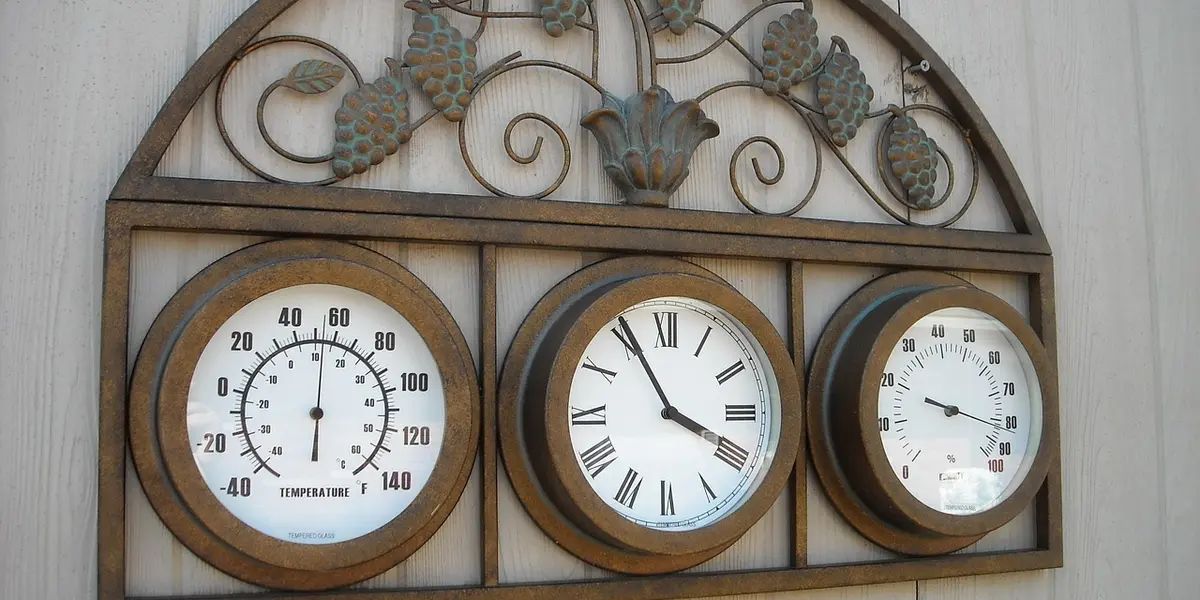
These are the traditional dial-style gauges, often mounted with a suction cup. While they have a certain classic charm, I’ve found them to be more decorative than functional for serious humidity control. They use a coiled metal strip that expands and contracts with moisture, a less precise mechanism.
- Simplicity: No batteries required. You stick it on the glass and it (theoretically) works.
- Cost-Effective: They are generally much cheaper upfront than their digital counterparts.
- Visual Appeal: Some keepers prefer the look of a simple dial in a naturalistic enclosure.
The problem is their notorious inaccuracy. I’ve tested analog gauges against a trusted digital one and seen discrepancies of 10-20%, which is the difference between a healthy habitat and a dangerous one. They also need frequent calibration and can be easily knocked out of alignment.
Quick Comparison Table
| Feature | Digital Hygrometer | Analog Hygrometer |
|---|---|---|
| Accuracy | High (1-5% error) | Low (10-20% error) |
| Power Source | Battery | None |
| Durability | Generally High | Easily Damaged |
| Best For | Precise, reliable monitoring | Basic, low-budget setups |
For the well-being of your gecko, a digital hygrometer is the clear winner. Think of it as a non-negotiable investment in your pet’s long-term health, not an optional accessory. The small extra cost pays for itself in peace of mind. Add it to your essential equipment checklist for your new gecko terrarium. It’s a practical anchor item that helps you monitor humidity as you set up the enclosure.
Key Features to Look for in a Gecko Terrarium Hygrometer
Humidity Monitor with Probe or Remote Sensor
I learned the hard way with my first gecko, Griffey, that a basic stick-on hygrometer is practically useless. They measure the humidity right against the glass, which is almost always drier than the air your gecko is actually breathing in the middle of the terrarium. A unit with a probe or a remote sensor is the single most important upgrade you can make for accurate readings. You can run the wire into the tank and dangle the sensor right at the level where your gecko spends most of its time. To ensure proper leopard gecko humidity control, do control humidity in a leopard gecko tank by keeping readings at the gecko’s level, not on the glass. A steady setup helps with shedding and overall health.
This setup lets you monitor the crucial microclimates. My crested gecko, Jeter, needs high humidity, but his favorite basking branch is naturally a bit drier. With a probe, I can ensure the base of his favorite plant is suitably moist while his sleeping spot isn’t a swamp.
Alarm and Multi-Display Capabilities
Life gets busy, and you can’t stare at the terrarium all day. A hygrometer with programmable high/low alarms is like a trusty assistant. I set mine to beep if the humidity in my gargoyle gecko Mookie’s tank drops below 50% or climbs above 80%. This alarm feature has saved me from potential dehydration issues more than once when a heater unexpectedly dried out the air.
Multi-display units that show both humidity and temperature on one screen are a game-changer for tank management. You get a complete, instant snapshot of the environment. For my Giant Day Gecko, Babe, I use a model that shows the current, high, and low readings for the last 24 hours. This helps me spot trends and make sure his nightly humidity spike is sufficient.
How to Install and Place Your Hygrometer Correctly
Proper placement is just as critical as buying a good device. A perfectly accurate hygrometer in the wrong spot will give you perfectly wrong information.
- Place the sensor at gecko-level. Don’t mount it high up on the back wall. Your gecko lives on the ground, on branches, and on hides. Position the probe in the area where they sleep or hang out most frequently.
- Avoid direct misters and water bowls. Placing the sensor directly in the path of your mister will cause a massive, temporary humidity spike that doesn’t reflect the overall tank conditions. Keep it at least a few inches away.
- Keep it away from direct heat sources. Placing a sensor directly under a heat lamp will give you a false low humidity reading because the immediate area is artificially dried out. It also risks damaging the device.
- Secure wires safely. If your unit has a probe wire, ensure it’s routed in a way that your gecko cannot get tangled in it. I use small, reusable zip ties to keep wires tidy and out of the main climbing paths.
- Test your placement. After you install it, watch the readings for a full day cycle. You should see a natural rise at night and a drop during the day. If the numbers seem stuck, the sensor might be in a dead zone and need repositioning.
Simple Steps to Calibrate Your Hygrometer for Accuracy
Think of your hygrometer like a kitchen scale. If it’s not zeroed out correctly, every measurement will be wrong. A hygrometer that hasn’t been calibrated is just giving you a random number, not a real humidity reading. I learned this the hard way when my crested gecko, Jeter, started looking a little dry-skinned despite my reader showing a perfect 70%. That humidity level matters for easy gecko shedding. Calibrating your hygrometer helps you keep that perfect habitat humidity.
You don’t need a fancy lab kit. The salt test is a simple, reliable method you can do at home. Here’s how I do it for all my geckos’ hygrometers.
- Grab a small, airtight container like a Tupperware or a Ziploc bag. A bottle cap works perfectly for the next part.
- Fill the bottle cap with table salt. Add just enough water to make the salt wet and slushy, but not so much that it’s a puddle. You want a thick, crusty paste.
- Place the bottle cap with the salt slurry and your hygrometer inside the sealed container. Make sure they are not touching.
- Leave the sealed container undisturbed at room temperature for at least 8 hours, or overnight.
After this waiting period, the air inside that container will have stabilized at a known 75% relative humidity. This controlled environment forces your hygrometer to show you its true colors. Now, check the reading.
| If Your Hygrometer Reads… | Then It Is… | Your Calibration Adjustment Is… |
|---|---|---|
| Exactly 75% | Perfectly accurate. You’ve got a good one! | No adjustment needed. |
| 70% | Reading 5% too low. | You must mentally ADD 5% to all future readings. |
| 80% | Reading 5% too high. | You must mentally SUBTRACT 5% from all future readings. |
For digital models with a calibration function, you can usually press a button to adjust the value to 75% right then and there. This simple 15-minute setup can save you from the stress of incorrect humidity levels for months. I do this for every new device and then re-check every six months.
Maintaining Your Hygrometer and Troubleshooting Common Issues
Hygrometers are tough, but they aren’t invincible. A little routine care goes a long way. I gently wipe the sensors on mine with a dry cotton swab every two weeks during full tank cleanings to prevent dust and substrate from clogging them. Never use chemicals or sprays directly on the unit, as this can permanently damage the sensor. For me, this quick wipe is part of the same routine as refreshing my geckos’ water bowls.
When Your Humidity Reader is Too High
If your hygrometer is consistently showing much higher humidity than you expect, don’t just assume your tank is a rainforest. The problem might be the device itself.
- Check for Condensation: Is the display foggy? Moisture might have gotten inside the unit, especially with analog dials. This often ruins them. If you see fog, it’s likely time for a replacement.
- Test its Location: Is it placed directly in the misting path or right over the water dish? Move it to a different spot in the enclosure and see if the reading changes dramatically.
- Clean the Sensor: A film of dust and moisture can trick the sensor. Power it down, remove it from the tank, and let it dry completely for 24 hours before gently cleaning the sensor area.
When Your Humidity Reader is Too Low
A perpetually low reading can be just as misleading. Your gecko could be living in a swamp while your device claims it’s a desert.
- Re-calibrate Immediately: This is the most common culprit. Go back to the salt test. Drift over time is normal, and a quick re-calibration often solves everything.
- Check the Battery: For digital models, a dying battery can cause the readings to become inaccurate or the screen to dim. A simple battery swap is the easiest fix you’ll ever do for your pet’s habitat.
- Consider Sensor Age: Like all things, hygrometers don’t last forever. The sensors in cheaper models can wear out after a year or two of constant use. If re-calibration doesn’t work, the sensor may have reached the end of its life.
My golden rule is to always trust my eyes and my geckos over a digital screen. If your gecko is shedding perfectly and acting normally, but the number seems off, the device is probably wrong. If you’re concerned, observe for normal vs abnormal gecko behaviors—signs like changes in appetite, activity, or hiding that differ from the usual pattern. Your animal’s welfare is the ultimate indicator of your enclosure’s health.
How We Evaluate the Best Hygrometers for Geckos
I’ve tested more hygrometers than I can count, and I’ve learned that not all are created equal. A faulty reading can be the difference between a thriving gecko and a stressed one, so my evaluation process is ruthlessly practical. I base everything on what actually works inside a warm, humid, and sometimes messy gecko home. This is the foundation of my ultimate gecko health troubleshooting checklist. It’s a step-by-step diagnostic guide to keep your gecko thriving.
Accuracy is Non-Negotiable
The number one job of a hygrometer is to tell the truth. I test every unit against a calibrated professional-grade meter. If it’s off by more than 5%, it fails my test immediately. My Crested Gecko, Jeter, needs 60-80% humidity, and a 10% error could push him into dehydration or respiratory infection territory.
Reliability Over Time
Many devices start strong but drift over weeks or months. I run units for at least 60 days to see how they hold up. Consistency is what separates a good tool from a great one. My Giant Day Gecko, Babe, would loudly protest any humidity swings, and a reliable hygrometer keeps him (and my ears) happy.
Key Durability Factors We Test:
- Water Resistance: Can it handle misting and occasional drips?
- Probe Strength: Are the wires and sensors robust?
- Battery Life: How often will you be swapping batteries?
Ease of Use and Placement
A perfect reading is useless if you can’t see it or place the sensor correctly. I look for clear displays, strong magnets, and probes with long enough cables. My Leopard Gecko, Griffey, has a warm hide and a cool hide; I need a unit that can accurately monitor both zones without a fuss.
Sensor Type Matters
You’ll find two main types of sensors. Knowing the difference is crucial for your gecko’s comfort.
Digital Hygrometers (Capacitive Sensors)
- Highly accurate and responsive.
- Resists calibration drift.
- My top choice for most situations.
Analog Hygrometers
- Often less accurate and slower to respond.
- Can be permanently damaged by high humidity.
- I generally advise against them for critical monitoring.
Ultimately, the best hygrometer is the one you trust to give you a perfect reading, day after day. It’s the silent guardian that lets you sleep soundly, knowing your gecko’s environment is just right.
FAQs
What are the ideal humidity ranges for common gecko species like leopard and crested geckos?
Leopard geckos thrive in lower humidity around 30-40%, while crested geckos require higher levels of 60-80% to support proper shedding and hydration. Proper humidity is essential for their health.
Can I use a regular room hygrometer for my gecko tank, or do I need a special one?
You should use a terrarium-specific hygrometer with a probe for accurate readings, as standard room models may not handle the enclosed, humid environment effectively.
How do I know when it’s time to replace my hygrometer?
To ensure proper thermostat hygrometer accuracy, regularly calibrate the hygrometer using a known reference. Replace your hygrometer if it consistently shows inaccurate readings even after calibration, or if it shows signs of physical damage like condensation inside the unit.
Final Thoughts on Humidity Control
Ultimately, your best bet is a reliable digital hygrometer placed on the cool side of the enclosure, checked against a known standard, and recalibrated every few months. This simple routine gives you the accurate data needed to create the perfect environment for your scaly friend.
Owning a gecko is a wonderful commitment, and taking the time to monitor their home this closely is a direct reflection of your dedication to their welfare. This is also about gecko habitat husbandry—providing a secure enclosure with proper temperature and humidity. Keep asking questions, keep learning, and your gecko will reward you with their unique personality and companionship for years to come.
Further Reading & Sources
- 5 Best Thermometers & Hygrometers for Reptiles & Amphibians – FrogPets
- Complete Humidity and Hydration Guide For Crested Geckos – Zen Habitats
- The Thermometer Hygrometer I like To Use With My Reptiles | Crested Gecko Updates | DIY Reptiles – YouTube
The Gecko Guide is your ultimate resource for gecko enthusiasts, providing expert advice and practical tips to ensure the health and happiness of your scaly companions. Alexander is a passionate gecko owner with over a decade of experience in reptile care. We are dedicated to offering accurate, up-to-date information to support your gecko journey.Our mission is to foster a community of responsible gecko owners who are passionate about the well-being of these fascinating creatures.
Humidity Control