
How Long Can Leopard Geckos Go Without Food? Vet-Reviewed Facts
Published on: October 15, 2026 | Last Updated: October 15, 2026
Written By: Alexander 'Gecko Geek' Johnson
You’ve probably found yourself staring at your leopard gecko’s untouched food dish, heart sinking as you wonder how long they can safely go without eating. It’s a gut-wrenching feeling every reptile owner experiences at some point.
I’ve been there with my own high-yellow leopard gecko, Griffey, who once decided to go on a two-week hunger strike right after I upgraded his tank. Let’s break down exactly what’s normal, what’s dangerous, and when you need to take action.
In this guide, you’ll learn:
- Safe fasting periods for different age groups
- Critical warning signs that demand immediate vet care
- Practical steps to encourage eating during hunger strikes
We cover leopard gecko survival without food, signs of starvation, safe fasting duration, brumation behavior, and emergency protocols. These topics form the emergency care essentials for leopard geckos. Being prepared with these steps helps you act quickly during a feeding hiatus. You’ll finish reading with clear, actionable advice to handle your gecko’s feeding hiatus with confidence.
Leopard Gecko Survival Without Food
How long can a leopard gecko fast safely?
Include typical durations for healthy adults, factors like metabolism and storage
In my years caring for leopard geckos like Griffey, I’ve found that healthy adults can typically fast for 10 to 14 days without major issues. Their fat-rich tails act as a built-in energy reserve, letting them tap into stored resources during short fasts. Metabolism plays a key role-slower metabolisms in cooler environments extend this window, while stress or illness can shorten it. I always monitor their tail thickness; a plump tail means they have reserves to draw from.
Age-based differences in food deprivation
Cover baby, juvenile, and adult leopard geckos, with specific survival timelines
Age drastically changes how long leopard geckos can go without food. Baby geckos are like tiny engines-they burn through energy fast and can’t last more than 2-3 days without eating. Juveniles might manage 5-7 days, but adults, with their larger fat stores, handle 10-14 days better. From my experience, skipping meals is riskier for younger geckos because they’re still growing and need consistent nutrition.
- Babies (0-6 months): 2-3 days max-feed them daily to support rapid growth.
- Juveniles (6-12 months): 5-7 days-their metabolism is still high, so monitor closely.
- Adults (1+ years): 10-14 days-tail fat helps, but don’t push it beyond two weeks.
Environmental factors affecting fasting
Discuss temperature, humidity, and seasonal changes like brumation
Your gecko’s environment plays a huge role in how long they can fast. Cooler temperatures slow their metabolism, letting them go longer without food-think of it as a natural energy-saver mode. Humidity affects hydration, which ties into fasting endurance. During brumation, a seasonal dormancy similar to hibernation, my geckos have fasted for weeks without problems. But this only happens in controlled settings with proper temperature drops; in normal conditions, avoid prolonged fasting.
- Temperature: Below 75°F (24°C) slows digestion, extending fasting time.
- Humidity: Low levels risk dehydration, shortening safe fasting periods.
- Brumation: In winter, they may fast for 4-8 weeks naturally-always consult a vet before inducing it.
When fasting becomes dangerous
List signs of illness or health risks, when to seek vet care
Fasting turns risky when you notice specific red flags. If your gecko’s tail thins noticeably, they become lethargic, or their eyes look sunken, it’s time to act fast. I learned this the hard way when one of my geckos refused food for over two weeks and started losing weight rapidly. Seek vet care immediately if fasting exceeds 14 days or if you see these signs-early intervention can prevent serious health issues like organ failure.
- Sudden weight loss or a skinny tail
- Lethargy or lack of movement
- Sunken eyes or wrinkled skin
- No interest in food for extended periods
Leopard Gecko Survival Without Water
How long can leopard geckos go without water?
Explain hydration needs, risks of dehydration, and average survival time
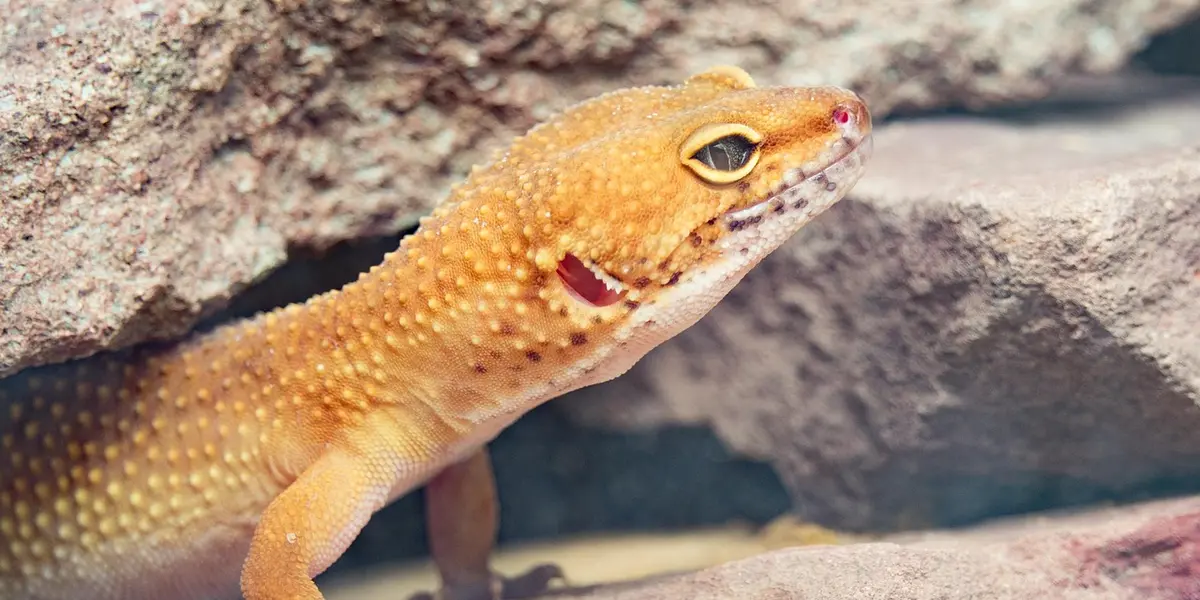
Leopard geckos need water far more urgently than food-they can only survive 2-4 days without it. Dehydration sets in quickly and can lead to kidney problems or even death, so never skip their water supply. In my routine, I check Griffey’s water dish daily because even a short lapse can cause stress. They absorb moisture from their environment and drink from dishes, making consistent access non-negotiable.
Signs of dehydration in leopard geckos
Describe physical checks like skin elasticity, sunken eyes, and behavior changes
Spotting dehydration early is key to your gecko’s health. Perform a simple skin pinch test: gently pull the skin on their back-if it doesn’t snap back quickly, they’re dehydrated. Other signs include sunken eyes, dry or flaky skin, and lethargy. I’ve caught this in my geckos by noticing they seemed less active and their skin lost its usual suppleness. It really helps to know the signs of dehydration in pet geckos to catch it early.
- Skin stays tented after a gentle pinch
- Eyes appear sunken or dull
- Reduced appetite and energy levels
- Sticky mouth or difficulty shedding
How to ensure water availability
Tips on water dishes, humidity levels, and hydration aids
Keeping your leopard gecko hydrated is straightforward with a few smart habits. Use a shallow, sturdy water dish to prevent tipping and refill it with fresh water daily-I do this first thing in the morning for my crew. Maintain humidity around 30-40% by misting lightly or using a humid hide – what are the ideal humidity levels for leopard geckos. For extra hydration, offer water via a dropper or include moist foods like gut-loaded insects.
- Choose a heavy, shallow dish to avoid spills.
- Monitor humidity with a gauge and mist if needed.
- Add a humid hide filled with damp moss for drinking and shedding aid.
- Check water temperature-room temp is best to encourage drinking.
Common Reasons Leopard Geckos Stop Eating
Natural fasting behaviors
Cover brumation, shedding, breeding season, and stress-induced anorexia
Your gecko isn’t just being picky. Sometimes, not eating is a completely normal part of their rhythm. I’ve seen all my geckos, especially my high-yellow leopard gecko Griffey, go through these phases.
Brumation is like a reptile’s version of hibernation, often triggered by cooler temperatures or shorter daylight hours in your home. Their metabolism slows way down, and they might not eat for weeks, preferring to lounge in their hide. It’s a natural energy-saving state.
When a gecko is getting ready to shed its skin, eating is the last thing on its mind. The old skin becomes tight and cloudy over their eyes, making it hard to see. My geckos always go off food for a few days before a shed; it’s their way of avoiding predators when they feel vulnerable.
Breeding season can also cause appetite changes, even in pets not actively breeding. Hormones surge, and their focus shifts. Stress is another huge factor. A loud noise, a new pet in the house, or even you rearranging their furniture can cause a brief hunger strike.
Husbandry-related causes
Discuss improper temperature, prey items, or enclosure issues
Often, a feeding problem is our fault, not the gecko’s. Their bodies are finely tuned to their environment, and if it’s off, they will protest by not eating. Understanding why your gecko is not eating and what to do about it can be crucial for their health.
- Improper Temperature: Leopard geckos need a warm belly to digest their food. Without a proper heat gradient-around 88-92°F (31-33°C) on the warm side and 70-77°F (21-25°C) on the cool side-they can’t process a meal. It will just sit in their gut and rot.
- Wrong Prey Items: Offering food that is too large, like a giant mealworm, can intimidate them. I made this mistake once, and my gecko looked at the worm like it was a monster. Prey should be no wider than the space between your gecko’s eyes. A lack of variety can also lead to boredom.
- Enclosure Issues: Too much open space without hides can make a gecko feel exposed and stressed. A new, overly large enclosure can have the same effect. Ensure they have at least two snug hides-one on the warm side and one on the cool, moist side.
Differentiating normal fasting from problems
Guidance on when lack of eating signals illness or stress
So how do you tell if it’s a harmless fast or a real problem? The biggest clue is their tail. A healthy leopard gecko stores fat in its tail, so a plump tail means they have reserves to live on. A normal fast, like during shedding, doesn’t cause rapid weight loss.
If your gecko is refusing food AND their tail is visibly thinning, that’s a major red flag. Other warning signs include hiding constantly, lethargy (not just calmness), and signs of dehydration like sunken eyes. A healthy fast is temporary; a problem fast is accompanied by a decline in overall condition.
Recognizing Signs of Fasting and Dehydration
Physical and behavioral indicators
List weight loss, lethargy, changes in poop, and skin condition
You need to become a detective with your gecko. Observing small changes can prevent a big crisis.
- Weight Loss: The tail is your best indicator. A skinny, bony, or wrinkled tail means they are burning through their fat stores.
- Lethargy: A gecko that is normally curious, like my Griffey, but now barely moves from its hide is signaling a problem. They should be alert when you approach.
- Changes in Poop: Healthy poop has a solid, dark part (the feces) and a white part (urates). Runny, discolored, or absent poop can indicate impaction or illness.
- Skin Condition: Dehydrated skin loses elasticity. Gently pinch a bit of skin on their back; if it doesn’t snap back quickly, they are dehydrated. Stuck shed, especially on toes and the tip of the tail, is another classic sign.
How to monitor your gecko’s health
Steps for regular checks and tracking feeding habits
Proactive monitoring is the key to catching issues early. I do a quick “wellness walk-around” every time I spot-clean their enclosures.
- Weigh Weekly: Use a small kitchen scale in grams. Track their weight in a notebook. A stable weight is a good sign, even if they aren’t eating every day.
- Track Feeding: Note what you offer, what they eat, and when they refuse. This log helps you spot patterns related to shedding or other cycles.
- Visual Inspection: Look for bright, clear eyes, a thick tail, and alert behavior. Check their vent (the opening under the base of the tail) for any leftover shed or dirt.
- Observe Behavior: Are they active at dusk and night? Do they explore? A sudden change in routine is often the first hint of trouble.
When to worry about food or water deprivation
Red flags that require immediate action or vet care
While geckos are tough, there are clear lines you should never cross. If a juvenile gecko (under one year) refuses all food for more than 3-4 days, it’s time to investigate immediately. They don’t have the fat reserves of an adult.
For an adult, after 10-14 days of a complete food strike, you need to be concerned, especially if their tail is shrinking. Other emergency red flags include:
- Sunken eyes or wrinkled skin
- Limpness or inability to right themselves
- Obvious weight loss in the body and tail
- No urates (the white part of poop) for over a week
- Pale, grayish, or sticky gums
Any of these symptoms, especially in combination, warrant an urgent call to an exotic vet. Don’t wait and see. Dehydration and starvation can cause organ failure, and by the time the signs are obvious, the situation can be critical.
How to Help a Fasting Leopard Gecko
Steps to take if your gecko refuses food
When my gecko Griffey goes on a hunger strike, I don’t panic. I start a systematic check of his world. The first step is always to verify your husbandry is perfect, as this solves most feeding issues.
Include adjusting environment, offering different prey, and handling tips
- Adjust the Environment: Double-check your temperature gradients with a digital thermometer. The warm hide should be 88-92°F. I found that a drop of just a few degrees made Griffey lose his appetite completely.
- Offer Different Prey: Geckos can be picky. If they snub mealworms, try gut-loaded crickets. My other gecko will only eat dubia roaches if I wiggle them with tonges.
- Minimize Handling: During a fast, stop all handling unless absolutely necessary. This reduces stress, which is a major cause of appetite loss.
- Ensure they have a moist hide with damp sphagnum moss. Proper hydration can sometimes kickstart their appetite.
Safely reintroducing food after a fast
When your gecko is ready to eat again, don’t offer a huge feast. Start with a smaller, easy-to-digest meal to avoid overwhelming their system. Think of it like having soup after being sick. If you’re transitioning to a new diet, do it gradually. Introduce one new food at a time and keep portions small.
Recommend easy-to-digest insects, feeding schedule, and supplements
- Easy-to-Digest Insects: Start with smaller, softer feeders. I have the best luck with small crickets or freshly shed mealworms (they’re white and soft).
- Feeding Schedule: Offer just 2-3 insects on the first day. If they keep that down, you can slowly increase the amount over the next week.
- Supplements: Lightly dust the first few meals with a pure calcium supplement (without D3). Hold off on multivitamins until they are eating regularly again.
When to contact a veterinarian
You are your gecko’s best advocate. If your gecko loses more than 10% of its body weight or shows other worrying symptoms, it’s time for the vet. I never hesitate to call mine. Be alert for other red flags that mean a vet visit is urgent. Signs include lethargy, loss of appetite, abnormal shedding, swelling, or labored breathing—if you notice any, see a vet immediately.
Outline scenarios for professional help and expected treatments
- You see visible weight loss, especially a thin tail or prominent hip bones.
- The fast lasts longer than 2-3 weeks for an adult, even if they seem fine.
- They show other symptoms like lethargy, sunken eyes, or difficulty shedding.
- A reptile vet may run a fecal test for parasites, provide fluid therapy for dehydration, or prescribe a critical care diet.
Preventing Fasting with Proper Care
Ideal feeding schedule and diet
Consistency is the secret to a happy, hungry gecko. A predictable routine with a varied menu prevents most random fasting behavior. My crew knows when feeding time is and they’re always waiting.
Outline frequency, prey variety, and calcium supplementation
- Frequency: I feed my healthy adults every other day. Juveniles get food daily. This mimics their natural feeding patterns.
- Prey Variety: Rotate between 2-3 staple feeders. Our regular rotation is dubia roaches, crickets, and black soldier fly larvae.
- Calcium Supplementation: I dust almost every meal with a calcium supplement. One feeding per week, I use a multivitamin instead. A small dish of plain calcium powder is always in the enclosure.
Optimizing enclosure conditions
Your gecko’s tank is their entire universe. Getting the temperature, humidity, and security right is non-negotiable for their well-being and appetite. A stressed gecko is a gecko that won’t eat.
Cover temperature gradients, humidity, and hiding spots
- Temperature Gradients: A warm side (88-92°F) for digestion, a cool side (70-75°F) for comfort, and a basking spot. I use an under-tank heater regulated by a thermostat.
- Humidity: Keep the overall tank around 30-40%. The moist hide should be higher, around 70-80%, to aid with perfect sheds.
- Hiding Spots: Provide at least three hides: one on the warm end, one on the cool end, and a moist hide in the middle. Clutter like fake plants makes them feel safe.
Routine health maintenance
Don’t wait for a problem to appear. Proactive, simple checks take just minutes but give you priceless peace of mind about your pet’s health. I do a quick “gecko check” every time I spot-clean.
Tips on regular weigh-ins, observation, and proactive husbandry
- Regular Weigh-ins: Weigh your gecko monthly with a small digital scale. Log the weight. This helps you catch slow, sneaky weight loss you might miss with your eyes.
- Daily Observation: Just watch them for five minutes. Are they active at night? Are their eyes bright? You’ll learn their normal behavior and spot changes instantly.
- Proactive Husbandry: Change their water daily. Spot-clean waste immediately. Do a full tank deep-clean once a month. A clean home is a healthy home.
Common Questions
Are there seasonal fasting patterns for leopard geckos?
Yes, leopard geckos often exhibit reduced appetite or fasting during cooler winter months, a period mimicking natural brumation cycles.
Should leopard geckos fast before a medical procedure?
You should only have your leopard gecko fast before a veterinary procedure if specifically instructed to do so by your exotic animal vet.
How to differentiate between true fasting and stress-induced anorexia?
True fasting typically occurs in an otherwise healthy, alert gecko with good body condition, while stress-induced anorexia is accompanied by hiding, skittishness, and other behavioral changes.
What foods are best to offer after a fast for leopard geckos?
After a fast, offer small, easy-to-digest insects like small crickets or waxworms to gently restart your gecko’s digestive system.
What steps should be taken if a gecko refuses food after a long fast?
If your gecko continues to refuse food after a long fast, you should consult an exotic veterinarian to rule out underlying health issues like impaction or parasites. Many common gecko feeding problems are solvable with adjustments to diet and environment. Identifying the issue and applying practical fixes can restore normal feeding behavior.
Final Thoughts
To recap, a healthy adult leopard gecko can typically go without food for about 10 to 14 days, while juveniles need to eat far more frequently. The one thing they can never go without is fresh, clean water, which must be available at all times. Always monitor their tail thickness and behavior, as any signs of lethargy or significant weight loss mean it’s time for a vet visit. Common feeding issues to watch for include sporadic appetite and refusals to eat. Regurgitation can also occur and should be discussed with a vet.
Your gecko’s health is a direct reflection of your care. Being a proactive and informed owner is the single best thing you can do for your scaly friend’s long and happy life. Never stop learning and refining your husbandry practices-your gecko will thank you for it.
Further Reading & Sources
- How Long Leopard Geckos Can Go Without Food (By Age) – Reptile Craze
- How Long Can Leopard Geckos Go Without Food? – Reptile Jam
- How Long Can Leopard Geckos Go Without Food? What Every Owner Needs to Know!
The Gecko Guide is your ultimate resource for gecko enthusiasts, providing expert advice and practical tips to ensure the health and happiness of your scaly companions. Alexander is a passionate gecko owner with over a decade of experience in reptile care. We are dedicated to offering accurate, up-to-date information to support your gecko journey.Our mission is to foster a community of responsible gecko owners who are passionate about the well-being of these fascinating creatures.
Hydration & Water Needs