
Understanding Gecko Behavior and Temperament: A Complete Guide
Published on: December 21, 2025 | Last Updated: December 21, 2025
Written By: Alexander 'Gecko Geek' Johnson
Is your gecko acting strangely, and you’re not sure if it’s normal or a sign of trouble? You watch them lick their eyeballs, hide all day, or chirp unexpectedly, and it’s easy to worry. I’ve been there with my own crew of five, from the energetic leopard gecko Griffey to the bold giant day gecko Babe.
I’m here to help you decode those puzzling actions. This guide will give you the confidence to understand your pet’s unique personality and needs. We will cover:
- How to correctly read your gecko’s body language.
- The best, stress-free methods for handling and building trust.
- Key differences in behavior between popular gecko species.
You’ll get clear, practical advice based on real experience and animal welfare. This complete guide covers: gecko body language, handling and taming, vocalizations and sounds, daily and seasonal activity, common behavioral problems and solutions, and personality differences by species.
Gecko Behavior Basics: What Every Owner Should Know
Defining Normal vs. Abnormal Actions
Knowing what your gecko does every day helps you spot health issues early. Normal behaviors show your pet is happy and healthy, while abnormal ones can signal stress or sickness. I learned this firsthand with my leopard gecko, Griffey, who taught me to watch for his playful antics.
Common normal activities include:
- Splooting: Lying flat to absorb heat, like Griffey does after meals.
- Climbing: Exploring enclosures, especially in arboreal species.
- Nocturnal hunting: Searching for food at night with sharp instincts.
I remember Griffey splooting under his heat lamp, a sure sign he was digesting well. But if he ever refused food or hid constantly, I knew something was wrong. Use this table to compare behaviors quickly.
| Normal Behavior | Abnormal Behavior |
|---|---|
| Active at night, hunting and exploring | Lethargic during normal active hours |
| Regular eating and drinking | Loss of appetite or weight |
| Calm handling responses | Aggressive biting or constant hiding |
Nocturnal Habits and Daily Rhythms
Geckos are active at night to avoid predators and hunt in cooler temperatures. This natural rhythm means you must adjust care to match their dark-time needs. My geckos, like Mookie the gargoyle, come alive after sunset, leaping and climbing with energy.
Do geckos hunt at night? Absolutely. Leopard geckos like Griffey stalk crickets in low light, using their keen senses. This is why night feeding works best for many species.
Set up a night-friendly enclosure in these steps:
- Use no bright lights at night to mimic their natural environment.
- Provide plenty of hides for security and rest.
- Offer food in the evening to align with their hunting instincts.
Species-Specific Gecko Personalities
Leopard Gecko Temperament and Traits
Leopard geckos are often curious and easy-going. They love splooting on warm surfaces and climbing low structures. Griffey, my high yellow morph, is always exploring his hides with enthusiasm.
Why might they climb the tank? It could be boredom or a need for more space. Climbing doesn’t always mean they want attention; sometimes it’s just natural exploration. Ensure their enclosure has safe climbing spots.
Based on my experience, friendlier leopard gecko morphs include:
- High Yellow: Energetic and curious, like Griffey.
- Normal: Often calm and adaptable.
Compare different species’ temperaments here:
| Species | Typical Temperament |
|---|---|
| Leopard Gecko | Curious, gentle, easy to handle |
| Crested Gecko | Calm, enjoys climbing, handling-tolerant |
| Tokay Gecko | Territorial, vocal, not ideal for handling |
Crested and Tokay Gecko Behaviors
Crested geckos show social cues through calm postures and gentle movements. My crested gecko Jeter perches high and accepts handling with confidence. He rarely acts aggressive, making him a great pet for beginners.
Tokay geckos are more territorial and may hiss or bite if threatened. They see prey with excellent night vision and strike quickly. I advise against handling them to reduce stress.
Handling tips vary by species. For crested geckos like Jeter, use slow, gentle lifts to build trust. With tokays, focus on observing their behaviors from a distance to keep everyone safe.
Decoding Gecko Communication and Body Language
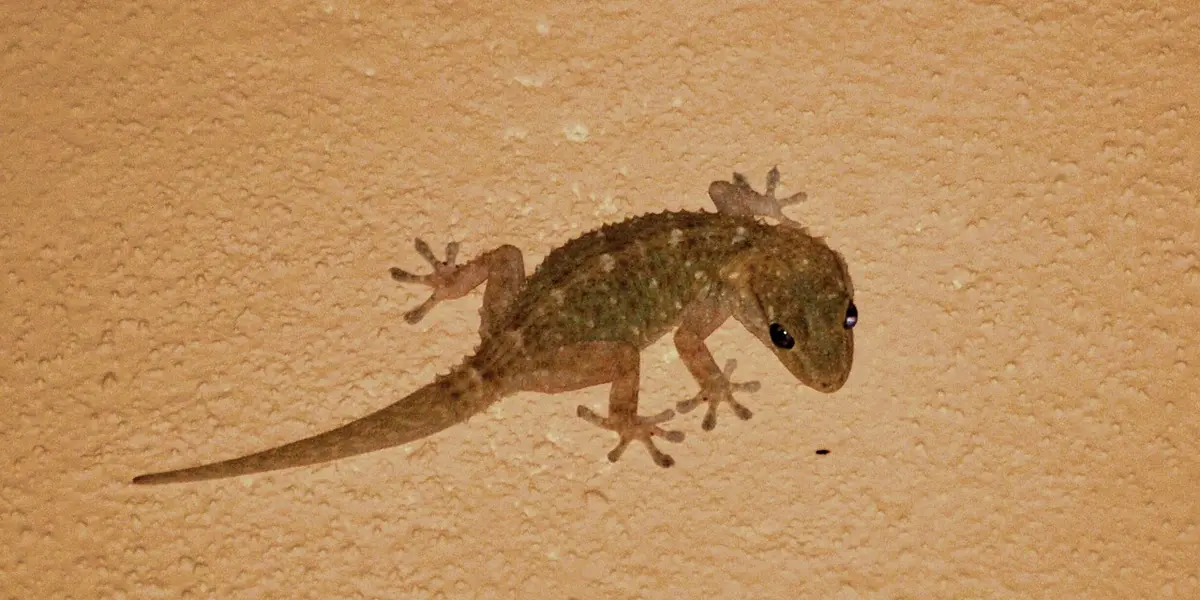
Understanding Tail Signals and Vocalizations
Your gecko talks to you every day, not with words, but through tail flicks and little sounds. Learning this language helps you understand their mood and needs instantly. I’ve spent years watching my crew, and their tail movements are like a secret code. Griffey, my leopard gecko, often wags his tail slowly when he’s curious about a new hide, while A-Rod, my fat-tailed gecko, uses his tail to say “back off” if I move too fast.
Geckos make noise for various reasons, from chatting to complaining. Vocalizations are their way of expressing everything from happiness to high stress. For instance, my crested gecko Jeter sometimes lets out soft chirps when he’s content during handling, but louder barks can mean he’s startled. It’s their built-in alarm system!
Here’s a handy list of common gecko signals I’ve decoded over time:
- Slow Tail Wag: This often means mild curiosity or low-level stress. Think of it as your gecko saying, “Hmm, what’s that?” I see this with Griffey when he’s exploring.
- Fast Tail Vibrations: A warning sign of agitation-like a tiny rattlesnake imitation. If you see this, give them space to avoid a nip.
- Tail Dropping: A defense move where they shed their tail to escape danger. It’s dramatic but natural; just keep their habitat calm to prevent it.
- Chirping or Clicking: Usually a happy sound, like when Mookie, my gargoyle gecko, leaps around during feeding time. It’s his way of cheering for crickets!
- Hissing or Barking: Signals fear or aggression. Babe, my day gecko, once barked when a new decoration spooked him-it’s his “get out of my room” yell.
Reading Stress and Aggression Cues
Spotting stress early keeps your gecko healthy and happy. Stress signs are subtle but clear once you know what to look for. These stress cues are often tied to the gecko’s environment. Adjusting temperature, humidity, lighting, and hiding spots can reduce stress. From my experience, a stressed gecko might hide constantly, refuse food, or show color changes—like Jeter turning pale when his tank was too humid. Catching these cues fast prevents bigger issues.
Follow these steps to identify and ease stress in your gecko:
- Watch for hiding more than usual or frantic climbing, which signals discomfort.
- Check their appetite; a sudden drop means something’s wrong. I learned this when Griffey stopped eating due to a temperature dip.
- Look for physical signs like tail thinning or lethargy. A-Rod once got stressed from overcrowded décor, so I simplified his setup.
- Reduce stress by adding more hides, adjusting temperatures, and minimizing handling until they relax.
- Ensure a quiet environment-loud noises can spook them. I play soft music to calm my geckos during tank cleanings.
Territorial behavior is common, especially in solitary species. Managing aggression starts with respecting their space and avoiding cohabitation unless species-specific. For example, A-Rod is highly territorial and will hiss if another gecko is near his area. I keep him solo to prevent fights, as forcing them together can lead to injuries. Territorial behavior is a major driver of aggression in geckos. To manage this, many keep territorial species single housed to prevent conflicts.
When calming an agitated gecko, I rely on gentle techniques. Once, Mookie got worked up after a loud noise, so I dimmed the lights and spoke softly to him until he settled. Moving slowly and offering a favorite treat, like a waxworm, can also distract and soothe them. Remember, patience is key-rushing only makes it worse. For more tips on calming a stressed gecko, be sure to check out this guide.
Handling and Bonding with Your Gecko
Safe Handling Techniques for Different Species
Picking up your gecko the wrong way can shatter their trust and send them into a panic. Proper handling is less about grabbing and more about inviting, creating a calm transition from their world to yours. Here is a step-by-step guide to get you started safely.
A Step-by-Step Guide to Stress-Free Handling
- Wash your hands thoroughly with unscented soap. Geckos rely heavily on smell, and strong scents can be alarming.
- Move slowly and deliberately. Avoid casting a large shadow over the terrarium, which can trigger a predator response.
- Place your hand flat and palm-up inside the enclosure. Let your gecko see and investigate you first. Do not approach from above.
- Gently slide your hand under their belly, supporting their entire body and all four legs. Never grab them by the tail.
- Lift them slowly and keep handling sessions short-just 5 to 10 minutes to start.
- Always handle them close to a soft surface, like over a bed or a couch, in case they decide to make a leap.
Species-Specific Handling Advice
Not all geckos are the same; their body structure and personality demand different approaches.
- Leopard Geckos (like my Griffey): These are terrestrial and generally more tolerant of handling. The key with leopard geckos is full body support, as they lack the sticky toe pads that climbers have. They feel secure when their whole belly is resting on your palm.
- Crested Geckos (like my Jeter): These are arboreal and can be skittish. They will jump, so be prepared! Let a crested gecko walk from a branch onto your hand voluntarily rather than being scooped up. Their tails can detach, so avoid any situation where they might feel the need to drop it.
I learned this the hard way with my first gecko, Griffey. I once reached in too quickly to adjust a water dish, and he startled, leaping off his hide and landing with a soft thud on the substrate. That single moment of carelessness set our bonding progress back by weeks, as he became wary of my hands. Patience is not just a virtue; it’s a requirement.
Building a Bond: Do Geckos Bond with Humans?
This is the million-dollar question. Geckos do not form emotional bonds in the way a dog or cat does. What we interpret as bonding is actually a process called habituation, where the gecko learns you are not a threat and can be a source of good things. My crested gecko, Jeter, doesn’t love me, but he associates my presence with safety and food.
Effective Bonding Activities
- Hand Feeding: This is the single fastest way to build positive associations. Use tweezers to offer their favorite insect or a dab of Crested Gecko Diet.
- Enclosure Talk: Sit by their tank and speak to them in a calm, low voice daily. This gets them used to your sound and smell.
- Presence without Pressure: Simply read a book or work on your laptop next to their enclosure. Your non-threatening presence is powerful.
- Scent Introduction: Place a worn (but clean) t-shirt or sock near the tank so they become familiar with your unique scent.
This process is not quick; it can take weeks or even months of consistent, gentle interaction to see a noticeable change in their comfort level. My feisty A-Rod, an African Fat-Tailed Gecko, took nearly a year to stop huffing at me every time I walked by. Forcing a nervous gecko to be handled is counterproductive and cruel. Animal welfare must always come before our desire for interaction; if your gecko is consistently hiding or trying to escape, you need to take a step back and slow down. Trust is earned on their terms, not yours.
How Your Enclosure Setup Affects Gecko Behavior

Think of your gecko’s terrarium as their entire world. A well-setup enclosure doesn’t just keep them alive; it allows their true, confident personality to shine through. I’ve seen shy geckos become curious explorers and stressed geckos become calm companions, all from a few simple tweaks to their home.
Optimizing Temperature, Humidity, and Lighting
Getting the environment right is the single most impactful thing you can do for your gecko’s mood. These conditions are their non-negotiable comforts. Proper habitat setup also helps prevent common gecko illnesses. Stable temperatures, the right humidity, and clean substrate protect against dehydration, respiratory issues, and skin infections.
A proper heat gradient is like giving your gecko a thermostat. They need a warm basking spot to digest food and a cooler area to chill out. Without this choice, they become lethargic, stop eating, or seem perpetually stressed. My Giant Day Gecko, Babe, will literally press himself against the glass under his heat lamp if the temperature drops even a little-he knows exactly what he needs!
Lighting acts as their internal clock. For diurnal species like Giant Day Geckos, a consistent day/night cycle regulates their energy levels. For nocturnal geckos like my Leopard Gecko, Griffey, even ambient room light tells him when it’s safe to come out and hunt. However, geckos typically do not require light during the night.
Your Quick-Start Enclosure Checklist
- Install an under-tank heater or ceramic heat emitter on one side of the tank.
- Use two digital thermometers: one for the warm side, one for the cool side.
- Provide a humid hide filled with damp sphagnum moss for shedding.
- Use a timer for any daytime lights to ensure a consistent 12-hour cycle.
- Check humidity daily with a hygrometer; mist the enclosure if needed for your species.
When I first got my Crested Gecko, Jeter, he was hiding all the time. I realized his humidity was too low. Adding a simple automated mister transformed him from a recluse into the calm, handleable gecko he is today. It was a stark reminder that their behavior is a direct reflection of their comfort.
Enrichment Ideas to Prevent Boredom
Imagine living in a blank, white room with nothing to do. That’s a boring enclosure for a gecko. Enrichment is crucial for their mental health and natural behaviors. A deep dive into gecko enrichment explains why mental stimulation matters. It also offers practical ways to keep geckos curious and active.
Think of enrichment like giving your gecko a fun playground instead of an empty lot. A stimulated gecko is an active, curious, and healthier gecko. My Gargoyle Gecko, Mookie, would just sit on one branch until I added more climbing options. Now he leaps around every night!
Creative Enrichment Items for Your Gecko
- Climbing Structures: Cork bark rounds, grapevine wood, and magnetic ledges.
- Hiding Spots: Multiple hides in different temperatures and humidity levels.
- Textural Variety: A mix of smooth leaves, rough rocks, and soft moss.
- Foraging Opportunities: Place food dishes in different locations or use puzzle feeders for smarter species.
How to Rotate Décor to Keep Things Fresh
You don’t need to buy new stuff every week. Simply rearranging what you have works wonders.
- Once a month, during a regular tank cleaning, take all the décor out.
- Put the hides and branches back in new spots. Move the food dish to a different area.
- Add one “new” old item you had stored away, like a different piece of wood.
- Watch your gecko re-explore their “new” home with fresh curiosity.
It’s like when you rearrange your living room furniture-suddenly the space feels new and exciting again. This simple rotation prevents habituation and encourages natural exploring and climbing behaviors every single day. My African Fat-Tailed Gecko, A-Rod, is a master redecorator himself, but giving him a head start keeps him engaged and content.
Troubleshooting Common Behavioral Issues
Addressing Appetite Changes and Shedding Problems
If your gecko turns up its nose at meal time or struggles to shed, you are not alone. These are two of the most frequent challenges I help fellow owners solve, and they are often easy to fix with a few simple adjustments. Let’s break down the solutions so you can get your pet back on track.
Solving Picky Eating
A gecko that stops eating can make any owner worry. The first thing I always check is the temperature gradient in the enclosure, as improper heat is a top cause of appetite loss. Here are my go-to strategies:
- Vary the diet: If you always offer crickets, try dubia roaches or waxworms as a treat.
- Gut-load feeders: Make sure the insects you feed are nutritious by feeding them high-quality greens 24 hours before.
- Check the heat: Use a digital thermometer to ensure the warm hide is between 88-92°F for species like Leopard Geckos.
- Reduce stress: Move the enclosure to a quieter location and avoid handling during feeding times.
Easing Shedding Difficulties
Stuck shed, especially on toes and the tail tip, can lead to serious injury. Maintaining proper humidity is your best defense against a difficult shed. This is a step-by-step guide to safely assist a gecko with a stuck shed. It’s designed to minimize stress and keep your pet safe. Follow these steps to help your gecko:
- Provide a humid hide: This is a small box filled with damp sphagnum moss or paper towels.
- Increase misting: Lightly spray the enclosure once or twice daily when you see your gecko looking dull or gray.
- Add rough surfaces: Rocks and branches help your gecko rub off the old skin naturally.
- Assist with a sauna: For stubborn shed, place your gecko in a small container with warm, damp paper towels for 10-15 minutes.
My Giant Day Gecko, Babe, is usually a voracious eater, but he once went off his food for three days. I discovered his basking spot lamp had burned out, dropping the temperature just enough to kill his appetite. After replacing the bulb, he was back to hunting crickets with his typical bold enthusiasm. His chubby tail is a testament to his love for food, but even he needs perfect conditions to stay happy.
| Behavior | Possible Health Issue | What to Do |
|---|---|---|
| Refusing food for over a week | Impaction, parasites, or stress | Check enclosure setup, offer different feeders, consult a vet if no improvement |
| Lethargy or hiding constantly | Temperature too low or illness | Verify temperatures, reduce handling, seek veterinary care if persistent |
| Incomplete shed on toes or tail | Low humidity or nutritional deficiency | Increase humidity, provide a moist hide, and review diet with a vet |
| Weight loss or sunken eyes | Dehydration or metabolic bone disease | Ensure fresh water, provide calcium supplements, and get a vet check immediately |
When to Seek Veterinary Care
Some behavior changes scream for a professional opinion. Knowing the red flags can save your gecko’s life and prevent a small issue from becoming a big problem. Trust your instincts-if something feels off, it probably is.
Behavioral Red Flags
Do not wait if you see any of these signs. Immediate veterinary attention is crucial for behaviors like prolonged lethargy, labored breathing, or visible injuries. Here is my list of non-negotiable red flags:
- Not eating or drinking for more than 7-10 days.
- Swelling, lumps, or discharge from the mouth, eyes, or vent.
- Difficulty moving, dragging limbs, or tremors.
- Persistent stuck shed that does not improve with home care.
- Rapid weight loss or a visibly bony spine and hips.
Steps for Monitoring Changes
Good record-keeping helps your vet diagnose issues faster. I keep a simple log for each of my geckos to track their health and catch problems early. Follow these steps to monitor your pet effectively:
- Weigh your gecko weekly using a small digital scale.
- Note feeding habits: what they eat, how much, and when.
- Record shedding cycles and any difficulties.
- Take photos or videos of any unusual behavior or physical changes.
- Write down questions for your vet before appointments.
As a passionate advocate for animal welfare, I schedule yearly check-ups for all my geckos, even when they seem perfectly healthy. Proactive veterinary care is the best way to ensure your gecko lives a long, comfortable life, and it builds a relationship with a vet who knows your pet’s history. My crested gecko, Jeter, had a clean bill of health at his last visit, but the peace of mind was worth every penny.
Common Questions
How often should I handle my gecko?
Start with short, 5-10 minute sessions a few times a week once your gecko is comfortable with your presence.
Can geckos recognize their owners?
Geckos learn to recognize you as a non-threatening presence through habituation, associating you with safety and food. This is a key point in the crested gecko behavior and body language ultimate guide, which teaches you how to read their cues. Understanding these signals helps you interact more confidently and keep them relaxed.
What are the signs of a stressed gecko?
Signs include constant hiding, loss of appetite, frantic climbing, fast tail vibrations, and color changes.
Is it better to handle my gecko during the day or at night?
Handle nocturnal species like leopard geckos in the evening when they are naturally more active and alert.
Why does my gecko make chirping sounds?
Chirping is often a sign of contentment, commonly heard during feeding time or calm exploration.
Final Words
The single most important tool for understanding your gecko is patient, consistent observation. Learn their unique personality, respect their need for a proper environment, and handle them with care to build a trusting bond that lasts for years. This approach is a central part of our gecko temperament guide, which highlights which species are most handleable.
Owning a gecko is a wonderful, long-term commitment to a fascinating animal’s welfare. Their care is an evolving science, so stay curious, keep learning from trusted sources, and always strive to provide the best possible life for your scaly friend.
Further Reading & Sources
- Geckos: Fascinating Lizards,Behavior, Habitat & Conservation
- r/leopardgeckosadvanced on Reddit: Visual Guide: Leopard Gecko Behavior and Handling
- Leopard Gecko Behavior & Body Language
The Gecko Guide is your ultimate resource for gecko enthusiasts, providing expert advice and practical tips to ensure the health and happiness of your scaly companions. Alexander is a passionate gecko owner with over a decade of experience in reptile care. We are dedicated to offering accurate, up-to-date information to support your gecko journey.Our mission is to foster a community of responsible gecko owners who are passionate about the well-being of these fascinating creatures.
Behavior and Socialization