
Gecko Enrichment: A Guide to Mental Stimulation
Published on: December 4, 2025 | Last Updated: December 4, 2025
Written By: Alexander 'Gecko Geek' Johnson
You provide a warm tank and regular meals, but have you ever worried your gecko’s life is a little… boring? I’ve been there, watching my leopard gecko, Griffey, pace the same corner for the tenth time that day. It’s a quiet signal we can’t ignore.
This guide will help you transform your pet’s habitat from a simple enclosure into a dynamic home. We will cover the core principles of gecko enrichment, which boil down to three key ideas:
- Preventing boredom and stress-related behaviors.
- Encouraging natural instincts like hunting and exploring.
- Building a stronger, more trusting bond with your pet.
You will get clear, actionable advice you can start using today. The article will cover habitat design, food puzzles, sensory changes, safe handling, and species-specific tips for leopard, crested, fat-tailed, gargoyle, and day geckos.
The Hidden Problem: Is Your Gecko Bored in Captivity?
You might think your gecko is just chilling in its tank, but have you ever wondered if it’s actually bored out of its mind? Many captive geckos show subtle signs of boredom that we often miss, like pacing the same path or staring blankly at the glass for hours. I noticed this with my leopard gecko, Griffey, who started “posing” constantly-it wasn’t just cute; it was his way of seeking stimulation because his environment had become too predictable. Knowing what’s normal and what’s a sign of boredom is key to ensuring your pet’s well-being.
In the wild, geckos face daily challenges like hunting, hiding from predators, and exploring new terrain. Captivity strips away these natural stimulants, leading to behaviors that signal distress or monotony, which can be viewed as signs of stress in geckos related to their environment. My African fat-tailed gecko, A-Rod, began obsessively rearranging his décor, which I first found amusing until I realized it was a sign of territorial stress from lack of mental engagement.
Common Signs of Boredom to Watch For
- Repetitive pacing or glass surfing
- Loss of appetite or overeating out of habit
- Hiding excessively without natural curiosity
- Unusual aggression or lethargy
If your gecko acts like this, it’s not just being quirky-it’s crying out for enrichment. I learned this the hard way when my crested gecko, Jeter, became less active; adding new climbing branches brought back his confident, perch-loving nature almost instantly. Animal welfare isn’t just about food and shelter; it’s about fulfilling their instinctual needs for a richer life.
Why Mental Stimulation Boosts Gecko Health and Happiness
Mental stimulation isn’t a luxury-it’s a game-changer for your gecko’s overall well-being. Engaging their minds reduces stress, which can prevent health issues like weakened immune systems and digestive problems. When I introduced puzzle feeders for my gargoyle gecko, Mookie, his playful leaps became more purposeful, and I saw a noticeable boost in his energy and tail health.
Think of it like exercise for the brain: it encourages natural behaviors that keep them physically fit and emotionally balanced. For instance, my giant day gecko, Babe, thrives on food-motivated games that mimic wild foraging, helping maintain his ideal weight and that famously chubby tail. This isn’t just my opinion; research shows that enriched environments lead to longer, happier lives in reptiles.
Key Benefits of Mental Enrichment
- Enhances cognitive function and problem-solving skills
- Promotes physical activity, reducing obesity risks
- Strengthens bond between you and your pet through interactive play
- Prevents stereotypical behaviors linked to captivity stress
By mixing up their routines and habitats, you’re not just entertaining them-you’re honoring their wild instincts. I rotate hides and add novel items like safe, natural branches, and the difference in my geckos’ alertness and curiosity is night and day. It’s a simple step that pays off in vibrant health and those heart-moments when you see your gecko truly thriving.
Essential Types of Enrichment for Your Gecko
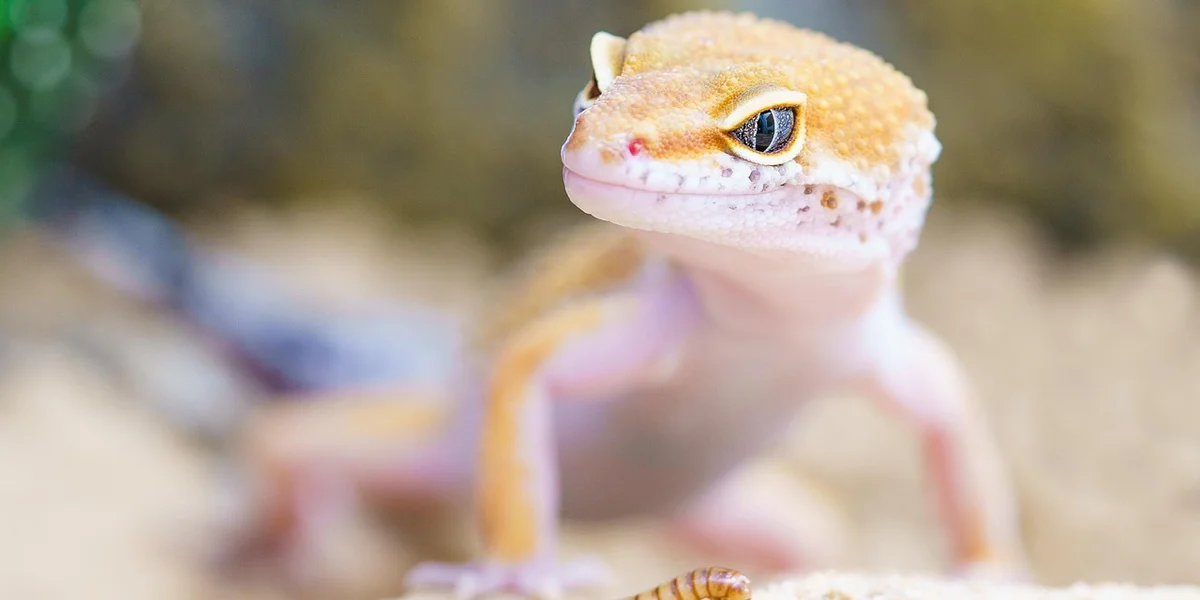
Think of enrichment as a multi-layered approach to your gecko’s happiness. We can break it down into three core categories that work together to create a truly fulfilling life for your scaled friend. It’s not about doing one big thing, but about weaving small, stimulating activities into their daily routine.
Environmental Enrichment: Building a Stimulating Vivarium
This is the foundation of all enrichment. Your gecko’s tank is their entire world. A bare tank with just a food dish is like a person living in an empty room with only a bed. My crested gecko, Jeter, completely changed his behavior when I added more vertical climbing space. He went from hiding all day to actively exploring his new “apartment in the trees.”
Your goal is to create a complex, engaging landscape.
- Create a 3D World: Use the full height and length of the enclosure. For arboreal species like Cresties or Day Geckos, add tall branches, vines, and magnetic ledges. For terrestrial geckos like Leopard or Fat-Tails, use cork bark rounds and flat stones to create multi-level floors.
- Offer Plenty of Hides: Provide at least three hides-one on the warm end, one on the cool end, and one humid hide for shedding. More is always better. I use a combination of commercial hides and DIY ones made from clean, non-toxic plastic containers.
- Switch Up the Scenery: Every few months, I safely rearrange the tank décor. Don’t change everything at once, as this can cause stress. Just move a branch or swap out a hide for a different-shaped one. This creates a “new” environment for them to investigate.
Behavioral Enrichment: Encouraging Natural Instincts
This is all about letting your gecko be a gecko. It taps into their hardwired behaviors like hunting, foraging, and problem-solving. Feeding time is the perfect opportunity for behavioral enrichment, turning a simple meal into a stimulating challenge. My Leopard Gecko, Griffey, becomes incredibly focused and active during these sessions—it’s a great way to observe different gecko behaviors in action.
Here are some effective methods I use with my own crew:
- The Hunting Challenge: Instead of dropping worms in a bowl, use long feeding tongs to make the prey “wiggle” and move. Drag a cricket along a branch for your Crested Gecko to stalk. This mimics the act of hunting.
- Foraging for Food: Scatter feeder insects like dubia roaches or crickets (with their back legs pinched to slow them down) around the enclosure. This forces your gecko to use their senses to seek out food.
- Puzzle Feeder Introduction: For smarter species like Crested Geckos, you can place their fruit paste diet in a small, clean bottle cap hidden under some leaves. They have to work a little to find and lick it clean.
Sensory Enrichment: Engaging Your Gecko’s Senses
Geckos experience the world differently than we do. Their primary senses are smell, sight, and touch. Sensory enrichment provides novel input that keeps their brain active without being overwhelming. Introducing new, safe scents is one of the easiest and most effective ways to provide novel sensory input for a curious gecko. Especially when you understand how your gecko uses its sense of smell through the vomeronasal organ.
Focus on safe and subtle stimulations:
- Novel Scents (Olfactory): Place a sprig of fresh, clean basil or mint (ensure it’s pesticide-free) in the enclosure for a few hours. You can also introduce a new, clean piece of wood or cork bark with a different natural smell.
- Sight and Shadow (Visual): Occasionally, you can place the terrarium in a room where they can safely watch outside activity from a distance, like birds at a feeder. Even the moving shadows from a window blind can be a point of interest for a short time.
- Varied Textures (Tactile): Offer different substrates to walk on, like a flat slate tile next to a patch of reptile-safe soil or sphagnum moss. My Giant Day Gecko, Babe, loves basking on his warm slate and then stepping onto the cool, damp moss.
Simple DIY Enrichment Ideas You Can Start Today
You don’t need a fancy pet store budget to make your gecko’s life more exciting. I’ve seen my own geckos, like the curious Griffey, become entirely new lizards with just a few simple changes to their routine. Are there hidden costs to owning a gecko? They often pop up as extra gear for heat and light, substrate, and occasional vet visits. Let’s get your hands dirty with some projects you can build right now.
Creative Hiding and Exploring Spots
Geckos are natural explorers who love a good hideout. Rotating their hiding spots weekly mimics the changing environment they’d experience in the wild, which really keeps their minds sharp. I make new ones for my crew all the time.
- Toilet Paper Roll Forts: Take an empty roll, squash it slightly to create an oval entrance, and place it in the tank. My leopard gecko, Griffey, adores scurrying through these.
- Cardboard Box Caves: A small, clean cardboard box with a door cut into it makes a perfect temporary castle. Just remove it if it gets damp.
- Terra Cotta Pot Hideaways: A small, clean clay pot placed on its side provides a cool, dark retreat. My fat-tailed gecko, A-Rod, loves the secure feel of his.
Build Dynamic Climbing and Perching Areas
Climbing isn’t just exercise; it’s a mental puzzle for them. Adding different levels and textures encourages natural behaviors and gives them a sense of territory. My crested gecko, Jeter, will always find the highest point, just like a captain surveying his field.
- Safe Branch Networks: Collect branches from non-toxic trees (like oak or maple), scrub them, and bake at 250°F for 30 minutes to sterilize. Arrange them at various angles.
- Stacked Stone Steps: Use smooth, flat rocks you’ve cleaned and boiled to create a staircase. This gives them different temperatures and surfaces to navigate.
- Cork Bark Tunnels: Pieces of cork bark are fantastic for climbing and hiding. You can find them at most pet stores or online.
Introduce Fun Foraging Challenges
Ditch the food bowl once in a while. Making your gecko “hunt” for its food stimulates its brain and satisfies its natural instincts. I do this with my gargoyle gecko, Mookie, and he acts like he’s on a real adventure. To encourage natural foraging behavior in your gecko, scatter prey around the enclosure or hide it in safe spots. It keeps him mentally alert and adds a little adventure to mealtime.
- Scatter Feeding: Instead of a bowl, place small bits of food (like gut-loaded insects) in different areas of the enclosure. They have to sniff them out.
- The Muffin Cup Game: Place a few clean, empty muffin cups in the tank and hide a treat under one. Watch them figure out how to flip it over.
- Feeding on the Move: For climbers like cresteds, dab a bit of fruit paste on leaves or branches at different heights so they have to climb to eat.
Quick Sensory and Layout Changes
Sometimes, the simplest change has the biggest impact. A quick rearrangement of their furniture prevents habitat fatigue and sparks new curiosity. My day gecko, Babe, will investigate every moved item with intense focus.
- Texture Trails: Place a few different, safe materials in a path-like a flat stone, a piece of reptile carpet, and some moss. Let them walk the sensory trail.
- Weekly Rearrangement: Every weekend, I spend five minutes moving hides, branches, and plants around. It keeps all my geckos engaged without any cost.
- Novel Items: Introduce a new, safe object for a day-a large, smooth leaf or a ping pong ball. Supervise to ensure they don’t try to eat it.
How to Spot and Fix Enrichment Gaps in Your Setup
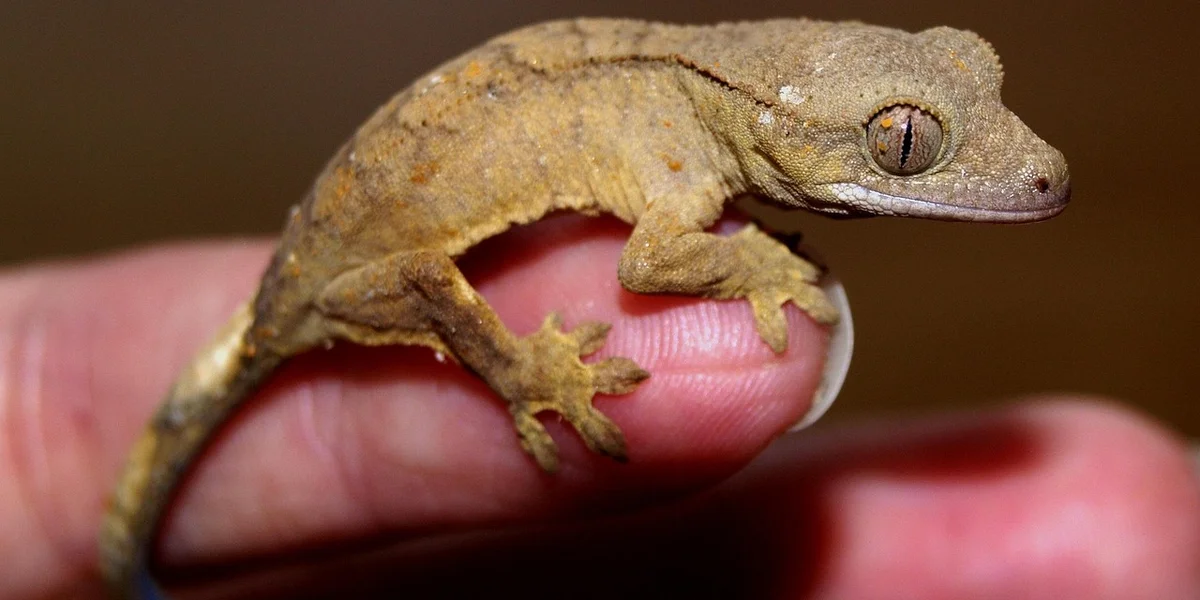
An enrichment gap is when your gecko’s home becomes predictable and fails to challenge their mind. You can think of it like eating the same meal every single day-it gets boring fast, and your gecko feels that too. I noticed this with my leopard gecko, Griffey, who started lazily loafing in one hide instead of exploring. His usual spark was gone.
Spot the Warning Signs of Boredom
Watch your gecko’s daily habits closely. Repetitive pacing or glass surfing are big red flags that your pet is mentally understimulated. Other subtle cues include lack of interest in food, excessive hiding, or even over-grooming. My crested gecko, Jeter, began ignoring his favorite ledge—a sure sign he needed a change. Understanding these behaviors can be tricky, especially for beginners; that’s why I always recommend consulting The Gecko Guide’s Crested Gecko Behavior and Body Language: The Ultimate Guide.
- Repetitive Behavior: Circling the tank, scratching walls, or doing the same route repeatedly.
- Lethargy: Sleeping more than usual, not exploring during active hours.
- Loss of Appetite: Skipping meals when healthy, showing no excitement for food.
- Stress Marks: Darker coloring or visible stress lines on their body.
Fix the Gaps with Simple, Effective Changes
You do not need a total tank overhaul to make a difference. Small, frequent updates to their habitat can reignite their curiosity and keep their brains engaged. Start by rotating décor every couple of weeks-it’s like redecorating their room without the heavy lifting.
- Rearrange Hides and Climbing Structures: Move branches, rocks, or hides to new spots. My gargoyle gecko, Mookie, perked up instantly when I shifted his favorite vine.
- Introduce New Textures: Add different substrates in sections, like a slate tile or cork bark, for them to walk on.
- Create Foraging Opportunities: Hide their live food in various places instead of one dish. Watching them “hunt” is rewarding.
- Change Up the “View”: Place the tank in a new location occasionally, ensuring it’s safe from drafts and direct sun.
I tried the foraging trick with Babe, my giant day gecko, and now he eagerly patrols his plants for hidden crickets. This small change turned mealtime into a fun puzzle that exercises his body and mind. Always monitor their reaction-if a change causes stress, revert and try something else.
Personal Tweaks That Worked for My Crew
Every gecko has unique preferences, so be ready to experiment. My fat-tailed gecko, A-Rod, loves having his hides swapped out seasonally-it keeps his territorial nature in check. For Griffey, adding a shallow dig box with eco-earth provided hours of burrowing fun. Observe what makes your gecko curious and build from there.
Enrichment is not a one-time task but an ongoing conversation with your pet. Your goal is to create a dynamic home that encourages natural behaviors and prevents mental stagnation. Your gecko will thank you with brighter eyes and more active antics.
Creating a Long-Term Enrichment Plan for Your Gecko
Think of enrichment not as a one-time event, but as a continuous conversation with your gecko. A static environment, no matter how perfect it seems on day one, will eventually become boring and predictable for your pet. I learned this the hard way with my leopard gecko, Griffey, who started pacing his tank until I introduced a simple weekly “redecorating” routine.
Start With a Baseline Assessment
Before you plan anything, you need to know what you’re working with. Spend a week just watching your gecko’s normal behavior. Take notes on when they are most active, which hides they prefer, and how they interact with their current setup. My fat-tailed gecko, A-Rod, taught me that some geckos are natural interior designers; he consistently moves one specific rock, so I now incorporate movable elements he can “organize” himself.
Build a Flexible Rotation Schedule
Consistency is key, but so is novelty. You don’t need to overhaul the entire tank every day. Create a simple, rotating schedule for swapping out different types of enrichment. This prevents stress from too much change while keeping things fresh. Here’s a sample plan I use:
- Weekly: Rearrange climbing branches and move hides to new locations.
- Bi-Weekly: Introduce a new textural element, like a different type of safe bark or a smooth stone.
- Monthly: Swap out one major item, like a background vine or a larger hide, for something completely different.
Incorporate a Variety of Stimuli
Mental stimulation comes in many forms. A long-term plan should address all of your gecko’s senses and natural behaviors. Mix and match these enrichment categories to create a rich and engaging world for them.
- Foraging Fun: Instead of always placing food in a dish, hide mealworms in a clean, shallow container with crinkled paper or moss. My gargoyle gecko, Mookie, loves the challenge of “hunting” his food.
- Climbing Challenges: Use magnetic ledges or suction-cup vines to create new vertical pathways. My crested gecko, Jeter, gets a new high-altitude route to explore each month.
- Sensory Surprises: Introduce safe, natural smells by occasionally adding a sprig of fresh, pesticide-free herbs like mint or basil to the enclosure for a short time.
Listen to Your Gecko and Adapt
Your gecko is the ultimate judge of your enrichment plan. Their behavior will tell you everything. Watch for positive signs like curious exploration, healthy feeding responses, and relaxed body language. If you see signs of stress, like hiding constantly or refusing food, scale back the changes. My giant day gecko, Babe, once gave the cold shoulder to a new vine for two days before deciding it was his new favorite sunbathing spot.
Remember, a good plan evolves. The goal is to build a dynamic habitat that grows and changes with your gecko, supporting their mental wellness for their entire life. It’s a commitment that pays off in a happier, healthier, and more active pet. Does a complete gecko veterinary care plan include routine checkups and preventive care? Integrating medical care with habitat planning keeps your gecko thriving.
FAQs
Is it possible to over-enrich a gecko’s environment?
Yes, introducing too many changes at once can cause stress, so it’s best to add enrichment gradually and watch for signs of discomfort like hiding or refusing food.
How can I tell if my gecko is enjoying the enrichment activities?
Look for positive indicators such as increased exploration, curiosity towards new items, and a healthy appetite, which show they are mentally engaged.
Are there any enrichment activities that are not suitable for all gecko species?
Yes, activities should match natural behaviors, like providing vertical climbing for arboreal species such as crested geckos, while terrestrial geckos may prefer ground-level foraging challenges.
Final Thoughts
Providing mental stimulation for your gecko boils down to variety, rotation, and safe challenges. Mix up their terrain, introduce new climbing structures, and offer food in engaging ways to keep their minds active and their instincts sharp. This approach also helps calm stressed geckos and is a key part of effective enrichment techniques. When possible, pair it with environmental fixes like stable temperatures, secure hiding spots, and gentle lighting to support a calm, thriving gecko.
Remember, a mentally engaged gecko is a healthier, more observable pet, and your attentive care makes all the difference. I encourage you to keep learning, watch your gecko’s unique behaviors closely, and always prioritize their welfare in everything you do for them. For practical insight, the Understanding Gecko Behavior: Temperament Complete Guide offers a helpful framework to decode signs and tailor care. This knowledge helps you align daily routines with your gecko’s temperament and strengthens your bond.
Further Reading & Sources
- Promoting Natural Behaviors in Geckos Through Enrichment – IAABC FOUNDATION JOURNAL
- The Effect of Enrichment on Leopard Geckos (Eublepharis macularius) Housed in Two Different Maintenance Systems (Rack System vs. Terrarium) – PMC
- Providing Enrichment for your Gecko – Gecko Time
The Gecko Guide is your ultimate resource for gecko enthusiasts, providing expert advice and practical tips to ensure the health and happiness of your scaly companions. Alexander is a passionate gecko owner with over a decade of experience in reptile care. We are dedicated to offering accurate, up-to-date information to support your gecko journey.Our mission is to foster a community of responsible gecko owners who are passionate about the well-being of these fascinating creatures.
Enrichment Items