
How to Make Your Gecko Enclosure Safe (Household Hazards & Tips)
Published on: December 24, 2025 | Last Updated: December 24, 2025
Written By: Alexander 'Gecko Geek' Johnson
You’re likely worried about hidden dangers in your home that could put your gecko at risk, from everyday items to overlooked escape routes.
I’ve navigated these fears with my own geckos, like curious Griffey and calm Jeter, and I’m here to guide you through creating a secure space. We’ll focus on three essential areas:
- Identifying and eliminating common household hazards.
- Setting up an escape-proof enclosure with safe materials.
- Establishing simple daily checks for ongoing safety.
My advice comes from real-life experience to give you peace of mind. We’ll dive into: toxic plants, electrical safety, escape prevention, substrate choices, and temperature regulation.
Common Household Dangers Hiding in Plain Sight
Toxic Chemicals and Airborne Threats
Your home might feel safe, but invisible dangers can harm your gecko’s delicate lungs. I learned this the hard way when Griffey, my leopard gecko, started wheezing after I sprayed glass cleaner across the room. Geckos absorb toxins through their skin and breathe in particles we might not notice. To keep your gecko safe from household chemicals, use pet-safe cleaners and store chemicals securely; make sure the area is well-ventilated. Common culprits include aerosol sprays, plug-in air fresheners, and even some non-stick cookware fumes when overheated.
- Avoid using harsh cleaners like bleach or ammonia near the enclosure.
- Opt for vinegar-water mixes or pet-safe branded cleaners.
- Keep geckos out of rooms during painting or pest control treatments.
- Never use Teflon pans in kitchens adjacent to your gecko’s space.
Good ventilation is your best friend here—crack a window or use an air purifier. Your gecko’s health depends on the air quality you maintain. In terrariums, steady airflow prevents stagnant air and helps balance humidity. That’s why a proper gecko tank ventilation guide is essential.
Dangerous Decor and Unsafe Plants
That pretty ornament or vibrant plant could be a hidden hazard. My crested gecko Jeter once tried to climb a ceramic decoration with sharp edges, and I had to quickly intervene. Always inspect decor for rough surfaces, small detachable parts, or toxic materials. Plastic plants might seem safe, but some geckos chew on them and risk internal blockages.
Live plants add beauty, but many are poisonous. I made the mistake of placing a pothos plant in Babe’s terrarium before researching-it can cause oral irritation. Stick to reptile-safe plants like spider plants or bromeliads to avoid emergencies.
- Safe decor: Sand-blasted wood, smooth rocks, and commercial reptile hides.
- Unsafe plants: Ivy, dieffenbachia, and peace lilies.
- Test all items for stability-geckos love to climb and can topple wobbly objects.
Securing the Fort: Preventing Gecko Escapes
Choosing the Right Enclosure Closures
Geckos are clever escape artists-my gargoyle gecko Mookie once slipped out through a poorly secured screen top. Investing in reliable locks is non-negotiable for their safety. Screen lids with simple clips often fail under persistent pushing or climbing.
I switched to front-opening terrariums with locking mechanisms after A-Rod figured out how to nudge his lid open. Look for enclosures with sturdy latches or add-on lock sets designed for reptiles. Double-check that gaps are too small for your gecko’s head to fit through.
- Measure your enclosure and gecko’s size to choose appropriate closures.
- Test latches by gently tugging-they should hold firm.
- Consider adding childproof locks for extra security on sliding doors.
Regularly inspect closures for wear and tear. Regular maintenance is a key part of gecko habitat husbandry. Keeping the enclosure secure helps prevent escapes and ensures a stable environment for your gecko. A secure home keeps your gecko safe and gives you peace of mind.
Heat and Lighting: Avoiding Temperature Troubles
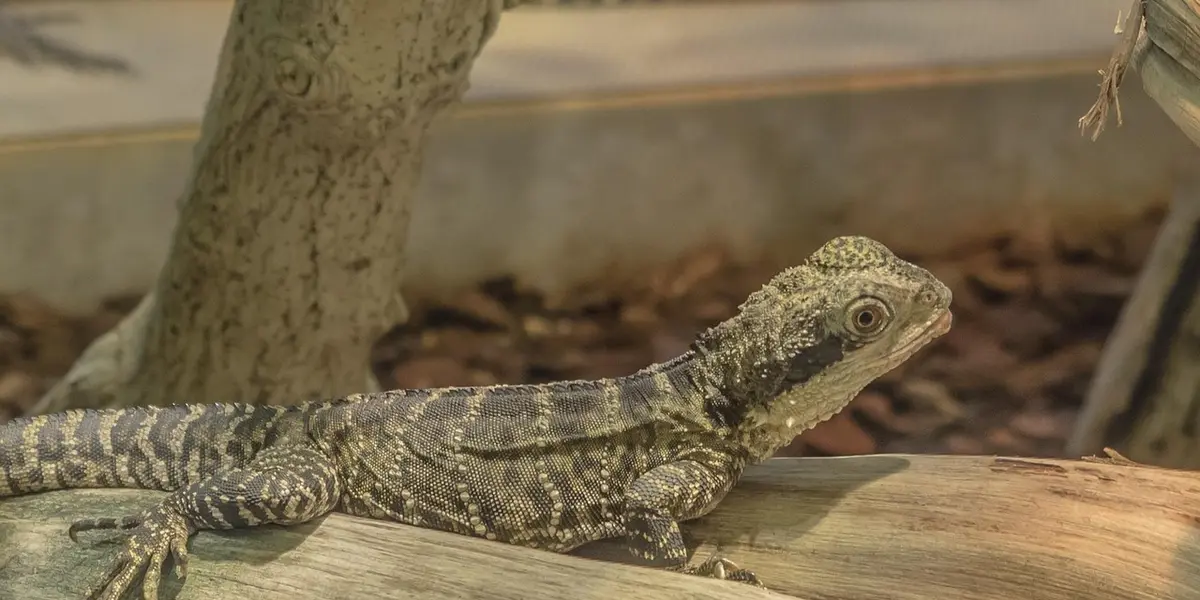
Getting the temperature right is one of the most common places new gecko owners stumble. I learned this the hard way when my first leopard gecko, Griffey, would constantly sit directly under his heat lamp, and I later realized the rest of his tank was far too cool. Proper heat isn’t just about comfort; it’s about their ability to digest food and stay healthy. To tell if your leopard gecko is too cold, look for signs like lethargy, hiding away from heat, or poor appetite. A quick thermometer check can confirm whether the warm side is in the safe range.
Safe Heating Source Placement
Where you put your heater is just as important as the heater itself. Incorrect placement is a top cause of household gecko emergencies.
- Always Use a Thermostat: This is non-negotiable. An unregulated heat mat can reach temperatures hot enough to cause severe burns. Plug your under-tank heater or ceramic heat emitter directly into a reliable thermostat and set the probe on the surface of the substrate right over the heat source.
- Overhead Heat Lamps Need Height: If you use a basking lamp, it must be placed outside the enclosure, securely fixed on a screen top or lamp stand. My Giant Day Gecko, Babe, is a notorious climber, and I always ensure there is a minimum 6-inch gap between the lamp and the highest point he can reach to prevent contact burns.
- Create a True Temperature Gradient: Your heat source should be at one end of the tank. This creates a warm basking spot and a cooler retreat area. Your gecko needs to be able to self-regulate its body temperature by moving between these zones.
- No Hot Rocks: Avoid using those pet store “hot rocks.” They are notorious for having malfunctioning internal thermostats and creating concentrated hot spots that lead to terrible thermal burns on your pet’s belly.
- Check Surface Temps with a Gun: A simple infrared temperature gun is your best friend. Point it at the spot where your gecko actually sits to bask to get an accurate reading, not just at the air nearby. This tells you the real story.
Substrate and Cleanliness: The Foundation of Safety
A clean enclosure isn’t just about aesthetics; it’s your first line of defense against illness. I learned this the hard way when a slightly damp corner in Jeter’s tank developed a fuzzy, white patch that made my whole office smell like a forgotten gym bag. That was my first, and last, encounter with mold.
Spotting and Preventing Mold Growth
Mold thrives in the dark, damp environments we sometimes accidentally create. It’s a stealthy hazard that can cause serious respiratory infections in your gecko.
What Causes Mold?
Understanding the cause is the first step to prevention.
- Excess Moisture: Over-misting, water spills, or a water dish that’s too large for the enclosure.
- Poor Ventilation: Stagnant, humid air is a mold paradise.
- Organic Debris: Uneaten food, shed skin, and gecko waste left to decompose.
- Wrong Substrate Choice: Some substrates hold moisture far too well.
My Go-To Mold Prevention Routine
This isn’t complicated, but consistency is everything.
- Daily Spot Cleaning: Every morning, I do a two-minute check. I remove any visible waste and uneaten food with tongs.
- The Weekly Deep Clean: Once a week, my geckos get a “spa day.” I take them out, remove all decorations and substrate, and scrub the entire tank with a reptile-safe disinfectant.
- Smart Watering: I use small, shallow water dishes to minimize spillage and I only mist the enclosure as much as my specific gecko species requires-no more.
- Air It Out: I ensure my screen tops are never completely blocked by lights or decorations to promote cross-ventilation.
Choosing a Mold-Resistant Substrate
Your substrate choice makes a huge difference. I’ve tested many over the years.
- Paper Towel/Butcher Paper: My top choice for quarantine tanks or geckos with a history of illness. It’s cheap, easy to replace, and there’s zero risk of mold.
- Tile: Slate or ceramic tile is fantastic for arid species like Leopard Geckos. It’s easy to wipe clean, files down nails, and holds heat beautifully.
- Reptile Carpets (with caution): They can be used, but you must have two. While one is in the tank, the other is being thoroughly washed and completely dried to prevent any moisture from being trapped.
- Avoid These: I steer clear of cedar or pine shavings (toxic) and pure, fine sand for juveniles (impaction risk). For bioactive setups, you need a robust clean-up crew to help manage waste.
If you spot mold, act immediately: remove your gecko to a temporary tub, discard all substrate, and sterilize the entire enclosure and every item in it. Your gecko’s health is worth that extra hour of deep cleaning. To prevent this in the future, clean your gecko tank properly on a regular schedule. Regular maintenance keeps the enclosure safe and mold-free for your pet.
Electrical and Fixture Hazards in the Terrarium
Electrical setups in your gecko’s home can turn risky fast if not handled with care. Geckos, like my curious leopard gecko Griffey, often see cords and lights as new toys or climbing routes, which can lead to shocks or injuries. I once found Griffey attempting to scale a lamp cord, and that heart-pounding moment taught me to never underestimate their agility.
Fixtures such as heat lamps and under-tank heaters need careful placement to prevent burns or fires. Proper management isn’t just about convenience-it’s a vital part of responsible gecko ownership that protects your pet from harm. Drawing from my years with multiple geckos, I’ll share practical ways to tackle these hazards head-on.
Managing Cords and Heat Sources
Start by securing all electrical cords to keep them out of your gecko’s reach. Use cord covers or clips to bundle wires neatly, preventing curious nibbles that could cause electrocution. For example, after my crested gecko Jeter showed interest in a loose cord, I started using adhesive cord organizers-it made a huge difference in safety.
Heat sources require precise control to avoid overheating or burns. Always connect heat lamps and mats to a reliable thermostat to maintain steady, safe temperatures. Here’s a simple checklist to follow:
- Position heat lamps high enough that your gecko can’t touch them directly.
- Check for exposed wires or frayed cords regularly and replace damaged items immediately.
- Place under-tank heaters on the outside of the enclosure, never inside where geckos might dig or rest on them.
Monitor temperatures with a digital thermometer to catch fluctuations early. From my giant day gecko Babe’s setup, I learned that even a slight temperature spike can stress them out, so I test equipment weekly. The best thermostat gecko heating equipment can help maintain those temperatures automatically between checks. If you use multiple heat sources, stagger their placement to create warm and cool zones, giving your gecko options to regulate their body heat comfortably.
For added safety, opt for fixtures with built-in guards or ceramic bases to reduce fire risks. Remember, a well-managed terrarium isn’t just about looks—it’s about creating a secure environment where your gecko can thrive without hidden dangers. My fat-tailed gecko A-Rod’s territorial nature means he rearranges his space often, so I double-check that all electrical items are firmly anchored to avoid accidents. To stay organized, I keep an essential equipment checklist for the new gecko terrarium—heat source with a thermostat, proper lighting, humidity control, hides, and secure fixtures. It helps ensure everything is in place before your gecko moves in.
Safe Decor and Hides: Avoiding Injury Risks

Decorating your gecko’s home is one of the most fun parts of being an owner, but I’ve learned the hard way that not all decorations are created equal. An enclosure that looks beautiful to us can be a minefield of hidden dangers for your scaled friend. That experience taught me to pay closer attention to common decor mistakes to avoid in gecko enclosures. My crestie, Jeter, once gave me a real scare by getting a tiny toenail caught on a rough-edged resin hide, and that experience completely changed how I shop for and set up their habitats. A few tweaks—like choosing smoother edges, avoiding rough plastics, and opting for safe, non-porous materials—have made a world of difference.
DIY Safety Checks for New Accessories
Before anything new goes into the tank, it goes through my personal inspection. This isn’t just a quick glance; it’s a hands-on, critical examination.
- The Pantyhose Test for Rough Edges: Take an old pair of pantyhose or thin leggings and run them over every surface, seam, and opening of the new item. If the fabric snags or tears, the decoration will absolutely injure your gecko’s delicate skin and toes. I do this with everything, from store-bought caves to driftwood I find outside.
- The Stability Shake Test: Firmly press on the item from all angles. Would it tip over if a hefty leopard gecko like my Griffey decided to climb it? If it wobbles, secure it to the background with aquarium-safe silicone or choose a different, sturdier piece. A falling hide can cause serious crushing injuries.
- The Squeeze and Smell Test: Squeeze fake plants and mosses. Do they feel brittle or do they have a strong, chemical odor? Low-quality plastics can off-gas fumes that are toxic in a small, enclosed space, and brittle plants can break into sharp, ingestible pieces. Opt for flexible, silk or live plants instead.
- The “No Tight Squeezes” Rule: Check all openings and crevices. Your gecko should be able to enter and exit easily without its body getting stuck. A good rule is that the opening should be at least one-and-a-half times the width of your gecko’s head. I had to return a beautiful cork round because it was a perfect trap for my growing A-Rod.
I also make it a point to only use woods that are confirmed reptile-safe, like grapewood or cork bark. Never use wood you’ve collected yourself unless you bake it in the oven at 200°F (93°C) for an hour to kill any pests or mold. This simple step prevents introducing mites or fungus into your pet’s home.
Your Gecko Safety Monitoring Routine
Establishing a consistent monitoring routine is your best defense against household hazards. I check on my crew daily, and this habit has prevented countless close calls with my curious leopard gecko, Griffey. It only takes a few minutes, but it gives me immense peace of mind.
Your daily check should be a quick, sensory scan of the enclosure. Look, listen, and feel for anything out of the ordinary.
- Temperature & Humidity: Verify gauges are in the safe range for your species. My crested gecko Jeter needs higher humidity than my arid-loving leopard geckos.
- Water & Food: Ensure fresh water is available and remove any uneaten live insects to prevent them from nibbling on your gecko.
- Physical State: Do a quick visual check on your gecko. Are they alert? Moving normally? No stuck shed on their toes?
- Security: Give the lid or doors a gentle push to confirm they are fully latched. A determined gecko can be a surprising escape artist.
Once a week, I dedicate about 15 minutes to a more thorough inspection. This weekly deep-dive is when I often spot small problems before they become big emergencies. I grab a small notebook to jot down anything I notice.
- Substrate & Décor Check: Feel for any damp or soiled substrate that needs spot-cleaning. Inspect all hides and climbing branches for sharp edges, splinters, or instability.
- Equipment Test: Wipe down thermometer probes. Gently tug on heater and lamp wires to ensure they are secure and not chewed.
- Full Gecko Exam: This is my chance to look for weight loss, dull skin, or any subtle changes in behavior I might have missed during daily checks.
Every month, I do a “safety audit” of the entire setup. This proactive approach is how I caught a tiny crack in a heat lamp fixture that could have been a fire hazard. I turn everything off and carefully handle each item.
- Disassemble and clean all décor with a reptile-safe disinfectant.
- Check for any wear on electrical cords or plugs.
- Test all timers and thermostats to ensure they are functioning correctly.
- Look for any gaps or weaknesses in the enclosure walls or sealing.
Your vigilance is a direct act of love for your pet. Building this routine transforms you from a simple owner into a dedicated guardian, and your gecko will thrive because of it.
FAQs
How often should I replace the substrate in my gecko’s enclosure?
Replace the substrate during your weekly deep cleaning routine or immediately if you notice any signs of mold to prevent health issues.
What are the signs that my gecko is too cold or too hot?
Your gecko may show lethargy and seek cooler areas if overheated, or become less active and cling to heat sources if too cold, signaling a need to check temperatures. Lighting temperature can influence gecko behavior, including when they bask and how active they are. Providing a proper heat gradient and appropriate light levels helps maintain normal activity and comfort.
Can I use natural items like branches and rocks from outdoors in my gecko’s enclosure?
Yes, but always sterilize them by baking at 200°F for an hour to eliminate any pests, mold, or toxins before introduction.
Final Thoughts on Gecko Safety
After years of caring for my crew-from Griffey’s curious explorations to Babe’s bold basking-I’ve found that a secure enclosure starts with simple habits. Double-check lid locks, use safe substrates, and keep household cleaners far from their space to dodge common dangers. These small acts build a fortress where your gecko can thrive without hidden risks. Gecko-proofing your home is a crucial step to ensure their safety outside the enclosure.
Responsible gecko ownership means treating their home like a lifelong project, not a one-time setup. Stay updated on care trends and listen to your pet’s behavior-they’ll show you what works through their daily antics. Seeing Jeter perch proudly or Mookie’s playful leaps reminds me that a little learning goes a long way in keeping them healthy and content.
Further Reading & Sources
- Crested Gecko Care Guide (Correlophus Ciliatus) – GuardiansoftheGeckos
- How To Care For a Leopard Gecko | RSPCA – RSPCA – rspca.org.uk
- r/leopardgeckos on Reddit: [ Leopard Geckos: An Updated Beginner’s Guide ]
The Gecko Guide is your ultimate resource for gecko enthusiasts, providing expert advice and practical tips to ensure the health and happiness of your scaly companions. Alexander is a passionate gecko owner with over a decade of experience in reptile care. We are dedicated to offering accurate, up-to-date information to support your gecko journey.Our mission is to foster a community of responsible gecko owners who are passionate about the well-being of these fascinating creatures.
Enclosure Building