
Essential Equipment Checklist for Your New Gecko Terrarium
Published on: January 16, 2026 | Last Updated: January 16, 2026
Written By: Alexander 'Gecko Geek' Johnson
Setting up your first gecko habitat can feel overwhelming, with so many products and conflicting advice making you worry about getting it wrong for your new pet.
I’ve been there with my own geckos, from my curious Leopard Gecko Griffey to my bold Giant Day Gecko Babe. I will help you cut through the noise with a straightforward, experience-tested checklist. You will learn the absolute must-haves for a safe and thriving home.
This guide focuses on three key takeaways:
- Choosing durable, safe equipment that prevents common health issues.
- Creating a habitat that fits your specific gecko’s natural behaviors.
- Setting up a functional space without wasting money on unnecessary gadgets.
You are about to get clear, step-by-step advice that takes the guesswork out of terrarium setup. The article will cover: heating and lighting, substrate and flooring, hides and décor, hydration and feeding, and monitoring equipment.
Heating and Lighting Must-Haves
Getting the temperature and light right is the single most important thing you can do for your gecko’s health. A proper thermal gradient lets your gecko self-regulate, just like they would in the wild, and is absolutely non-negotiable. My leopard gecko, Griffey, will spend his mornings basking and his afternoons in a cool hide—it’s a beautiful thing to watch him manage his own comfort.
Setting Up Your Heat and Light System
Follow these steps to create a perfect environment. It seems technical, but it becomes second nature.
- Choose Your Heat Source. For most terrestrial geckos (like Leopard and Fat-Tailed), an under-tank heater (UTH) is best. It provides belly heat for digestion. For arboreal species (like Crested and Day Geckos), a low-wattage ceramic heat emitter or deep heat projector from above is ideal.
- Install a Thermostat. This is your most crucial piece of safety equipment. You must plug your heat source into a thermostat to prevent dangerous overheating and potential burns. I learned this the hard way with an unregulated heat mat years ago-never again.
- Create the Gradient. Place the heat source on one side of the tank. This creates a warm side (around 88-90°F for the basking spot) and a cool side (around 75°F). Use digital thermometers on both ends to monitor.
- Establish a Day/Night Cycle. Use a simple timer for your lights. Aim for 12 hours on and 12 hours off. At night, all lights should be off. If your home gets cold (below 65°F), use a ceramic heat emitter for nighttime warmth as it produces no light.
- Consider UVB Lighting. While not all geckos require it, providing low-level UVB lighting for species like Leopard and Day Geckos can significantly improve their overall health and well-being. My Giant Day Gecko, Babe, visibly thrives under his.
Remember, heat rocks are dangerous and should never be used. Your gecko’s instinct, not a single hot rock, should guide its thermoregulation. Trust the gradient you create.
Substrate and Flooring Choices
Picking the right floor for your gecko’s home is a big deal. I learned this the hard way with Griffey, my leopard gecko. He’s energetic and loves exploring, but a poor substrate choice once led to a scary impaction scare. Your substrate directly impacts your gecko’s health and safety, so choose wisely based on their species and needs.
You have several options, each with pros and cons. Let’s break them down.
- Paper Towels or Reptile Carpet: Ideal for beginners and species like leopard geckos. It’s safe, cheap, and easy to clean. I use this for Griffey and A-Rod, my African fat-tailed gecko, because it prevents them from accidentally eating loose bedding.
- Tile or Slate: Durable and great for retaining heat. It mimics natural rocky surfaces and is simple to wipe down. My giant day gecko, Babe, loves basking on a warm slate tile under his lamp.
- Bioactive or Coconut Fiber Substrates: Best for humid-loving species like crested or gargoyle geckos. It holds moisture well and supports live plants. Jeter and Mookie thrive in setups with coconut fiber because it helps maintain the humidity they need.
- Avoid Loose Sands or Gravel: These can cause intestinal blockages if ingested. I never use them after seeing how curious geckos like to lick their surroundings.
Your choice should match your gecko’s natural habitat. For arid species, go with dry, solid options; for tropical ones, choose moisture-retaining substrates. Substrate choice influences humidity, which affects shedding and respiratory health. Always prioritize safety over aesthetics to keep your pet healthy.
Hides, Climbing Decor, and Enrichment
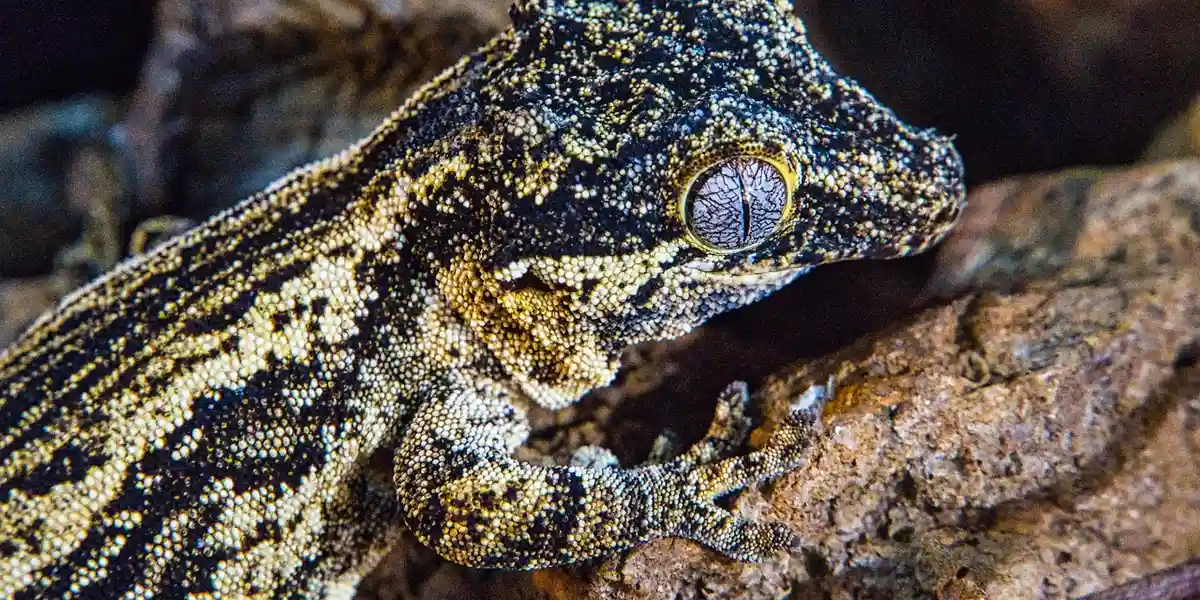
Geckos need more than just a floor-they need a stimulating environment. Think of it as their personal playground. My crested gecko, Jeter, spends hours perched on high branches, while Mookie, my gargoyle gecko, leaps around like he’s in an action movie. Providing varied hides and climbing spots reduces stress and encourages natural behaviors.
Start with these essentials to create a fun and secure space.
- Multiple Hides: Offer at least two hides-one on the warm side and one on the cool side. This lets your gecko regulate their body temperature. A-Rod, my territorial fat-tailed gecko, appreciates having his own private spots to retreat to.
- Climbing Branches and Vines: Perfect for arboreal species like crested and gargoyle geckos. Use sturdy, non-toxic wood or artificial vines. Mookie’s enclosure is filled with branches he uses for his impressive jumping sessions.
- Live or Artificial Plants: Adds visual barriers and climbing opportunities. Live plants can help with humidity, but artificial ones are easier to maintain. Babe, my day gecko, loves hiding among the leaves to feel secure.
- Ledges and Backgrounds: Vertical space is key for climbers. Install suction cup ledges or 3D backgrounds. Jeter’s “team captain” perch is a high ledge he claims as his own.
Enrichment isn’t just about looks – it’s about mental and physical health. Rotate decor occasionally to keep things interesting, but avoid stressing your gecko with too many changes at once. To create the ultimate environmental enrichment setup for your gecko, design a multi-layer habitat with hides, branches, and varied textures. Observe how they interact with the setup and adjust gradually. Watching them explore new setups is one of my favorite parts of gecko care.
Arranging Hides and Decor for Comfort
Where you place items in the terrarium matters as much as what you put in. A poorly arranged tank can make your gecko anxious or uncomfortable. I’ve seen A-Rod meticulously rearrange his décor if it’s not to his liking! Proper arrangement creates temperature gradients, hiding spots, and climbing paths that mimic the wild. Being mindful of decor helps you avoid common mistakes in gecko enclosures. Common decor mistakes to avoid include overcrowding, blocking heat sources, and using unsafe substrates.
Follow these steps to set up a cozy and functional habitat.
- Establish a Temperature Gradient: Place a hide on the warm end under the heat lamp and another on the cool end. This allows your gecko to thermoregulate. For Griffey, I put his warm hide near the basking spot so he can pose comfortably after eating.
- Create Vertical Layers: For climbing species, use branches and plants at different heights. Jeter’s enclosure has low, mid, and high perches so he can choose his favorite spot.
- Ensure Easy Access to Food and Water: Position dishes where your gecko can reach them without stress. Babe’s food dish is on a stable ledge so his “chubby tail” doesn’t get in the way of his meals.
- Avoid Overcrowding: Leave open spaces for movement. Too much clutter can cause injury or stress. I keep Mookie’s climbing area spacious so he has room for his energetic leaps.
Test the setup by observing your gecko’s behavior. If they’re using all areas of the tank and seem relaxed, you’ve nailed the arrangement. Adjust as needed based on their habits-every gecko has unique preferences, just like people.
Feeding and Hydration Setup
Getting the food and water right is where many new owners slip up. I learned this the hard way with my first gecko, Griffey, who was a notoriously messy eater. Providing the correct dishes isn’t just about convenience; it’s about preventing impaction and ensuring your gecko can eat and drink safely.
Food and Water Dishes
You’ll need at least two separate dishes. Do not use one for both.
- Water Dish: Choose a shallow, sturdy ceramic or glass dish. It must be heavy enough that your curious gecko, like my powerful Babe, can’t tip it over and flood the terrarium.
- Food Dish: For live insects, a smooth-sided escape-proof bowl is non-negotiable. This keeps crickets from hiding in the substrate and nibbling on your sleeping gecko. For Crested and Gargoyle geckos like Jeter and Mookie, you’ll need a ledge-mounted cup for their fruit-based diet.
Supplemental Nutrition
Gut-loading your insects is critical, but dusting them is what prevents Metabolic Bone Disease (MBD). You need two powders and a schedule.
- Calcium with D3: Use this for most feedings. D3 helps them absorb the calcium. My crew, especially A-Rod, gets this dusted on their crickets three times a week.
- Calcium without D3: Keep a small jar of this in the terrarium at all times. Your gecko will lick it as needed to self-regulate their calcium levels.
- Multivitamin: This is the final piece. I use a reputable brand once a week to cover all the other essential vitamins and minerals.
Monitoring and Safety Equipment
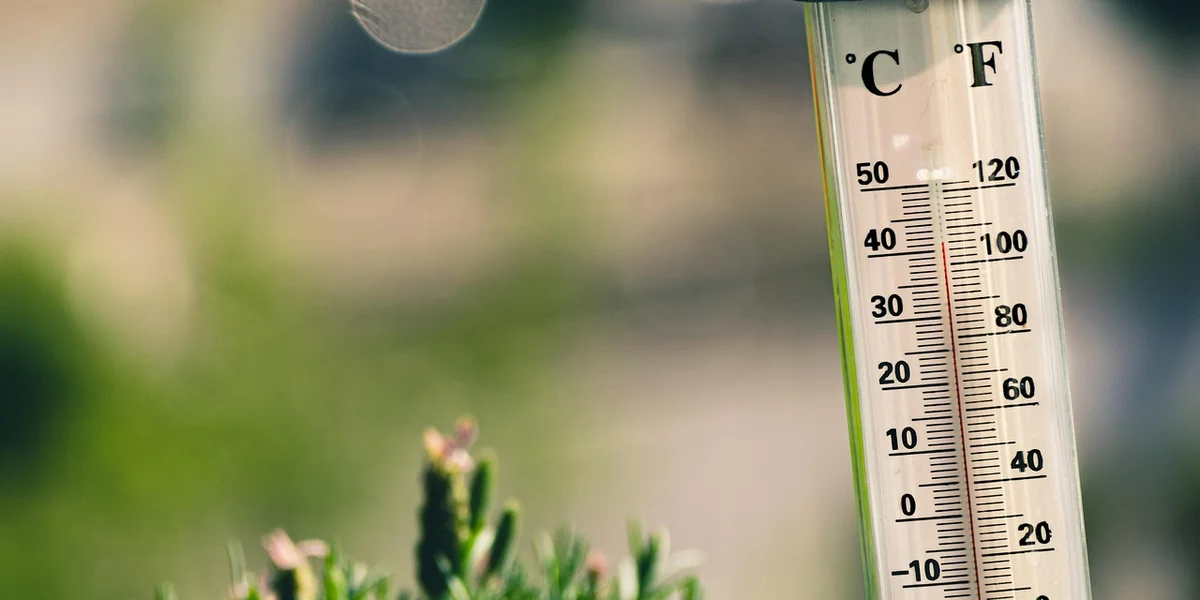
You can’t manage what you don’t measure. Guessing the temperature or humidity is a fast track to a sick gecko. Accurate monitoring tools are your eyes into the microclimate of your gecko’s world, allowing you to make proactive adjustments.
- Digital Thermometer/Hygrometer Combo: Avoid the cheap, sticky analog gauges. They are notoriously inaccurate. A digital unit with a probe gives you real-time readings of the warm side, cool side, and overall humidity.
- Laser Temperature Gun: This is my secret weapon. It lets me instantly check the surface temperature of the basking spot to ensure it’s perfect for digestion. It’s also great for spotting cool spots your gecko might be using to thermoregulate.
- Timer Outlets: Your gecko’s day/night cycle should be consistent. Plug your lights and any daytime heat sources into a timer. This mimics a natural sunrise and sunset and removes the risk of you forgetting to turn them on or off.
Daily Monitoring Routine
This five-minute check, which I do every morning with my coffee, will become second nature and can save you from big problems.
- Check the Numbers: Glance at your digital thermometer and hygrometer. Is the warm side in the correct range? Is the humidity level appropriate for your species?
- Scan for Waste: Look for feces and urates. Their appearance is a direct window into your gecko’s health. Remove any you find immediately.
- Verify Water: Ensure the water dish is full of fresh, clean water. Refill it and give it a quick wipe if needed.
- Observe Your Gecko: Do a visual wellness check. Are their eyes bright? Is their tail plump? Are they behaving normally? My gecko Jeter, for instance, is always on his highest branch-if he wasn’t, I’d know something was wrong.
- Do a Security Sweep: Gently push on the terrarium lid or door to confirm it’s fully secured. A determined gecko can be a surprising escape artist.
Cleaning and Maintenance Supplies
Let’s be honest: cleaning the terrarium is nobody’s favorite chore. But in my years of caring for Griffey and the crew, I’ve learned a clean home is a non-negotiable for a healthy gecko. A pristine habitat is your single best defense against mold, bacteria, and parasites that can make your pet sick.
Your Terrarium Cleaning Toolkit
You don’t need a chemistry lab, just a dedicated kit. I keep all this stuff in a single bucket so it’s ready to go.
- A dedicated spray bottle for disinfectant: Never use the same bottle for cleaners and water misting. Cross-contamination is a real risk.
- Vinegar Solution (for daily/weekly wipe-downs): A 50/50 mix of white vinegar and water is my go-to for glass cleaning and general wiping. It’s effective and safe.
- Reptile-Safe Disinfectant (for deep cleans): Look for brands like F10SC or Chlorhexidine. These are veterinary-grade and kill germs without leaving harmful residues.
- A set of dedicated sponges and scrub brushes: I have a soft-bristled brush for general scrubbing and a toothbrush for getting into decor crevices.
- A dedicated trash bag: For disposing of old substrate and waste. Don’t just use your kitchen bin.
- A small dustpan and brush set: Perfect for spot-cleaning loose substrates or spilled food.
- A razor blade scraper (for glass tanks): Trust me, this is the only thing that effortlessly removes those stubborn water spots and dried-on… gecko presents.
- Feeding Tongs: Not just for feeding! I use them to quickly remove uneaten insects or any other debris I don’t want to touch.
Your Cleaning Schedule: A Simple Routine
Consistency is everything. Here’s the easy routine I follow to keep my geckos’ homes sparkling without it taking over my life.
Daily (Takes 2 Minutes)
- Remove any visible waste (poop, shed skin) with your tongs or a paper towel.
- Wipe down the glass front with your vinegar solution to remove nose art and smudges.
- Spot-clean any soiled areas in the substrate.
- Check and refresh water dish with fresh, dechlorinated water.
Weekly (Takes 15-20 Minutes)
- Take out and thoroughly wash all dishes (water, food) with hot water and a scrub brush.
- Remove and clean all hides and decor with your reptile-safe disinfectant. Rinse extremely well.
- Do a full substrate spot-clean, replacing any noticeably damp or dirty sections.
Monthly (The Big One – 30-45 Minutes)
- Remove your gecko to a secure, temporary holding bin.
- Take out EVERYTHING – all substrate, decor, dishes.
- Scrub the entire empty enclosure with your reptile-safe disinfectant. Get every corner!
- Rinse the entire tank thoroughly until you can’t smell the cleaner anymore.
- Let it air dry completely before adding fresh substrate and your clean decor.
- This deep clean resets the environment and prevents a slow buildup of harmful microorganisms.
I know it seems like a lot, but once you get the rhythm, it becomes second nature. Seeing Babe happily exploring his freshly cleaned home makes every minute worth it.
FAQs
What size terrarium is best for my gecko?
A 20-gallon long tank is ideal for a single leopard gecko, while arboreal species like crested geckos thrive in taller enclosures such as an 18x18x24 inch terrarium. These examples show how gecko housing requirements, tank size, and setup vary by species, so always tailor the enclosure to the gecko’s needs.
How do I maintain proper humidity levels in the terrarium?
Use a digital hygrometer to monitor humidity and mist the enclosure regularly, targeting 50-80% for tropical geckos and 30-40% for arid species, such as leopard geckos.
Can I handle my gecko, and how should I do it safely?
Handle your gecko gently and infrequently, starting with short sessions after they have settled in to build trust and minimize stress. To socialize your new gecko hatchling safely, keep movements calm and sessions brief, and always support the body while avoiding handling during shedding or after meals.
Final Overview
Getting your gecko’s home right from day one is the single most vital step you can take for their long-term health. Focus on the absolute must-haves: a properly sized tank, reliable heating and thermostat, safe substrate, a moist hide for shedding, and plenty of climbing and hiding spots to make them feel secure. This setup also helps prevent common gecko illnesses by maintaining stable temperatures, appropriate humidity, and a clean environment. A well-maintained habitat supports healthy shedding and a stronger immune system.
Remember, owning a gecko is a wonderful, long-term commitment that requires you to be a lifelong learner. Your little reptile depends entirely on you for its wellbeing, so always stay curious, ask questions, and be ready to adapt your care as new information and your own experience grows. To help you get started, check out your first 24 hours new gecko essential guide for a smooth transition. Those first hours set the foundation for a healthy, thriving gecko.
Further Reading & Sources
- How to Set Up a Day Gecko Terrarium – PetHelpful
- Crested gecko setup: How to setup a complete crested gecko terrarium – ExoticDirect
- r/leopardgeckos on Reddit: [ Leopard Geckos: An Updated Beginner’s Guide ]
The Gecko Guide is your ultimate resource for gecko enthusiasts, providing expert advice and practical tips to ensure the health and happiness of your scaly companions. Alexander is a passionate gecko owner with over a decade of experience in reptile care. We are dedicated to offering accurate, up-to-date information to support your gecko journey.Our mission is to foster a community of responsible gecko owners who are passionate about the well-being of these fascinating creatures.
Enclosure Building