
How to Create the Perfect Habitat Humidity for Easy Gecko Shedding
Published on: December 26, 2025 | Last Updated: December 26, 2025
Written By: Alexander 'Gecko Geek' Johnson
Watching your gecko struggle with stuck shed skin is stressful and heartbreaking-you want nothing more than to help them through it smoothly.
As a dedicated gecko owner with a crew like my curious leopard gecko Griffey and my confident crested gecko Jeter, I’ve dialed in humidity tricks that make shedding a breeze. In this guide, I’ll walk you through the simple steps to set up a habitat that supports effortless, complete sheds every time.
- Discover the ideal humidity range tailored to your gecko’s species and age
- Learn how to accurately measure and maintain humidity without guesswork
- Spot early signs of shedding trouble and fix them quickly to prevent discomfort
You’ll get practical, no-fuss advice that puts your gecko’s well-being first. We’ll explore: humidity basics, monitoring tools, habitat adjustments, species-specific tips, and troubleshooting common issues.
Why Proper Humidity is Essential for Gecko Shedding
Think of humidity as the lubricant for your gecko’s skin. It softens the old layer, allowing it to peel away cleanly and completely. Without the right moisture in the air, that old skin gets tight and stubborn, like a dry, sticky sock that just won’t come off. This is what leads to dangerous stuck shed, particularly on delicate toes and tails. Humidity in conjunction with heating can be crucial for geckos, supporting a healthy shed. When balanced, they help keep the skin flexible and the shedding process smoother.
I learned this the hard way with my leopard gecko, Griffey. He’s usually energetic and loves posing on his favorite rock. But one week, I noticed he was dull-colored, hiding constantly, and rubbing his face obsessively. Tiny pieces of skin were stuck around his toes. My humidity was too low. It was a classic case of a gecko working far too hard to do what should be a simple, natural process. A proper humid hide solved his problem almost overnight.
- Signs of a Good Shed: Your gecko’s color looks bright and vibrant afterward. The shed skin comes off in large, clean pieces, often eaten by the gecko. You’ll see no leftover patches, especially on toes, eyelids, or the tail tip.
- Signs of a Bad Shed (Dysecdysis): Dull, grayish skin that hangs off in tatters. You’ll find tight rings of old skin constricting toes or the tail. The gecko may seem stressed, rub itself raw on decor, or lose its appetite.
Optimal Humidity Levels for Different Gecko Species
Leopard Gecko Humidity Needs
Leopard geckos like Griffey are desert animals, but they still need a moist retreat. Are the ideal humidity levels for leopard geckos a balance? In practice, they favor a dry main area with a humid retreat. Your main enclosure should stay relatively dry, between 30% and 40% humidity. The magic happens in a dedicated humid hide, which should be a cozy 70% to 80% inside.
- Fill a small, enclosed hide with damp sphagnum moss or a moisture-holding substrate.
- Energetic geckos like Griffey will instinctively use this hide when they feel a shed coming on. You’ll see them spend a lot more time in it right before they turn a milky white color.
Crested Gecko Humidity Requirements
My crested gecko, Jeter, hails from a tropical rainforest. His needs are completely different. Aim for an ambient humidity that cycles between 50% and 80% daily. You achieve this by misting the enclosure heavily in the evening and letting it dry out during the day. Some keepers use humidity foggers to maintain humidity between misting cycles. A fogger delivers a fine mist to help keep the enclosure in that 50-80% range even when you aren’t actively misting.
- Mist the walls and leaves once or twice a day to create droplets for drinking and raise humidity.
- During a shed, Jeter gets a bit more reclusive. This is when I handle him even less. A calm, confident gecko like him sheds best when left completely undisturbed in his properly misted environment.
Gargoyle and Fat-Tailed Gecko Humidity
Gargoyle and Fat-Tailed geckos fall in a middle ground, but their setups can differ.
- Gargoyle Geckos (like Mookie): They need humidity levels similar to Crested Geckos (50%-80%). Mookie’s playful, climbing bursts mean his tall enclosure needs lots of foliage to hold moisture after misting.
- African Fat-Tailed Geckos (like A-Rod): They prefer a bit more dryness than Gargoyles but more moisture than Leopard Geckos. Keep their ambient humidity around 50%-60%, with a very moist hide always available. A-Rod’s territorial nature means he appreciates a humid hide that feels like a secure, private burrow.
Setting Up Your Terrarium for Ideal Humidity
Choosing the Right Substrate
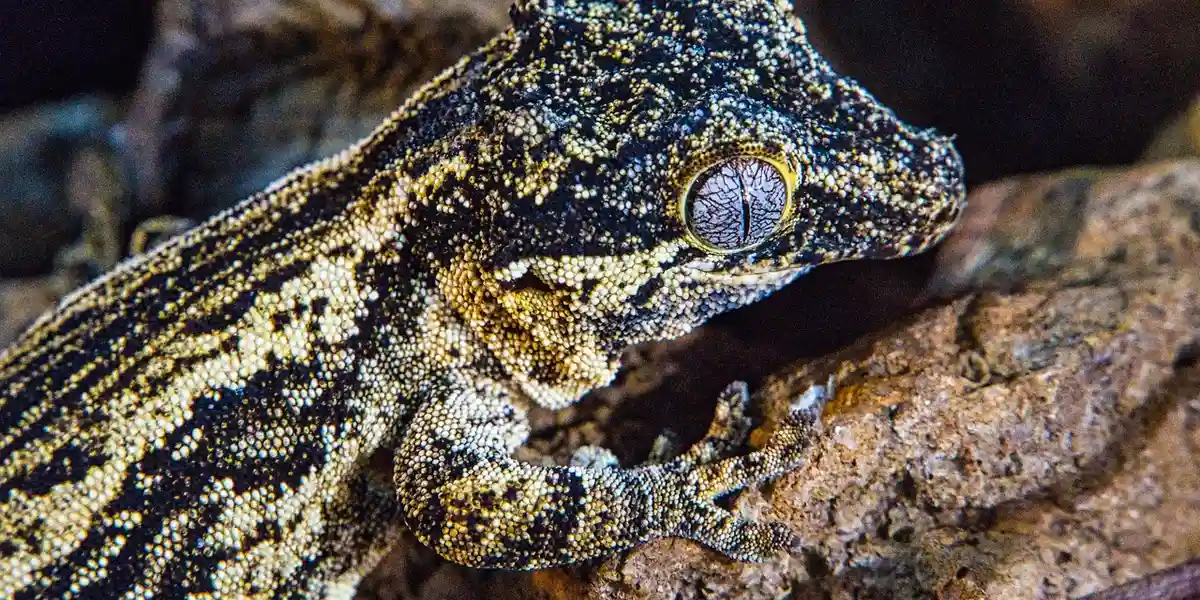
Picking the best substrate is like choosing a comfortable bed for your gecko—it needs to support healthy shedding. I always test substrates with my own geckos to see what holds moisture without risking their health. Understanding whether substrate choice impacts gecko humidity helps explain why humidity control is a key part of a healthy enclosure.
- Sphagnum moss: This is my top choice for geckos like Jeter; it stays damp for hours and is easy to spray down.
- Coconut fiber: Holds humidity well and allows for natural burrowing, which A-Rod enjoys in his enclosure.
- Paper towels: Simple and safe for beginners, but they dry out fast and need frequent misting.
- Avoid sand or gravel: These can cause impaction and do nothing for humidity-I learned this the hard way with Griffey.
- Steer clear of wood shavings: They mold quickly and release harmful oils, putting your gecko at risk.
Building and Placing a Humid Hide
A humid hide gives your gecko a cozy spot to loosen old skin. I built one for each of my geckos using items from my kitchen, and they use them every shedding cycle. If you’re looking to create a DIY humid hide for your gecko, it’s a quick, simple project you can do at home. You can start with common kitchen items and fine-tune moisture for your gecko’s shedding needs.
- Grab a small plastic container with a lid, like an old yogurt cup or deli container.
- Cut a smooth-edged entrance hole-big enough for your gecko to slip in and out easily.
- Line the bottom with damp sphagnum moss or moist paper towels, replacing them weekly to prevent mold.
- Place the hide on the warm side of the terrarium, near the heat source, to create a humidity gradient from moist to dry.
This setup lets geckos like Mookie move between zones to find what feels best. Proper placement encourages natural behavior and prevents stuck shed.
Misting and Water Sources
Keeping the air moist is easier with the right tools and techniques. I mist my enclosures daily, watching how each gecko responds to find the perfect routine. When considering leopard and crested geckos, proper misting techniques matter: balance humidity with good airflow and avoid standing water. Monitor closely to prevent mold and respiratory problems.
- Spray bottles: Use a fine mist to dampen substrates and plants once or twice a day-Babe’s giant day gecko setup gets a light spritz every morning.
- Automatic foggers: Great for busy owners, but set them on a timer to avoid over-saturation and mold growth.
- Water dish placement: Put a shallow dish near the heat lamp; evaporation boosts humidity naturally, and it gives geckos a drinking spot.
- Monitor closely: Over-misting can lead to respiratory issues, so adjust based on your hygrometer readings.
Tools to Monitor and Adjust Humidity Accurately
Using Hygrometers and Humidity Gauges
Accurate monitoring stops guessing and starts solving humidity problems. I rely on digital hygrometers in all my terrariums to keep tabs on levels for geckos like Griffey and Jeter.
- Digital hygrometers: Place one near the humid hide and another on the cool side to track gradients effectively.
- Reading them: Aim for 50-70% for leopard geckos and 60-80% for crested geckos, adjusting as needed.
- Trusted brands: I’ve had great results with Zoo Med and Exo Terra models-they’re durable and easy to read.
- Check regularly: Calibrate or replace gauges if readings seem off; it’s a small step that prevents big issues.
Adjusting Ventilation and Temperature
Ventilation and heat work hand-in-hand with humidity control. Balancing these elements makes shedding a breeze, as I’ve seen with my own geckos during seasonal changes. Airflow is critical in gecko enclosures, helping prevent stagnant air, overheating, and respiratory issues. A proper gecko tank ventilation guide covers the best layouts, vent placements, and humidity strategies to keep your geckos healthy.
- Adjust vents: Open them wider if humidity climbs too high, or partially cover to trap moisture on dry days.
- Temperature gradient: Maintain a warm side around 85°F and a cool side near 75°F; this helps geckos like A-Rod thermoregulate for smoother sheds.
- Link to shedding: Proper gradients let geckos move to humid areas when ready to shed, reducing stress and skin problems.
- Use a thermostat: It prevents overheating and stabilizes conditions, which is key for sensitive species like gargoyle geckos.
Solving Common Humidity and Shedding Issues
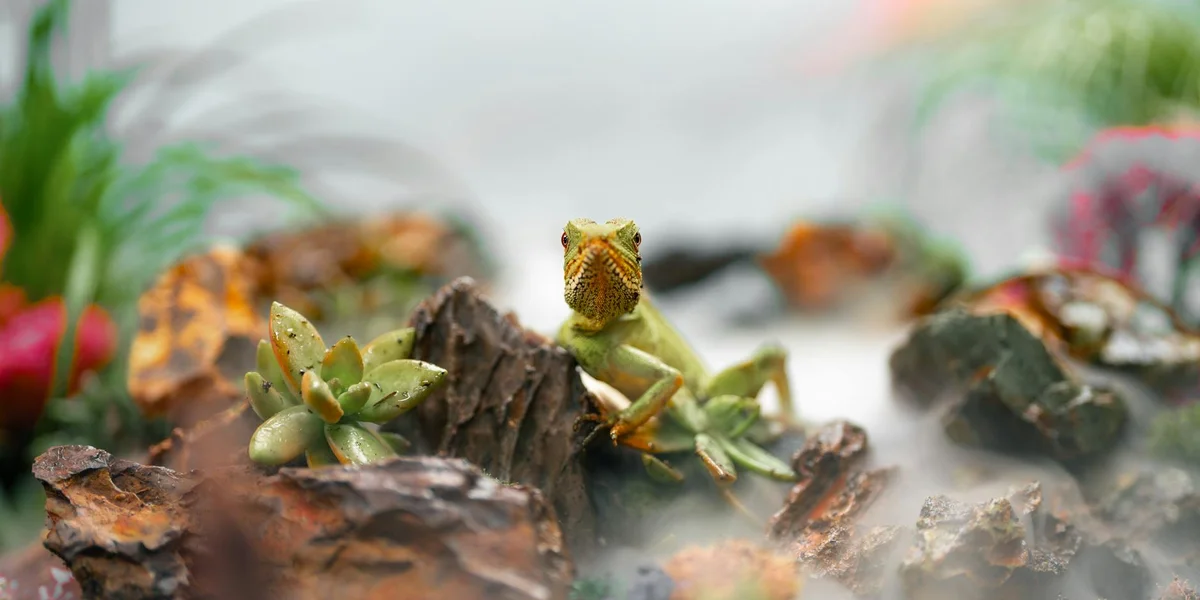
Even with the best setup, humidity can swing out of control, but a few quick tweaks often save the day. I’ve had my share of panic moments, like when A-Rod’s tank felt swampy or Griffey’s skin looked flaky, so I’ll walk you through simple fixes.
Fixing Too High or Too Low Humidity
Spotting and correcting humidity issues quickly prevents bigger health scares down the line. Use your senses – if the air feels heavy or the glass fogs up, it’s too damp; if substrates crackle underfoot, it’s too dry.
- For low humidity, add damp sphagnum moss to hides or corners – it holds moisture beautifully and gives geckos a cozy spot to hydrate.
- Reduce high humidity by cutting back misting frequency, adding more ventilation with screen lids, or using a small fan nearby to circulate air.
- Watch for respiratory issues: wheezing sounds, bubbles around the nose, or lethargy. My crested gecko Jeter once had labored breathing after I over-misted, prompting an immediate vet visit.
Dealing with Stuck Shed and Loose Skin
Stuck shed is common but manageable with gentle, safe methods that avoid stressing your gecko. I’ve helped Mookie with stuck toe sheds using patience and warm dampness – never force it off! For a step-by-step guide to safely assist a gecko with stuck shed, you can follow a calm, methodical approach. This quick guide breaks down each step so you can help without adding stress.
- Create a “sauna” by placing your gecko in a small container with a warm, damp paper towel for 10-15 minutes to loosen skin.
- Gently rub stuck areas with a soft, wet q-tip or cloth, focusing on toes and tail tips where circulation matters most.
- Seek veterinary help if shed remains stuck after 24 hours, covers the eyes, or if you see redness, swelling, or bleeding – it could signal infection or deeper issues.
Daily and Weekly Humidity Maintenance Routine
Consistency is your secret weapon for effortless sheds and happy, healthy geckos. I stick to a simple schedule that fits my life and keeps my pets thriving, like clockwork.
Misting Schedules and Frequency
Tailor misting to your gecko’s species and your home’s climate for peak humidity control. My giant day gecko Babe loves a light spritz at dawn and dusk, mimicking his natural rainforest highs.
- Crested geckos (like Jeter): Mist heavily once at night to hit 70-80% humidity, letting it drop to 50% by day.
- Leopard geckos (like Griffey): Light misting every other day around the humid hide, aiming for 40-60% to avoid respiratory risks.
- Gargoyle geckos (like Mookie): Daily misting keeps their climbing surfaces damp and humidity steady at 60-70%.
Long-Term Enclosure Care
Regular upkeep stops mold, bacteria, and humidity crashes before they harm your gecko. I do a mini-check each feeding day and a deep clean monthly – it’s become a relaxing ritual.
- Refresh humid hides weekly: Replace moss or substrate, scrub with reptile-safe cleaner, and rinse thoroughly to remove waste.
- Clean substrates every 3-4 weeks, swapping out coconut fiber or paper towels to prevent odor and maintain moisture balance.
- Advocate for animal welfare by inspecting hides, walls, and decor for mold or damage during weekly checks – a clean home is a safe home.
FAQs
How can I safely increase humidity if my home is very dry?
Add a larger water dish near the heat source or use an automatic fogger on a timer to boost moisture levels without over-saturating the enclosure.
What should I do if my gecko refuses to use the humid hide?
Try relocating the hide to a quieter, warmer area and ensure the entrance is easily accessible to encourage natural shedding behavior.
Can improper humidity lead to other health problems besides shedding issues?
Yes, consistently low or high humidity can cause respiratory infections, dehydration, or skin infections if not corrected promptly.
Final Words
Getting your gecko’s habitat humidity right boils down to a few simple, powerful actions: provide a dedicated humid hide, monitor levels with a reliable digital hygrometer, and mist strategically based on your specific gecko’s needs. For leopard geckos, do create and use a dedicated humid hide. It targets moisture exactly where they need it during shedding, supporting smoother, cleaner molts. This consistent environment is the single biggest factor in helping them shed that old skin in one clean, perfect piece.
I’ve found that the best gecko owners are the ones who never stop observing and learning. Your pet’s well-being depends entirely on your care, so always stay curious, ask questions, and continue refining your husbandry for a happy, healthy companion. That includes solid gecko habitat husbandry—setting the right temperature, humidity, lighting, and secure housing. Regular enclosure checks and seasonal tweaks help keep your gecko thriving.
Further Reading & Sources
- Crested Gecko Humidity Guide: Top Things to Consider
- Complete Humidity and Hydration Guide For Crested Geckos – Zen Habitats
- Crested Gecko Humidity Needs Geckos & Ideal Humid Environment
The Gecko Guide is your ultimate resource for gecko enthusiasts, providing expert advice and practical tips to ensure the health and happiness of your scaly companions. Alexander is a passionate gecko owner with over a decade of experience in reptile care. We are dedicated to offering accurate, up-to-date information to support your gecko journey.Our mission is to foster a community of responsible gecko owners who are passionate about the well-being of these fascinating creatures.
Humidity Control