
How Substrate Choice Controls Gecko Humidity and Health
Published on: January 20, 2026 | Last Updated: January 20, 2026
Written By: Alexander 'Gecko Geek' Johnson
If you’re staring at your gecko’s tank, worried that the wrong bedding could cause respiratory infections or impaction, you’ve hit on one of the biggest concerns in reptile care-and I’ve felt that anxiety firsthand with my own geckos.
After years of tending to my crew, like Griffey who loves his warm hides, I’ve learned that substrate isn’t just flooring; it’s a vital tool for your pet’s well-being. I’m here to guide you through the science and my real-world trials so you can make informed, safe choices.
- How various substrates directly influence humidity levels and moisture retention.
- The specific health risks, from skin shedding issues to digestive blockages, tied to poor substrate picks.
- Best substrate options for different gecko species, based on their natural habitats and needs.
You’ll walk away with straightforward steps to create a healthier home. Key topics: substrate types, humidity balancing, health risks, species-specific guides, and easy maintenance tips.
Why Your Gecko’s Substrate Is a Health Game-Changer
Think of your gecko’s substrate as its personal, miniature weather system. This foundation doesn’t just sit there—it actively creates microclimates of humidity right at your pet’s level. The air at the top of the tank can feel one way, while the humid air gets trapped down where your gecko lives and breathes. To control humidity in a leopard gecko tank, tailor substrate choices and tank ventilation to keep humidity in the right range. Regularly check with a hygrometer to ensure the microclimates stay balanced.
This daily humidity directly powers your gecko’s most critical bodily functions. Proper moisture in the air helps them shed their skin in one clean piece. It keeps their delicate nasal passages and lungs from drying out. It even aids in digestion, preventing painful impactions. Getting the humidity wrong is like forcing them to live in a climate they are not built for, and their health will show it. That’s why creating perfect habitat humidity is the key to easy gecko shedding. A simple misting schedule and proper enclosure setup keep humidity steady and shedding smooth.
I learned this the hard way with my first leopard gecko, Griffey. I used a dry, dusty sand because it looked “desert-like.” He started having terrible, incomplete sheds, leaving tight skin stuck on his toes. My vet explained he was dehydrated from the arid, moisture-sucking substrate. It was a heartbreaking lesson that substrate is about biology, not just aesthetics.
Another of my geckos, A-Rod, is an African Fat-Tailed who needs more humidity. When I first used a substrate that was too dry, he became lethargic and stopped eating. Switching to a moisture-holding substrate was like flipping a switch—he was back to his alert, active self within days. Your choice literally dictates their comfort and vitality. That same principle applies to their eggs as well, where temperature and substrate matter just as much as humidity. For a comprehensive setup, see the ultimate gecko egg incubation guide temperature, humidity, and substrate.
How Different Substrates Control Humidity Levels
Substrates are not created equal when it comes to holding water. Coconut coir or cypress mulch acts like a sponge, absorbing and slowly releasing moisture over many days. This is perfect for species like Crested or Gargoyle geckos. On the flip side, arid substrates like sand or paper towel release moisture almost instantly, keeping the environment dry for species like Leopard geckos.
The depth of the substrate is a massive factor that many beginners miss. A thin layer of a humid substrate might not do much, but a deep layer can create a significant, sustained humidity pocket. Ideal substrate depth differs by species. What works for a humidity-loving day gecko might not suit a species that thrives in drier conditions. For my Giant Day Gecko, Babe, a shallow layer of soil mix wasn’t enough. I had to increase the depth to several inches to maintain the high humidity he thrives in.
I’ve tested this myself with simple digital hygrometers. I placed one probe on the surface of a deep coconut coir bed and another on a sheet of paper towel. After misting, the coir held above 70% humidity for over 24 hours. The paper towel dropped below 40% in just a few hours. Seeing the data myself removed all doubt-substrate choice is the primary driver of tank humidity.
| Substrate Type | Moisture Retention | Best For Gecko Types | Humidity Impact |
|---|---|---|---|
| Coconut Coir / Fiber | Very High | Crested, Gargoyle, Fat-Tailed | Dramatically Increases & Stabilizes |
| Cypress Mulch | High | Crested, Gargoyle, Fat-Tailed | Significantly Increases |
| Organic Topsoil Mix | Moderate to High | Many tropical species | Increases, good for bioactive tanks |
| Paper Towel | Very Low | Quarantine, Sick Leopard Geckos | Minimal Impact, Stays Dry |
| Sand / Sand/Soil Mix | Low | Adult Leopard Geckos (with caution) | Low, creates an arid environment |
Substrate Types: The Good, Bad and Ugly for Gecko Health
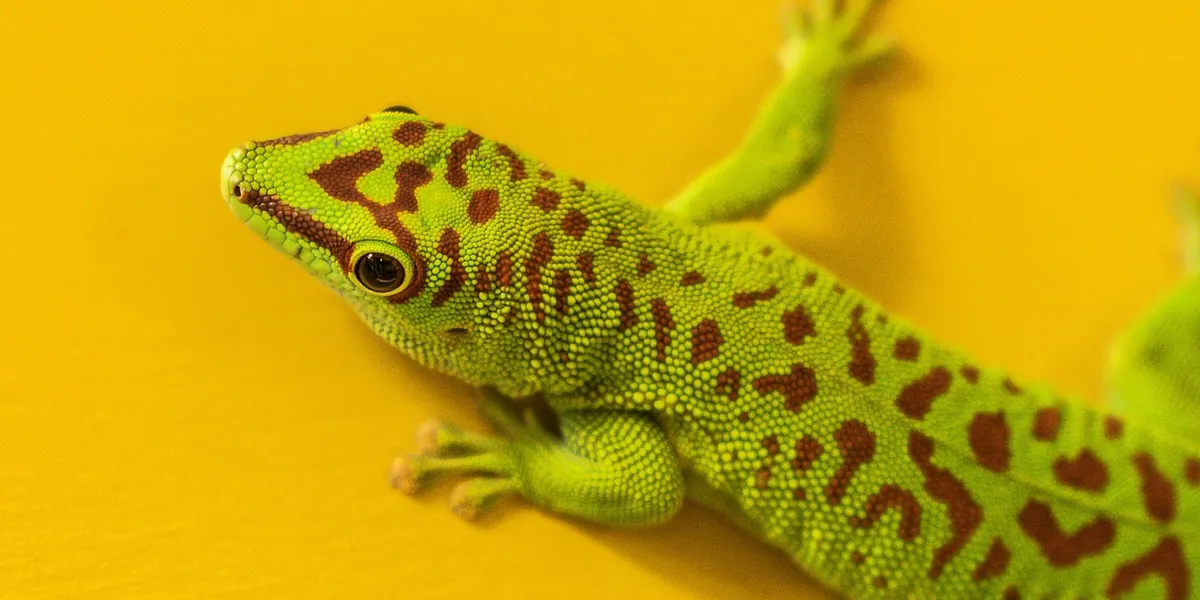
Picking the right floor for your gecko’s home feels like choosing shoes for a marathon-comfort and safety matter most. Your substrate directly affects humidity levels and your pet’s overall well-being, so let’s break down the top options with their pros and cons.
- Reptile Carpet: It’s washable and reusable, but bacteria can build up if you don’t clean it weekly. I used it for Griffey, my leopard gecko, and noticed it held moisture well, but I had to stay on top of laundry duty to prevent odors.
- Paper Towels: Super cheap and easy to replace, making them great for quarantine or sick geckos. They don’t hold much humidity, though, so for species like Jeter, my crested gecko, I had to mist more often to keep his skin from drying out.
- Bioactive Substrate: A mix of organic soil, sphagnum moss, and clean-up crews like springtails helps maintain natural humidity and waste breakdown. This setup mimics their wild habitat and reduces your cleaning chores, but it requires monitoring to avoid mold outbreaks. I’ve had success with Mookie, my gargoyle gecko, in a bioactive tank-it keeps humidity steady for his climbing antics.
Some substrates come with hidden dangers that can turn your gecko’s home into a hazard zone. Impaction from sand is a real threat, as geckos might accidentally eat it while hunting, leading to deadly blockages. Organic materials like coconut coir can grow mold if too wet, risking respiratory issues. I once tried ceramic tile for A-Rod, my African fat-tailed gecko-it looked sleek and was easy to wipe down, but it didn’t hold humidity well, so I had to add a humid hide. Coconut coir, on the other hand, worked wonders for Babe, my giant day gecko, by keeping moisture levels ideal for his basking needs without getting soggy.
Steer clear of these substrates to keep your gecko safe and healthy. Avoid calcium sand at all costs-it tricks geckos into eating it for calcium, but it clumps in their gut and causes impaction. Also, skip loose substrates like walnut shells or gravel, which are hard to digest and can injure delicate feet. Pine and cedar shavings release harmful oils that irritate lungs, so stick to pet-safe options to avoid emergency vet trips.
Humidity-Related Health Crises Caused by Wrong Substrate
When substrate messes up humidity, your gecko’s health can spiral fast. Poor humidity control often leads to stuck shed, where skin doesn’t peel off properly, cutting off circulation to toes and tails. I’ve seen rescue geckos come in with missing toes from this-it’s heartbreaking and totally preventable with the right setup.
- Shedding Problems: Low humidity makes skin dry and clingy, while high humidity can cause fungal infections. For species like crested geckos, aim for 60-80% humidity to support smooth sheds.
- Respiratory Infections: Damp, moldy substrates breed bacteria that geckos breathe in, leading to wheezing and lethargy. If your gecko starts gaping or has mucus around its nose, check for mold in the substrate immediately.
Impaction isn’t just about sand-any indigestible material can block your gecko’s digestive tract. Substrates like bark chips or artificial turf fibers can be swallowed during feeding, causing lethargy, loss of appetite, and even death if not treated. I helped a rescued leopard gecko who had eaten part of a cheap carpet; surgery was needed to remove the blockage, underscoring why safe choices matter.
Bacteria and mold thrive in consistently damp enclosures, especially with organic substrates that aren’t properly aerated. This creates a toxic environment that weakens your gecko’s immune system over time. In one case, a gecko I fostered had chronic skin lesions from bacteria in a waterlogged coconut husk bed-switching to a drier mix with better drainage cleared it up within weeks. Always spot-clean wet areas and use a hygrometer to keep humidity in the ideal range for your gecko species.
Species-Specific Substrate Solutions
Leopard Gecko Substrate Needs
Leopard geckos hail from arid, rocky environments, so their substrate must be bone-dry and easy to traverse. Paper towel, slate or ceramic tile, and certain reptile carpets are my top, foolproof recommendations for safety and simplicity. When selecting the best substrate bedding for leopard geckos, these options consistently offer safety and ease of maintenance. They also help keep conditions bone-dry and reduce the risk of impaction. Avoid loose, dusty substrates like sand, as they can cause fatal impaction if ingested.
While not avid diggers, they do enjoy shallow burrowing for security. A substrate depth of one to two inches is perfect for allowing this natural behavior without creating a moisture trap. You can achieve this with a bioactive soil mix or by providing a dedicated humid hide filled with damp sphagnum moss for shedding.
My leopard gecko, Griffey, thrives on a combination of slate tiles and a humid hide. The tiles keep his claws naturally trimmed and provide a warm, solid surface that mimics his native rocky outcrops, which he treats like his personal posing platform. This setup makes spot-cleaning a breeze and completely eliminates any risk of impaction.
Crested and Gargoyle Gecko Humidity Management
These arboreal geckos need a humidity cycle, spiking to around 70-80% for healthy shedding and then dropping. Moisture-retaining substrates like coconut fiber coir or a bioactive soil blend are essential for maintaining this cycle without constant manual misting. They hold humidity beautifully and are soft for accidental falls. This approach touches on a common pitfall: improper humidity management is among the 8 biggest mistakes in gecko hydration and humidity control. Avoiding this mistake helps ensure consistent shedding and healthier geckos.
Maintaining correct humidity is non-negotiable for shedding. If the air is too dry, retained shed, especially on their tiny toes, can lead to serious injury and infection. A deep layer of moisture-holding substrate acts like a natural reservoir, releasing humidity slowly throughout the day.
My crestie, Jeter, and my gargoyle, Mookie, live in separate bioactive enclosures. The layered substrate of soil, leaf litter, and sphagnum moss not only holds ideal humidity but also supports a clean-up crew of isopods and springtails that break down waste. Mookie’s energetic leaping has never been an issue with this soft, forgiving landing pad.
Fat-Tailed and Giant Day Gecko Considerations
Tailoring the substrate to these species is key. My fat-tailed gecko, A-Rod, needs moderate humidity but is a more terrestrial burrower, requiring a substrate that holds a bit of moisture and allows for digging. A-Rod’s bold stripe pattern is often seen poking out from under his favorite cork flat.
In contrast, my giant day gecko, Babe, is an arboreal superstar who rarely touches the ground. While Babe’s substrate choice matters less for direct contact, it’s crucial for overall tank humidity to support his bright green, tropical vibe. I use a simple, damp-proof layer for him, as his chubby tail is a sign he gets all his hydration from licking leaves and the glass walls after misting.
Their unique behaviors directly influence my choices. A-Rod’s territorial and meticulous nature means he appreciates a substrate he can subtly rearrange, while Babe’ food-motivated boldness means his setup prioritizes easy cleaning over deep, moisture-rich soil. Knowing your gecko’s personality is half the battle in substrate selection.
Practical Substrate Setup and Maintenance
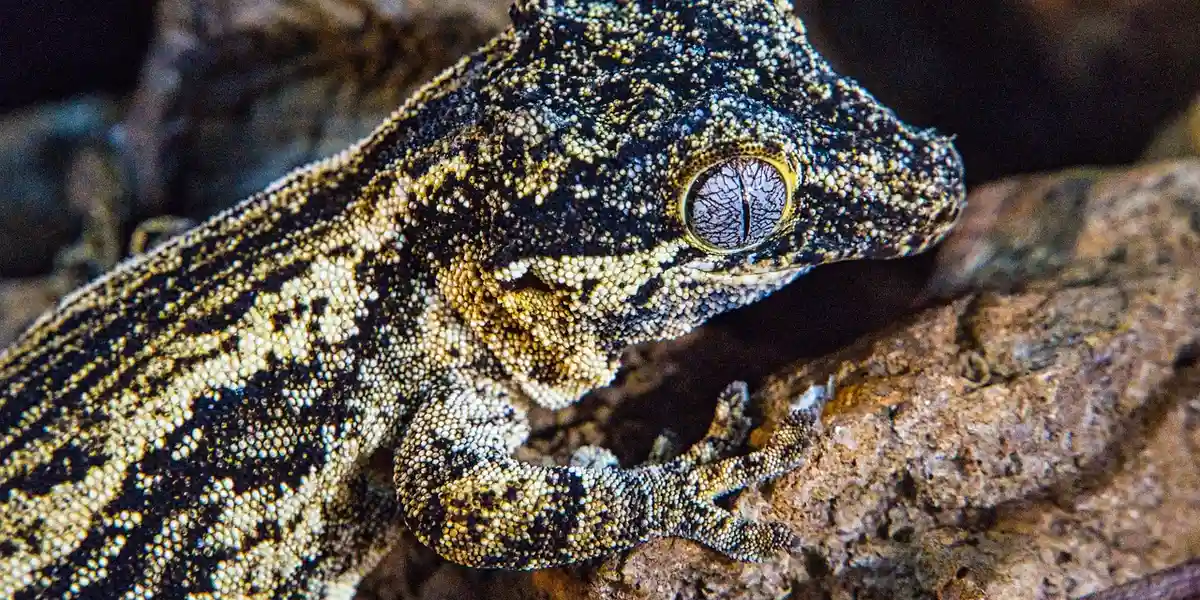
A proper setup prevents a host of problems down the line. Follow these steps for a clean, healthy foundation in your gecko’s home, regardless of the species you keep. We’ll also cover how to make the enclosure safe from household hazards. These quick tips help you identify and mitigate risks like loose cords and nearby cleaners.
- Completely empty and disinfect the empty enclosure with a reptile-safe cleaner.
- Add a drainage layer of clay balls or gravel if creating a bioactive or planted terrarium.
- Place a mesh screen separator on top of the drainage layer to prevent soil from sinking down.
- Add your chosen substrate, aiming for a depth appropriate for your gecko’s species and behavior.
- Lightly mist the substrate to settle dust and, for tropical species, establish initial humidity.
- Arrange all décor and hides before introducing your gecko to its refreshed home.
Your maintenance schedule depends entirely on your substrate. For simple substrates like paper towel or tile, a full change and clean is needed weekly, while bioactive setups can go months with only spot-cleaning. Loose substrates like coconut coir need a full change every two to four months.
My personal cleaning routine is non-negotiable for animal welfare. I spot-clean fecal matter from all enclosures daily to prevent bacteria and mold growth, and I do a deep-clean of non-bioactive tanks every single month. For my bioactive tanks, I just monitor the clean-up crew to ensure they’re keeping up with the waste.
Monitoring is your best tool for success. I use digital hygrometers placed at both the warm and cool ends of the enclosure to see how the substrate is affecting the overall humidity gradient. If levels are consistently off, adjusting your misting schedule or the substrate depth is your first line of defense.
Advanced Substrate Strategies for Optimal Health
Moving beyond a single layer of substrate opens up a world of environmental control. You can create a precise humidity gradient by strategically layering different materials, giving your gecko the power to choose its own comfort zone. I do this for my Crested Gecko, Jeter, by placing a deep, moisture-retaining mix like coconut fiber on the cool end of his tank and a drier, more stable layer like cypress mulch on the warm end. You can learn more about how substrate choice affects humidity here.
Creating a Custom Humidity Gradient
Think of your terrarium as having distinct neighborhoods. Your goal is to offer different humidity levels within the same enclosure.
- The Humid Hideout: Pile moisture-holding substrate like sphagnum moss or coconut fiber 3-4 inches deep in one corner. This creates a localized high-humidity microclimate perfect for shedding.
- The Arid Upland: Use a shallow layer of a drier, more inorganic substrate like excavator clay or a soil/sand mix on the opposite end. This area stays drier and mimics a natural basking spot.
- The Middle Ground: A blended substrate across the middle allows for a gradual transition, letting your gecko self-regulate as it moves through its territory.
The Bioactive Revolution
Bioactive setups are a game-changer for long-term habitat maintenance. A properly built bioactive substrate is a living, breathing ecosystem that breaks down waste, prevents mold, and maintains stable humidity with far less intervention from you. It’s the closest you can get to replicating their natural environment in a glass box.
- The Foundation (Drainage Layer): Start with a 1-2 inch layer of clay balls or gravel at the very bottom to hold excess water and prevent soil saturation.
- The Barrier (Mesh Screen): Place a fiberglass screen over the drainage layer to separate it from the soil, keeping your substrate from washing down.
- The Heart (Substrate & Cleanup Crew): Add a deep layer of a bioactive-ready soil mix. Then, introduce your “cleanup crew”-springtails and isopods. These tiny janitors consume waste, shed skin, and uneaten food, keeping the substrate healthy.
Long-Term Health Improvements I’ve Witnessed
Getting the substrate right isn’t just about convenience; it directly translates to a healthier, happier animal. Since switching my Leopard Gecko, Griffey, to a proper arid mix, I’ve seen a complete end to the frustrating stuck shed on his toes that used to worry me. His natural digging behaviors have also enriched his daily activity, reducing stress-related glass surfing.
- Perfect Sheds: Consistent, complete sheds without any retained skin, especially on delicate toes and tails.
- Natural Behaviors: Increased digging, burrowing, and exploration, which is a clear sign of mental well-being.
- Respiratory Relief: For my humidity-loving species, stable moisture levels have eliminated any signs of labored breathing or congestion.
Troubleshooting Common Substrate Problems
Even with the best plans, issues can pop up. Here’s how to tackle the most frequent challenges.
- Problem: Persistent Mold
- Solution: Increase ventilation immediately. Stir the top layer of substrate to aerate it. Introduce or add more springtails to your cleanup crew, as they devour mold.
- Problem: Substrate is Too Dry
- Solution: Mix water into the substrate instead of just misting the surface. For arid species, provide a humid hide instead of wetting the entire enclosure.
- Problem: Substrate is Consistently Soggy
- Solution: Check your drainage layer isn’t flooded. Replace the top layer of wet substrate with fresh, dry mix. Reduce the frequency and volume of your misting.
- Problem: Gecko is Ingesting Substrate
- Solution: For juveniles or clumsy eaters, switch to a non-particulate substrate like paper towel or slate tile for feeding areas. Always feed from a clean, elevated dish.
FAQs
What is the most cost-effective substrate for gecko enclosures?
Paper towels offer a budget-friendly and low-maintenance option, though bioactive substrates may provide better long-term value by reducing the need for frequent replacements.
How can I ensure that my substrate doesn’t develop mold over time?
Prevent mold by ensuring proper ventilation, avoiding over-saturation, and introducing clean-up crews like springtails in bioactive setups to consume organic debris.
Are decorative colored substrates safe for all gecko species?
Colored substrates should be avoided as they often contain dyes or chemicals that can be toxic if ingested or through skin contact, so opt for natural, undyed alternatives.
Final Thoughts on Substrate and Your Gecko’s Health
Your gecko’s substrate directly controls humidity levels, which can prevent common issues like stuck shed or respiratory infections if chosen wisely. I always use moisture-retaining options like coconut fiber for my crested gecko Jeter, while my leopard gecko Griffey thrives on dry paper towels—matching the substrate to their natural needs is non-negotiable for their comfort. It’s especially important for species like leopard geckos, where maintaining proper humidity levels is crucial.
Committing to ongoing education about gecko care ensures you can spot early signs of distress and adjust their environment proactively. Watching my own pets flourish reminds me that responsible ownership means never settling for “good enough”-always strive to learn more and provide the best life for your scaly friend.
Further Reading & Sources
- Complete Humidity and Hydration Guide For Crested Geckos – Zen Habitats
- Crested Gecko Humidity Guide: Top Things to Consider
- 8 Ways to Reduce Leopard Gecko Humidity (#3 IS HIGHLY EFFECTIVE)
The Gecko Guide is your ultimate resource for gecko enthusiasts, providing expert advice and practical tips to ensure the health and happiness of your scaly companions. Alexander is a passionate gecko owner with over a decade of experience in reptile care. We are dedicated to offering accurate, up-to-date information to support your gecko journey.Our mission is to foster a community of responsible gecko owners who are passionate about the well-being of these fascinating creatures.
Substrate & Flooring Options