
Why is My Gecko Turning Pale? Leopard & Crested Gecko Color Changes
Published on: December 27, 2025 | Last Updated: December 27, 2025
Written By: Alexander 'Gecko Geek' Johnson
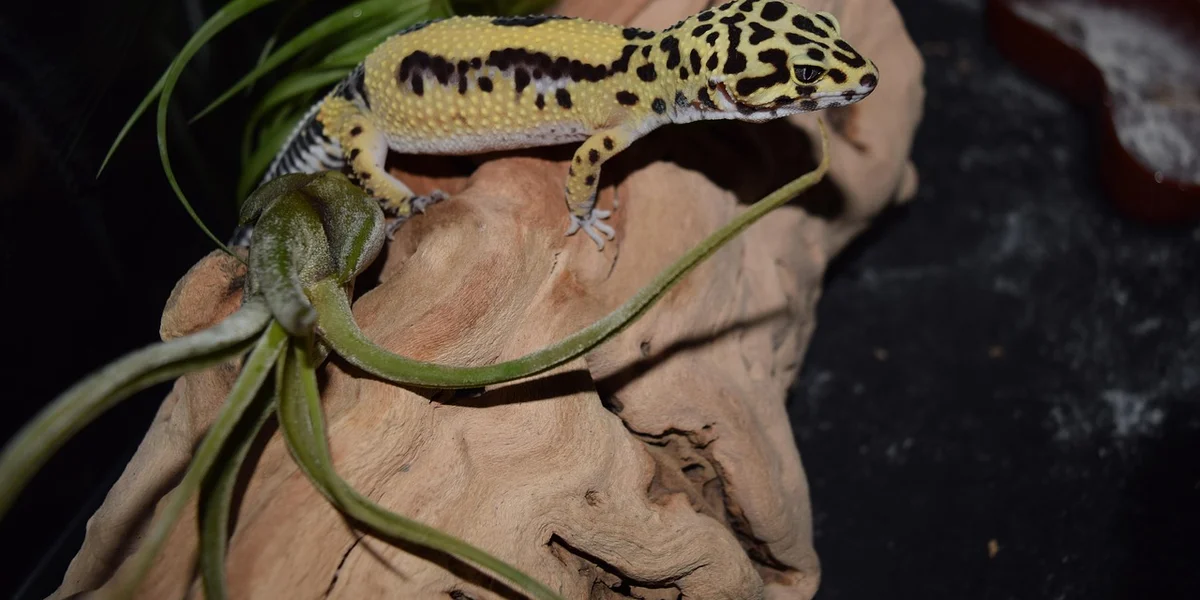
Watching your vibrant gecko suddenly turn pale can be a genuinely startling and worrying sight. I’ve been there myself, rushing over to my leopard gecko Griffey’s tank the first time I saw his brilliant yellow fade to a dull, milky white.
I’m here to help you understand what’s happening. We will walk through the common reasons for this color change, so you can stop worrying and know exactly what to do.
You will learn the key differences behind a pale gecko:
- Why shedding is the most common, harmless cause.
- How stress and temperature can drain their color.
- When a pale appearance signals a potential health issue.
By the end of this guide, you will have clear, actionable advice for your specific situation. We cover: shedding cycles, stress signals, temperature gradients, humidity levels, and signs of illness.
Normal Color Changes in Leopard and Crested Geckos
Understanding Shedding Cycles
Your gecko turning pale can be as normal as a sunrise. Both leopard and crested geckos shed their skin regularly, and a faded look is their way of saying, “New outfit coming soon!”
I see this with my leopard gecko Griffey all the time. He goes from vibrant gold to a dull, almost ghostly white right before shedding. This paleness happens because a fluid builds up between the old and new skin, making them appear lighter and cloudy. It is a healthy sign of growth.
Watch for these common shedding signals:
- Skin looks hazy or pale all over
- Eyes may appear blue or milky (especially in crested geckos)
- They might hide more and eat less
- They will rub against decor to peel the old skin off
The whole process usually wraps up in a day or two. Afterward, your gecko will be bright and shiny again, often having eaten the old skin for a nutrient boost. A pale gecko that is otherwise active and has a good appetite is likely just pre-shed and perfectly fine.
Temperature and Lighting Effects
Think of temperature and light as your gecko’s personal mood lighting. Get it wrong, and their colors can wash out faster than a cheap T-shirt.
If the tank is too chilly, a gecko’s metabolism slows down. This can cause them to look pale as their body conserves energy. My crested gecko Jeter once lost his fiery orange glow when his room got too cold at night. Consistent, proper temperatures are non-negotiable for maintaining vibrant colors and overall health.
Lighting plays a huge role, too. While leopard geckos are often considered low-light animals, some exposure to a gentle day-night cycle helps regulate their rhythms. Understanding day-night cycles helps explain whether geckos need light at night. A regular light-dark pattern supports their circadian rhythms. Crested geckos can benefit from low-level UVB lighting, which helps them process calcium and can enhance their natural colors.
- Leopard Geckos: Aim for a warm hide around 88-92°F and a cool side around 75°F.
- Crested Geckos: Thrive at room temperature, between 72-78°F, but avoid drafts.
- Use a timer for any lights to simulate a natural 12-hour day/night cycle.
When I upgraded to a better UVB bulb for Jeter, his colors became much richer. An environment that mimics their natural habitat keeps your gecko both colorful and content.
Common Causes of Pale Coloration in Leopard Geckos
Shedding Problems and Stuck Skin
Sometimes, the normal shedding process hits a snag. Stuck shed, or dysecdysis, is a common reason a leopard gecko stays pale longer than they should. Understanding gecko shedding problems can help owners recognize when to intervene and seek proper care to prevent complications.
This happens when pieces of old skin don’t come off completely, often clinging to toes, the tail tip, or around the eyes. This trapped skin can cut off circulation, leading to serious injury or infection if not handled. I had a scare with my African fat-tailed gecko A-Rod when he had stuck skin on his toes from low humidity.
Here is what you can do to help:
- Boost the humidity in the tank by misting lightly or providing a moist hide.
- Let your gecko soak in a shallow dish of lukewarm water for 10-15 minutes.
- Gently roll the stuck skin off with a damp Q-tip-never pull!
Prevention is always best. Ensure your leopard gecko always has a humid hide filled with damp sphagnum moss. A simple humid hide is your best defense against problematic sheds and persistent paleness.
Stress and Environmental Factors
Leopard geckos are creatures of habit. When their world gets shaken up, they often respond by turning pale. Stress is a major color-killer. Understanding the difference between stress and normal behavior helps you care for them better. In normal conditions, geckos show steady color and calm activity; stress makes them pale and more reactive.
I learned this the hard way when I rearranged Mookie’s terrarium a bit too enthusiastically. His normally mottled gray and red pattern faded almost overnight. Sudden color loss is a gecko’s way of telling you they feel vulnerable and stressed.
Common stressors that cause paleness include:
- Too much handling, especially for a new gecko
- A tank that is too open without enough hiding spots
- Loud noises or vibrations near their enclosure
- The presence of other pets, like cats, staring at the tank
- An enclosure mate if you are co-habbing (which I do not recommend)
The fix is to create a safe, predictable environment. Provide at least two snug hides-one on the warm side and one on the cool side. Limit handling sessions to short, calm periods. Giving your gecko a secure home is the fastest way to bring their bright colors back.
Common Causes of Pale Coloration in Crested Geckos
Dehydration and Humidity Issues
If your crested gecko looks washed-out and ashy, check your humidity levels first. I learned this the hard way with my own gecko, Jeter. His vibrant orange started to fade, and he became almost chalky-looking. A dehydrated crested gecko will often appear dull and pale because their skin isn’t properly hydrated. Their skin needs that moisture to maintain its vibrant, flexible quality.
You need to mist their enclosure thoroughly at night and provide a constant, clean water source. The ideal humidity should spike to around 80% at night and drop to 50% during the day. A simple digital hygrometer is your best friend here. If the air is too dry, your gecko can’t absorb water through their skin effectively. Are ideal humidity levels for leopard geckos? Humidity levels for leopard geckos are typically lower, as these desert-dwelling reptiles prefer drier conditions, using a humid hide mainly during shedding. Think of their pale color as a quiet but urgent request for a more tropical environment.
Behavioral and Dietary Influences
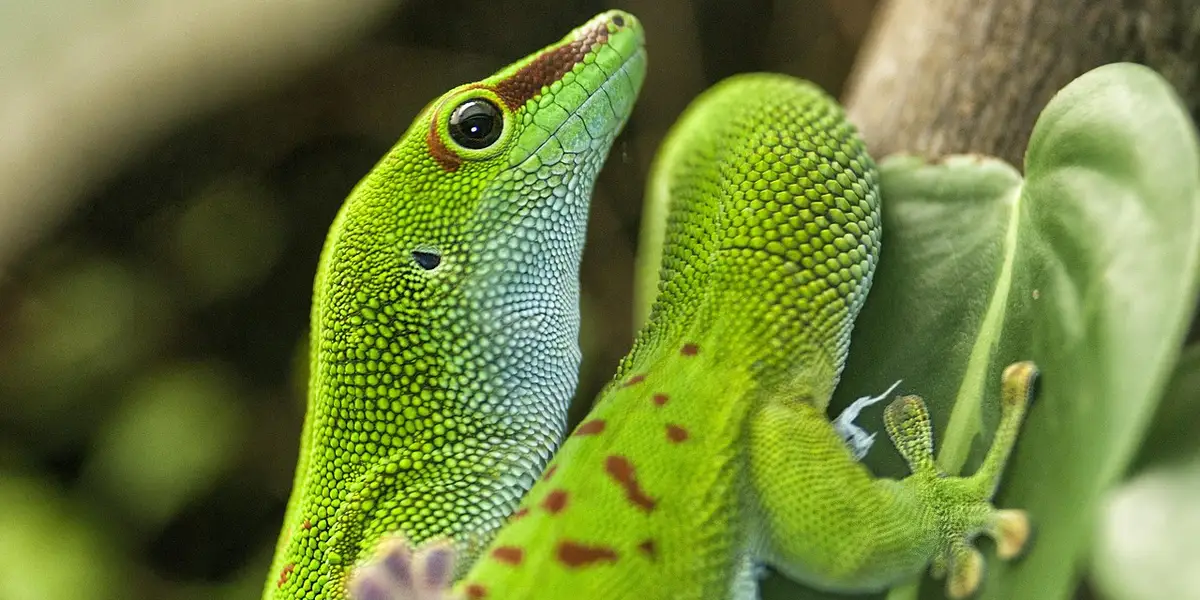
Pale skin isn’t always a red alert; sometimes it’s just your gecko talking. Crested geckos are masters of color change, called “firing up” and “firing down.” When my gecko Mookie is relaxed and sleeping, he fires down to a very pale, almost gray version of himself. This is a completely normal, reversible process driven by mood, temperature, and activity level.
Diet also plays a huge role. A poor diet lacking in proper vitamins and minerals can lead to a chronically dull appearance. I make sure to feed a high-quality, complete crested gecko diet (CGD) as their staple. A well-fed gecko is a brightly colored gecko, as the nutrients directly support skin pigment and health. If they’re only eating a subpar diet, they simply won’t have the resources to show off their best colors.
Health Issues That Cause Pale Skin in Geckos
Parasites and Infections
When a pale complexion is paired with other symptoms, it’s time to think about internal problems. Parasites like pinworms or coccidia can wreak havoc on your gecko’s system. A gecko fighting an internal infection will often become pale, lethargic, and lose weight because their body is under immense stress. I’ve seen this in rescues, and the change is stark-they look drained of all life and color.
Watch for these key signs alongside paleness:
- Runny, foul-smelling, or bloody stools
- Loss of appetite or refusal to eat
- A sunken appearance around the hips and eyes
This is a non-negotiable situation that requires a veterinarian to diagnose and prescribe the correct medication. Trying home remedies for parasites can be a dangerous and often fatal mistake.
Metabolic Bone Disease and Nutritional Deficiencies
This is one of the most heartbreaking conditions to see, and paleness can be an early clue. Metabolic Bone Disease (MBD) is caused by a lack of calcium and Vitamin D3. A gecko with MBD may appear pale because their body is so nutritionally depleted it can’t maintain normal functions, including skin health. Their body starts pulling calcium from their bones, leading to a soft, rubbery jaw and difficulty walking.
Prevention is straightforward but absolutely critical. You must provide proper supplementation. For my insect-eating leopard geckos, I dust every feeder insect with a calcium powder that contains D3. For my cresties, I use a complete powdered diet that already includes these nutrients. Without the right balance of calcium and D3, your gecko’s entire body, from its bones to its color, will suffer. If you suspect MBD, a vet visit is urgent to stop the progression and manage the pain.
What to Do If Your Gecko Is Turning Pale
Immediate Home Care Steps
First, stay calm and observe your gecko closely. Pale skin often signals shedding, especially in Leopard Geckos like my Griffey. I always check his hide for leftover skin. Create a humid hide immediately by placing a small box with damp sphagnum moss in the warm part of the enclosure. This helps loosen old skin. If you suspect the shed is stuck, follow a simple Gecko stuck shed guide to safely assist your gecko. Following the guide can minimize stress and prevent injury.
Next, assess the environment. Use a digital hygrometer to measure humidity. For Crested Geckos like Jeter, aim for 60-80% humidity. If it’s low, mist the enclosure lightly. For Crested Geckos, the ideal temperature range for Crested Geckos is 72-78°F (22-26°C). Staying within this range helps with digestion and comfortable activity. Ensure temperatures are correct—Leopard Geckos need a warm spot of 88-92°F, while Crested Geckos thrive at 72-78°F.
Offer fresh water and a small, easy-to-eat meal. Sometimes stress from handling or loud noises causes paleness. Limit interactions and provide quiet time to let your gecko settle. From my experience, Mookie’s color returns quickly after I reduce disturbances.
- Check for stuck shed on toes, tail, and eyes.
- Verify heating and lighting equipment is functioning.
- Monitor eating and drinking habits for changes.
When to Contact a Veterinarian
If paleness lasts more than a week without shedding, it’s time to call a vet. Persistent color loss can indicate underlying health issues like parasites or infections. I learned this when A-Rod had a similar scare.
Watch for other warning signs. Lethargy, weight loss, or abnormal feces are red flags. Any breathing difficulties or swollen joints require immediate professional care. Your vet can run tests to rule out serious conditions.
- Pale skin with lethargy or refusal to eat.
- Visible injuries or discharge from eyes or mouth.
- Sudden weight drop or dehydration symptoms.
Preventing Pale Coloration in Your Gecko
Optimal Enclosure Setup
Start with the right habitat. For Leopard Geckos, use a dry substrate like reptile carpet and include multiple hides. A temperature gradient with a warm basking area and cooler retreat is essential for digestion and comfort. Griffey loves his under-tank heater.
Crested Geckos need vertical space. Add live plants and branches for climbing. Maintain consistent humidity with daily misting and a bioactive setup if possible. Jeter’s enclosure has an automatic mister that keeps his skin healthy. For more information on setting up a proper habitat, see essential supplies and habitat setup for crested geckos.
- Use UVB lighting for 10-12 hours daily to support vitamin D3 synthesis.
- Avoid overcrowding decorations to reduce stress.
- Choose safe, non-toxic plants and hides for exploration.
Routine Health Monitoring
Establish a daily check-in routine. Look at your gecko’s color, activity level, and appetite. Weigh your gecko weekly with a small digital scale to track health trends. I do this every Sunday with Babe to catch issues early. If you notice sudden weight loss, that’s a red flag and should trigger your diagnostic checklist and a vet visit. Keep a log of any changes to share with your veterinarian.
Keep a simple journal. Note shedding cycles, feeding responses, and behavior changes. Regular handling-gentle and brief-helps you spot subtle differences in skin texture or weight. This proactive approach builds trust and ensures prompt care.
- Observe feces for consistency and color changes.
- Clean the enclosure thoroughly every month to prevent bacteria buildup.
- Schedule annual vet check-ups even if your gecko seems healthy.
FAQs
How long does the pale phase typically last during shedding?
The pale phase during shedding usually lasts for 1-2 days before the old skin is fully removed.
Is it safe to handle my gecko when it’s pale?
Avoid handling your gecko when it’s pale, as this could increase stress or interfere with the shedding process.
Can leopard geckos change color like crested geckos do?
Leopard geckos do not “fire up” or “fire down” like crested geckos; their color changes are mainly due to shedding, temperature, or health factors. So, why do leopard geckos change color? These shifts help regulate temperature and signal when shedding or health issues are present.
Your Next Steps for a Healthy Gecko
To recap, a pale gecko is often just getting ready to shed its skin, a perfectly normal and healthy process. For crested geckos, their “fired down” pale appearance is a standard color shift, usually tied to their sleep cycle or environment. The real red flags to watch for are persistent pallor accompanied by lethargy, weight loss, or a lack of appetite, which demand a swift vet visit.
The most rewarding part of being a gecko keeper is the commitment to lifelong learning about their unique needs. Your careful observation is your pet’s first line of defense, so trust your instincts, continue your research, and never hesitate to consult a reptile-savvy veterinarian. Your dedication is what ensures your scaly friend thrives for years to come.
Further Reading & Sources
- r/leopardgeckos on Reddit: Gecko turning pale?
- Hello! My Giant day gecko turned pale, in one night. I’m wondering, could he be shredding? | Our Reptile Forum
- Why Does My Leopard Gecko Look Pale? Expert Answers & Solutions
The Gecko Guide is your ultimate resource for gecko enthusiasts, providing expert advice and practical tips to ensure the health and happiness of your scaly companions. Alexander is a passionate gecko owner with over a decade of experience in reptile care. We are dedicated to offering accurate, up-to-date information to support your gecko journey.Our mission is to foster a community of responsible gecko owners who are passionate about the well-being of these fascinating creatures.
Gecko Health