
Why Do Leopard Geckos Change Color?
Published on: January 10, 2026 | Last Updated: January 10, 2026
Written By: Alexander 'Gecko Geek' Johnson
If you’ve ever glanced into your leopard gecko’s terrarium and noticed their color looks a little different, you’re not alone, and your eyes aren’t playing tricks on you. This common observation can spark a wave of questions and even a bit of worry for a dedicated owner.
I’ve seen it many times with my own High Yellow leopard gecko, Griffey. His golden complexion can look dramatically different from one week to the next. I’m here to help you understand what’s really going on. We’ll break down the main reasons for these fascinating color shifts so you can stop guessing and start understanding your pet.
The key reasons your gecko’s color changes boil down to three main areas:
- The natural process of shedding their skin.
- Their body’s response to temperature changes.
- Signals related to their mood, stress levels, and overall health.
By the end of this article, you’ll have a clear, practical understanding of your gecko’s changing appearance. We will cover: shedding cycles, temperature regulation, mood and stress indicators, potential health concerns, and how their specific morph plays a role. We’ll point out appearance signs you can watch for—color changes, shedding cues, and skin texture. These quick cues help you gauge health and mood at a glance.
The Science Behind Leopard Gecko Color Change
Your gecko’s skin is a living canvas of specialized cells called chromatophores. Think of these as tiny, color-filled sacs that can expand or contract.
When these cells receive a signal, they push their pigments to the surface of the skin or pull them back down. Melanin is the superstar pigment responsible for the blacks, browns, and darker tones you see.
This whole process is a masterclass in adaptive coloration. In the wild, a slightly darker gecko can absorb more heat from the sun or better blend into a shadowy rock crevice. It’s not just about hiding from predators; it’s about fine-tuning their body to their environment in real-time. Geckos do camouflage their environment by changing color and pattern to match nearby rocks, leaves, or bark.
- Pigment: The natural substance that gives skin its color.
- Chromatophores: The special skin cells that hold and manipulate pigment.
- Melanin: The specific pigment that creates darker colors.
Normal Daily Color Variations
You don’t need to panic if your gecko looks a little different from morning to night. Pale color changes happen, and they’re a common topic in leopard gecko and crested gecko explanations about why geckos turn pale. I see this all the time with my own high-yellow leopard gecko, Griffey.
He often looks brilliantly, almost neon, yellow after a good bask under his heat lamp. Later in the evening, when he’s active and prowling his terrarium, his colors seem deeper and more saturated.
These daily shifts are usually a direct response to their immediate environment and internal state. It’s their body’s way of saying, “I’m cold,” or “I’m feeling alert.”
- Basking: Warmth can cause colors to lighten or appear more vibrant.
- Activity Levels: Higher activity can lead to a temporary darkening of the skin.
- Mood: A stressed or defensive gecko may temporarily display darker markings.
- Lighting: The type and intensity of light in the tank can dramatically alter how you perceive their color.
How Shedding Impacts Color
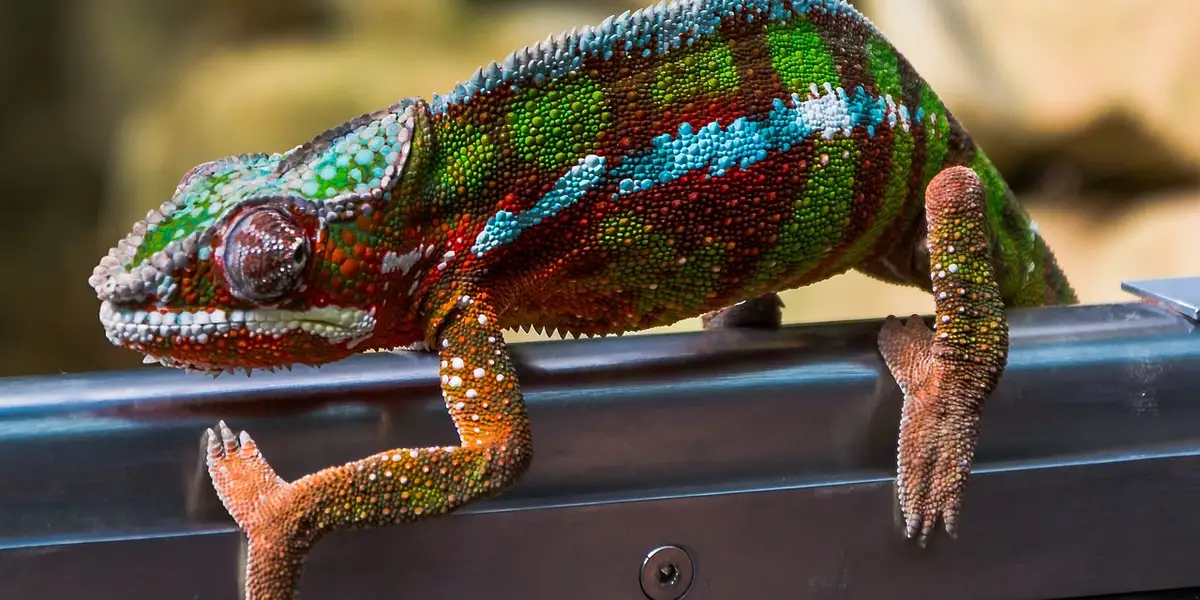
When your leopard gecko begins to shed, its skin turns a hazy gray, and it might look washed out. This dull phase happens because the old skin lifts away, revealing the vibrant new layer underneath. I’ve watched my gecko Griffey go through this many times-right after shedding, his golden High Yellow spots look incredibly sharp and bright.
Healthy shedding relies heavily on proper hydration and humidity levels. If the air is too dry, the skin can stick, leading to painful complications. I keep a humid hide in the enclosure with damp sphagnum moss to help Griffey slide out of his old skin smoothly.
If you spot stuck shed, especially on toes or the tail, act quickly to prevent injury. Here’s a quick, step-by-step guide to safely assist a gecko with stuck shed. Follow the steps calmly, and stop if the gecko seems stressed. Based on my routine, I gently place the gecko in a shallow container with lukewarm water for about 10 minutes. Then, I use a soft, damp cloth to carefully rub the affected areas. Always avoid pulling—let the moisture do the work.
Age and Developmental Color Shifts
Juvenile leopard geckos often sport intense, high-contrast patterns that evolve as they age. By their first year, many start to show their true adult colors, with patterns softening or colors deepening. This progression mirrors the leopard gecko life cycle—from egg to adult life cycle, to juvenile, and finally adult. It’s like watching a painting slowly come into focus-what you see at six months is rarely the final masterpiece.
Different morphs age in unique ways. High Yellow morphs, like my Griffey, tend to hold onto their sunny hues, while others may see spots merge or backgrounds shift. Over time, some morphs even develop new freckles or a richer base tone that wasn’t visible in youth.
Take my Giant Day Gecko Babe as an example-though not a leopard gecko, his bright green and red speckles have intensified over five years. For leopard geckos, expect the most dramatic changes to settle by 12-18 months, with subtle refinements continuing into adulthood.
Environmental Influences on Color
Your gecko’s habitat is the canvas for their color. I’ve seen my leopard gecko, Griffey, look washed out one day and brilliantly golden the next, all based on his surroundings. Getting the environment right is the single biggest factor for consistent, vibrant color. In the wild, geckos live in a wide range of natural habitats—from arid deserts to humid forests—where their colors help camouflage them. Understanding where geckos live in nature explains why their colors shift with light, substrate, and climate.
The Core Environmental Factors
Three main elements in your setup directly impact your gecko’s pigmentation.
- Temperature Gradients: A proper heat gradient is non-negotiable. A gecko that’s too cold cannot properly digest food or metabolize pigments, leading to a dull, ashy appearance. A consistent warm side of 88-92°F and a cool side around 75°F lets them self-regulate perfectly.
- Humidity Levels: While they are desert animals, the humidity in their moist hide is critical for shedding. Incomplete sheds can stick to new skin and cause permanent dullness or even damage. I keep the humid hide around 70-80% and the rest of the tank much drier.
- UV Light Exposure: This is a topic of debate, but in my experience, providing a low-output UVB light has made Babe, my Giant Day Gecko, glow. For leopard geckos, it’s less about UV for color and more about a consistent day/night cycle, which regulates their overall health and, by extension, their appearance.
Your Setup’s Role in Color Stability
What you put in the tank matters just as much as the temperature and humidity.
- Substrate Choice: I am a firm advocate for a solid substrate like slate tile or paper towel. Loose substrates like sand can cause impaction and stress, which will absolutely dim your gecko’s colors. A safe floor means a relaxed and radiant gecko.
- Enclosure Layout: Geckos need clutter. An empty tank is a stressful tank. Providing multiple hides, fake plants, and climbing opportunities gives them security, which prevents stress-induced color fading. My geckos use every single hide I give them.
Quick Habitat Optimization Tips
To prevent that unwanted dullness, follow these simple steps.
- Use digital thermometers and a thermostat-don’t guess the temperatures.
- Provide a humid hide filled with moist sphagnum moss or paper towels.
- Choose a simple, safe substrate that is easy to clean and doesn’t hold moisture.
- Fill the vertical and horizontal space with decor to make your gecko feel safe and explore.
Stress Signals Through Color Change
When a gecko changes color, they are often speaking to you. I’ve learned to read these visual cues like a language. A sudden color shift is one of the first and clearest signs that something is wrong.
Common Gecko Stressors
These are the usual suspects that can cause your gecko to “tell” you they’re unhappy through their skin.
- Over-handling: Especially for new geckos, too much handling can be terrifying. Limit sessions to 10-15 minutes and always let them come to you.
- Loud Noises and Vibrations: Placing a tank near a loud speaker or a slamming door will keep your gecko in a perpetual state of high alert.
- Inappropriate Tank Mates: Leopard geckos are solitary. Housing them together causes competition, fighting, and chronic stress. I would never risk it.
- Poor Hiding Places: If a gecko doesn’t feel like it can completely hide, it will never truly relax.
How Stress Manifests in Color
Stress doesn’t just cause one type of color change; it depends on the gecko and the situation.
- Darkening: This is a classic fear response. A gecko that suddenly turns dark is trying to absorb more heat to fuel a potential “fight or flight” reaction. It’s a primal instinct.
- Paling or “Washing Out”: Chronic, long-term stress can have the opposite effect, causing your gecko to become pale and lackluster. This is a sign of a deeper welfare issue that needs immediate attention.
A Tale of Territorial Color: My Gecko A-Rod
My African Fat-Tailed gecko, A-Rod, is a perfect example. He’s a calm, tan gecko 95% of the time. But if I rearrange his decor too much or clean his tank too vigorously, he transforms. His normally light tan body darkens significantly along his back, and his bold white stripe almost seems to intensify as a warning. It’s his way of saying, “This is my territory, and you’re disrupting it.” I’ve learned to make changes slowly and during his less active hours to keep his colors-and his mood-stable.
Health Issues That Cause Color Changes
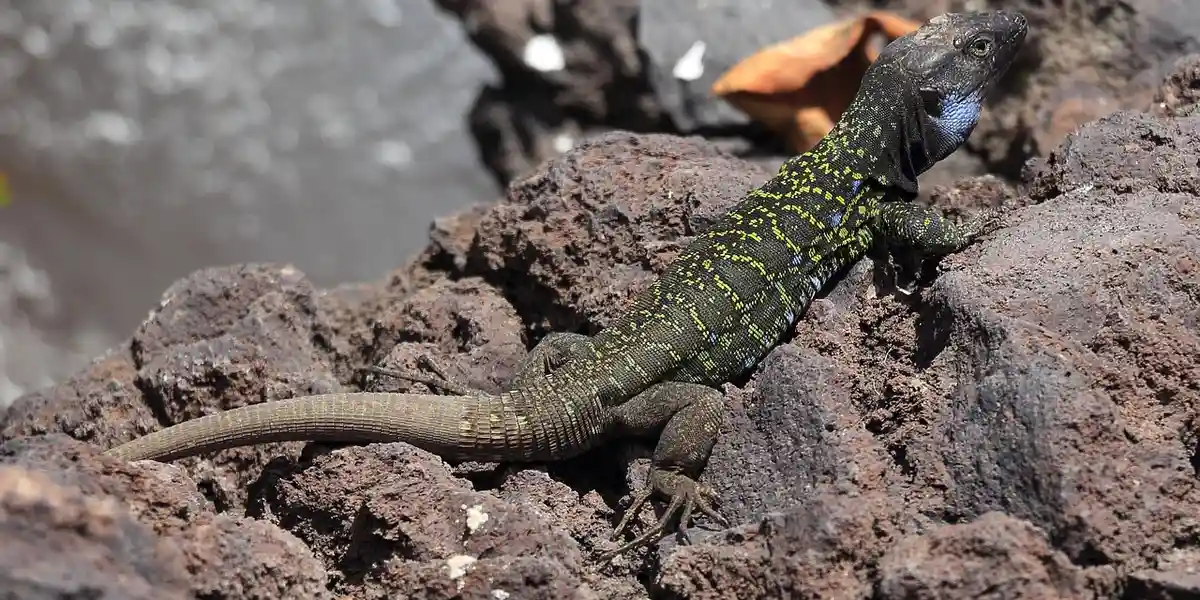
Sometimes, a color shift is your gecko’s way of waving a red flag. Persistent dullness or darkening, especially when paired with other symptoms, often points directly to an underlying health problem. I’ve seen this firsthand, and ignoring it is never an option.
- Skin Infections (Dermatitis): Bacterial or fungal infections can cause patches of discoloration, redness, or a slimy film. The skin may look irritated or uneven.
- Parasitic Infestations: Mites are tiny pests that can make your gecko’s skin look dirty or speckled. They often gather around the eyes, armpits, and vent.
- Dysecdysis (Bad Sheds): When old skin doesn’t come off completely, it can stick and create dull, grayish patches. This leftover skin cuts off circulation.
- Metabolic Bone Disease (MBD): While primarily a skeletal issue, the overall poor health from MBD can lead to a generally washed-out and unhealthy appearance.
You should contact a reptile vet immediately if the color change lasts more than a few days or comes with any of these warning signs. Trust me, a quick vet visit can save you and your pet a lot of stress down the line.
- Lethargy or unusual lack of movement
- Loss of appetite or refusing food
- Weight loss or a thin tail
- Struggling to shed
- Discharge from the eyes, nose, or mouth
- Hiding constantly and avoiding light
Breeding Season and Hormonal Color Shifts
Not all color changes are a cause for alarm. During breeding season, hormonal fluctuations can turn your terrarium into a runway for dazzling displays. My male, Griffey, becomes a completely different lizard when spring arrives.
- Males: Testosterone surges often cause males to become more vibrant. Their yellows can intensify, and their patterns may appear sharper and more defined as they try to attract a mate.
- Females: A receptive female may also show slightly brighter colors. After ovulation, she might develop noticeable “pink spots” on her abdomen, which are actually the eggs showing through her skin.
These seasonal patterns are temporary and perfectly normal, typically lasting for a few weeks or months. The behavior is just as telling as the color. Males might become more territorial and vocalize with little chirps.
- My gecko Jeter becomes much more active, patrolling his enclosure with a newfound purpose.
- I’ve observed males doing a slow, deliberate “courtship walk” and gently nudging females.
- This is a cyclical event. The brilliant colors will fade once the breeding impulse passes, and your gecko will return to its usual hue.
FAQs
How can I tell if my leopard gecko’s color change is normal or a sign of illness?
Normal color changes are often temporary and linked to shedding or temperature, while persistent dullness or darkening accompanied by behavioral changes like lethargy may signal a health issue.
What should I do if my gecko’s colors appear dull for an extended period?
Ensure proper humidity levels for shedding, reduce stress factors like loud noises, and consult a reptile veterinarian if the dullness continues with symptoms like weight loss.
Can the diet I provide affect the intensity of my gecko’s coloration?
A balanced diet with essential vitamins and minerals supports overall health and skin vibrancy, but no specific food directly alters leopard gecko color permanently. For a complete leopard gecko diet feeding guide, follow recommended feeding schedules, appropriate prey items, and calcium-phosphorus supplementation to meet all nutritional needs. This approach helps optimize health, growth, and skin condition through proper dietary management.
Is it possible for a leopard gecko’s color to change permanently due to environmental factors?
Environmental factors like temperature typically cause temporary shifts, but permanent color changes are more often due to aging, genetics, or underlying health conditions.
How does the presence of UVB lighting influence leopard gecko color changes?
UVB lighting isn’t necessary for color changes in leopard geckos, but it can support overall health and well-being, which may indirectly help maintain consistent coloration. For those wondering do leopard geckos need UVB lighting, this complete guide explains when it’s needed, how to set up exposure safely, and what to watch for in your gecko’s health.
The Colorful Truth
Remember, your leopard gecko’s shifting shades are a normal part of their life. Focus on the main triggers: a pending shed, temperature adjustments to control their body heat, and their overall health and mood. If the color change is accompanied by other symptoms like lethargy or loss of appetite, that’s your cue to investigate further. It’s also important to consider the lighting and temperature in their habitat when assessing their behavior.
Being a great gecko keeper means becoming a dedicated observer. Your most important job is to provide a consistent, stress-free habitat with proper heating and humidity, which supports all their natural behaviors, including color changes and other behavioral cues. Stay curious, keep learning, and you’ll enjoy a deeper, more rewarding connection with your incredible pet.
Further Reading & Sources
- 3 day difference. Why is there such a drastic color change …
- Leopard Gecko Color Changes: Expert Answers to Your Questions
- Why do leopard geckos change color as they age?
The Gecko Guide is your ultimate resource for gecko enthusiasts, providing expert advice and practical tips to ensure the health and happiness of your scaly companions. Alexander is a passionate gecko owner with over a decade of experience in reptile care. We are dedicated to offering accurate, up-to-date information to support your gecko journey.Our mission is to foster a community of responsible gecko owners who are passionate about the well-being of these fascinating creatures.
Leopard Geckos