
How Often Should You Handle Your Leopard Gecko? Taming and Bonding Tips
Published on: December 28, 2025 | Last Updated: December 28, 2025
Written By: Alexander 'Gecko Geek' Johnson
You’re holding your new leopard gecko and wondering, “How much handling is too much?” or “Am I stressing them out?” I’ve been there with my own gecko, Griffey, and I know that gentle balance between bonding and overwhelming your pet is key to their well-being.
I’ll guide you through the essentials to build a happy, trusting relationship. Here are the key takeaways we’ll cover:
- The ideal handling frequency based on age and temperament
- Clear signs your gecko is stressed or comfortable
- Practical taming techniques that actually work
You’ll walk away with straightforward, actionable advice you can start using today. Topics covered include: handling frequency, taming steps, bonding signs, stress indicators, and age-specific tips.
Understanding Leopard Gecko Handling Frequency
There’s no one-size-fits-all schedule for handling your leopard gecko. The right frequency depends heavily on your gecko’s age, personality, and how accustomed they are to you. My gecko, Griffey, loves his sessions, but my friend’s gecko would rather be left completely alone.
For a general guide, consider these factors:
- Baby Geckos (Under 6 months): Handle minimally, only for necessary tank maintenance. They are tiny, fast, and stress easily.
- Juvenile Geckos (6-12 months): You can begin short, 5-10 minute sessions, 2-3 times per week. Watch their body language closely.
- Adult Geckos (1+ years): A well-acclimated adult can often enjoy 15-minute handling sessions 3-4 times a week.
Your gecko’s behavior is the ultimate guide. Understanding what each action means helps you respond appropriately to leopard gecko behavior. A gecko that readily climbs onto your hand is giving you a green light. If they run away, hide, or vocalize, they are clearly saying “not today,” and you must respect that. Forcing interaction destroys trust you’ve worked hard to build.
Step-by-Step Taming Process for Your Gecko
Taming a leopard gecko is a marathon, not a sprint. It requires immense patience and consistency. Rushing this process is the number one reason people fail to bond with their pets. I spent weeks just sitting by Griffey’s tank before he even acknowledged I existed. A clear plan helps. Consider a leopard gecko step-by-step guide for safe daily steps.
Starting with Hand Introduction and Trust Building
This first phase is all about becoming a non-threatening presence. Do not attempt to pick them up yet.
- Begin with Presence: Simply sit by the enclosure for 15-20 minutes daily. Read a book or talk softly. This gets them used to your sight, sound, and smell.
- The Open Hand Method: Place your clean, flat hand palm-down in the tank, resting on the substrate. Keep it perfectly still. Do not reach for them. Let them investigate you on their terms.
- Introduce a Scent Cue: Wear a specific, mild-scented hand lotion only when you interact with them. Over time, they will associate that scent with your presence.
- The Tong Test: Offer a tasty treat, like a waxworm, from feeding tweezers near your resting hand. This builds a positive association (you = food!).
The goal here is for your gecko to willingly approach and sniff your hand without flinching or backing away. This foundational trust makes all the difference.
Progressing to Short, Positive Handling Sessions
Once your gecko is comfortable with your hand inside the tank, you can progress to lifting.
- The Scoop Lift: Gently slide your hand under their belly and lift slowly. Do not grab from above like a predator. Keep the initial lift very low inside the tank.
- Keep it Short and Sweet: Your first few handling sessions should last only 2-3 minutes. Always end on a positive note, perhaps with a small treat, before the gecko shows signs of stress.
- Handle Close to a Soft Surface: Always sit on the floor or over a bed or soft sofa. A fall from even a short height can cause severe injury to a leopard gecko. My rule is to never handle them while standing.
- Read the Signs: If they start frantically trying to climb away, puff up, or tail wave, the session is over. Gently place them back in their home.
Consistency is your best tool. Short, predictable, and positive sessions, repeated every other day, will build a bond much faster than long, sporadic, and stressful ones.
Bonding Tips to Strengthen Your Connection

Building a bond with your leopard gecko takes patience and consistency, much like earning the trust of a shy friend. I’ve seen my gecko Griffey go from hiding to eagerly awaiting my hand by using daily, gentle interactions. This is how you tame and bond your leopard gecko. Keep sessions short and consistent, and your pet will grow more confident around you. Start by simply sitting near their enclosure for 10-15 minutes each day, speaking softly so they associate your voice with safety.
Hand-feeding is a powerful bonding tool that creates positive associations. Offer favorite treats like mealworms from your fingers to build trust and reduce fear over time. My gecko now recognizes my hand as a source of good things, not threats.
Keep handling sessions short and predictable to avoid overwhelming your pet. Consistency is key-regular, calm interactions help your gecko learn you are not a predator. I handle Griffey for just 5-10 minutes daily, increasing duration only when he seems relaxed.
- Sit near the tank daily without touching them.
- Use hand-feeding with small, safe insects.
- Schedule handling at the same time each day.
- Move slowly and avoid sudden gestures.
Safe Handling Techniques to Minimize Stress
Proper handling prevents injuries and keeps your gecko calm. Always support their entire body, especially the belly and legs, to make them feel secure. I cup my hands gently around Griffey, letting him walk onto my palm rather than grabbing him. For safety, this is a key point in the gecko health safety guide: touch should be gentle and intentional. Always wash your hands before and after handling to protect both you and your gecko.
Handle your gecko low over a soft surface, like a bed or couch, in case they jump. This reduces fall risk and helps them feel more in control of the situation. I learned this after Griffey once leaped-thankfully onto a pillow! If your gecko is sick or injured, handle them even more gently and limit handling. When you must move them, keep them over a soft surface and move slowly, and consult a reptile vet if you notice signs of distress.
- Wash your hands to remove scents and bacteria.
- Approach from the side, not from above like a predator.
- Let them crawl onto your hand voluntarily.
- Limit sessions to under 15 minutes initially.
Recognizing and Responding to Stress Signs
Spotting stress early protects your gecko’s health. Watch for tail wagging, hiding, or refusal to eat – these are clear signals they need a break. Understanding gecko stress vs normal behavior helps you tell when to intervene and when things are just behaving normally. If a pattern repeats or worsens, consider adjusting care or consulting a vet. When Griffey flicks his tail rapidly, I immediately return him to his enclosure.
Hissing or trying to bite means your gecko feels threatened. Hissing, barking, and biting are defensive signals. Understanding these signals helps you respond calmly. If this happens, stop handling and give them several days of quiet time to decompress. I’ve found that respecting their boundaries actually speeds up taming in the long run.
- Tail wagging or thrashing: Stop handling now.
- Hissing or gaping mouth: Back away slowly.
- Color darkening: Often means fear or discomfort.
- Lethargy or loss of appetite: Consult a vet if persistent.
When to Avoid Handling Your Leopard Gecko
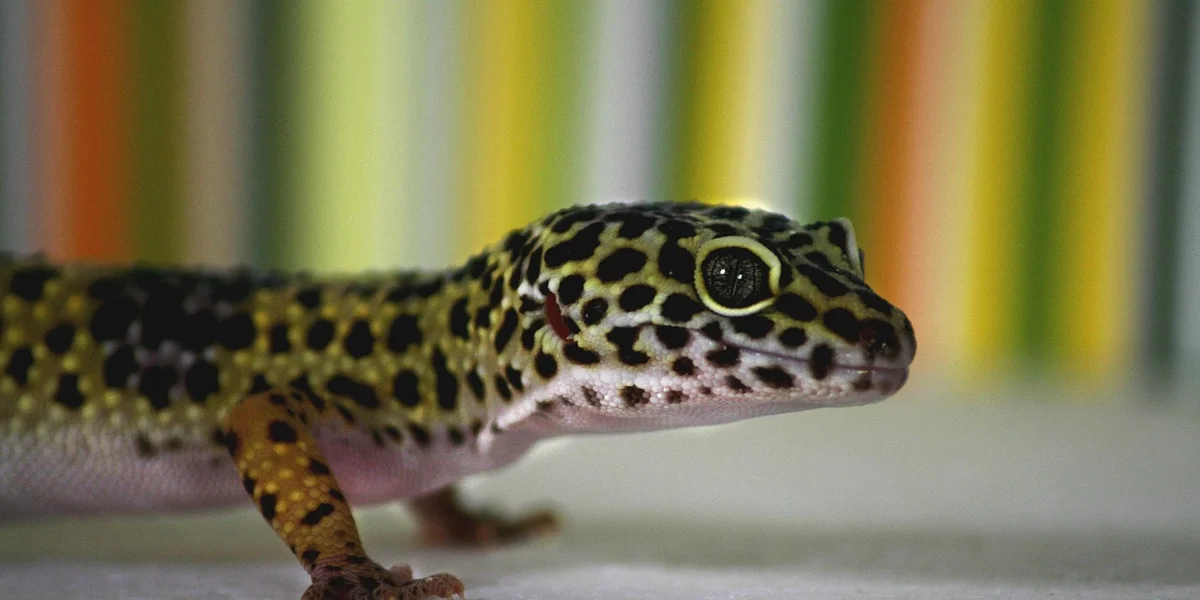
Knowing when *not* to pick up your gecko is just as important as knowing how. Forcing interaction during these times can destroy trust and set your taming progress back by weeks. I learned this the hard way with Griffey, who once gave me the cold shoulder for a solid week after I disturbed him during a shed.
Key Times to Leave Your Gecko Be
- For the First 1-2 Weeks After Bringing Them Home: This is their critical decompression period. Every sight, smell, and sound is new and stressful.
- During and Right After Shedding: Their skin is tight, their vision is impaired, and they feel incredibly vulnerable. They are often grumpy and will likely startle easily.
- After a Major Habitat Change: If you’ve just cleaned the entire tank or rearranged all the furniture, give them a few days to reorient.
- When They Are Sleeping During the Day: Waking a sleeping leopard gecko is a surefire way to get a grumpy, disoriented lizard. They are crepuscular, so respect their daytime naps.
- If They Show Signs of Illness: This includes lethargy, loss of appetite, or trouble walking. Handling adds stress their body doesn’t need.
- For 48 Hours After Eating: Handling can cause regurgitation, which is stressful and wastes a good meal.
The golden rule is to watch their body language. If they scurry away, puff up, or make a squeak, they are saying “not now.” Respecting their “no” is the fastest way to earn a future “yes.”
Building Consistent Routines for Long-Term Bonding
Consistency is the secret sauce to a great relationship with your leopard gecko. They thrive on predictability. A stable routine tells your gecko’s primitive brain that you are a source of good things, not danger. My guy, Griffey, now comes to the front of his tank around 7 PM because he knows that’s our time.
Steps to Create a Bonding Routine
- Choose a Specific Time: Aim for the early evening when they naturally become active. This makes them more receptive.
- Start with Tank-Side Interaction: For a week, just sit by the tank and talk softly to them. Let them get used to your presence and voice.
- Introduce Your Hand: Place your clean, flat hand palm-down in the tank for 5-10 minutes. Don’t move to touch them. Let them come to you.
- Progress to Short Handling Sessions: Once they are curious, start with 5-minute sessions, 3-4 times a week. Keep it brief and positive.
- Always End on a Positive Note: The moment they seem calm and settled in your hand, gently return them to their home and offer a small treat. This builds a powerful positive association.
Think of it less like “taming” a wild animal and more like building a cross-species friendship based on mutual respect and delicious snacks. Some days will be better than others, and that’s perfectly normal. The key is to be the calm, predictable giant in their life.
FAQs
How can I bond with my leopard gecko without handling?
You can bond by sitting near their enclosure daily and offering treats from your hand to build positive associations without physical contact.
What are the long-term benefits of regular handling?
Consistent handling helps reduce stress over time, leading to a calmer, more trusting gecko that may interact more willingly. This approach is enhanced by calm handling and environmental fixes, offering effective techniques to calm a stressed gecko.
How do I handle a particularly skittish leopard gecko?
Focus on extended trust-building, like leaving your motionless hand in the tank for longer periods, and only progress to brief lifts once they approach voluntarily.
Your Journey to a Happy Gecko
The golden rule for handling your leopard gecko is to let their comfort and your consistency guide you. Start with short, gentle sessions a few times a week, always watching for signs of stress like tail wiggling or trying to escape, and let their calm behavior be your green light for more frequent interaction. Remember that Gecko species handling techniques vary by species, so tailor your approach to each species’ needs.
Being a great gecko guardian means committing to their lifelong wellbeing, which extends far beyond just handling. I encourage you to keep researching proper care, from ideal habitat setups to their nutritional needs, because a truly thriving pet is the ultimate reward for your dedication. For those guiding a crested gecko through the juvenile-to-adult transition guide, the topic can provide practical, stage-aware tips. This helps ensure you tailor housing, diet, and enrichment to each phase for steady growth and long-term health.
Further Reading & Sources
- Leopard Gecko Handling & Body Language Guide
- How to Handle Leopard Geckos and Understand Their Body Language? – Leopard Gecko Care
- How often should you handle a leopard gecko? – Quora
The Gecko Guide is your ultimate resource for gecko enthusiasts, providing expert advice and practical tips to ensure the health and happiness of your scaly companions. Alexander is a passionate gecko owner with over a decade of experience in reptile care. We are dedicated to offering accurate, up-to-date information to support your gecko journey.Our mission is to foster a community of responsible gecko owners who are passionate about the well-being of these fascinating creatures.
Handling & Behavior Signs