
Understanding Gecko Shedding Problems and How to Help
Published on: January 29, 2026 | Last Updated: January 29, 2026
Written By: Alexander 'Gecko Geek' Johnson
Seeing your gecko struggle to shed its skin can be a genuinely nerve-wracking experience for any owner. That patchy, stuck skin isn’t just unsightly-it can quickly become a serious health risk if left untreated.
I’ve helped my own crew-Griffey, Jeter, and the others-through their fair share of tricky sheds. I’m here to walk you through it. In this guide, we’ll cover the essentials so you can confidently help your pet. You will learn:
- The common reasons shedding goes wrong.
- Clear, step-by-step methods to assist your gecko.
- How to create a perfect habitat to prevent future problems.
You’ll get straightforward, actionable advice you can use right away. This article covers: signs of a bad shed, creating a humidity hide, proper assistance techniques, when to see a vet, and long-term prevention strategies.
What Is Dysecdysis and What Causes It?
Dysecdysis is the ten-dollar word for a stuck shed. It’s when your gecko can’t successfully peel off its old skin. Think of it like trying to take off a tight, sticky wetsuit without any water to help it slide off. It’s uncomfortable and, if left untreated, can become a serious health issue.
I first encountered this with my leopard gecko, Griffey. He had a perfect patch of old skin stuck on one toe that just wouldn’t budge. The main causes I’ve seen and researched are:
- Dehydration: This is the big one. A dry gecko is a gecko that can’t shed properly.
- Low Humidity: The air in their home isn’t moist enough to soften the old skin.
- Poor Nutrition: A lack of key vitamins and minerals, especially vitamin A, can disrupt the shedding process.
- Enclosure Problems: This includes no rough surfaces to rub against, no humid hide, or incorrect temperatures that throw their whole system off.
Understanding the Normal Shedding Cycle
A healthy shed is a beautiful thing to watch. Your gecko will start to look a bit dull and ashy, and their eyes will get a milky, blue-ish tint. This is all normal. A healthy gecko will often eat its shed skin, which is a fantastic source of nutrients and a sign of a job well done.
Shedding frequency varies wildly by species and age. My young, fast-growing Gargoyle gecko, Mookie, sheds like clockwork every two to three weeks. My older Giant Day Gecko, Babe, might only shed once every month or two. Baby and juvenile geckos shed much more frequently as they grow.
A normal shed should be complete in a matter of hours, sometimes less. If you see your gecko working at it for more than 24 hours, it’s time to pay closer attention.
Common Culprits Behind Stuck Shed
Let’s break down the usual suspects. I’ve battled every one of these in my years of keeping geckos.
- Inadequate Humidity: This is public enemy number one for my Crested and Gargoyle geckos. A simple spray bottle is not enough. You need a digital hygrometer to get accurate readings, not those cheap, unreliable analog dials. For tropical species, aim for 60-80% humidity, especially at night.
- Lack of a Humid Hide: Every single gecko, even desert species like Leopards, needs a humid hide. This is a small, enclosed box filled with damp moss or paper towels. It’s their personal spa. My gecko A-Rod would be lost without his.
- Nutritional Gaps: A diet of only crickets without proper supplementation is a recipe for shedding trouble. You must dust feeder insects with a high-quality calcium and vitamin powder that includes Vitamin D3 and Vitamin A. Gut-loading your feeders with nutritious veggies is non-negotiable.
- Improper Temperatures: If their enclosure is too cold, their metabolism slows down, and they can’t generate the energy needed for a good shed. A proper heat gradient is vital for digestion and overall health, which directly impacts shedding.
How to Spot Shedding Problems Early
Catching a problem early is the key to an easy fix. I make it a habit to do a quick visual check on all my geckos every couple of days, and a more thorough one during their shed cycles.
Regular, gentle handling sessions are your best tool for spotting issues before they become emergencies. Look for any small pieces of skin that seem stuck, especially in those tricky areas.
Signs Your Gecko Needs Help
Your gecko will tell you it’s struggling, you just have to know how to listen. Watch for these red flags:
- Cloudy eyes that last for more than a couple of days. It’s like they’re permanently wearing frosted goggles.
- Lethargy and a loss of appetite during a shed. A little grumpiness is normal, but they shouldn’t completely shut down.
- Visible patches of dry, flaky, or tight-looking skin, especially on their toes, tail tip, or around their eyes and vent.
- They are rubbing their face or body against décor more frantically than usual, looking like they’re trying to win a scratch-off lottery ticket with their skin.
When to Worry: Severity Levels
Not all stuck shed is a five-alarm fire, but you need to know the difference.
- Minor Issue: A small patch on the back or head. You can usually handle this at home with a warm, damp q-tip and a little patience.
- Moderate Concern: Skin stuck on multiple toes or the tail tip. This needs immediate attention with a sauna session to prevent constriction.
- Veterinary Emergency: Any stuck shed around the eyes, a toe or tail that is turning dark or purple, or signs of infection like redness or swelling. Do not attempt to remove skin from their eyes yourself; you can cause serious damage. This is a job for a professional.
Step-by-Step Home Remedies for Stuck Shed
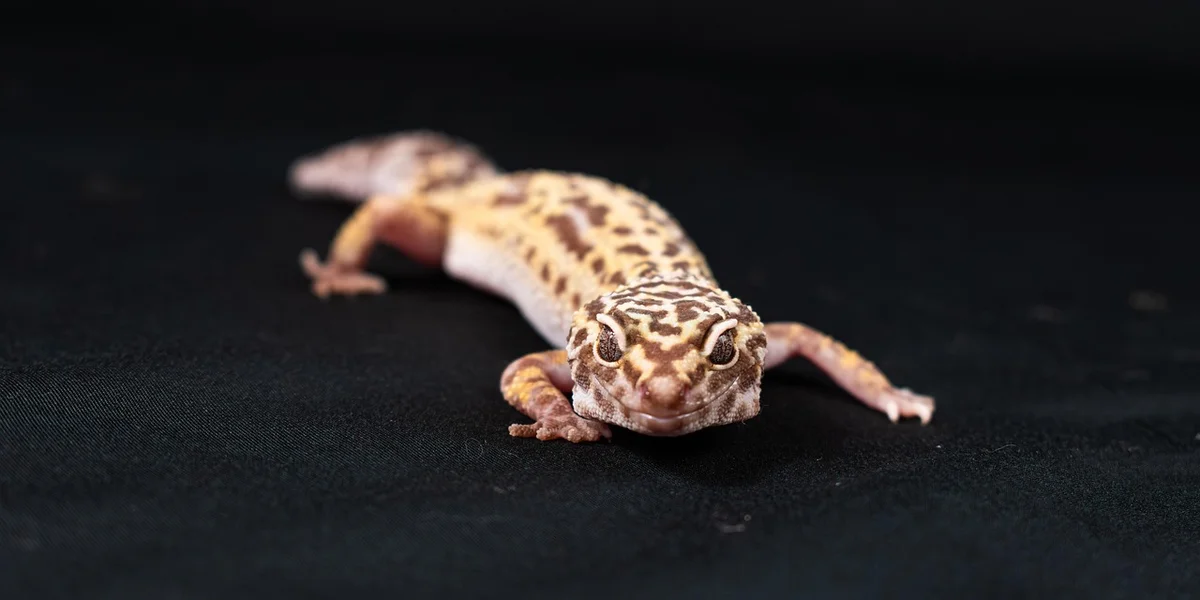
When you spot a patch of old, papery skin clinging to your gecko, don’t panic. I’ve been there many times with my crew, and a few simple, safe methods almost always do the trick.
- Warm Baths: A shallow bath in lukewarm water is my go-to first step. Use a plastic container with a lid (poke air holes!) and fill it with just enough water to reach your gecko’s elbows. Let them soak for 10-15 minutes; this will rehydrate the skin and encourage it to slough off naturally. I’ve found my leopard gecko, Griffey, tolerates this well if I stay calm and quiet.
- Humid Hide Setup: This is a non-invasive, 24/7 solution. A proper humid hide provides a consistently moist microclimate right in the enclosure. Your gecko will use it on their own terms, which is far less stressful for them.
- Gentle Misting: A light misting of the enclosure, and specifically the area with stuck shed, can help. Use dechlorinated water and avoid spraying directly into your gecko’s face. This is a great maintenance step but often needs to be paired with a soak for already-stuck shed.
My biggest “don’t” from personal trial and error is this: never, ever pull at the stuck shed. You can easily tear their delicate new skin underneath, leading to pain and a high risk of infection. Patience is your most important tool.
Creating a DIY Humid Hide
You don’t need to buy anything fancy. I make humid hides for all my geckos using a simple plastic food container like Tupperware. It’s a quick DIY humid hide you can create for your gecko in minutes. Add a damp substrate and a few small vent holes for airflow.
- Find a container that’s just big enough for your gecko to fit inside comfortably.
- Cut a smooth, rounded entrance hole in the side, large enough for easy access.
- Line the bottom with a moisture-holding substrate. I swear by sphagnum moss, but paper towels also work well.
- Dampen the substrate with dechlorinated water. It should be moist, not soaking wet or flooded.
- Place the hide on the warm side of the enclosure. The gentle heat will help evaporate the water, creating the perfect humid environment your gecko needs to shed.
Check the hide every couple of days to ensure the moss stays damp and doesn’t grow mold. My crested gecko, Jeter, practically lives in his around shedding time.
Safe Techniques for Shed Removal
If a soak doesn’t loosen everything, you can offer a little more direct help. The key is to be a gentle assistant, not a forceful surgeon.
- After the warm soak, your gecko’s skin will be softened.
- Take a cotton swab or a soft, lint-free cloth dampened with warm water.
- Gently roll the swab or cloth over the stuck shed. The goal is to let the moisture and the gentle friction do the work, not your pulling force.
- Focus on areas like toes and the tip of the tail, where stuck shed is most dangerous. If the skin doesn’t come off easily, stop and return your gecko to their humid hide for another day.
I successfully used this damp cloth method on Jeter when he had a stubborn piece on his toe. A little patience prevented a potential disaster.
When Shedding Issues Need a Vet’s Help
While most shedding problems can be handled at home, some situations absolutely warrant a professional. Your gecko’s health is more important than your pride in DIY solutions.
You need to call a vet if you see signs of infection, like redness, swelling, or pus around the stuck shed. This indicates the skin underneath may have been compromised. Deep tissue damage is another major red flag. If a toe or tail tip has turned dark, black, or shriveled due to constriction from stuck shed, that’s a veterinary emergency.
Finally, if you have persistent problems where your gecko seems unable to complete a shed cycle despite perfect husbandry, a vet visit is crucial. I once had to take my giant day gecko, Babe, in for a persistent eye-cap issue; it turned out to be a minor vitamin deficiency that was easily corrected. Getting that professional insight saved us from bigger problems down the line. In crested geckos, we often see common health problems like shedding issues, mouth infections, and calcium deficiencies, which tend to improve with proper husbandry and veterinary care. Being proactive with checks and supplements can keep these problems from escalating.
What to Expect at the Vet
It’s normal to feel nervous, but knowing what might happen can ease your mind. The vet’s goal is the same as yours: to help your gecko safely and with minimal stress.
They will likely perform a more thorough soak, sometimes using a specialized reptile-safe solution to soften the skin further. For very stubborn patches, they may use fine-tipped instruments under magnification to carefully lift the edges of the shed without harming the new skin.
In cases of infection, they will prescribe a course of antibiotics or topical ointments to clear it up. They might also take a blood sample to check for underlying health issues, like the vitamin imbalance we found with Babe. It’s a straightforward process, and your gecko will be in expert hands. [Knowing how to identify infections early](https://thegeckoguide.com/how-to-identify-and-treat-fungal-and-bacterial-skin-infections-in-geckos) can make a big difference in their recovery.
Preventing Future Shedding Problems
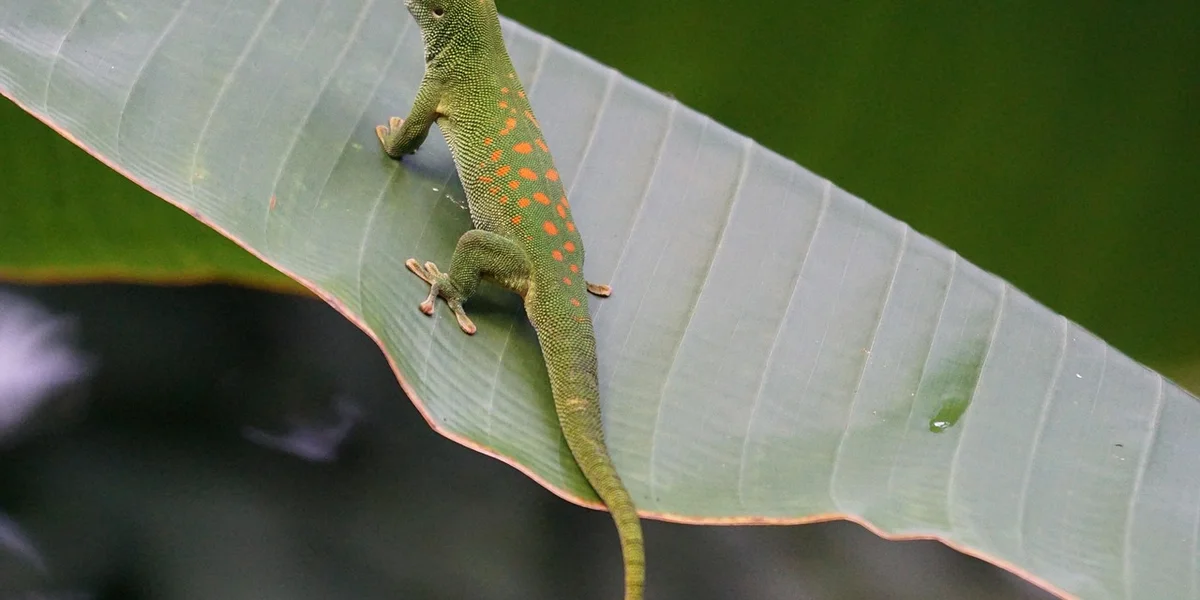
You can stop most shedding issues before they even start with a little proactive care. I learned this firsthand after my leopard gecko, Griffey, had a rough shed because I let his humidity drop too low. Now, my routine focuses on four pillars: nailing the humidity, offering the right hides, feeding a balanced diet, and keeping the enclosure clean. It sounds simple, but consistency is everything.
- Ideal Humidity Levels: This varies by species. My crested gecko, Jeter, thrives at 50-80% humidity, while my leopard gecko, Griffey, does best around 40-60%. I use a simple spray bottle for misting.
- Proper Hides: Every gecko needs a moist hide filled with damp sphagnum moss. It’s their personal spa for loosening old skin. A-Rod, my fat-tailed gecko, rearranges his constantly, but he always uses it.
- Balanced Diet: Gut-loaded insects dusted with supplements are non-negotiable. A poor diet leads to weak, flaky skin that doesn’t shed well.
- Enclosure Maintenance: I do a quick spot-clean daily and a full substrate change monthly. A dirty tank can cause skin infections that complicate shedding.
Setting Up the Perfect Enclosure
Your gecko’s home is their castle, and a well-set-up enclosure prevents a world of problems. Investing in a few key items from the start saves you from emergency vet trips later. I’ve set up tanks for all five of my geckos, and the basics are always the same. You don’t need to break the bank; many affordable options work perfectly.
- Humidity Gauges: Digital hygrometers are far more accurate than analog ones. I buy two-packs online for under $15 and place one at each end of the tank.
- Substrate Safety: Avoid loose substrates like sand for beginner owners. For my leopard and fat-tailed geckos, I use paper towel or slate tile. It’s safe, cheap, and easy to clean.
- Basking Areas: Create a temperature gradient with an under-tank heater or a low-wattage heat lamp. Babe, my giant day gecko, loves basking openly on a warm branch under his light.
- UVB Lighting: Not all geckos need it, but I provide low-level UVB for my day gecko and crested geckos. It helps with calcium metabolism and overall health. A compact bulb is an affordable way to start.
Nutrition and Hydration Tips
What goes into your gecko directly affects what comes off-their skin! Proper nutrition and hydration are the secret weapons for a flawless, one-piece shed. I watch my geckos like a hawk during feeding time to ensure they’re getting everything they need. Mookie, my gargoyle gecko, is a lightning-fast eater, so I have to be quick with supplements. For a complete gargoyle gecko diet feeding guide, you’ll find details on ideal foods, portions, and feeding schedules. It helps tailor care to age, activity, and shedding needs.
- Calcium Supplementation: I dust all feeder insects with a plain calcium powder at every feeding. Without enough calcium, their skin can’t separate properly during a shed.
- Vitamin D3: If your gecko doesn’t have UVB lighting, you must use a calcium powder with D3. It allows them to absorb the calcium. I alternate between with-D3 and without-D3 supplements for balance.
- Hydration Methods: Always provide a shallow water dish. For my arboreal geckos like Jeter and Mookie, I also mist the enclosure daily. They often drink water droplets right off the leaves, which is adorable and effective.
FAQs
Can I use commercial shedding aids or sprays for my gecko?
It is best to avoid commercial products and stick to proven methods like warm soaks and humid hides, as some sprays may contain ingredients that are harmful to geckos. Keeping your gecko safe from household chemicals is crucial when using any products.
What should I do if my gecko refuses to use the humid hide?
Ensure the humid hide is placed in a quiet, accessible area and try different substrates like sphagnum moss or paper towels to make it more appealing to your gecko. Do create and use a humid hide for leopard geckos to aid shedding and hydration.
How can I tell if my gecko is in pain from stuck shed?
Signs of pain include excessive rubbing, lethargy, loss of appetite, and vocalizations, and if you suspect pain, consult a veterinarian immediately.
Your Gecko’s Shedding Success
From my years with geckos like Griffey and A-Rod, I’ve seen that consistent humidity, a proper moist hide, and gentle handling during shed cycles are your best tools. Always check toes and tail tips for stuck shed and act quickly with a warm soak to prevent injury. To turn this into a practical routine, here’s a simple step-by-step guide to safely assist a gecko with stuck shed. These steps emphasize gentle handling, appropriate humidity, and careful monitoring.
Your gecko relies on you for a healthy life, so make their well-being a top priority every single day. Keep asking questions and refining your care—your dedication is what turns a good keeper into a great one. For a Mediterranean house gecko, this means a warm, secure enclosure and a steady insect-based diet. Regular checks on humidity and heating keep them healthy.
Further Reading & Sources
- Guide to Leopard Gecko Shedding | Blog | Long Island Bird and Exotics Pet Vet
- reptiles – My leopard gecko sometimes has trouble shedding. How can I help? – Pets Stack Exchange
- Leopard Gecko Shedding and Eating Issues: Expert Q&A
The Gecko Guide is your ultimate resource for gecko enthusiasts, providing expert advice and practical tips to ensure the health and happiness of your scaly companions. Alexander is a passionate gecko owner with over a decade of experience in reptile care. We are dedicated to offering accurate, up-to-date information to support your gecko journey.Our mission is to foster a community of responsible gecko owners who are passionate about the well-being of these fascinating creatures.
Shedding & Skin Health