
How to Quarantine a Sick Gecko Properly
Published on: January 31, 2026 | Last Updated: January 31, 2026
Written By: Alexander 'Gecko Geek' Johnson
Seeing your gecko act lethargic, lose its appetite, or show other signs of illness can be a genuinely scary and worrying experience. Your first instinct is to help, and one of the most critical steps you can take is immediate and proper quarantine.
I’ve been through this nerve-wracking process with my own geckos, and I’m here to help you navigate it with confidence. We will cover the absolute essentials to give your pet the best chance at a full recovery.
- Setting up a simple, sterile, and stress-free hospital tank.
- Learning the daily monitoring routine to track your gecko’s health.
- Knowing exactly when a vet visit is non-negotiable.
By the end of this guide, you will have a clear, step-by-step action plan. The key topics we are covering are: quarantine tank setup, essential supplies, safe handling, vet care, and quarantine duration.
Why Quarantining Your Gecko Is Non-Negotiable
I learned this lesson the hard way with my first gecko, Griffey. A simple-looking scale issue turned out to be contagious, and before I knew it, my entire collection was at risk. Quarantining a sick gecko is your single most powerful tool to prevent a small problem from becoming a full-blown outbreak.
Think of it as creating a secure bubble for your pet. This isolation serves two critical purposes:
- It protects your other healthy reptiles from exposure to bacteria, parasites, or fungi.
- It provides a low-stress, easily monitored environment for the sick animal to recover.
Many illnesses are invisible at first. By the time you see symptoms, the gecko has likely been shedding pathogens for days. Are there early warning signs of illness in geckos? Subtle cues like reduced appetite, lethargy, or changes in shedding can indicate trouble. A strict quarantine is the only way to break this cycle.
Setting Up the Perfect Isolation Enclosure
Your goal is a “bare bones but brilliant” setup. This isn’t about creating a beautiful display; it’s about creating a sterile, functional, and easily cleanable hospital tank.
Choosing Your Quarantine Tank
You do not need a large, expensive terrarium. In fact, a smaller, simpler enclosure is better. I keep a dedicated 10-gallon glass tank with a locking screen lid just for this purpose.
- Material: Glass or smooth plastic is ideal. Avoid porous materials like wood or rock backgrounds that can harbor microbes.
- Size: A 10 to 20-gallon tank is perfect for most geckos. It’s large enough for a heat gradient but small enough to monitor them closely.
- Substrate: This is non-negotiable-use paper towels. They are cheap, sterile, and allow you to instantly see any changes in droppings, parasites, or discharge.
Paper towel substrate lets you play detective, giving you immediate clues about your gecko’s health every time you check on them.
Mastering Temperature and Humidity Control
A sick gecko’s immune system is already compromised. Incorrect temperatures will shut it down completely. You must be precise.
I use a simple under-tank heater connected to a thermostat for my leopard geckos in quarantine. This provides a consistent belly heat source for digestion without the risk of burns.
- Create a Gradient: Even in a small tank, you need a warm side and a cool side. Aim for species-specific basking spots (e.g., 88-92°F for leopards) and a cool end around 75°F.
- Use Digital Thermometers: Ditch the analog stick-on gauges. Use two digital probe thermometers, one at each end of the tank, for accurate readings.
- Humidity Hacks: For species that need higher humidity, like crested geckos, a simple hide box filled with damp sphagnum moss works wonders. It creates a microclimate without raising the humidity of the entire sterile enclosure.
Consistent, perfect heat is like a prescription for a gecko; it’s the foundation upon which all other treatments are built. Monitor it twice a day without fail.
Your Daily Quarantine Care Routine
Monitoring Appetite and Behavior
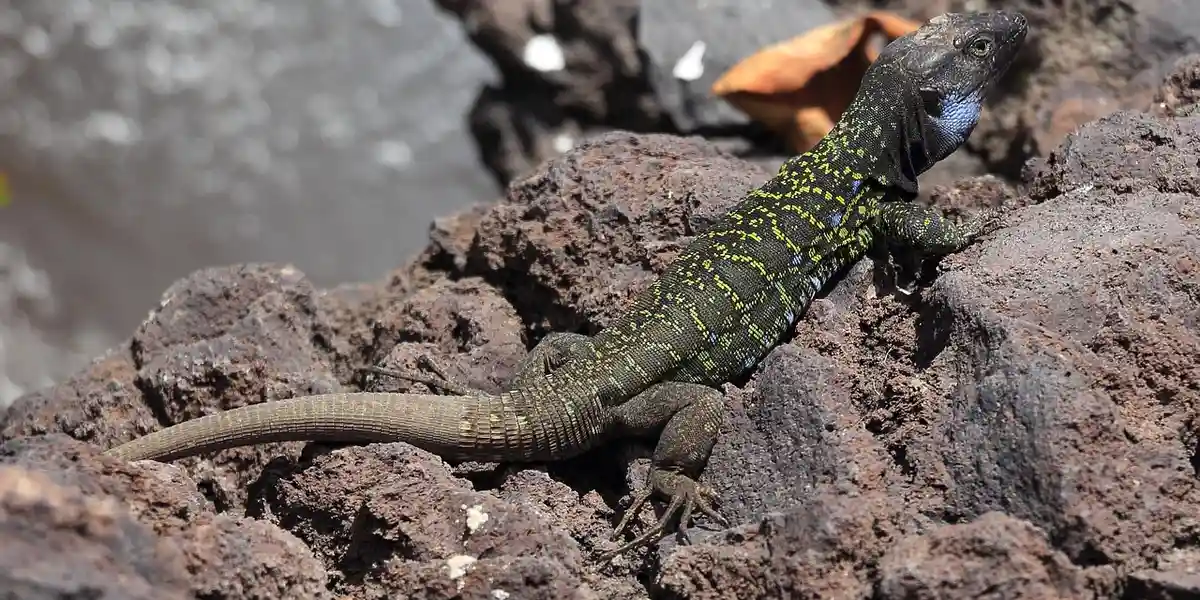
Your most important job during quarantine is to be a detective. Watch your gecko like a hawk. I keep a small notepad right by my sick gecko’s enclosure to jot down everything. This written log is your best tool for spotting subtle trends that you might otherwise miss.
Track their food intake with precision. Note if they are:
- Eating all their food.
- Only licking food juice.
- Ignoring food completely.
Behavior tells the real story. A gecko that is normally a voracious eater, like my Babe, suddenly turning his nose up at food is a huge red flag. Look for these subtle changes:
- Is your gecko more lethargic than usual, staying in one hide all day?
- Are they sleeping in unusual positions or places?
- Is there any labored breathing or audible clicking sounds?
That means knowing Babe’s normal vs abnormal gecko behaviors so you can spot abnormalities quickly. When something seems off, treat it as a concern and seek guidance from a reptile-savvy vet. Trust your gut; you know your pet’s normal “vibe” better than anyone.
Providing Fresh Food and Clean Water
Sick geckos are fragile, and their environment must be pristine. I treat my gecko’s quarantine tank like a sterile ICU. Stale food can harbor bacteria, making a recovering animal even sicker. To prevent common gecko illnesses, start with a clean, properly equipped habitat: appropriate enclosure size, fresh water, clean substrate, and consistent humidity and temperature. Regular cleaning and monitoring are essential parts of a preventative setup.
Offer fresh, high-quality food daily. If your gecko isn’t eating insects, try these alternatives:
- Repashy Grub Pie or Crested Gecko Diet mashed with extra water.
- Small amounts of organic baby food (like chicken or squash).
- Critical Care formulas prescribed by your vet.
Understanding the nutritional breakdown of a freshly prepared diet versus live insects helps you balance calcium, vitamins, and protein for your gecko. A mix of prepared diets and occasional live insects can provide steady nutrition with enrichment.
Hydration is non-negotiable. A shallow, sturdy water dish must be cleaned and refilled with fresh water every single day. I often find my sick geckos, like Jeter, will soak in their water dish to help with shedding or hydration, so keep it clean. Proper hydration is crucial for their health. For geckos that aren’t drinking, gently mist their nose with water so they can lick the droplets.
Your Biosecurity Protocol: Stopping the Spread
Using PPE and Dedicated Tools
Think of your sick gecko’s room as a mini-biohazard zone. This isn’t overkill; it’s essential for protecting your other pets. Cross-contamination is the fastest way to turn one sick gecko into a household outbreak. To limit risk, set up a dedicated hospital tank for the sick gecko and maintain it separately from the main enclosure. Regular cleaning and disinfection of gear will help prevent spread.
You need a dedicated “sick gecko kit.” I use a bright red tub that screams “QUARANTINE” so no one gets confused. Inside, keep:
- Disposable gloves. Put them on before you touch anything in the tank.
- A set of feeding tongs used only for this gecko.
- A dedicated sponge and scrubber for cleaning.
- A paper towel roll that stays in the room.
This gear is part of setting up a quarantine tank for your new leopard gecko. Having it ready helps you monitor health and prevent cross-contamination with other reptiles.
Wash your hands thoroughly with soap and water before you put the gloves on, and again immediately after you take them off. This simple barrier is your first and most effective line of defense.
Sanitizing Everything: A Step-by-Step Guide
Cleaning the quarantine enclosure is a ritual, not a chore. You must be thorough. I do a full deep-clean every other day for a seriously ill gecko. A clean tank reduces the pathogen load, giving your gecko’s immune system a fighting chance.
Follow this step-by-step guide religiously:
- Remove your gecko and place them in a temporary, secure holding bin with a paper towel substrate.
- Take all décor, dishes, and hides out of the main enclosure.
- Dispose of all substrate (like paper towels) in a sealed plastic bag.
- Scrub the empty tank, all décor, and dishes with hot, soapy water using your dedicated tools. Rinse thoroughly.
- Spray everything down with a veterinary-grade disinfectant like F10SC or a diluted chlorine bleach solution. Let it sit for the recommended contact time.
- Rinse everything again with clean water to remove any disinfectant residue. Let it all air dry completely.
- Reassemble the tank with fresh substrate and clean décor.
Cleaning your gecko tank properly is essential for your gecko’s health and a safe living environment. Following these steps will help you maintain a clean, healthy enclosure.
Never skip the rinse step. Chemical residues can be toxic. I always do the “sniff test” – if you can still smell bleach, it needs more rinsing. This process is the backbone of successful quarantine. It’s what separates a simple recovery from a recurring nightmare.
Knowing When Your Gecko Needs a Vet
Trust your gut. You know your gecko’s normal behavior better than anyone, and subtle changes are often the first sign of trouble. I’ve learned from my crew that what seems like a small issue can escalate quickly.
What to Expect at the Medical Vet Visit
Walking into the exotic vet can feel intimidating, but knowing what’s coming helps a ton. Here’s the typical play-by-play.
- The Initial Consultation: The vet will ask you detailed questions about your gecko’s habitat, diet, and the symptoms you’ve observed. Be ready to share everything.
- The Physical Exam: They will gently examine your gecko from head to tail, checking their eyes, mouth, skin, limbs, and vent. They’re looking for clues like stuck shed, wounds, or abnormal body condition.
- Diagnostic Tests: This is where we get answers. The vet will likely recommend a fecal test to check for internal parasites. In more serious cases, they might suggest blood work or X-rays.
- Treatment Plan: Based on their findings, the vet will provide a clear treatment plan. This could include medications like antibiotics or dewormers, along with specific instructions for at-home care.
Always ask for a demonstration on how to properly administer any medication before you leave the clinic. I’ve found a quick lesson in person prevents a lot of stress for both you and your gecko later on.
Managing the Quarantine Duration and Recovery
Patience is your most important tool here. Recovery isn’t a sprint; it’s a marathon with careful checkpoints.
- Strict Isolation: Your sick gecko must stay in a completely separate room from your other pets. This prevents airborne particles or contaminants on your hands or clothes from spreading illness.
- The 90-Day Rule: A full quarantine period should last a minimum of 90 days. This extended time ensures any underlying issues or parasites have been completely resolved and are no longer transmissible.
- Monitor Everything: Keep a simple log. Track their weight weekly, note their appetite, and record each bowel movement. This data is invaluable for tracking progress and informing your vet.
- Minimalist Setup: The quarantine enclosure should be easy to clean. Use paper towel substrate, a couple of simple hides, and disposable water and food dishes. This isn’t the time for a bioactive jungle.
- The “All Clear”: Your gecko is ready to return to their normal home only after they have completed all medication, shown consistent improvement, and have had a follow-up vet visit confirming they are healthy.
Wash your hands thoroughly with soap and water before and after handling your quarantined gecko or any of their items. This simple habit is the strongest defense you have against cross-contamination. Practice proper hand-washing hygiene: scrub all surfaces of your hands for at least 20 seconds and rinse well. Dry them with a clean towel before handling the gecko again.
FAQs
Can I handle my sick gecko during quarantine?
Minimize handling to reduce stress, and always wear disposable gloves when necessary for care.
What should I do if my gecko’s condition worsens?
Contact your exotic veterinarian immediately for guidance and potential emergency care.
How do I clean the quarantine tank after my gecko recovers?
Thoroughly disinfect the entire enclosure and all equipment before storing or reusing it.
Final Thoughts on Gecko Quarantine
To protect your whole gecko family, a proper quarantine is non-negotiable. This means total isolation in a simple, sterile enclosure for a minimum of 90 days, with diligent handwashing between handling each animal. Always consult a reptile-savvy vet for a definitive diagnosis and treatment plan, as guessing can do more harm than good. This aligns with a complete gecko quarantine protocol day-by-day safety checklist to guide you through every step. Maintain a brief daily log of handling, enclosure conditions, and any symptoms.
Committing to this process is a fundamental part of being a great gecko keeper. Your dedication to learning and applying proper care protocols is what truly defines a responsible and loving pet owner. Stay curious, keep researching, and your scaly friends will thrive under your watchful care.
Further Reading & Sources
- Leopard Gecko Quarantine: What is it and why is it | Wiki | Reptiles Amino
- Leopard Gecko Quarantine – Why It Important and How Long? – Leopard Gecko
- Leopard Gecko Quarantine Set Up. | Reptile Forums
The Gecko Guide is your ultimate resource for gecko enthusiasts, providing expert advice and practical tips to ensure the health and happiness of your scaly companions. Alexander is a passionate gecko owner with over a decade of experience in reptile care. We are dedicated to offering accurate, up-to-date information to support your gecko journey.Our mission is to foster a community of responsible gecko owners who are passionate about the well-being of these fascinating creatures.
Gecko Health