
The Complete Gecko Quarantine Protocol: A Day-by-Day Safety Checklist
Published on: March 17, 2026 | Last Updated: March 17, 2026
Written By: Alexander 'Gecko Geek' Johnson
Bringing a new gecko home is exciting, but introducing it to your existing pets without a proper quarantine period is one of the biggest risks a reptile keeper can take. I’ve learned this the hard way, and the consequences can be heartbreaking for your entire collection.
I will help you protect your scaly family with a simple, step-by-step guide. This protocol is built on veterinary science and my own years of experience housing multiple geckos safely. You will learn how to:
- Set up a completely separate and secure quarantine enclosure.
- Perform daily health checks and identify early warning signs of illness.
- Navigate the critical first 30-90 days with a clear, day-by-day action plan.
My advice is straightforward and designed to eliminate guesswork. This article covers: quarantine duration, enclosure setup, daily observation logs, handling rules, fecal testing, and the final introduction process. Follow this checklist, and you can welcome your new friend with confidence.
Why Gecko Quarantine is a Must-Do for Every Owner
I learned the hard way why quarantine is non-negotiable. Years ago, I introduced a beautiful new gecko to my collection without a proper isolation period. Within two weeks, a nasty case of crypto, a devastating and highly contagious parasite, swept through my entire group. That heartbreaking experience taught me that skipping quarantine isn’t a risk; it’s a gamble with your pets’ lives.
Think of quarantine as a vital security checkpoint for your reptile family. It protects your established, healthy geckos from invisible threats. Proper quarantine for new reptiles helps catch parasites before they can spread. Keep newcomers in a separate enclosure for observation and any needed screening before joining your collection.
The Silent Threats Quarantine Stops
- Parasites: Internal pests like pinworms or protozoa are common in new arrivals and can be shed in their feces.
- Bacterial and Fungal Infections: These can cause everything from skin sores to life-threatening respiratory issues.
- Viruses: Some viruses can linger without symptoms for weeks before making a gecko critically ill.
- Mites: These tiny external parasites are a nightmare to eradicate from a main collection.
Beyond just disease prevention, quarantine gives your new gecko a crucial stress-free period to settle in. Moving to a new home is terrifying for them. A quiet, simple space allows them to decompress, start eating reliably, and begin to trust you. During quarantine, handle your hatchling gently and only briefly to socialize safely. Slow, calm interactions help them tolerate handling as they settle in.
The Three Golden Rules of Quarantine
- Total Separation: The quarantine enclosure must be in a completely different room from your other reptiles.
- Dedicated Tools: Have a separate set of feeding tongs, spray bottles, and cleaning supplies you use only for the quarantine space.
- Wash Your Hands: Always wash and sanitize your hands thoroughly before and after handling anything in the quarantine area.
Setting Up Your Gecko’s Quarantine Space
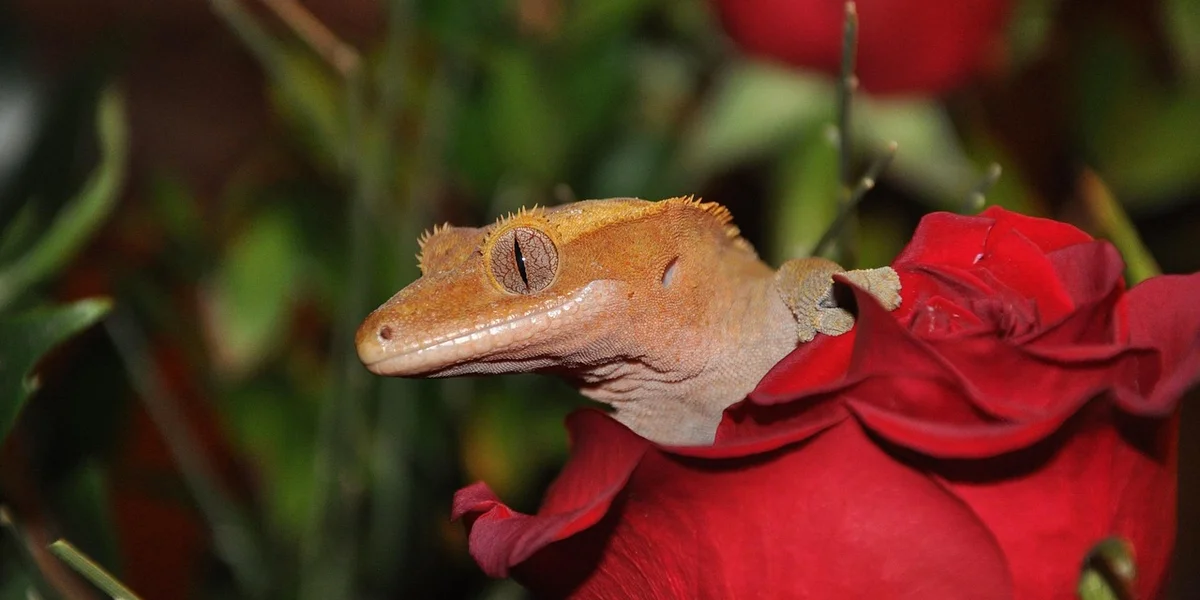
Your goal here is not to create a beautiful, permanent display. The perfect quarantine tank is simple, sterile, and incredibly easy to clean. This minimizes hiding spots for pathogens and maximizes your ability to monitor your new pet.
The Bare-Basics Enclosure
- Enclosure: A simple 10-gallon tank or a basic plastic tub with secure ventilation works perfectly.
- Substrate: Use plain paper towels. Nothing else. They are cheap, disposable, and let you see every poop and any mites instantly.
- Hides: Provide at least two hides. I use inexpensive, sterilizable plastic containers with doorways cut out.
- Food and Water Dishes: Use simple, shallow ceramic or plastic dishes that are easy to scrub.
The Quarantine Toolkit Shopping List
| Item | Purpose |
|---|---|
| Paper Towel Rolls | Cheap, disposable substrate you can change daily. |
| Spray Bottle | Dedicated to this tank for misting (for species that need it). |
| Chlorhexidine Solution | A vet-recommended disinfectant for cleaning the entire enclosure. |
| Feeding Tongs | Prevents cross-contamination when offering insects. |
| Digital Thermometer/Hygrometer | Ensures you’re providing correct temperature and humidity. |
Remember, less is more in a quarantine setup. You don’t need bioactive soil, live plants, or a bunch of decorative wood. My gecko, A-Rod, spent his quarantine in a tub with two plastic hides and paper towels, and he thrived because it was safe, warm, and stress-free. That’s the entire point.
The 30-Day Gecko Quarantine Protocol: Your Daily Action Plan
Days 1-7: The Initial Adjustment Period
This first week is all about silent observation. Your main job is to be a quiet presence and let your new gecko decompress. Handling is a hard no during this phase-it will only spike their stress levels when they need calm most.
I learned this the hard way with my Crested Gecko, Jeter; giving him space those first few days made a world of difference in his long-term confidence.
- Minimal Interaction: Do not handle. Limit tank intrusions to absolute necessities.
- Observe from Afar: Watch for normal breathing, general alertness, and exploration during nighttime hours.
- Offer Food & Water: Provide a shallow water dish and offer a small, simple meal (like a few repashy licks or a couple of appropriately sized crickets). Don’t panic if they don’t eat.
- Check for Waste: Look for urates (the white part) and feces to confirm their digestive system is online.
Days 8-21: Intensive Health Monitoring
Now we shift from passive watcher to active detective. This is when underlying issues often reveal themselves. You will start a simple logbook to track weight, appetite, and bowel movements-this data is priceless for spotting trends.
My Leopard Gecko, Griffey, had a slight weight dip in week two that my log helped me catch and correct immediately.
- Weigh-In: Weigh your gecko once a week using a digital gram scale.
- Food Response: Offer food every other day. Note what they eat and how eagerly.
- Spot-Cleaning: During daily spot-cleaning, inspect feces for consistency, undigested food, or strange color.
- Visual Health Check: Look closely at their eyes (should be clear), nose (no bubbles), skin (no retained shed), and vent (should be clean).
Days 22-30: The Final Assessment and Integration Prep
You’re in the home stretch. Your gecko should be settled, eating reliably, and showing consistent, healthy habits. This is the moment to reference the ultimate gecko health troubleshooting checklist—a step-by-step diagnostic guide to verify health signals and catch subtle changes early. Having a clear plan keeps your final inspection focused and confident. This final week is your green light to do a brief, gentle hands-on health inspection if they are calm and tolerant.
My rule is if they flinch or try to bolt, I abort the mission and try again another day-their trust is more important than my timeline.
- Final Vet Check: If you have any lingering doubts, now is the time for a wellness vet visit.
- Behavioral Baseline: Your gecko should be active at night, have a good body weight, and show curiosity.
- Introduction Planning: If you have other geckos, start planning the slow, visual introduction process-no physical contact yet.
- Husbandry Review: Double-check that your main enclosure’s temperatures and humidity are perfectly dialed in for their arrival.
Spotting Trouble: Key Health Symptoms to Monitor
Knowing what to look for turns worry into proactive care. Many gecko illnesses start subtly, so training your eye to catch small changes is your best defense.
When my Gargoyle Gecko, Mookie, was younger, I noticed he wasn’t as zippy during his evening climbs-that slight energy drop was my first clue to a minor issue.
Critical Visual Red Flags
- Weight Loss: A prominent spine or hip bones, a thin tail. This is often the first sign of parasites.
- Lethargy: Consistently sluggish during their normal active hours, lack of interest in surroundings.
- Respiratory Distress: Open-mouth breathing, wheezing sounds, or bubbles around the nostrils.
- Stuck Shed: Old skin stuck, especially on toes or the tip of the tail, which can constrict blood flow.
- Abnormal Droppings: Runny, bloody, or strangely colored feces; a lack of urates.
Behavioral Warning Signs
- Food Aversion: Consistently ignoring food for more than a week when they were previously eating.
- Unusual Aggression or Hiding: A normally calm gecko becoming defensive, or a curious one becoming reclusive.
- Odd Postures: Constantly holding their head at a strange angle or struggling to right themselves.
Trust your gut. If something feels “off” with your gecko, even if you can’t pinpoint it, err on the side of caution and consult a reptile vet. It is always better to have a false alarm than to miss a serious, treatable condition.
Solving Common Quarantine Hurdles
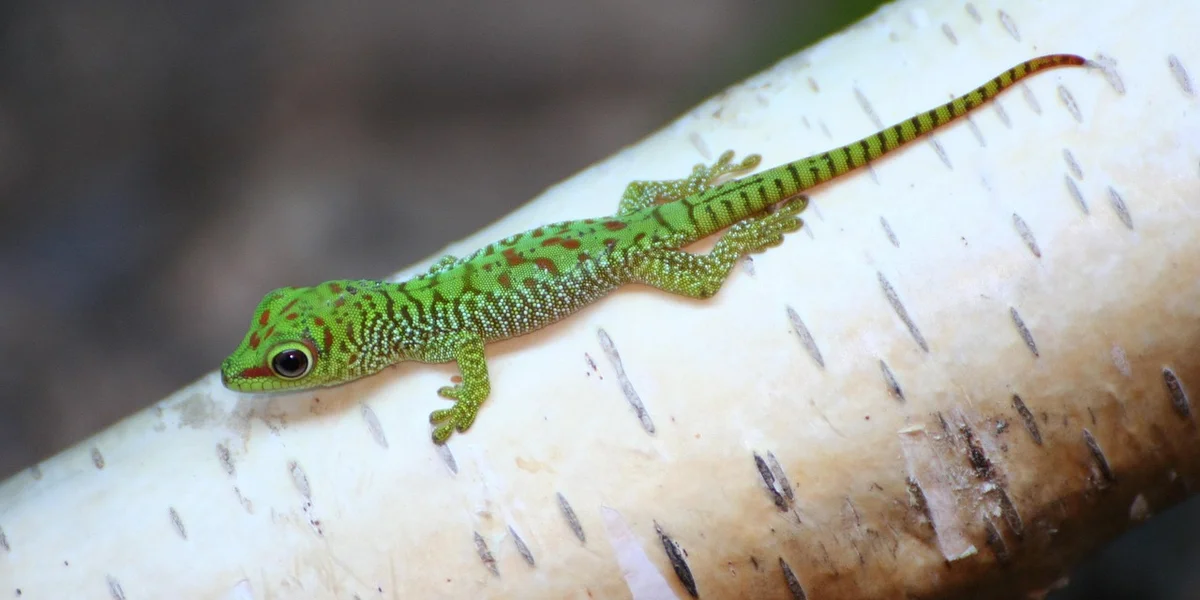
Quarantine isn’t always smooth sailing. I’ve faced my share of head-scratchers with new geckos like Mookie, who refused to eat for days. The key is to anticipate these problems so you can solve them calmly and effectively. When quarantining a new gecko, there are 5 critical errors to avoid. Mastering these helps you prevent problems and keep geckos thriving.
When Your Gecko Won’t Eat
A loss of appetite is the most common issue. Don’t panic. It’s a huge stressor moving to a new home.
- Check Your Setup First: Is the temperature gradient correct? Is it too hot or too cold? Is the hide too exposed?
- Offer Variety: Try different feeder insects. My gecko Babe will only eat dubia roaches after a move, while Griffey needs waxworms to kickstart his appetite.
- Try Hand-Feeding (With Tongs): Sometimes, wiggling a feeder right in front of their hide does the trick. It mimics live movement.
- Give It Time: A healthy gecko can go several days without food. Focus on ensuring they are drinking water.
Dealing with a Hiding Gecko
You’ve set up this beautiful enclosure and you never see your new pet. This is normal behavior! A hiding gecko is a secure gecko during quarantine. If you’re wondering why your gecko hides all the time, here’s a quick troubleshooting checklist to help identify common causes. Checking factors like temperature, humidity, hiding spots, lighting, and handling can help you support your gecko while it settles.
- Resist the urge to dig them out. This adds massive stress.
- Observe from a distance. You might see them exploring at night.
- Ensure they have at least two snug, fully enclosed hides. My A-Rod rearranged his décor for a week before he felt safe.
Managing Your Own Impatience
This is a real hurdle. You’re excited, but you must be patient. Rushing the process is the single biggest risk to your entire collection’s health. I remind myself that this 30-90 day period is a short time in a gecko’s long life. Use this time to research, perfect your main enclosure, and observe quietly.
After Quarantine: Safely Introducing Your Gecko
The final vet check is clear, the quarantine period is over, and everyone is healthy. Now what? The transition to a permanent home needs to be just as careful as the initial isolation. A sudden change can re-trigger stress.
Step 1: Prepare the Permanent Enclosure
Before moving day, get the main habitat ready.
- Do a deep clean and disinfection of the enclosure and all décor.
- Set up the heating, lighting, and humidity exactly as you did in the quarantine tank for consistency.
- Have food and fresh water ready.
Step 2: The Gentle Move
I never grab a gecko and just plop them in. I use a small, familiar hide from the quarantine tank. I gently encourage the gecko into that hide, then move the entire hide into the new enclosure. This lets them choose when to explore their new world on their own terms. Jeter stayed in his travel hide for a full 12 hours before venturing out.
Step 3: The First Week in a New Home
Consider this a “soft launch.” Your gecko is in a new, bigger space with new sights and smells.
- Minimize handling for the first week. Let them settle.
- Keep their diet simple and consistent with what worked in quarantine.
- Monitor their behavior closely-are they eating, drinking, and exploring?
A Note on Multi-Gecko Households
I keep all my geckos in separate enclosures. Co-habiting geckos is a risk, even of the same species, and I strongly advise against it. It causes chronic stress, competition for food, and can lead to severe injury. Your geckos can be “neighbors” in their own safe, enriching tanks without ever physically interacting. If breeding is your goal, use controlled, separate breeding setups and observe closely for compatibility. Cohabitation is not a reliable method to induce breeding and dramatically increases risk.
FAQs
Can the quarantine period be shortened if my gecko shows no health issues?
No, the full 30-90 day quarantine is critical to allow latent illnesses, such as parasites or infections, enough time to become detectable.
What are the key indicators that my gecko is ready to leave quarantine?
Your gecko should consistently eat well, maintain a stable weight, produce normal droppings, and exhibit active, curious behavior without any signs of stress or illness. A thriving hatchling will also show steady growth and bright, alert eyes as signs of its health.
How should I clean and store the quarantine enclosure after use?
Disinfect all items with a vet-recommended solution like chlorhexidine, discard disposable substrates, and store the clean, dry enclosure separately to prevent cross-contamination.
Final Words
Following this day-by-day quarantine plan is your single most powerful tool for preventing disaster. Start by setting up a quarantine tank for your new leopard gecko, with clean substrate, a shallow water dish, and a secure hide. Having that tank ready allows you to start the day-by-day plan the moment you bring your gecko home. Strict isolation, dedicated equipment, and meticulous observation are the non-negotiable pillars of a safe introduction. I’ve used this exact protocol with every new gecko, from my feisty crestie Jeter to my laid-back fat-tail A-Rod, and it has never failed me.
Committing to this process is a clear sign of a dedicated keeper. Your gecko’s long-term health is a direct result of the care standards you set from day one. Keep asking questions, stay curious, and continue to learn; your scaly friend’s vibrant life is the ultimate reward for your responsible efforts. A 20-year commitment mirrors a gecko’s lifespan in captivity, so thoughtful preparation now pays off later. If you’re truly prepared for two decades of care, you’re ready to welcome a gecko into your life.
Further Reading & Sources
- Leopard Gecko Quarantine: What is it and why is it | Wiki | Reptiles Amino
- How long should I quarantine a new gecko before introducing it to my other one? ( mourning geckos)
- Leopard geckos and quarantine – Pets Stack Exchange
The Gecko Guide is your ultimate resource for gecko enthusiasts, providing expert advice and practical tips to ensure the health and happiness of your scaly companions. Alexander is a passionate gecko owner with over a decade of experience in reptile care. We are dedicated to offering accurate, up-to-date information to support your gecko journey.Our mission is to foster a community of responsible gecko owners who are passionate about the well-being of these fascinating creatures.
Preventative Care & Vet Visits