
Emergency Evacuation Plan for Your Gecko: A Step-by-Step Guide
Published on: February 23, 2026 | Last Updated: February 23, 2026
Written By: Alexander 'Gecko Geek' Johnson
What would you do with your gecko if you had just minutes to evacuate your home due to a fire, flood, or storm? This is the terrifying question that jolted me into action after a nearby wildfire forced my entire neighborhood to leave.
Staring at my geckos’ terrariums, I felt a wave of panic. I will help you avoid that fear by breaking down exactly what you need. We will cover:
- Building a ready-to-grab emergency kit.
- Creating a simple, practiced evacuation plan.
- Keeping your gecko safe and calm during the chaos.
You will get clear, actionable advice you can implement today. The article covers: evacuation kit checklist, temporary housing setup, transport carriers, stress reduction, and a step-by-step action plan.
Why Your Gecko Needs an Emergency Evacuation Plan
Picture this: a wildfire smoke alert blares on your phone, or a storm knocks out power for days. In that panicked moment, scrambling to find a container and heat for your gecko is a recipe for disaster. I learned this the hard way during a sudden apartment fire alarm that required immediate evacuation.
My leopard gecko, Griffey, was safe only because I had practiced grabbing his pre-packed go-bag. Without it, I would have been trying to catch a swift, stressed gecko with bare hands while smoke detectors screamed. That single experience cemented why every minute spent planning saves critical seconds in a real crisis.
Common emergencies that specifically threaten reptile pets include:
- Extended power outages (loss of heat & lighting)
- House fires or gas leaks
- Severe weather (hurricanes, tornadoes, floods)
- Earthquakes or other structural emergencies
- Unexpected travel for family or medical crises
Essential Items for Your Gecko Evacuation Kit
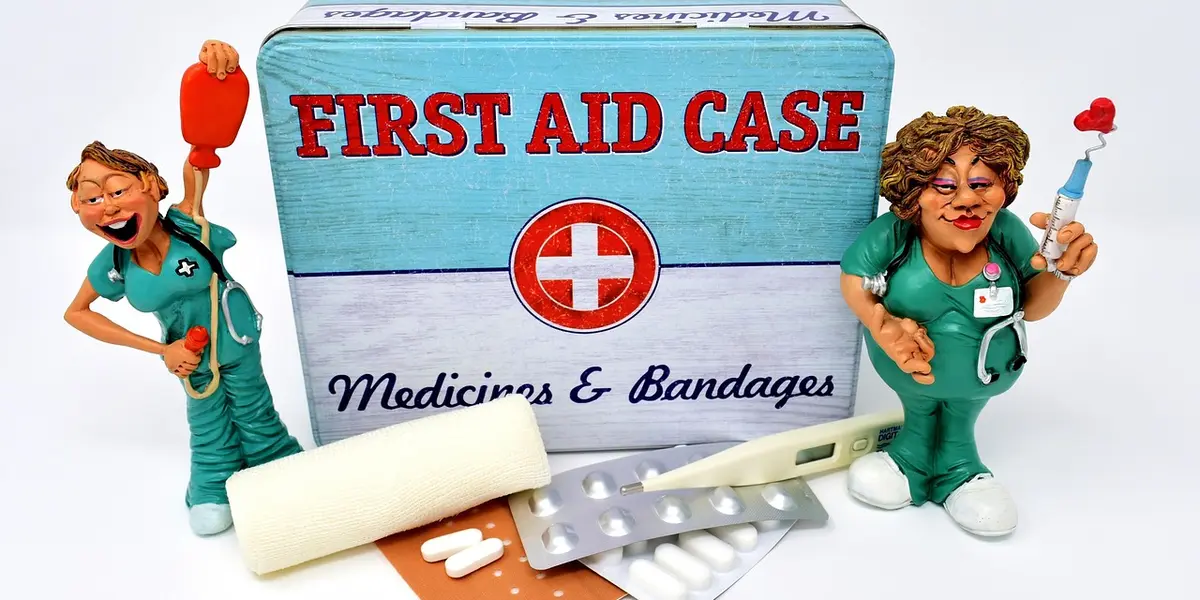
Your gecko’s kit should be a self-contained unit you can grab in under 60 seconds. Store everything together in a dedicated backpack or plastic tote for instant access. This is the essential equipment checklist for your new gecko terrarium. Keep it handy during setup and maintenance. Here is your must-have checklist:
- Secure Transport Container: A small, ventilated plastic critter carrier or bin with a secure lid.
- Portable Heat Source: Hand warmers or UniHeat packs, plus an insulating wrap like a small towel.
- Water & Food: A small bottle of water and a week’s supply of their specific diet (e.g., Pangea for cresties, mealworms for leos).
- First Aid Supplies: Sterile saline wound wash, styptic powder, and cotton swabs.
- Paper Towels: For quick clean-up and lining the transport container.
- Spray Bottle: For misting humidity-dependent species.
Species-specific items are non-negotiable for their survival. For my crested gecko, Jeter, I pack pre-mixed Crested Gecko Diet in a small jar. For my leopard gecko, Griffey, I include a small deli cup of mealworms. Know what your particular gecko cannot live without.
Choosing the Right Transport Container
Your gecko’s temporary home needs to be safe, dark, and escape-proof. A simple plastic bin with air holes drilled in the sides is often better than a large, clear aquarium that causes stress. To avoid these habitat setup mistakes and keep your gecko safe and thriving, plan the enclosure with the right size, substrate, and hides.
- Plastic Critter Keepers: Affordable, readily available, and come with a secure locking lid and built-in ventilation. Perfect for short-term use.
- Specialized Reptile Carriers: More expensive, but often include features like sliding doors and better insulation.
- DIY Bin: A small, opaque Sterilite bin you modify yourself. Ensure the lid clips on securely-geckos are master escape artists.
The container should be just large enough for the gecko to turn around comfortably, plus a small hide. Too much space lets them get thrown around during transport.
Heating and Humidity Solutions on the Go
Reptiles cannot regulate their body temperature, so a portable heat source is the most critical item in your kit. I never rely on finding an electrical outlet during an evacuation. My go-to solutions are:
- UniHeat Packs or Hand Warmers: These air-activated heat packs last for 24+ hours. Always wrap them in a towel before placing them under or beside the transport container to prevent burns.
- Insulated Wraps: A small wool sock or insulated lunch bag can help trap the heat from the pack around the bin.
For humidity-loving species like Crested or Gargoyle Geckos, a quick spray with a water bottle at rest stops is sufficient. You can also place a damp (not wet) paper towel inside the container to boost ambient moisture. For my arid-species Leopard Gecko, I just ensure the paper towel lining is dry to avoid scale rot.
Step-by-Step Guide to Evacuating With Your Gecko
Follow these clear steps to ensure a smooth evacuation process for you and your gecko.
- Grab your pre-packed emergency kit and a secure, ventilated carrier.
- Approach your gecko calmly and use gentle handling techniques to avoid stress.
- Place your gecko in the carrier with a familiar hide or soft substrate for comfort.
- Conduct regular practice drills every few months to build confidence and reduce panic.
Regular drills help your gecko become accustomed to the carrier, making real emergencies less frightening for both of you.
Handling Your Gecko During an Emergency
Different gecko species require unique handling approaches to prevent injury.
- For leopard geckos like my Griffey, gently scoop them from below with both hands to support their body.
- Crested geckos, such as Jeter, prefer a slow approach; let them walk onto your hand to avoid tail drops.
Avoid grabbing your gecko by the tail or making sudden movements, as this can cause stress or injury. If your gecko is sick or injured, handle it as little as possible and with slow, gentle movements. When you need to move it, cradle the body with both hands and support its chest, and seek veterinary care promptly.
From my experience, rushing handling led to A-Rod, my African fat-tailed gecko, becoming defensive-always prioritize patience.
Maintaining Calm and Comfort in Transit
Keep your gecko relaxed by minimizing disturbances during travel.
- Place the carrier in a quiet, stable spot in your vehicle to reduce noise and jostling.
- Include a small item from their enclosure, like a favorite hide or cloth, to provide familiar scents.
Using familiar objects can lower stress levels significantly, as I’ve seen with Mookie, my gargoyle gecko, who calms down with his climbing branch nearby.
Species-Specific Evacuation Tips
Tailor your evacuation plan to your gecko’s species for better safety and comfort.
- Leopard geckos need dry heat sources, while crested geckos require higher humidity levels.
- Consider behavior traits; for example, tokay geckos are more aggressive and may need extra caution.
Understanding these differences ensures your gecko stays healthy and secure during disruptions.
Based on caring for multiple geckos, I adjust setups quickly-like adding a heat pack for leopard geckos or misting for crested ones.
Evacuating Leopard Geckos
Leopard geckos, like Griffey, thrive with simple, dry heat and secure hiding spots.
- Use portable heat packs or hand warmers wrapped in towels to maintain their preferred temperature range.
- Include a small hide in the carrier, as they feel vulnerable without cover.
Their generally calm nature makes them easier to handle, but never skip the hide-it’s their safety blanket.
I’ve found that a basic setup with a hide and warmth keeps leopard geckos content during short moves.
Evacuating Crested Geckos
Crested geckos, such as Jeter, need attention to humidity and climbing opportunities.
- Pack a small spray bottle to mist their carrier periodically, maintaining humidity around 60-80%.
- Add a lightweight branch or fake plant for climbing, which reduces stress from confinement.
Their active behavior means they may try to jump, so secure the carrier lid tightly and handle with steady hands.
From evacuating Jeter, I learned that a damp paper towel and a climbable item prevent frantic movements and keep him settled.
First Aid and Health Considerations for Geckos
In an emergency, your gecko’s health is the top priority. Stress from a sudden move can weaken their immune system, making them susceptible to illness. Being prepared with the right supplies and knowledge can mean the difference between a minor hiccup and a major health crisis for your scaled friend. I learned this the hard way when a power outage during a storm left my crestie, Jeter, too cold to eat properly for days. Learning to distinguish gecko stress from normal behavior helps you notice trouble early. Signs like reduced appetite, hiding, or less movement than usual can indicate stress rather than a healthy routine.
Essential First Aid Supplies
Your gecko’s first aid kit is different from your own. You need items tailored to their unique reptile biology. I keep a small, waterproof container stocked and ready to grab. Think about gecko-specific essentials like reptile-safe antiseptic, saline for eye and wound care, sterile gauze, and a small digital thermometer. Keeping these basics on hand helps you act quickly if your gecko needs care.
- Chlorhexidine or Betadine Solution: For safely diluting and cleaning wounds or scratches.
- Sterile Gauze Pads & Self-Adhering Vet Wrap: To bandage injuries without sticking to their delicate skin.
- Styptic Powder or Cornstarch: Crucial for stopping nail bleeds if one gets accidentally torn.
- Saline Solution: To flush out debris from their eyes.
- Calcium Powder (with and without D3): A sudden diet change can disrupt their nutrition. This ensures you can dust their emergency food.
- Digital Thermometer & Hygrometer: To monitor the conditions in their temporary enclosure.
- Pedialyte: An unflavored version can be diluted to help with rehydration if they get stressed and stop drinking.
Pack a mini version of this kit directly in your evacuation go-bag so you never have to search for supplies in a panic.
Recognizing Signs of Distress
Evacuation is scary for them. Watch their behavior closely. Knowing what’s normal for your gecko is your best tool.
- Lethargy or unusual lack of movement.
- Refusing food for more than a couple of days.
- Labored breathing or wheezing sounds.
- Pale gums or sunken eyes (signs of dehydration).
- Visible wounds, swelling, or difficulty climbing.
Any of these signs, especially after a stressful event, warrant immediate attention.
When and How to Contact a Vet
Don’t wait if you’re concerned. I always say, “A quick call is better than a long recovery.”
- Contact a vet immediately for any injury, labored breathing, or prolonged lethargy.
- Before an emergency strikes, research “exotic” or “avian and exotic” veterinarians in your area and save their number in your phone.
- Look for clinics affiliated with ARAV (Association of Reptilian and Amphibian Veterinarians) for specialized care.
Keep the contact info for an animal poison control hotline handy, as geckos can get into things they shouldn’t in a new environment. To keep your gecko safe from household chemicals, store cleaners securely and wipe up spills promptly. Regularly check the enclosure and surrounding areas for any chemical residues.
Important Documents and Contacts for Your Gecko

Your gecko can’t speak for themselves, so their paperwork must. In a worst-case scenario where you get separated or need to prove ownership, these documents are vital.
- Veterinary Records: Include vaccination history (if any) and a recent wellness check report.
- Proof of Ownership: A dated sales receipt or adoption paperwork.
- Recent Photos: Clear pictures from multiple angles that show any unique markings. My leopard gecko Griffey has a spot pattern I’d recognize anywhere.
- Care Sheet: A brief note detailing their species, age, feeding schedule, and specific quirks.
I keep a physical folder in my evacuation kit and take photos of all documents to store in a secure cloud drive I can access from my phone. This dual-system has saved me from frantic searching more than once.
Your contact list should include:
- Your primary exotic veterinarian’s number and address.
- A trusted friend or family member who can assist or temporarily care for your gecko.
- Local reptile rescues or boarding facilities.
While not common for all gecko species, microchipping is an option for larger geckos and provides permanent identification. Talk to your vet about its feasibility for your pet. It’s a small procedure that offers immense peace of mind if your adventurous friend ever goes missing during a chaotic situation.
Practice Drills and Preparation Tips
Owning geckos has taught me that in a real emergency, panic is your biggest enemy. Practicing your evacuation plan turns a chaotic scramble into a calm, efficient routine that could save your pet’s life. I run a quick drill with my own crew every three months, and it makes all the difference.
Schedule Regular Evacuation Rehearsals
Don’t wait for a real disaster to test your plan. Set a quarterly reminder on your phone. Your goal is to get your gecko secure and your kit in hand in under five minutes. Also, set aside an emergency fund for your gecko to cover unexpected visits. Contribute to it regularly so you’re ready when care is needed.
- Time yourself from the first alert (like a timer beep) to being “ready to go.”
- Practice during different times of day, including at night with a flashlight.
- Involve everyone in your household so they know their role.
Your Monthly Kit Update Checklist
An outdated kit is almost as bad as no kit at all. I do a quick 5-minute check on the first of every month to ensure everything is fresh and functional. It’s a simple habit that brings huge peace of mind.
- Check expiration dates on all food and medications.
- Test heat sources (hand warmers, heat packs) to confirm they activate.
- Refill water and replace any damp paper towels.
- Confirm that all documents are still in the waterproof bag.
- Sanitize the carrier and hides with a reptile-safe disinfectant.
Train Your Gecko to Love Their Carrier
Chasing a stressed gecko around a terrarium is a nightmare scenario. The best trick I’ve learned is to make the carrier a positive, familiar space, not a prison. My gecko, Griffey, now walks right in on his own.
- Leave the carrier in their enclosure for a few days with a cozy hide inside.
- Place their favorite treats, like repashy or small insects, deep inside the carrier.
- Use a specific, gentle cue like a soft tap on the carrier door when it’s feeding time inside.
- Keep training sessions short and positive-never force them.
FAQs
What if I need to evacuate to a public shelter that has pet restrictions?
Research pet-friendly shelters or hotels in advance and include their contact information in your evacuation plan to ensure a safe place for your gecko. If you can no longer keep your gecko, reach out to a reputable reptile rescue or shelter to surrender your gecko responsibly and help rehome them. They can guide you through the process to ensure the gecko ends up in a suitable, caring home.
How should I handle my gecko if it is in the middle of shedding when an emergency occurs?
Minimize handling to avoid stressing the gecko and provide a humid hide in the transport container to support the shedding process naturally. For detailed tips, create the perfect habitat humidity for easy gecko shedding.
Can I substitute items in the emergency kit with common household products if I run out?
Avoid substitutions for critical items like heat sources or first aid supplies to prevent health risks, and always restock your kit promptly after any use.
Final Words
Your gecko’s safety hinges on a pre-packed evacuation kit and a practiced escape plan you can execute in minutes. Keep their travel carrier, a heat source, and a small supply of their essentials ready to grab-and-go, because emergencies rarely give a warning. For safe handling and transport, have a secure carrier with a lid and a portable heat source on hand. Always handle gently, supporting the body and keeping movements smooth to minimize stress during moves.
Being a prepared keeper is one of the most profound acts of love you can show your pet. I encourage you to view this not as a one-time task, but as part of your ongoing journey in responsible gecko guardianship-always learning, always improving for their sake.
Further Reading & Sources
- Emergency Preparedness for your Geckos (and other reptiles) – Gecko Time
- Emergency Preparedness with Pet Reptiles | ReptiFiles
- r/leopardgeckos on Reddit: Evacuation plans for geckos
The Gecko Guide is your ultimate resource for gecko enthusiasts, providing expert advice and practical tips to ensure the health and happiness of your scaly companions. Alexander is a passionate gecko owner with over a decade of experience in reptile care. We are dedicated to offering accurate, up-to-date information to support your gecko journey.Our mission is to foster a community of responsible gecko owners who are passionate about the well-being of these fascinating creatures.
Accessories and Supplies