
Your Crested Gecko’s Teenage Years: A Complete Care Guide
Published on: March 18, 2026 | Last Updated: March 18, 2026
Written By: Alexander 'Gecko Geek' Johnson
Is your adorable juvenile crested gecko starting to look and act differently, leaving you unsure how to adjust its care? That gangly, in-between stage can be confusing for any pet owner.
I’ve guided my own crested gecko, Jeter, through this exact phase, and I’m here to help you do the same. We’ll cover the three biggest shifts you need to make to ensure a smooth and healthy transition into adulthood.
- Upgrading their enclosure from a starter home to an adult mansion.
- Fine-tuning their diet for optimal growth and preventing obesity.
- Understanding their changing behavior and handling needs.
You’ll get clear, step-by-step advice that takes the guesswork out of this important life stage.
The key topics we will cover are: housing upgrades, diet and feeding schedules, health and weight monitoring, behavioral changes, and handling tips.
When Is Your Crested Gecko Officially an Adult?
Age and Weight Milestones for Adulthood
Many owners wonder when their little climber officially graduates to adulthood. While age is a factor, weight is the true measure. A crested gecko is generally considered an adult when it reaches 35 to 45 grams in weight. This milestone typically happens between 12 and 24 months of age. (Learn more about gecko growth rate and size by age).
My Jeter hit 38 grams right around his second birthday. Some geckos, especially females, might be a bit smaller, but the 35-gram mark is a reliable target. Consistently weighing your gecko every few weeks is the best way to track this progress.
Physical and Behavioral Signs of Maturity
Beyond the scale, your gecko’s body and personality will tell you they’re all grown up. These are appearance signs you can rely on when identifying a gecko’s maturity. Physically, look for a broader head and a more robust, muscular body. Males develop very noticeable hemipenal bulges at the base of their tail.
Behaviorally, you’ll see a new level of confidence. Adults are often less skittish and display more deliberate, territorial behaviors. My Jeter started perching in the same high spot every night, claiming it as his throne. You might also notice males making soft “chirping” sounds to claim their space.
Upgrading the Enclosure for Adult Needs
Choosing the Right Adult Enclosure Size
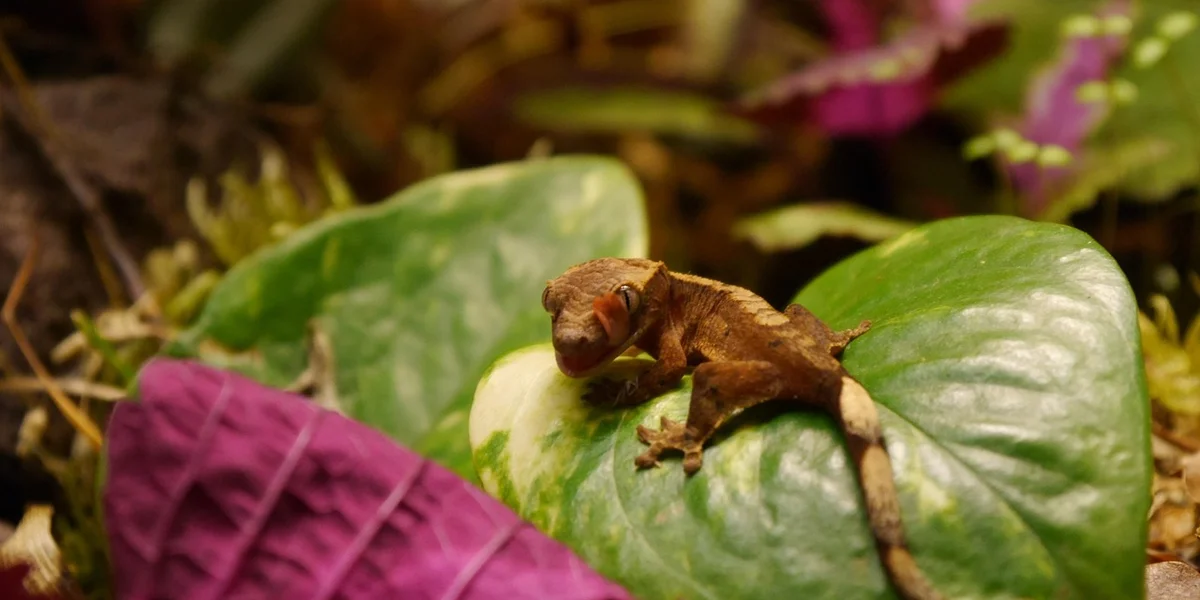
That small starter tank won’t cut it for a full-grown gecko. An adult crested gecko needs space to thrive. The absolute minimum enclosure size for one adult is an 18x18x24 inch tall terrarium.
I always recommend going bigger if you can. A taller enclosure, like a 24x18x24, is even better. Think of it as upgrading from a studio apartment to a loft with climbing walls. The extra vertical space is non-negotiable for their arboreal lifestyle.
Enhancing Habitat with Climbing and Hiding Spots
Filling this new space correctly is what turns a tank into a home. Your adult gecko’s enclosure should be a dense jungle gym.
- Climbing Structures: Use a variety of branches, vines, and bamboo shoots. Place them at different angles and heights to create a complex network for exploring.
- Foliage Coverage: Dense artificial or live plants (like Pothos or Snake Plants) provide security and climbing surfaces. The goal is to make them feel hidden even when they’re out in the open.
- Hiding Spots: Offer multiple hides at different levels. Use cork bark tubes and foliage-covered magnetic ledges. An elevated hide is often preferred over one on the ground.
When I set up Jeter’s adult tank, I focused on creating multiple pathways from the bottom to the top. He now spends his nights navigating this intricate aerial highway, and it’s a joy to watch.
Adjusting Diet and Supplementation
Feeding Schedule and Portion Sizes for Adults
As your crested gecko matures, their metabolism slows down. My gecko, Jeter, used to eat like a teenager, but now as a confident adult, he simply doesn’t need as much. You’ll transition from feeding juveniles every day to offering food to adults just three to four times a week. This prevents obesity, a common issue in captive geckos.
Portion size is about observation. Offer a quantity of a commercial crested gecko diet (CGD) roughly the size of their head. If it’s all gone by morning, you’ve got it right. If there’s consistently leftover food, scale back a little. I always provide fresh CGD in a shallow dish in the evening and remove any uneaten food the next morning to keep the enclosure clean.
Essential Supplements: Calcium and Vitamin D3
Supplementation is non-negotiable for preventing Metabolic Bone Disease (MBD), a heartbreaking and crippling condition. Your primary goal is to provide a constant, accessible source of pure calcium for your gecko. I keep a small bottle cap filled with plain calcium powder (without D3) in Jeter’s enclosure at all times; he licks it as his body requires.
For the main meals, you need a balanced supplement schedule. Here is the simple routine I follow:
- Dust food with a calcium powder that includes Vitamin D3 twice a month.
- Dust food with a high-quality, multivitamin powder twice a month.
- On all other feeding days, you can offer the CGD completely plain.
This rotation ensures they get the D3 necessary for calcium absorption and a full spectrum of vitamins without the risk of over-supplementing.
Fine-Tuning Temperature and Humidity
Ideal Temperature Ranges and Heating Setup
Crested geckos thrive at room temperature, which makes them wonderfully low-maintenance. The sweet spot for an adult crested gecko is between 72°F and 78°F (22°C – 25°C) during the day. This is the ideal temperature range crested geckos need to stay healthy and active. At night, a slight drop into the high 60s Fahrenheit (around 20°C) is perfectly natural and beneficial.
Your biggest enemy is heat. Temperatures consistently above 80°F (27°C) can cause severe heat stress. I never use heat lamps directly over Jeter’s enclosure. If your room gets cold, use a low-wattage ceramic heat emitter or a under-tank heater on one side of the tank, connected to a thermostat. This creates a gentle warmth gradient, not a bake box.
Humidity Control and Misting Routines
Recreating the humid New Caledonian nights is key to their health, especially for perfect sheds. Aim for a humidity cycle: spike it high at night and let it drop during the day. You want the enclosure to hit 70-80% humidity in the evening and then fall to around 50-60% by morning.
This is easily achieved with a consistent misting routine. I use a simple hand spray bottle with lukewarm water.
- Mist the enclosure heavily right after lights go out in the evening. You should see water droplets on the leaves and glass.
- Give a lighter mist in the early morning if the humidity has dropped too low.
- Ensure the enclosure has time to dry out almost completely between misting cycles to prevent mold and respiratory issues.
Good ventilation is the partner to good misting; a screen top is essential for allowing that necessary air flow.
Monitoring Health and Handling Changes
Recognizing Healthy vs. Problematic Signs
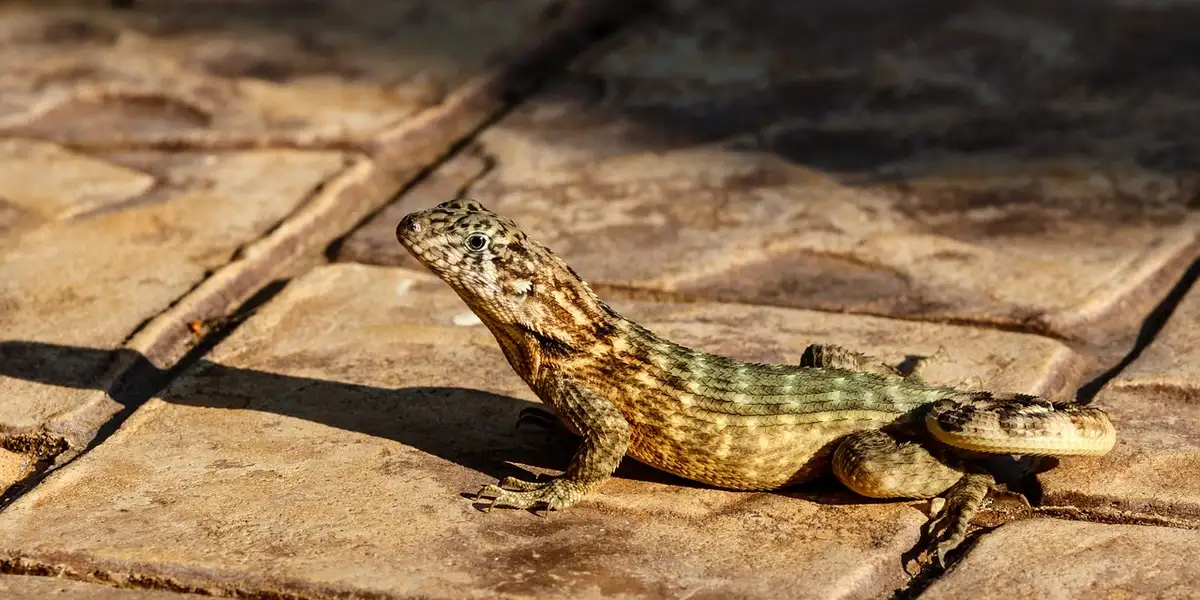
Watching your gecko grow is thrilling, but you must become a sharp-eyed detective. I learned this with my crested gecko, Jeter. A healthy juvenile is a busy, curious explorer. Their eyes should be bright and alert, not sunken. Their body should feel firm, not bony or squishy. A healthy appetite is one of the best signs your gecko is transitioning well.
Problematic signs are often subtle but serious. Watch for these red flags:
- Weight Loss: A prominent spine or hip bones are a cry for help.
- Lethargy: If your once-active gecko now sits in one spot all day, it’s a concern.
- Stuck Shed: Especially on their toes or the tip of their tail, as this can lead to loss.
- Runny or Discolored Droppings: Healthy waste has a solid brown part and a white urate.
Safe Handling and Enrichment Activities
As your gecko gains size and confidence, handling can become more rewarding. The key is to let them set the pace. I never force Jeter out of his hide; I let him walk onto my hand. Short, positive sessions build trust far better than long, stressful ones.
Follow these steps for safe handling:
- Approach slowly from the front so they see you coming.
- Gently scoop them from below, supporting their entire body and legs.
- Keep handling sessions to just 10-15 minutes to prevent stress.
- Always handle them over a soft surface, like a bed or couch, in case they jump.
Enrichment is crucial for a developing mind. Rearrange their tank décor monthly to create a new landscape. Offer food in different locations. I sometimes mist a different side of the tank to encourage Jeter to explore. Simple changes prevent boredom and stimulate their natural behaviors.
Troubleshooting Common Transition Problems
Dealing with Weight Fluctuations and Appetite Changes
It’s normal for growth to happen in spurts, but drastic changes signal a problem. A digital kitchen scale is your best friend here. Weigh your gecko every two weeks. Consistent tracking is the only way to know if a weight change is a temporary dip or a dangerous trend.
If appetite drops, don’t panic. First, check these basics:
- Temperature: Is it between 72-78°F? Too cold and their metabolism slows.
- Food Variety: Try a different flavor of CGD or offer tiny, gut-loaded insects.
- Stress: Has anything in their environment changed? New pets, loud noises, or too much handling can cause hunger strikes.
Solving Shedding and Hydration Challenges
Proper shedding is a sign of excellent health. Inadequate humidity is the usual culprit for bad sheds. Your gecko’s skin should come off in a few large pieces, not tiny flakes. A humid hide packed with damp sphagnum moss is a non-negotiable lifesaver during this life stage.
Here is a step-by-step guide to safely assist a gecko with stuck shed. This quick, careful process helps prevent injury and promotes healthy shedding. If you find stuck shed, act quickly but gently. Do not pull it off. Instead:
- Place your gecko in a shallow container with a warm, wet paper towel for 15-20 minutes.
- Gently roll the stuck skin with a moistened Q-tip. It should slide off.
- Pay special attention to their tiny toes, as stuck shed here can cut off circulation.
Hydration is everything. I watch Jeter lap water droplets off leaves every night. Mist the enclosure heavily in the evening to simulate rain and encourage drinking. A shallow water dish is also a good backup. A well-hydrated gecko is a successful shedder.
FAQs
Can crested geckos be housed together?
Crested geckos are generally solitary and should be housed individually to prevent stress, injury, and competition for resources, unlike some other gecko species that can sometimes be kept in pairs.
How often should I clean my adult crested gecko’s enclosure?
Spot clean the enclosure daily for waste and perform a full substrate change and deep clean every 4-6 weeks to maintain hygiene.
What are the signs of common health issues in adult crested geckos?
Common signs include lethargy, weight loss, stuck shed, runny droppings, and labored breathing, which may indicate issues like metabolic bone disease or respiratory infections.
Your Crested Gecko’s Next Chapter
Successfully transitioning your crested gecko hinges on recognizing their physical milestones – like reaching that 15-20 gram mark – and proactively upgrading their enclosure, diet, and handling routine to match their new adult needs. This isn’t a race; let your gecko’s growth and behavior guide your timing for every change. Understanding the growth rate timeline from hatchling to adult helps you plan when to upgrade housing, diet, and handling at each stage. Monitor weight gain and body condition to time changes with their natural pace.
Owning a gecko is a long-term commitment to understanding a unique life. Stay curious, keep learning from trusted resources like our care guides, and always advocate for the well-being of your scaly friend. The reptile community is a fantastic place to share experiences and grow as a responsible, lifelong learner in gecko care.
Further Reading & Sources
- Crested Gecko Care Guide: Feeding, Habitat & Tips
- r/CrestedGecko on Reddit: Upgraded tank for Crested Gecko – care guide
- Crested Gecko Care – Pangea Reptile LLC
The Gecko Guide is your ultimate resource for gecko enthusiasts, providing expert advice and practical tips to ensure the health and happiness of your scaly companions. Alexander is a passionate gecko owner with over a decade of experience in reptile care. We are dedicated to offering accurate, up-to-date information to support your gecko journey.Our mission is to foster a community of responsible gecko owners who are passionate about the well-being of these fascinating creatures.
Hatchling & Juvenile Care