
Top 11 Crested Gecko Care Mistakes That Can Lead to Disaster
Published on: March 30, 2026 | Last Updated: March 30, 2026
Written By: Alexander 'Gecko Geek' Johnson
Bringing home a crested gecko is exciting, but a few simple mistakes in their care can quickly turn your dream pet into a stressful situation. I’ve seen it happen, and I’ve made a couple of these errors myself with my first gecko, Jeter.
This guide will help you avoid the most common pitfalls. We will cover the key mistakes that have the biggest impact on your gecko’s health and happiness.
- Why the wrong enclosure size is a silent problem.
- How incorrect humidity can lead to a life-or-death situation.
- The long-term dangers of an improper diet.
You will get clear, step-by-step advice to fix these issues and create a thriving home for your gecko.
The 11 disastrous mistakes we will cover are: Improper Enclosure Size, Incorrect Temperature Gradients, Wrong Humidity Levels, Poor Diet and Feeding, Inadequate or Unsafe Hiding Places, Using Loose Substrate Incorrectly, Insufficient or Harmful Lighting, Lack of Foliage and Climbing Space, Inconsistent or Rough Handling, Neglecting Health and Shedding Signs, and Skipping Quarantine for New Geckos. To avoid these habitat setup mistakes and keep your gecko safe and thriving, this quick reminder helps you prevent common pitfalls in enclosure design and care.
Mistakes in Terrarium Setup and Environment
Your crested gecko’s home is its entire world. Getting the enclosure wrong is one of the fastest ways to create a stressful, unhealthy environment for your pet. I learned this the hard way with my first gecko, Jeter, and I want to help you avoid the same pitfalls. To keep your gecko safe, focus on both enclosure design and everyday household hazards. I’ll share practical tips to make the enclosure safe and hazard-free.
Enclosure Size, Substrate, and Ventilation Errors
Many new owners start with a tank that’s far too small. A single adult crested gecko needs a tall enclosure, at least 18x18x24 inches. They are arboreal, meaning they live in trees. A short, wide tank is like forcing a mountaineer to live in a basement. Gecko housing requirements go beyond size; a tall, well-ventilated setup with ample branches and hides supports their arboreal lifestyle. Always tailor gecko tank size and setup to the gecko species you keep, since different species have different needs.
- Enclosure Size: Upgrade to a tall terrarium as your gecko grows. Babies can start in smaller setups, but adults need vertical space to climb and feel secure.
- Substrate Toxicity: Avoid cedar and pine shavings at all costs. The aromatic oils in these woods are toxic and can cause severe respiratory distress.
- Poor Ventilation: Stagnant, humid air breeds mold and bacteria. A glass tank with a solid top is a recipe for disaster. You need a mesh lid or side vents for cross-ventilation.
Steps to Choose Safe Substrates and Avoid Hazards
Picking the right floor covering is critical for safety and humidity control.
- For Beginners: Use paper towel. It’s cheap, easy to replace, and lets you monitor your gecko’s droppings for health checks.
- For Bioactive Setups: A mix of organic topsoil, coconut fiber (eco earth), and sphagnum moss holds humidity well and is safe if ingested in small amounts.
- Avoid Loose Particles: Stay away from calcium sand, crushed walnut shells, or any small, loose substrate. These can cause life-threatening impaction if eaten.
Also, check all décor for sharp edges. Sand down any rough plastic or wood. A small cut on their delicate skin can lead to a serious infection.
Personal Anecdotes: Condensation and Pests
I once used a glass terrarium with a screen top that was too small. The humidity would spike, and the glass walls would be dripping wet every morning. This constant condensation led to a mold outbreak in a cork hide. It was a nightmare to clean and a real health risk for Jeter.
Another time, I brought in a beautiful piece of driftwood from outdoors without properly baking it first. Within a week, I saw tiny mites crawling on the glass. I had to completely dismantle the entire enclosure, bake all the wood, and start over. Always quarantine and sanitize new items from outside!
Blunders with Temperature and Lighting
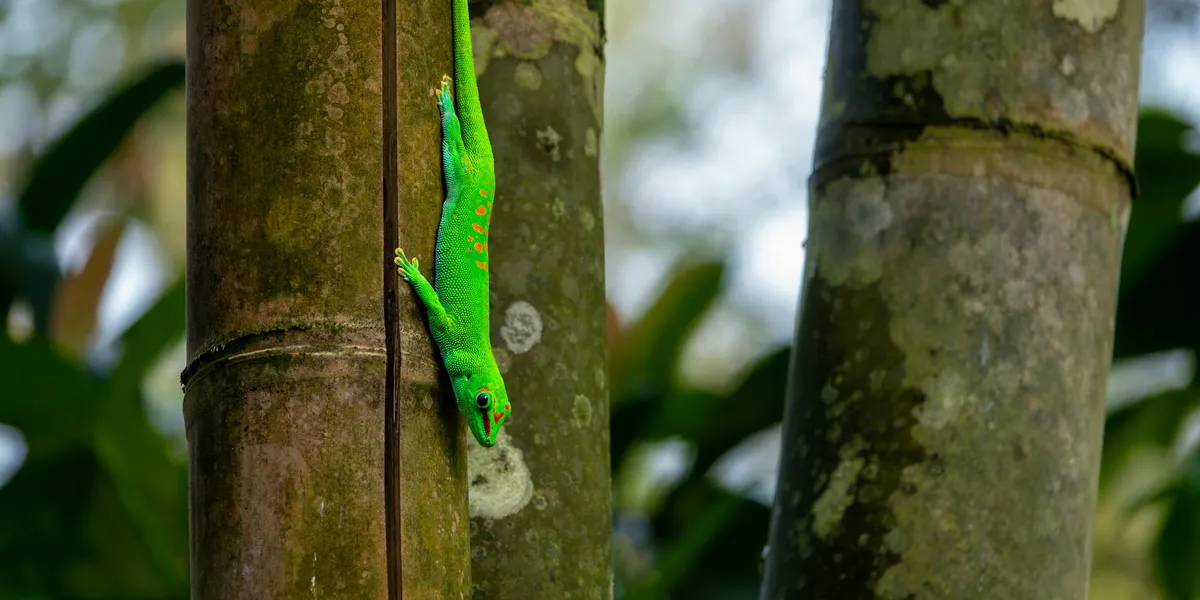
Reptiles rely on their environment to regulate their body temperature. Getting this wrong can shut down their digestion, weaken their immune system, and cause long-term health issues.
Improper Heating and Lack of UVB
The biggest mistake I see is using hot rocks or heat mats placed inside the tank. Crested geckos do not recognize belly heat and can suffer severe thermal burns. Under-tank heaters should only be used on the side of the tank, never underneath, and always with a thermostat. To avoid these common gecko heating mistakes, always use a thermostat with any heat source and monitor temperatures with a reliable thermometer. Also ensure the heat source creates a proper thermal gradient rather than concentrating heat in one spot.
While UVB lighting is debated, I am a firm believer in providing it. Low-level UVB helps them metabolize calcium properly, leading to stronger bones and better overall health. Without it, they are entirely dependent on their diet for vitamin D3, which is a risky gamble.
Creating the Correct Temperature Gradient
Your gecko needs choices. The entire tank should not be one uniform temperature.
- Daytime Gradient: The warm side of the tank should be between 72-75°F (22-24°C). The cool side can drop to the high 60s°F (around 20°C).
- Nighttime Drop: It is perfectly safe and natural for the temperature to drop to 65-70°F (18-21°C) at night.
- Avoid High Heat: Temperatures consistently above 80°F (27°C) are dangerous and can cause heat stress. If your room is warm, you may not need a heater at all.
Thermostat Solutions from Experience
A thermostat is non-negotiable for any heating element. I learned this after a cheap heat mat spiked to over 95°F and nearly cooked a favorite plant. It was a terrifying wake-up call.
Plug your heat source into a reliable on/off or pulse thermostat and place the probe inside the tank, near the heat source. This simple device will cut power if the temperature gets too high, preventing a tragedy. It is the single best investment you can make for your gecko’s safety.
Humidity and Hydration Errors
-
Getting the humidity wrong is a fast track to a sick gecko. Over-misting creates a swampy, stuffy environment where mold and nasty respiratory infections thrive. Under-misting leaves the air too dry, causing a world of hurt during shedding.
I learned this the hard way when Jeter, my crestie, had a terrible shed because I was inconsistent with my misting. His little toes got stuck with old skin, and it was a stressful few days helping him through it.
-
Your misting schedule should mimic a gentle rainforest rain shower, not a monsoon. A light mist in the evening and again in the early morning usually hits the sweet spot. You want the enclosure to feel moist and then dry out a bit in between.
Always provide a shallow water dish, but place it on the cool end of the tank away from the heat lamp. This keeps the water fresher for longer and gives your gecko a reliable hydration station.
-
To prevent dehydration and shedding problems, watch your gecko’s behavior. A crested gecko licking water droplets from leaves is a happy, hydrated gecko. If you see stuck shed, especially on the toes or tail tip, your humidity is off.
A quick, supervised “sauna” in a critter carrier with a warm, damp paper towel can help loosen stubborn shed in a pinch. Just ensure the enclosure itself has plenty of rough surfaces, like cork bark, for them to rub against.
Feeding and Nutrition Faux Pas
-
It’s easy to love your gecko a little too much with food. Overfeeding leads to a chubby, sluggish pet prone to fatty liver disease. Underfeeding stunts their growth and weakens their immune system.
Leaving uneaten, wet powdered diet in the tank for more than 24-48 hours is a recipe for a mold outbreak. I’ve opened enclosures to find a fuzzy, science-experiment-level food cup, and it’s a sure sign you need to be more diligent with cleaning.
-
A balanced diet is non-negotiable. A high-quality, powdered Crested Gecko Diet (CGD) mixed with water should be the staple. It’s a complete meal and generally preferable over live insects, especially for beginners. Both have their pros and cons, which you can read about in our nutritional comparison of live insects and freshly prepared diet.
For a treat and extra protein, offer appropriately sized gut-loaded insects like crickets or dubia roaches once or twice a week. A good feeding schedule is offering fresh CGD every other day and removing any leftovers the next morning.
-
My gecko Babe once went off his food for a few days. I panicked, thinking the worst. It turned out I had simply switched CGD brands too quickly, and he was being picky.
This experience taught me that sudden changes in diet or appetite are your first clue that something might be wrong. Consistent, clean feeding prevents most nutritional diseases before they can even start. Your vigilance at the food dish is their first line of defense.
Handling and Stress Management Mistakes
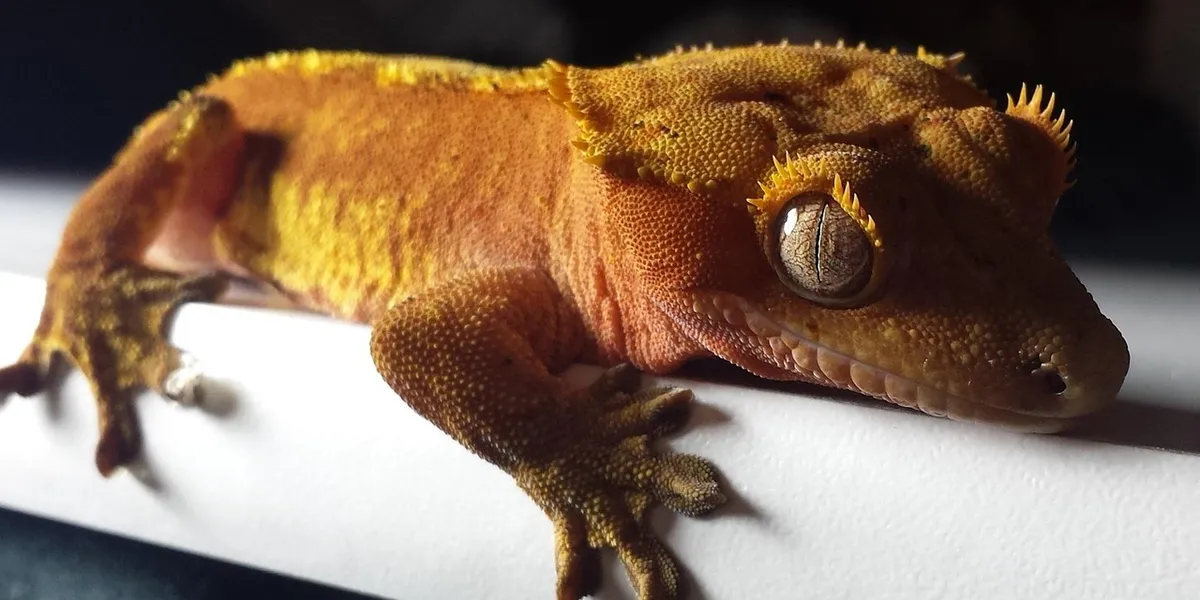
I learned about handling stress the hard way with my first crested gecko. I was so excited to hold him that I didn’t realize my enthusiasm was terrifying him. Stress is a silent killer for these arboreal creatures, and improper handling is a primary cause. A stressed gecko will stop eating, and their immune system plummets. Calm handling helps. Effective techniques and environmental fixes—steady temperatures, proper humidity, and plenty of hiding spots—make a big difference.
Creating a Safe and Enriched Home
Your gecko’s terrarium must be a fortress of solitude. A lack of hiding spots and climbing enrichment is a huge welfare misstep.
- Vertical Hiding Spots: Cresties feel secure high up. Provide cork bark tubes, coconut hides, and dense foliage near the top of the enclosure.
- Clutter is Your Friend: Don’t leave vast, open spaces. Fill the vertical space with branches, vines, and plants (live or silicone). This mimics their natural jungle habitat and makes them feel hidden even when moving.
- Leave the Paper Towel Tube: It’s a cheap, fantastic temporary hide that my geckos absolutely love scrambling through.
Gentle Handling Steps for a Confident Gecko
Rushing this process is a disaster. Follow these steps to build trust, not terror.
- Let Them Settle In: Do not handle a new gecko for at least two weeks. Just let them be while they adjust to the sights, sounds, and smells of your home.
- The Hand Introduction: Place your clean, flat hand slowly in the terrarium near them, not on them. Do this for a few minutes daily so they learn your scent isn’t a threat.
- The “Walk-On” Method: Never grab your gecko from above like a predator. Gently coax them to walk onto your open hand or finger. Let it be their choice.
- Keep Sessions Short: Start with 5-minute sessions, a few times a week. Always handle them over a soft surface like a bed or couch in case they jump.
- Read Their Body Language: If they are breathing heavily, vocalizing (a little chirp or bark), or trying to flee, the session is over. Put them back gently.
Recognizing the Signs of a Stressed or Ill Gecko
Knowing what to look for can save your gecko’s life. Catching problems early is everything.
- Weight Loss: A skinny tail is a major red flag. The tail should be plump.
- Lethargy: A gecko that is always hiding and never moves, especially at night, is likely stressed or sick.
- Refusing Food: Missing a meal or two is okay, but a sustained loss of appetite demands attention.
- Stuck Shed: Incomplete sheds, especially on the toes and tail tip, are often a direct result of low humidity from a gecko too stressed to use its moist hide.
Your gecko’s well-being depends entirely on you reading these subtle cues and responding with compassion. If you see these signs, reassess your habitat and handling, and don’t hesitate to contact a reptile vet. Some signs could indicate your gecko needs vet care immediately. If you notice any of these red flags, seek care promptly.
Cleaning and Maintenance Oversights
A dirty tank isn’t just ugly; it’s a breeding ground for bacteria and parasites that can swiftly overwhelm your gecko’s health. I treat my geckos’ enclosures like I would my own kitchen—you wouldn’t let old food and waste sit around, and neither should they. To keep them healthy, clean your gecko tank properly on a regular schedule. Spot-clean daily and do a full tank clean weekly.
The Risks of a Poor Cleaning Routine
Skipping cleanings might save you ten minutes now, but it can cost you dearly later.
- Bacterial and Fungal Growth: Feces and uneaten food rot, creating a perfect environment for harmful pathogens that can cause skin and respiratory infections.
- Parasite Infestations: Mites and other pests are attracted to unclean environments. An infestation is stressful to treat and dangerous for your pet.
- Ammonia Buildup: When waste breaks down, it releases ammonia gas. In a poorly ventilated tank, this can lead to serious respiratory distress.
Consistent cleaning is the single most effective way to prevent a host of common and devastating gecko illnesses. Equally important is a proper habitat setup—clean substrate, appropriate humidity, and stable temperatures. This setup helps prevent illnesses by minimizing exposure to pathogens and reducing stress.
A Simple, Effective Terrarium Upkeep Schedule
Break it down into daily, weekly, and monthly tasks so it never feels overwhelming.
- Daily (Takes 2 Minutes)
- Spot clean feces and urates (the white part) with a paper towel.
- Remove any uneaten live food from the enclosure.
- Check the water dish, rinse, and refill with fresh water.
- Weekly (Takes 10-15 Minutes)
- Remove and wash the water and food dishes with a reptile-safe disinfectant or mild soap and hot water.
- Wipe down the glass interior with a damp cloth to remove any smudges or debris.
- Inspect all décor for mold or waste and clean as needed.
- Monthly (Takes 30-45 Minutes)
- Perform a full substrate change if you use a loose material like coconut fiber.
- Take out all décor and plants and give them a thorough scrub and disinfect.
- Do a complete terrarium wipe-down with a reptile-safe cleaner, rinsing thoroughly afterward.
Cleaning as Pest Prevention
A rigorous cleaning routine is your best defense against uninvited guests. Pests like grain mites and fruit flies are opportunists, drawn to the smallest crumbs and waste particles. By removing their food source through daily spot cleaning and weekly deep cleans, you make your terrarium an unattractive target. I’ve never had a pest problem in my gecko tanks, and I credit that entirely to this strict cleaning schedule.
FAQs
What is the ideal humidity range for a crested gecko?
Maintain humidity between 50% and 80% with regular misting to support proper hydration and shedding.
Can crested geckos be housed together?
Crested geckos are solitary animals and should be kept alone to avoid stress, fighting, and potential harm.
What is the average lifespan of a crested gecko in captivity?
With optimal care, crested geckos typically live for 15 to 20 years.
Final Thoughts
Keeping your crested gecko healthy boils down to a few key things: maintaining proper humidity, providing a varied and supplemented diet, and setting up a secure, enriching terrarium. Avoid the common pitfalls of incorrect temperatures, poor handling, and using dangerous substrates to prevent most health emergencies before they start. Understanding common health issues can further help you provide the best care for your gecko.
Caring for a living creature is a continuous journey of learning and observation, not a one-time setup. Your commitment to understanding their specific needs is what separates a good home from a great one, ensuring your gecko lives a long, vibrant, and happy life.
Further Reading & Sources
- Crested Gecko Care Sheet | PetMD
- Crested Gecko: Care, Diet, and Housing Guide
- Crested Gecko Care – Pangea Reptile LLC
The Gecko Guide is your ultimate resource for gecko enthusiasts, providing expert advice and practical tips to ensure the health and happiness of your scaly companions. Alexander is a passionate gecko owner with over a decade of experience in reptile care. We are dedicated to offering accurate, up-to-date information to support your gecko journey.Our mission is to foster a community of responsible gecko owners who are passionate about the well-being of these fascinating creatures.
Gecko Care Guides