
Common Gecko Enclosure Decor Mistakes to Avoid
Published on: April 2, 2026 | Last Updated: April 2, 2026
Written By: Alexander 'Gecko Geek' Johnson
Setting up your gecko’s new home is exciting, but a few common decor mistakes can turn their habitat from a safe haven into a hazardous zone. I’ve seen it happen, and I’ve made a couple of these errors myself with my first gecko, Griffey. It’s a learning process, but you can get it right from the start.
I’m going to help you sidestep the biggest pitfalls by focusing on three key areas that impact your pet’s health and happiness the most.
- Choosing decorations that are sharp, unstable, or have small openings that can trap or injure your gecko.
- Using the wrong substrates or materials that can cause impaction or skin irritation.
- Creating an environment with incorrect humidity levels or insufficient hiding spots, leading to stress.
You’ll get clear, actionable advice to create a stunning and, more importantly, safe home for your scaled friend. We will cover: improper substrate choices, hazardous decor materials, incorrect hide placement, poor climbing structures, and unsafe artificial plants.
Are You Using the Wrong Substrate?
Choosing the wrong floor for your gecko’s home is one of the quickest ways to risk their health. I learned this the hard way with my first leopard gecko, Griffey. That’s why I now focus on making the enclosure safe and avoiding common household hazards.
Loose substrates, especially calcium sand, are a major hazard. They stick to food and are accidentally eaten, leading to a deadly condition called impaction. Impaction is a gastrointestinal blockage that can be fatal without expensive veterinary surgery. It’s a silent, slow-moving danger.
My own scare came when Griffey became lethargic and stopped eating. A vet visit confirmed he had ingested some of the “reptile-safe” sand I was using. We were lucky, but it was a terrifying lesson.
Safe and Simple Substrate Alternatives
You don’t need fancy flooring to keep your gecko healthy and happy. These options are effective, affordable, and safe.
- Slate or Ceramic Tile: My absolute top choice. It’s durable, easy to clean, and helps file down your gecko’s nails naturally. It also holds heat from an under-tank heater beautifully.
- Paper Towel: Perfect for quarantine enclosures, sick geckos, or simply for its unbeatable ease of use. You can spot-clean messes in seconds.
- Non-Adhesive Shelf Liner: Provides a solid, easy-to-wipe surface and comes in various patterns. Just ensure it’s the non-adhesive kind to avoid toxic fumes.
- Properly Packed Topsoil/Sand Mix: For advanced keepers of certain species, a *biologically active* enclosure with a specific soil mix can work. This is not a beginner-friendly option and requires significant research to get right.
Do Your Hides Provide Enough Security?
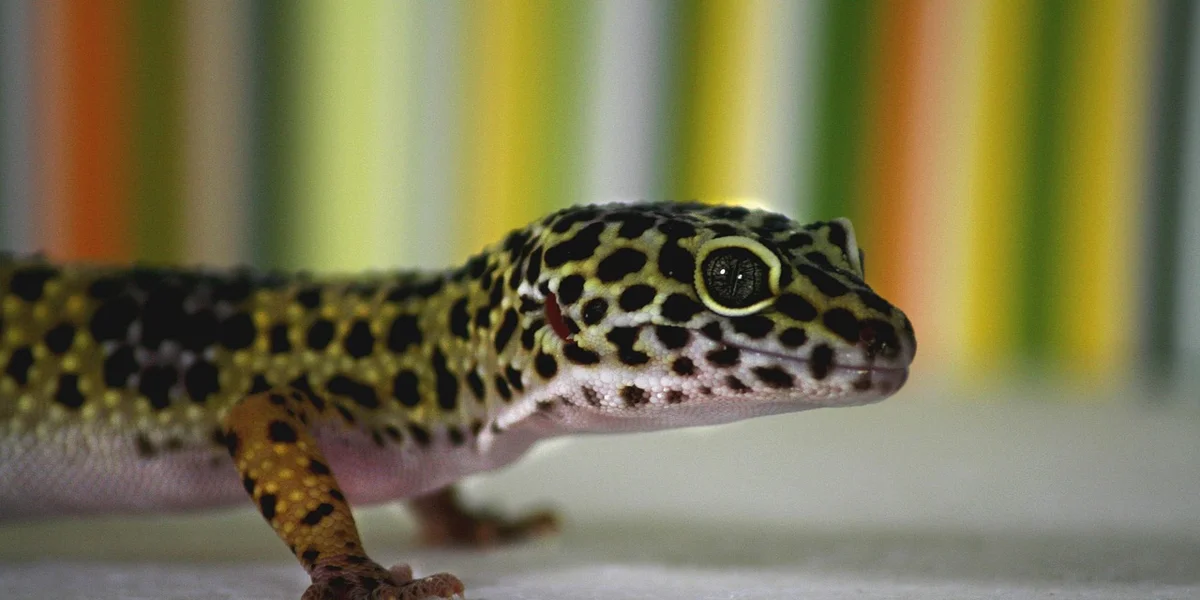
A hide isn’t just a decoration; it’s your gecko’s sanctuary. A gecko without a proper, secure hide is a stressed gecko, and stress leads to illness and a shortened lifespan. If your gecko is hiding all the time, use a quick troubleshooting checklist to uncover why. This checklist can help you spot issues in enclosure setup, temperature, humidity, and hide placement.
I watch my gecko Jeter, a crested gecko, and he is a master of using his space. He has multiple hides at different heights and temperatures. Providing multiple hides allows your gecko to thermoregulate-moving between warm and cool areas to control its body temperature. This is non-negotiable for their digestion and overall health. Proper lighting and temperature are crucial for their well-being.
Common Hide Mistakes to Fix Now
- Only One Hide: This forces your gecko to choose between feeling safe and being at the right temperature. They should never have to make that choice.
- Hides That Are Too Big: A hide should be a snug, enclosed space. If it’s too spacious, your gecko won’t feel the comforting pressure on its sides and back that makes it feel hidden from predators.
- Poor Placement: Putting all hides on the hot side or the cold side defeats the purpose. You need strategic placement for a proper temperature gradient.
Steps to Perfect Hide Setup
- Get Three Hides Minimum: Start with a warm hide (over the heat mat), a cool hide on the opposite end, and a humid hide in the middle for shedding.
- Check the Fit: The hide should be just large enough for your gecko to fit inside completely and turn around comfortably. No cavernous spaces.
- Choose the Right Entrance: A single, small entrance is best. It makes the gecko feel more secure than a large, open-fronted cave.
- Arrange for the Gradient: Place your warm and cool hides at opposite ends of the enclosure. The humid hide can go in the middle where the ambient temperature is more stable.
Is Your Decor Made from Safe Materials?
You might pick decor that looks cool, but is it secretly harming your gecko? I learned this the hard way with my leopard gecko, Griffey. He’s always exploring, and once I bought a colorful hide from a pet store. Within days, I noticed flaky paint peeling off, and Griffey got a tiny scratch on his side from a rough edge. That was my wake-up call to always vet materials first.
Watch out for these unsafe items in your gecko’s home:
- Toxic paints or dyes that can leach chemicals
- Flaking coatings that geckos might ingest
- Rough, splintery wood that causes cuts
- Metals that rust or have sharp burrs
Stick to non-toxic, smooth options like untreated hardwood, food-grade silicone, or reptile-safe plastics. I now run my hand over every piece of decor to feel for snags-if it catches on my skin, it’s not going near my geckos. Your gecko’s skin is delicate, and a small injury can lead to infection. Always choose items labeled for reptile use, or test them yourself by rubbing with a damp cloth to see if color transfers.
How Stable and Secure Is Your Decor?
Wobbly decor isn’t just annoying-it’s a hazard. My African fat-tailed gecko, A-Rod, is territorial and loves rearranging his space. One night, he pushed a heavy rock hide, and it toppled over, barely missing him. That heart-stopping moment taught me that even “heavy” items can shift and cause harm. Geckos climb and burrow, so everything must be anchored.
Follow these tips to keep decor secure:
- Use aquarium-safe silicone to glue down rocks or hides
- Avoid stacking items; opt for low, wide bases
- Check stability by gently tapping decor-if it wobbles, fix it
- Place heavier items on the enclosure floor, not on ledges
Overcrowding is another sneaky issue. Too many hides or plants can stress your gecko by limiting movement. I aim for a balance where my crested gecko, Jeter, can easily patrol his territory without squeezing through obstacles. Leave open spaces for exploring and feeding. If you notice your gecko avoiding areas, it might be too cluttered. Simple, stable setups prevent accidents and keep your pet content.
Are You Managing Heat and Humidity with Decor?
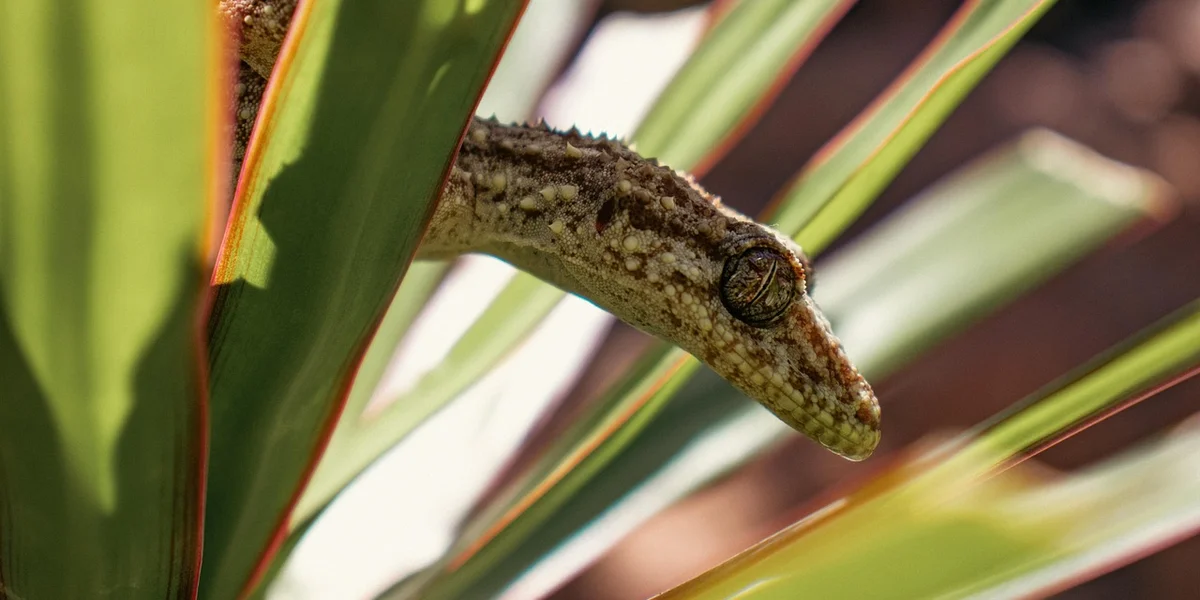
Your decor choices are not just for looks-they are active players in your gecko’s climate control. I learned this the hard way when my leopard gecko, Griffey, refused to bask properly. His rock hide was too thick and blocked the under-tank heater, disrupting his heat gradient.
Geckos need a warm side and a cool side to thermoregulate. Creating a perfect temperature gradient starts with balancing heat sources and hides. Placing a thick, solid hide on the warm end can block crucial belly heat, forcing your pet to choose between safety and warmth. Use slate tiles or thinner-walled hides on the warm end to allow heat penetration.
Avoiding Lighting and UVB Mistakes
Many owners skip UVB lighting, believing their geckos don’t need it. While some species are crepuscular, studies show they can still benefit from low-level UVB. My crested gecko, Jeter, became more active and his colors brightened after I introduced a shadedweller UVB bulb. UVB needs vary by species, so a quick species breakdown helps owners tailor exposure for pet geckos. Knowing which UVB setup suits each species—such as crested vs leopard geckos—can prevent under- or overexposure.
- No UVB at all: Deprives diurnal and crepuscular species of benefits like improved calcium metabolism.
- Wrong UVB strength: A desert-strength bulb for a forest species can cause eye damage and stress.
- No shaded areas: Every basking spot must have an adjacent shaded hide for immediate escape.
Ensuring Proper Ventilation
Stagnant, humid air is a breeding ground for respiratory infections. My gargoyle gecko Mookie’s enclosure once got moldy because his cork rounds were pressed against a solid glass top.
You must create cross-ventilation by ensuring decor does not block air vents. Here are your best options:
- Screen or mesh tops for vertical airflow.
- Elevating heavy decor off the substrate to allow air movement underneath.
- Using hollow logs or drilled wood that allow air to pass through.
Is the Decor Size and Placement Gecko-Friendly?
Size matters immensely. I once bought a beautiful, large cave for my African fat-tailed gecko, A-Rod. He never used it. It was simply too vast and open, making him feel exposed instead of secure.
A hide should be snug, allowing your gecko to touch three sides and the “ceiling” with its body. This contact provides the security their instincts crave. Different types of hides—enclosed caves, half-hides, or open-front designs—offer varying levels of security and airflow, and geckos may prefer different styles. Observe which type your gecko uses most to ensure it feels secure when using it.
Navigating Incompatible Sizes
Different gecko species need different scales of decor. What works for a giant day gecko would overwhelm a young leopard gecko.
- For terrestrial species (Leopard, Fat-Tailed): Use low, wide hides and flat basking rocks.
- For arboreal species (Crested, Gargoyle, Day Gecko): Prioritize vertical space with tall plants, vines, and cork tubes.
- Avoid giant water bowls: They can drown in deep water and it spikes humidity too high for arid species.
Solving the Problem of Glass Reflections
Glass reflections are a hidden stressor many owners miss. My gecko Babe used to glass surf constantly until I applied a background to three sides of his tank. He thought his reflection was another gecko invading his territory.
Persistent stress from reflections can lead to a weakened immune system and refusal to eat. Solve this by:
- Applying a static-cling or adhesive background to the outside back and sides of the enclosure.
- Ensuring the interior is not overly bright compared to the room outside.
- Placing decor, like plants or cork bark, against the glass to break up the reflective surface.
Strategic Placement for Wellbeing
Placement is about creating a functional habitat. I arrange Jeter’s vines to create a highway from the top to the bottom of his tank, which he uses every night.
Create multiple pathways and connection points between key areas like the basking spot, humid hide, and food ledge. This encourages natural exploration and exercise, preventing a sedentary lifestyle.
FAQs
How often should I clean the decor in my gecko’s enclosure?
Clean all decor items at least once a month with a reptile-safe disinfectant to prevent harmful bacterial growth. This is part of cleaning your gecko tank properly to maintain a safe habitat.
Can I use live plants in my gecko’s habitat, and which ones are safe?
Yes, you can use non-toxic live plants like pothos or snake plants, but ensure they are free from pesticides and securely anchored to avoid tipping.
What should I do if my gecko avoids certain decor items?
Remove or reposition any decor that causes stress, and observe your gecko’s behavior to ensure the setup promotes exploration and comfort. Use calm-gecko techniques and environmental fixes—steady temperatures, secure hiding spots, and a quiet enclosure—to help reduce stress. Monitor responses to ensure these changes promote calm exploration.
Final Words
Ultimately, the safest gecko home avoids sharp-edged decorations, uses only reptile-safe plants, and provides a variety of proper, secure hides. Focus on creating an enriching environment that mimics their natural habitat while prioritizing their physical safety above all else. To avoid common habitat setup mistakes that can compromise safety, review the top 10 tips for a safe, thriving gecko.
The best gecko keepers are lifelong students who observe their pets and adapt their care based on what they see. Your commitment to learning and providing a thoughtful habitat is what transforms simple pet ownership into a truly rewarding partnership. Gecko habitat husbandry means creating a safe, well-regulated enclosure. Use what you observe to adjust temperature, humidity, substrate, and enrichment.
Further Reading & Sources
- Environmental Enrichment: Decorating Your Leopard Gecko’s Enclosure
- Leopard Gecko enclosure decorating ideas. | Our Reptile Forum
- r/CrestedGecko on Reddit: Need Decor Recommendations!
The Gecko Guide is your ultimate resource for gecko enthusiasts, providing expert advice and practical tips to ensure the health and happiness of your scaly companions. Alexander is a passionate gecko owner with over a decade of experience in reptile care. We are dedicated to offering accurate, up-to-date information to support your gecko journey.Our mission is to foster a community of responsible gecko owners who are passionate about the well-being of these fascinating creatures.
Enrichment Items