
Your Complete Gecko Veterinary Care Plan
Published on: December 10, 2025 | Last Updated: December 10, 2025
Written By: Alexander 'Gecko Geek' Johnson
Worrying about your gecko’s health is a sign of a great owner, and a complete veterinary care plan is your best defense against unexpected vet visits and heartbreak. I’ve learned this through years of sharing my home with my own crew of scaly personalities, from my energetic leopard gecko Griffey to my calm crested gecko Jeter.
I will help you build that plan by breaking down the key components you need to focus on. A proper plan isn’t just about emergencies; it’s about creating a healthy, thriving life for your pet.
- Schedule proactive wellness visits, not just emergency appointments.
- Understand the common health issues to watch for in your specific gecko species.
- Create a long-term, budget-friendly strategy for your pet’s entire life.
You will get clear, actionable advice you can start using today. This article covers the essential parts of a gecko health plan, including: choosing the right reptile vet, wellness exam checklist, common health problems, preventative care at home, nutritional support, and planning for emergencies.
Do Geckos Really Need to Visit the Vet?
Many owners believe their gecko is fine because it’s eating and looks normal. I held this belief myself until my high-yellow leopard gecko, Griffey, became lethargic. Their survival instinct is to hide signs of weakness, so by the time you notice a problem, it can be advanced. A wellness exam acts like a preventative mechanic checking your car’s engine, finding small issues before they leave you stranded.
Think of vet visits not as a reaction to sickness, but as an investment in long, vibrant years together. My crested gecko, Jeter, had a routine exam that caught a very early mouth rot infection. Catching it then meant a simple, inexpensive treatment. Proactive care is far less stressful and costly than an emergency visit at 2 AM. Your gecko’s silent nature is the very reason it needs a professional’s trained eyes and hands.
The Core Components of a Gecko Wellness Exam
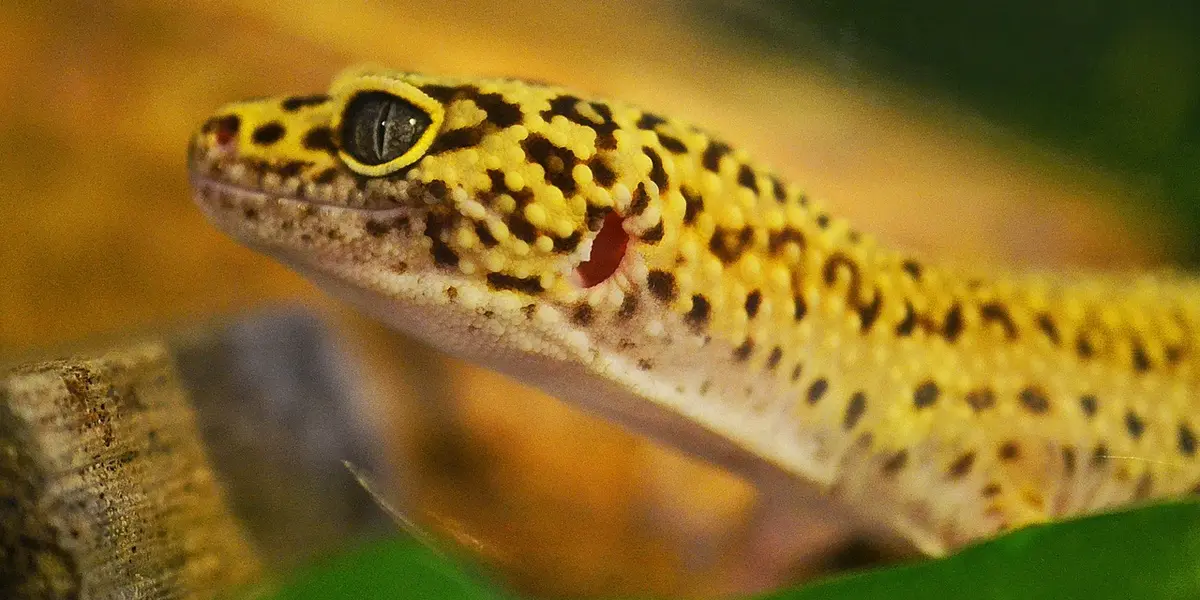
A thorough wellness exam is a full-system check that gives you a complete picture of your pet’s health. It’s not a quick glance; it’s a detailed investigation. This comprehensive check-up establishes a crucial health baseline, making it easier to spot subtle changes during future visits. Knowing what to expect can make you a more informed partner in your gecko’s care.
Physical Examination Steps
Your vet will systematically assess your gecko from head to tail. Here is the typical process they follow:
- Eyes and Nose: They check for retained eye caps from shedding and clear nostrils. Crusty material can signal a respiratory infection.
- Skin and Scales: The vet looks for any cuts, parasites like mites, or signs of stuck shed, especially on the toes and tail tip.
- Mouth and Jaw: Gently opening the mouth reveals the color of the gums and checks for mouth rot, which looks like cottage cheese.
- Body and Limbs: They palpate the belly to feel organs and check limbs for swelling or old fractures. My gecko A-Rod once had a slight limp from a previous, unnoticed injury.
- Tail and Vent: The tail is assessed for fat storage, and the vent (cloaca) is checked for any prolapse or impaction.
This hands-on exam can reveal hidden issues, like the subtle jaw asymmetry my vet found in one of my geckos that indicated a minor calcium deficiency.
Weight and Body Condition Scoring
This is one of the most objective and vital parts of the exam. The vet will use a small, precise gram scale. Consistent weight tracking is the single best way to monitor your gecko’s health between visits. I weigh my geckos monthly and keep a simple log.
Body condition scoring is how we assess if that weight is healthy. It’s a visual and tactile check:
- Underweight: The tail is thin and bony, hip bones are prominent, and the neck appears skinny.
- Ideal Weight: The tail is plump and rounded, the body is firm but not bulging, and there are fat reserves behind the front legs.
- Overweight: The tail is overly thick and bulbous, fat rolls appear near the armpits and legs, and the gecko appears sluggish.
My giant day gecko, Babe, started trending overweight, which allowed me to adjust his diet before it impacted his mobility. Your vet will show you exactly what to feel for, turning you into an expert on your own pet’s physique.
Essential Diagnostic Tests for Gecko Health
Think of these tests as your gecko’s annual physical. They give your vet a crucial baseline and can catch problems you’d never see with your own eyes. Establishing a health baseline when your gecko is well is the single most powerful tool for identifying illness later on. I learned this the hard way with my crestie, Jeter; a simple fecal test at a routine visit uncovered a minor parasite load we were able to treat before it ever became a real problem. Regular vet check-ups are important for maintaining your gecko’s health.
Parasite Screening and Fecal Tests
This isn’t the most glamorous part of pet ownership, but it’s a non-negotiable. Many geckos, especially wild-caught individuals or those in crowded enclosures, can host internal parasites. A yearly fecal floatation test is your best defense against hidden parasitic invaders.
Your vet will need a fresh stool sample. Here is how to handle it:
- Collect the sample within 24 hours of your appointment.
- Place it in a clean, small container or a sealed plastic bag.
- Keep it slightly cool, but do not freeze it.
- If you can’t get a sample, your vet can sometimes stimulate one during the visit.
The test looks for microscopic parasite eggs. Common culprits include pinworms, coccidia, and flagellates. A positive result isn’t a sign of failure on your part-it’s a sign you’re a responsible owner who caught it early! Treatment is usually straightforward with prescribed medication.
Blood Work and Advanced Diagnostics
When a gecko is visibly unwell, or sometimes just as part of a senior wellness check, your vet may suggest blood work. Blood work is like a translator, converting your gecko’s internal state into numbers your vet can understand. It can reveal issues like infection, organ dysfunction, or metabolic bone disease. This is a central piece of our ultimate gecko health troubleshooting checklist. Our step-by-step diagnostic guide helps you interpret the results and decide what to do next.
This process is more involved. The vet will typically draw a small amount of blood from a vein, often near the tail. It sounds scary, but a skilled exotic vet can do it quickly and safely.
Blood work can check for:
- Calcium and Phosphorus Levels: Critical for diagnosing early-stage Metabolic Bone Disease (MBD).
- Liver and Kidney Values: These organs are the body’s filtration system; their health is paramount.
- White Blood Cell Count: A high count can indicate an active infection or inflammation.
Beyond blood work, your vet has other tools. I’ve had an X-ray done on my leopard gecko, Griffey, when he was lethargic. Radiographs (X-rays) are fantastic for checking for impaction, eggs, or early signs of MBD that weaken bones. An ultrasound might be used to look at soft tissue organs. These advanced diagnostics provide a clear internal picture when the external symptoms are a mystery.
Nutrition and Supplementation Advice from Your Vet
Your vet’s guidance on feeding is a game-changer. They look beyond just “what” you’re feeding and assess the complete nutritional picture. This personalized advice is the bedrock of preventing common, yet devastating, health issues down the line.
Calcium and Vitamin Supplement Schedules
Getting supplements right can feel confusing. I used to worry constantly about my gecko Griffey. My vet broke it down into a simple, rotational schedule that took the guesswork out.
They will likely recommend a plan similar to this one.
- Calcium with D3: Use this for most feedings. D3 is crucial for calcium absorption, especially if you don’t use UVB lighting.
- Plain Calcium: Keep a small dish in the enclosure at all times. Your gecko will self-regulate and take what it needs.
- Multivitamin: This is your wildcard. It provides vitamins A, E, and other trace nutrients. A typical schedule is once a week, but your vet will specify.
The exact rotation depends entirely on your gecko’s species, age, and whether you provide UVB lighting. My crested gecko, Jeter, gets a different schedule than my leopard gecko. Your vet creates a custom plan for you.
Preventing Metabolic Bone Disease
MBD is a horrible, crippling disease I’ve seen in rescues. It softens their bones, leading to deformities and pain. The good news is that MBD is almost entirely preventable with proper care.
Your vet will stress a three-part defense strategy.
- Correct Supplementation: This is non-negotiable. Stick to the schedule they give you without skipping doses.
- Gut-Loading Feeder Insects: Don’t feed your crickets or worms junk. I feed mine a high-calcium commercial diet and fresh veggies like squash and leafy greens 24 hours before they become gecko food. This makes your live prey a nutritious, vitamin-packed meal.
- Providing UVB Lighting: For many species, a low-level UVB bulb helps them produce their own D3, just like in the wild. It’s a fantastic backup to powdered supplements.
Watch for early signs like a wobbly walk, a soft-looking jaw, or a kink in the tail or spine. If you see anything unusual, a vet visit is your first and most important call.
Habitat and Husbandry Recommendations in Vet Care
Many health issues I see in my own geckos, like Griffey’s past impaction, stem directly from their living conditions. A proper habitat isn’t just about comfort; it’s your first and most powerful line of defense against veterinary emergencies. Your vet will always start a wellness check by asking about your setup, because prevention is the best medicine. When you tailor the habitat to steady temperatures, proper humidity, and clean substrates, you help prevent common gecko illnesses before they arise.
Ideal Enclosure Setup
Getting the basics right prevents a huge percentage of common gecko ailments. Your vet will want to know you have these core components dialed in. Knowing the 10 most common preventable gecko health mistakes can help you focus on what to monitor daily. We’ll break them down so you can catch issues early and keep your gecko thriving.
- Enclosure Size: A 20-gallon long tank is the absolute minimum for one adult leopard gecko. For my more active cresties like Jeter, I always recommend a tall 18x18x24 inch enclosure to satisfy their climbing instincts.
- Heating & Temperature Gradient: You must create a warm side and a cool side. An under-tank heater on a thermostat provides essential belly heat for digestion on the warm side, which should be 88-92°F. The cool side must be a reliable 70-75°F. I use digital thermometers on both ends, never sticky analog gauges.
- Lighting & UVB: While leopard geckos are crepuscular, emerging at dawn and dusk, studies show they can benefit from low-level UVB lighting. It helps with calcium metabolism and overall vitality. I use a shadedweller UVB kit for my leopards and a more powerful linear T5 for my day gecko, Babe.
- Hides & Security: Provide at least three hides: one on the warm moist side with damp sphagnum moss, one on the dry warm side, and one on the cool side. When my A-Rod stopped using his warm hide, I discovered the heater was malfunctioning-his behavior was my first clue.
- Substrate: Vets overwhelmingly recommend against loose sand or bark chips. I use slate tile or non-adhesive shelf liner for my leopards and fat-tails. For my cresties and gargoyles, I use a bioactive soil mix, which mimics their natural environment and helps maintain humidity.
Enclosure Cleaning and Sanitation
A dirty tank is a breeding ground for bacteria and parasites. Establishing a consistent cleaning routine is non-negotiable for preventing skin infections and parasitic outbreaks. Here is the schedule I follow for my own colony.
- Daily: Remove any visible feces and uneaten live insects. Spot-clean soiled areas of the substrate. Scrub and refill water bowls with fresh water.
- Weekly: Remove all décor and wash it with a reptile-safe disinfectant like F10SC or a diluted vinegar solution. Completely replace the substrate in non-bioactive enclosures. I do my deep cleans every Sunday-it’s a ritual that keeps my crew healthy.
- Monthly (or as needed for Bioactive): Perform a full tear-down of the enclosure. Take everything out and clean the entire tank with a vet-approved disinfectant. For bioactive setups, you should only need to spot-clean and replenish the clean-up crew population.
- Quarantine Protocol: Any time you introduce a new gecko or even new décor from an unknown source, you must quarantine. I keep new arrivals in a separate room with dedicated feeding tools for a minimum of 90 days to monitor for illness. This prevents exposing your established pets to hidden threats.
Recognizing When Your Gecko Needs a Vet Visit
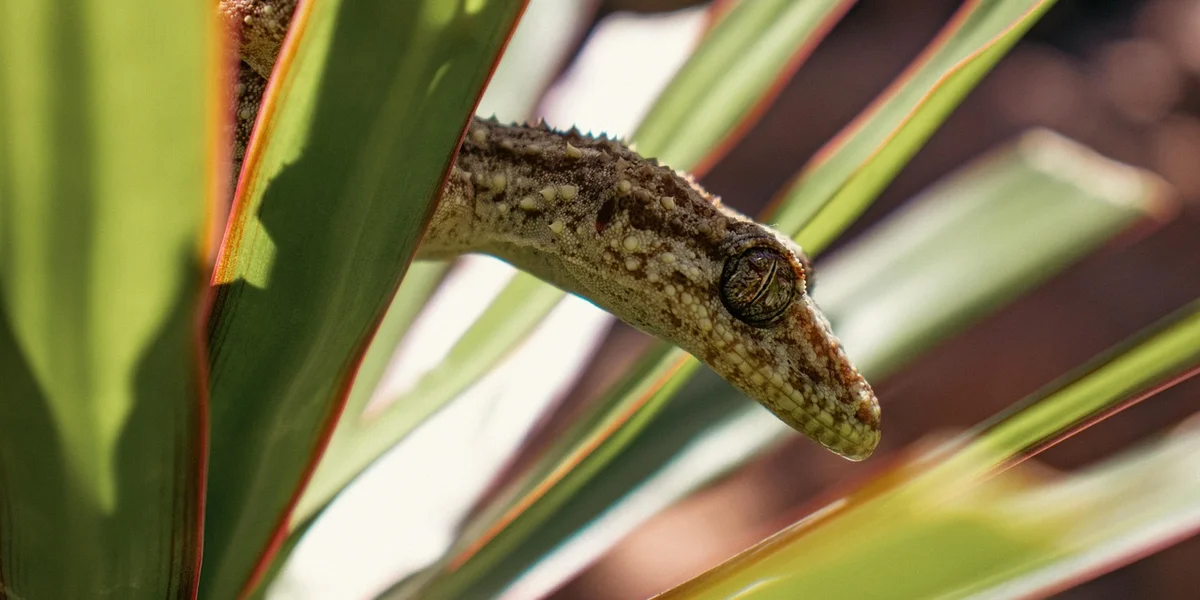
One of the most challenging parts of being a gecko owner is interpreting their silent language. They are masters at hiding illness, a natural instinct from the wild to avoid looking like an easy target. My gecko, Jeter, once sat perfectly still for two days before I realized he wasn’t just “calm,” he was in serious trouble. Understanding early warning signs of illness in geckos is essential, since many problems begin subtly. They often show hints like reduced appetite, lethargy, or changes in shedding before more obvious symptoms appear. Learning these subtle signs can save your pet’s life.
Emergency Symptoms to Watch For
Some issues can wait for a scheduled appointment, but these symptoms demand immediate, same-day veterinary attention. Do not wait to see if they “get better.”
- Lethargy or Unresponsiveness: A gecko that doesn’t move when handled, sits in one spot for over 24 hours, or seems too weak to hold its head up is a major red flag. This is different from normal daytime sleeping.
- Labored Breathing: Listen for clicking, popping, or wheezing sounds. Watch for open-mouth breathing or seeing their sides and throat move heavily. This often signals a respiratory infection.
- Prolonged Lack of Appetite: An adult gecko refusing all food for over 10-14 days is a crisis. For a juvenile, that window shrinks to just 5-7 days. Rapid weight loss, where the tail becomes skinny and the hip bones become prominent, is a clear sign of starvation.
- Persistent Vomiting or Regurgitation: Throwing up a meal once after a stressful event can happen. But if it happens repeatedly, or you see undigested food from a meal days prior, it points to a severe impaction or internal issue.
- Swollen Joints or Limping: This is a classic sign of Metabolic Bone Disease (MBD). I once saw this in a rescue gecko; its jaw was so soft it couldn’t eat. MBD is painful and debilitating, but it is also entirely preventable with proper care.
- Difficulty Shedding (Dysecdysis): A little stuck shed on the toes is common. But if large patches of skin remain stuck, especially around the eyes, it can blind them. If a warm, humid hide doesn’t resolve it within a day, seek help.
- Bleeding or Obvious Injury: Any cut, broken bone, or drop of blood needs professional assessment. Geckos are small, and blood loss or infection can become fatal quickly.
- Paralysis or Incoordination: If your gecko is dragging its back legs, circling, or unable to right itself, this indicates a potential neurological issue or severe spinal injury.
Trust your gut. You know your gecko’s normal behavior better than anyone. If something feels “off,” it’s always better to err on the side of caution and make that vet call. A phone consultation can often help you triage the situation from home. When you’re concerned, try to distinguish normal variation from potential red flags. If in doubt, a quick vet check can provide clarity on what’s normal and what isn’t.
Costs and Planning for Gecko Veterinary Care
Let’s talk about the financial side of gecko ownership. A common worry I hear from new owners is, “How much does a vet visit actually cost?” Planning for these expenses is one of the most responsible things you can do for your pet, turning potential panic into simple, manageable planning. So, how much does a gecko vet visit typically cost? We’ll break down typical costs and what affects them.
What to Expect for Common Veterinary Services
Prices vary by location and clinic, but here’s a general breakdown based on my own experiences with my crew.
- Initial Wellness Exam: $60 – $100. This is your baseline visit to establish your gecko’s health and build a relationship with the vet.
- Fecal Parasite Test: $25 – $50. I do this annually for all my geckos, as parasites are a common hidden issue.
- Basic Medications: $20 – $50. This includes things like dewormers or topical antibiotic ointments.
- X-Rays (Radiographs): $150 – $300. Crucial for diagnosing egg-binding or metabolic bone disease.
Budgeting for the Unexpected: Emergency Care
My gecko, Mookie, once decided a piece of moss was food, leading to a scary impaction and a $400 emergency visit. Emergency care for issues like infections, injuries, or surgery can easily range from $300 to over $1,000, so having a backup fund is non-negotiable.
Your Financial Game Plan: Insurance vs. Savings
You have two main strategies to handle vet bills. I use a combination of both.
- Pet Insurance: For a monthly premium (often $10-$20 per gecko), a good exotic pet insurance plan can cover a significant portion of unexpected illness and injury costs. It provides fantastic peace of mind.
- The “Gecko Fund”: I automatically transfer a small amount of money into a dedicated savings account each month. This self-insurance method ensures I always have cash on hand for both routine and surprise expenses.
Whichever path you choose, the key is to start planning now. Your future self-and your gecko-will thank you for it.
FAQs
What should be the daily feeding schedule for a leopard gecko and what foods are appropriate?
Adult leopard geckos should be fed every 2-3 days with gut-loaded insects like crickets or mealworms, while juveniles require daily feeding for proper growth. You can learn more about feeding schedules by reading this guide.
How often should fresh water be provided?
Fresh, clean water should be provided daily in a shallow dish to ensure hydration and prevent bacterial growth.
What humidity range is ideal for leopard geckos?
The ideal humidity range for leopard geckos is 30-40%, with a moist hide available to aid in shedding.
What is the best handling routine to minimize stress?
Handle your gecko gently for short, frequent sessions, always supporting its body fully and allowing it to initiate movement to build trust.
Are geckos social or should they be housed alone?
Leopard geckos are solitary animals and should be housed alone to prevent stress, aggression, and potential injury from territorial behavior.
Your Gecko’s Health Blueprint
A complete gecko veterinary care plan is your active strategy, built on annual wellness exams, immediate attention to signs of illness, and a solid partnership with a reptile-savvy vet. This plan covers everything from parasite checks and nutritional counseling to creating an emergency fund, ensuring you’re never caught unprepared when your scaly friend needs you most.
Being a fantastic gecko owner means committing to lifelong learning and advocating for your pet’s welfare with every decision you make. Your dedication to providing this level of thoughtful care is what transforms simple pet ownership into a truly rewarding, long-term friendship. Keep asking questions and trusting your instincts-you’ve got this.
Further Reading & Sources
- Gecko Care Guide
- Gecko Care Guide | Winter Park Veterinary Hospital | Vet in FL
- Gecko Care 101 | Brookville Veterinary Hospital
The Gecko Guide is your ultimate resource for gecko enthusiasts, providing expert advice and practical tips to ensure the health and happiness of your scaly companions. Alexander is a passionate gecko owner with over a decade of experience in reptile care. We are dedicated to offering accurate, up-to-date information to support your gecko journey.Our mission is to foster a community of responsible gecko owners who are passionate about the well-being of these fascinating creatures.
Preventative Care & Vet Visits