
Rescue vs Breeder: Which Gecko is Right for You?
Published on: March 20, 2026 | Last Updated: March 20, 2026
Written By: Alexander 'Gecko Geek' Johnson
Choosing between adopting a rescue gecko or buying from a breeder is one of the biggest and most emotional decisions a new reptile keeper faces. You want to do the right thing, but you’re also worried about potential health issues, behavior problems, and finding the perfect pet for your home.
I’ve walked both paths with my own geckos, and I’m here to help you navigate this choice. We’ll break down the key differences so you can decide with confidence.
Here are the three main points we will cover:
- The life-saving impact and unique joys of rescuing a gecko in need.
- The predictability and specific traits available when you choose a reputable breeder.
- A clear checklist to help you match your lifestyle, budget, and expectations to the right choice.
By the end of this guide, you’ll have a clear understanding of both options. We will cover: ethical considerations, cost comparison, health and temperament expectations, and how to find reputable sources. Let’s find your new best friend.
Understanding Gecko Adoption and Breeding Basics
Let’s break down what these two paths actually mean for you and your future pet. Adoption typically involves taking in a gecko from a rescue organization, a shelter, or an individual who can no longer care for them. You are giving a second chance to an animal that needs a stable, loving home. I’ve welcomed several rescues into my colony, and the bond formed is incredibly special.
Buying from a breeder means you’re purchasing a gecko, often a juvenile, that has been purposefully bred for specific traits. Reputable breeders focus on health, temperament, and sometimes, particular color patterns or morphs. My gecko Griffey came from a high-yellow morph breeding project, and his vibrant pattern was a known factor from the start.
Where to Find Each
- Adoption: Reptile-specific rescues, local humane societies, online rehoming groups (like on Facebook).
- Breeding: Reptile expos, established online breeder websites, and referrals from other gecko owners.
Pros and Cons of Adopting a Rescue Gecko

Choosing to adopt is a powerful and rewarding decision. You are directly saving a life. My rescue gecko, Babe, came to me with a story, and providing him a forever home is one of my proudest moments in reptile keeping. You often get an adult gecko whose personality is already established, which can be a huge plus for a first-time owner.
The Pros of Rescue Adoption
- You Save a Life: You free up space and resources for the rescue to help another animal in need.
- Generally Lower Cost: Adoption fees are almost always significantly less than the price of a gecko from a breeder.
- Known Adult Personality: You can often learn about the gecko’s temperament, likes, and dislikes before you bring them home.
- Support a Cause: Your fee directly supports the rescue’s mission and helps other animals.
The Cons and Realities of Rescue
Adoption isn’t always a smooth path, and you need to go in with your eyes wide open. Rescue geckos may come with a history of subpar care, which can manifest in health or behavioral issues. My gecko A-Rod was a rescue who needed a very specific, quiet setup to feel secure after his rough start.
- Potential for Unknown Health Issues: They might have parasites, metabolic bone disease, or stuck shed from previous neglect.
- Possible Behavioral Quirks: Some may be skittish, not handle well, or have specific fears due to past trauma.
- Limited Selection: You typically can’t choose from a wide variety of species or rare morphs.
- An Immediate Vet Visit is a Must: You should budget for a check-up to establish a health baseline.
You are not just getting a pet; you are becoming a rehabilitator. Patience is your greatest tool when welcoming a rescue gecko, as earning their trust can take weeks or even months. The reward of seeing them blossom, however, is absolutely priceless. Should you ever need to part with your gecko, opt for a responsible surrender to a reputable rescue or rehoming network. This helps ensure they continue to receive proper care and find a loving new home.
Pros and Cons of Buying from a Reputable Breeder
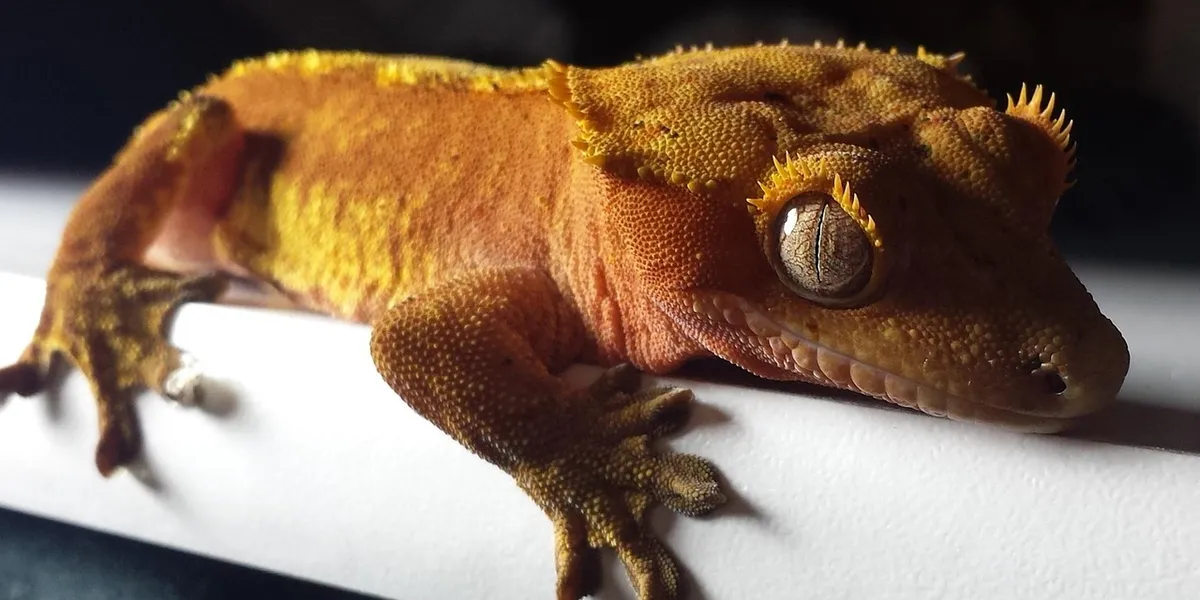
Deciding to buy from a breeder is like ordering a custom gecko-you get exactly what you want, but it comes with trade-offs. I’ve brought home several of my geckos this way, like Jeter, my flame crested gecko, whose calm demeanor and perfect orange stripe were worth the hunt. Buying from a responsible breeder means you’re investing in a gecko with a clear health and genetic history, which can prevent heartache down the road. Let’s explore the upsides and downsides based on my own mishaps and wins.
Pros of Buying from a Breeder
- You know the genetics and morph upfront, so there are no surprises in color or pattern. When I picked out Griffey, my high yellow leopard gecko, I loved that his golden spots were guaranteed to stay vibrant.
- Health guarantees are common, giving you peace of mind against genetic issues. Reputable breeders often provide documents, like the one I got for Babe, my giant day gecko, which covered initial vet checks.
- Access to rare or specific traits, such as unique morphs, is easier. If you’re dreaming of a red blotch gargoyle like Mookie, breeders can make it happen.
- Ongoing support from the breeder helps with questions on care or behavior. My breeder for A-Rod, my African fat-tailed gecko, gave me tips on his territorial habits that saved my sanity.
Cons of Buying from a Breeder
- Higher costs can strain your budget, especially for sought-after morphs. I’ve seen prices that made me gulp-sometimes triple what adoption fees run.
- Ethical risks exist if you don’t vet breeders thoroughly; some may prioritize profit over welfare. I always visit in person to avoid supporting operations that don’t prioritize humane conditions.
- Limited availability might mean waiting months for your ideal gecko. For Jeter, I waited weeks, which felt like forever when I was eager to bring him home.
- Less opportunity to rescue a gecko in need, which tugs at my animal-advocate heart. While breeders focus on quality, many rescues are overflowing with geckos desperate for a second chance.
Cost Comparison: Adoption Fees vs Breeder Prices
Let’s talk numbers-because your wallet deserves a heads-up! From my experience, adoption fees are like a bargain bin with hidden gems, while breeder prices are the premium aisle. Adoption fees typically cover basics like initial vet care, making them a steal for budget-conscious owners. I adopted Mookie, my gargoyle gecko, for a fraction of a breeder’s cost, and he’s just as playful. Here’s a quick breakdown to help you compare.
| Expense Type | Adoption Fees (Approx.) | Breeder Prices (Approx.) |
|---|---|---|
| Initial Gecko Cost | $20 – $50 | $50 – $300+ |
| Vet Check Included | Often yes | Sometimes, with guarantees |
| Setup Supplies (e.g., tank, hides) | Rarely included | Occasionally bundled |
| Morph/Rarity Premium | Minimal | High for unique traits |
Remember, adoption fees often go toward supporting rescue organizations, which warms my animal-loving soul. Breeder prices might include extras like health certificates, but you’ll likely pay more out-of-pocket for supplies. When I bought A-Rod, his bold stripe pattern cost extra, but I saved by reusing tanks from previous geckos. Beyond the upfront price, there are hidden costs to gecko ownership—heat lamps, electricity for heating, and ongoing live food. Budgeting for enclosure maintenance and vet care helps ensure your gecko stays healthy long-term. Weigh what matters most—saving money or securing specific traits—and your gecko will thrive either way.
Health and Temperament Considerations
Walking into this decision, you’re probably wondering about the gecko you’ll actually bring home. From my experience, the health and personality of a rescue versus a bred gecko can be a world of difference, and neither is inherently “better”—just different. So, which path is best: breeder, pet store, or rescue? It depends on what you value—health guarantees, temperament, and responsible sourcing. My rescue, A-Rod, taught me more about gecko care in six months than I’d learned in years.
What to Expect with a Rescue Gecko
Rescue geckos often come with a history you don’t fully know. This isn’t a bad thing, but it requires a specific mindset. Understanding their behavior and temperament is essential. This complete guide will help you interpret signals and tailor care accordingly.
- Potential Health Issues: Many rescues arrive with minor, manageable conditions. I’ve dealt with everything from stuck shed on toes to initial parasite loads. A pre-adoption vet check is non-negotiable to understand what you’re signing up for.
- Unpredictable Temperament: A gecko’s past handling shapes its present behavior. Some, like my A-Rod, are naturally more territorial and may never enjoy being handled. Others blossom with consistent, gentle care.
- The “Blank Slate” Myth: Don’t assume a rescue is a blank slate. They have established habits and preferences. The joy comes from learning to work with them, not force a change.
What to Expect from a Breeder Gecko
Buying from a reputable breeder offers predictability, which is a huge comfort for many new owners.
- Known Health History: You typically get a gecko with a documented feeding record and known genetics. This dramatically reduces the risk of inherited or early-life illnesses.
- Predictable Personality: Breeders often handle babies from a young age. This leads to geckos like my Jeter, who is calm and confident with people from day one.
- Selective Traits: You can choose specific morphs and colors. Want a Giant Day Gecko with intense red speckles like my Babe? A breeder is your best bet.
The bottom line is this: rescuing is a journey of discovery and advocacy, while buying is a path of selection and predictability. Your comfort level with potential unknowns should guide you heavily here.
The Adoption and Buying Process Explained
How you actually get your gecko is just as important as which one you choose. The processes are distinct and test your patience in different ways.
The Rescue Adoption Path
Adopting is less like shopping and more like an interview. You are proving you can provide a safe forever home.
- Find a Reputable Rescue: Look for established reptile rescues or herpetological societies. Avoid places that feel like a hoarding situation.
- Submit an Application: Expect detailed questions about your experience, enclosure setup, and knowledge. They aren’t being nosy; they are being thorough.
- Home Check or Virtual Tour: Many rescues will want to see where the gecko will live. I had to show my setup for A-Rod to ensure it was secure and appropriate.
- Meet the Gecko: You might not get a huge choice. The rescue will often match you with a gecko that suits your home and experience level.
- Pay the Fee: Adoption fees are usually low and help the rescue care for the next animal in need.
The Breeder Purchase Path
Buying is a more active selection process where you are the one vetting the source.
- Research, Research, Research: A good breeder has a stellar reputation. Look for reviews, clean facilities in photos, and someone who asks *you* questions about your setup.
- Ask the Right Questions: Inquire about genetics, incubation temperature, and how often they handle the hatchlings. A great breeder will have all these answers ready.
- Review the “Paperwork”: You should receive a detailed feeding record and a genetic lineage sheet for your gecko. This is standard practice for ethical breeders.
- Shipping or Pickup: Most breeders ship geckos safely via overnight services. It sounds scary, but it’s a well-established and safe process when done correctly.
- Pay the Price: Breeder geckos, especially specific morphs, have a higher upfront cost. You are paying for the years of selective breeding and quality care.
The key difference is control: adoption gives the rescue control to ensure a good home, while buying gives you control to select a specific animal. Both processes are designed, when done right, to prioritize the welfare of the gecko above all else.
Ethical Choices and Gecko Welfare
When I brought home Jeter, my crested gecko, he was a rescue with a slightly crooked tail from past neglect. Seeing him gain confidence in a proper habitat taught me that ethical choices in gecko ownership start with putting their well-being first. You might wonder if adopting a rescue or buying from a breeder is better for the animal-let’s break it down based on real-life impacts.
Why Rescue Geckos Need You
Rescue geckos often come from situations where basic care was missing. Many arrive with health issues like metabolic bone disease or stuck shed, which require immediate, loving attention. I’ve nursed a few back to health, and the transformation is incredibly rewarding. Adopting one frees up space in rescues for more animals in need. Bringing one home? A rescue gecko guide for the first 30 days of rehabilitation can help you establish feeding, enclosure setup, and vet-check milestones. It also helps you build a calm, consistent routine that supports recovery.
- Saves a life directly by giving a home to a gecko that might otherwise be euthanized or languish in shelter care.
- Cost-effective start-adoption fees are usually lower than breeder prices, letting you invest in better supplies.
- Supports education on proper care, as rescues often provide guidance to prevent repeat neglect.
Responsible Breeding and What to Look For
Not all breeders are created equal. A good breeder prioritizes health and genetics over profit, openly sharing lineage and care records. My leopard gecko, Griffey, came from a breeder who answered every question I had-this transparency is key. Avoid those who can’t show you clean, spacious enclosures or discuss their breeding ethics.
- Visit the facility or request a video tour to check for clean, humane conditions.
- Ask about genetic testing to avoid inbreeding, which can cause health problems.
- Ensure they offer post-purchase support and take back geckos if issues arise.
Weighing Welfare in Your Decision
Think about your own lifestyle and skills. Rescues can come with hidden challenges, like behavioral quirks or chronic health needs, so be honest about your ability to handle that. On the flip side, breeders can offer geckos bred for hardiness, like my energetic Griffey, but only if they follow ethical practices.
| Option | Pros for Welfare | Cons to Consider |
|---|---|---|
| Rescue Adoption | Reduces overpopulation; gives a second chance | May need extra vet care; unknown history |
| Buying from Breeder | Healthier start; predictable traits | Risk of supporting poor practices if not vetted |
Steps to Make an Ethical Choice
Start by assessing your readiness. Ask yourself if you have the time, budget, and patience for potential extra care-this isn’t just about what you want, but what the gecko needs. I always recommend visiting local rescues first; you might meet a gecko like Jeter who just needs a stable home to thrive. Your first 24 hours with a new gecko are when the basics must be set up—habitat, heat, humidity, and safety. For a clear, actionable plan, check out the Your first 24 hours guide.
- Research rescue organizations and breeders in your area-read reviews and talk to other owners.
- Consider your experience level: beginners might prefer a healthy breeder gecko, while intermediates could handle a rescue.
- Plan for long-term care, including vet funds, as both paths require commitment to welfare.
FAQs
Is a rescue gecko suitable for a first-time gecko owner?
Rescue geckos can be a good fit if you have the patience and willingness to handle potential health or behavioral quirks from past neglect. It’s important to know how to safely handle sick or injured geckos before adopting one.
What are the potential hidden expenses when adopting a rescue gecko?
Beyond the low adoption fee, you might face costs for unexpected vet care, specialized diets, or habitat adjustments to address prior care issues.
What steps should I take to find a responsible gecko breeder?
Research breeders with positive reviews, visit their facilities to check for cleanliness, and ask detailed questions about genetics and health guarantees.
Your Gecko, Your Choice
There is no single “right” answer for everyone. Adopting a rescue gecko is a profoundly rewarding act of compassion, perfect for an experienced owner ready to provide a patient, loving home. Buying from a responsible breeder offers predictability and support, ideal for a first-time owner or someone seeking a specific morph. Your lifestyle, experience, and heart should guide this deeply personal decision. Whether you choose to adopt or buy, seek sources that prioritize animal welfare. You can find healthy crested geckos through reputable rescues or established breeders, and ask for full health histories and care instructions.
Whichever path you choose, your commitment is what truly matters. Your gecko’s lifelong health and happiness depend entirely on your dedication to proper husbandry, a good vet, and a willingness to always keep learning. For many gecko species, a 20-year lifespan is common in captivity. That means a 20-year commitment to care is a real measure of how truly prepared you are to care for a gecko. These incredible creatures rely on us for everything, so let’s honor that trust by being the best caretakers we can be.
Further Reading & Sources
- r/geckos on Reddit: Purchase Or Adopt A rescue?
- New Best Friend
- Kansas City Reptile Rescue (K.C.R.R.)
The Gecko Guide is your ultimate resource for gecko enthusiasts, providing expert advice and practical tips to ensure the health and happiness of your scaly companions. Alexander is a passionate gecko owner with over a decade of experience in reptile care. We are dedicated to offering accurate, up-to-date information to support your gecko journey.Our mission is to foster a community of responsible gecko owners who are passionate about the well-being of these fascinating creatures.
Ethical Breeders vs. Pet Stores