
Can Geckos Eat Eggs? A Guide to Feeding Eggs and Their Own Eggs
Published on: January 3, 2026 | Last Updated: January 3, 2026
Written By: Alexander 'Gecko Geek' Johnson
You’re staring at your gecko and a carton of eggs, wondering if this common kitchen staple is a safe and nutritious treat for your scaly friend. It’s a smart question to ask, as the wrong food can lead to serious health issues.
I’ve navigated this exact dilemma with my own crew of geckos, from my Leopard Gecko Griffey to my Crested Gecko Jeter. I will help you understand the do’s and don’ts so you can feed with confidence. Here are the key takeaways we will cover:
- Which types of eggs are safe and how to prepare them properly.
- The crucial difference between feeding chicken eggs and a gecko laying its own eggs.
- How to use eggs as an occasional power-up for underweight or breeding geckos.
You will get clear, step-by-step advice based on proven reptile nutrition and my personal experience. This guide covers: feeding cooked egg, feeding raw egg, nutritional benefits, feeding frequency, risks, and gecko egg-laying behavior.
Can Geckos Eat Dietary Eggs?
Yes, many geckos can safely eat certain types of eggs as an occasional treat. I’ve offered small bits of boiled egg to my leopard gecko, Griffey, and he eagerly snatches them up like a prized cricket. In the wild, some larger gecko species might raid bird nests for eggs, but in captivity, we stick to safer, prepared options. Geckos will sometimes sample human foods; if you offer any, keep portions tiny and avoid seasoning or dairy. These foods should remain rare treats and not replace a balanced diet.
- Safe egg types include chicken and quail eggs, always cooked.
- Acceptable forms are boiled or scrambled eggs with no additives.
- Avoid raw eggs due to Salmonella risks-better safe than sorry.
- My crested gecko, Jeter, ignores eggs, showing preferences vary by individual.
What Types of Eggs Are Safe for Geckos?
Chicken and quail eggs are your best bets. Quail eggs are tinier and less messy, perfect for smaller geckos like my Gargoyle, Mookie, who can handle a pea-sized portion. Chicken eggs work for larger species, such as my Giant Day Gecko, Babe, but always in moderation.
- Chicken eggs: Larger, widely available; mash a tiny piece for easy eating.
- Quail eggs: Smaller, nutrient-dense; less waste for petite geckos.
- Cooked options: Boiled or scrambled without salt, oil, or spices.
- Raw eggs: Skip them-Salmonella isn’t worth the gamble for your pet.
How to Prepare Eggs for Gecko Consumption
Keep it simple and plain. I boil an egg for about 10 minutes, let it cool completely, then mash a fingernail-sized bit for my geckos. No seasonings or oils-just pure, unadulterated egg.
- Boil a chicken or quail egg in water for 8-12 minutes until fully cooked.
- Cool it under running water or in the fridge to avoid burns.
- Peel the shell and discard it unless using for calcium (more on that later).
- Mash or chop the egg into tiny, bite-sized pieces for easy swallowing.
- For scrambling, cook a plain egg in a non-stick pan with no additives, then cool and serve small portions.
Nutritional Benefits of Eggs for Geckos
Eggs pack a protein punch that can benefit growing or underweight geckos. When my African Fat-Tailed, A-Rod, was recovering from a shed issue, a bit of scrambled egg helped him regain strength without overloading his system. Eggs offer high-quality protein and some calcium, but they shouldn’t replace staple insects.
- Protein content: Eggs provide about 6-7 grams per large chicken egg, supporting muscle growth and repair.
- Calcium: Eggshells are rich in calcium-crush finely and dust on food, but use sparingly to avoid imbalance.
- Versus feeder insects: Eggs have more protein per gram than crickets, but lack the chitin and variety of a gecko’s natural diet.
- Health support: Ideal for weight gain or as a recovery food, but feed only once every few weeks to prevent nutritional gaps.
Safe Egg Preparation and Feeding Guidelines
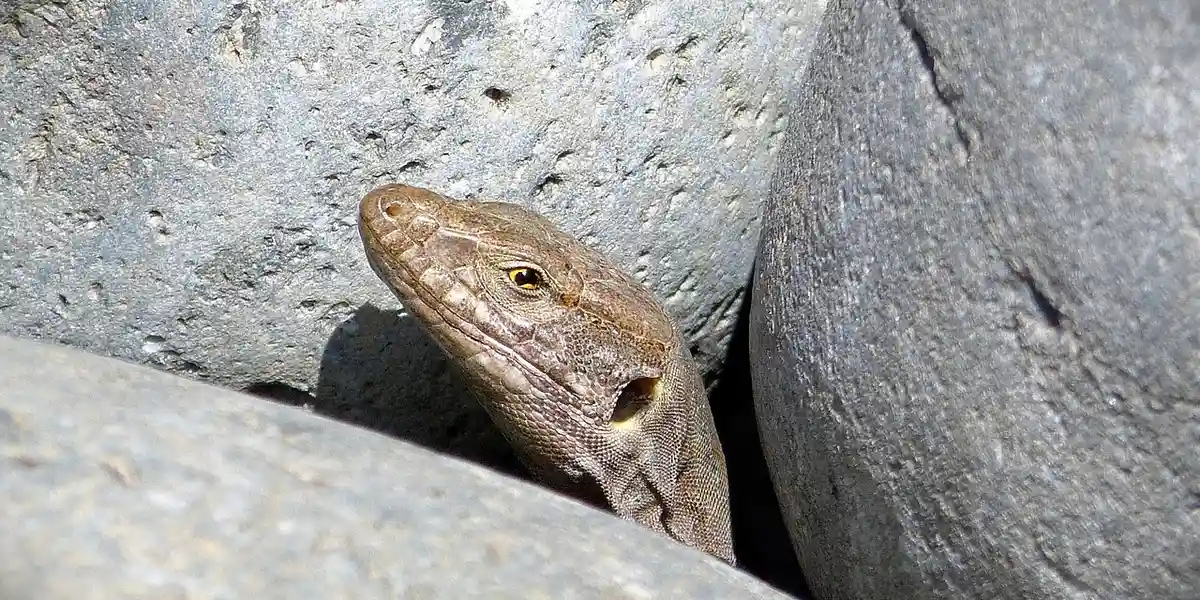
Getting the preparation right is the difference between a healthy treat and a potential problem. You should only ever offer plain, cooked eggs with absolutely no oil, salt, butter, or seasonings added. Scrambled (without milk) or hard-boiled are your safest bets.
How Much Egg to Feed Your Gecko
Portion control is everything with such a rich food. Think tiny. For an adult leopard gecko like my Griffey, a portion no bigger than a single pea is perfect. For a juvenile, you’d want to halve that.
A good rule is that the egg piece should never be wider than the space between your gecko’s eyes. This visual cue prevents choking and overfeeding in one simple step. If you’re checking for signs of proper portion control in geckos, look for a healthy, steady weight with a tail that isn’t swollen or overly thin. A well-fed gecko should stay active and maintain a consistent body condition.
Feeding Frequency and Schedule
Eggs are a treat, not a staple. I offer a tiny bit of egg to my crew no more than once a month. Treating eggs as a rare delicacy prevents nutritional imbalances and keeps your gecko excited for their primary diet of insects or crested gecko diet.
I tried offering it more frequently to my A-Rod once, and let’s just say his digestive system made its displeasure known. It was a messy lesson learned!
- For insectivorous geckos (Leopard, Fat-Tailed): A pea-sized portion once a month.
- For omnivorous geckos (Crested, Gargoyle): A slightly smaller portion, mixed into their fruit diet once a month.
- Always remove uneaten egg from the enclosure within an hour to prevent spoilage.
Egg Feeding for Different Gecko Species
Not all geckos process food the same way. Their natural diets dictate how they handle this protein-packed snack. Insectivores need a lighter touch, while omnivores can utilize the protein a bit more readily. For pet geckos, a complete feeding guide by species helps owners tailor meals. It explains exactly what to feed and how often for each species.
My Giant Day Gecko, Babe, will practically do backflips for a speck of scrambled egg, while my Fat-Tailed, A-Rod, is much more cautious about this unfamiliar food.
Can Leopard Geckos Eat Eggs?
Yes, leopard geckos can eat a small amount of cooked egg. Because they are strictly insectivorous, their systems aren’t designed for frequent, rich proteins like egg. It should remain a very occasional supplement. Think of it as safe vs unsafe foods for your leopard gecko. Safe staples are live insects; many non-insect foods—especially dairy or other rich human foods—are unsafe and should be avoided or given only as rare treats.
My leopard gecko, Griffey, prefers his egg hard-boiled and mashed into tiny crumbles. He’ll gobble it up, but I stick to the strict once-a-month schedule to keep his digestion happy. In practice, leopard gecko feeding can bring up common issues like picky eating, regurgitation after inappropriate foods, or constipation if meals aren’t balanced. Keeping an eye on appetite changes and stool consistency helps catch these early.
Can Crested Geckos Eat Eggs?
Absolutely. For an omnivorous crested gecko like my Jeter, egg can be a wonderful occasional protein boost. I find mixing a tiny bit of cooked, cooled scrambled egg into his Crested Gecko Diet (CGD) once in a blue moon adds variety.
He seems to enjoy the textural change, and it’s a great way to ensure he’s getting a complete nutritional profile without over-relying on insects.
Why Geckos Eat Their Own Eggs and How to Manage It
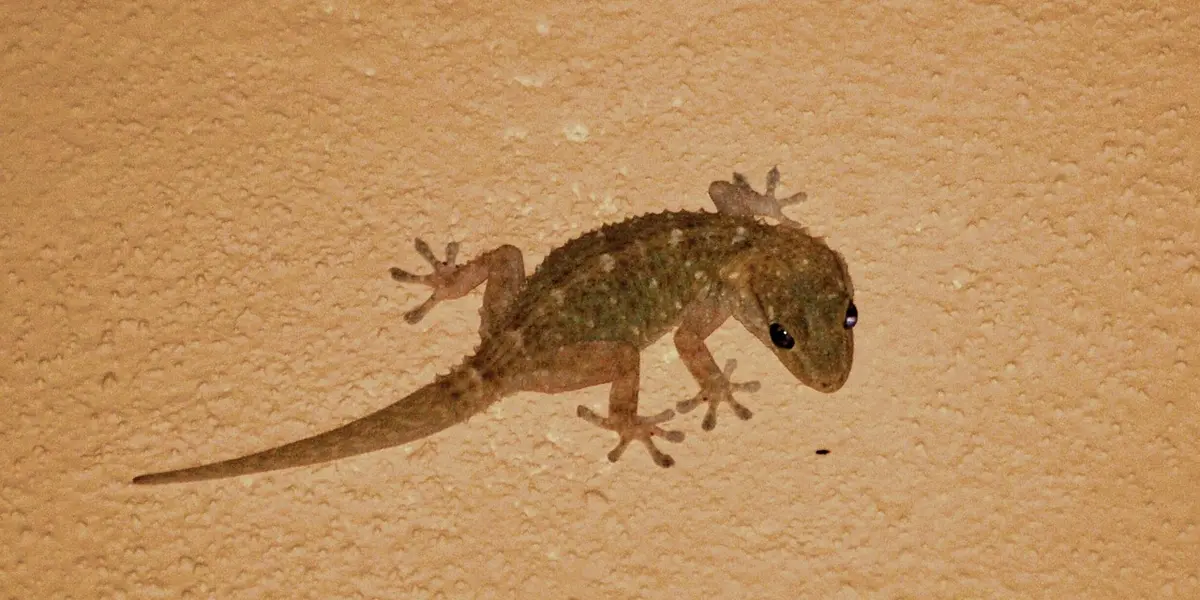
Watching a gecko eat her own eggs can be startling. This behavior, while unsettling, is a natural response to environmental pressures that your pet perceives as a threat to her survival. I’ve managed this with my own geckos, and understanding the ‘why’ is the first step to preventing it. When you’re concerned, it’s useful to distinguish normal vs abnormal gecko behaviors from abnormal behaviors, so you know when to seek help. If signs persist or escalate, consult a reptile vet or experienced keeper for guidance.
Common Causes of Egg Eating
Geckos aren’t being malicious; they are problem-solving with instinct. Several factors can trigger this.
- Inadequate Nutrition: A female depletes massive calcium reserves to form eggshells. If she’s deficient, she may consume the eggs to recoup those nutrients.
- Environmental Stress: An enclosure that is too open, lacks secure hides, or has constant loud vibrations can make a gecko feel her eggs are unsafe.
- Inexperienced Mothers: First-time layers are more prone to this. It’s a learning process for them, much like it is for us as owners.
- Instinctual Resource Management: In the wild, leaving infertile or non-viable eggs can attract predators. Eating them is a clean-up strategy.
Ignoring these causes doesn’t just lead to lost eggs; it can escalate into life-threatening egg binding, where a female cannot pass her eggs. This directly connects to her overall reproductive health.
Preventing Egg Eating in Your Gecko
Proactive care is your best tool. After my crested gecko, Jeter, laid her first clutch, I learned these steps quickly.
- Provide a Proper Laying Box: Offer a dedicated, humid hide filled with moist sphagnum moss or a similar substrate. This gives her a private, safe-feeling place to deposit eggs.
- Control Humidity Precisely: Species like Crested and Gargoyle Geckos need higher humidity for successful egg-laying. An overly dry environment can cause stress.
- Remove Eggs Promptly: Gently check the laying box daily. Carefully remove the eggs once laid. This eliminates the opportunity for the behavior to start.
- Supplement Her Diet Heavily: Dust all feeder insects with a high-quality calcium powder. I always provide a small dish of pure calcium powder without D3 for my laying females to self-regulate.
My leopard gecko, Griffey, once started digging up a clutch she had just laid because a new piece of décor was making her cage feel unfamiliar. I removed the item, gave her extra calcium, and the next clutch was left perfectly untouched. It’s all about making them feel secure.
Health Risks and Considerations with Egg Consumption
Feeding eggs or managing a gecko that eats her own requires a sharp eye on health. While the egg itself is nutritious, the delivery method and context introduce significant risks you must manage. Animal welfare means prioritizing their long-term health over a single feeding experiment.
Recognizing Digestive or Nutritional Problems
Their digestive systems are not built for rich, dense proteins like cooked egg. Watch for these signs of trouble.
- Lethargy and Loss of Appetite: A gecko that is sluggish after eating egg may be struggling to process it.
- Bloating or Swelling: This can signal impaction or digestive upset.
- Runny or Unusual Stools: A clear sign their gut flora is disrupted.
If you choose to offer egg as a supplement, it must be balanced with proper calcium and vitamin dusting on their primary insect diet. The egg should never become the main source of nutrition.
When to Seek Veterinary Care
Some situations are beyond home care and demand professional expertise. Don’t hesitate.
- Suspected Egg Binding: If your gecko is straining, lethargic, and you can see or feel eggs she cannot pass for more than 48 hours, this is an emergency.
- Persistent Illness: Symptoms like continued bloating, refusal to eat, or abnormal behavior after an egg-eating incident need a vet’s diagnosis.
- Injury from Shell: If you suspect a piece of sharp eggshell has caused internal damage during consumption.
I once had a scare with my African Fat-Tailed gecko, A-Rod, who became egg-bound. The vet visit was crucial; they provided calcium injections and supportive care that ultimately saved her. That experience cemented for me that a good reptile vet is non-negotiable. Look for red flags such as lethargy, loss of appetite, swelling, or straining. If you spot these, seek veterinary care immediately.
FAQs
Can geckos eat other types of eggs like duck eggs?
It is safest to stick with chicken or quail eggs, as other types have not been proven safe and could introduce unknown health risks to your gecko.
How should I store prepared egg if I have leftovers?
Do not store leftover egg; always prepare a fresh portion and discard any uneaten egg within an hour to prevent bacterial growth and spoilage.
What are the signs that my gecko has eaten too much egg?
Signs of overconsumption include bloating, lethargy, and abnormal stools, indicating digestive distress that may require adjustments to their diet or veterinary care.
The Last Word on Geckos and Eggs
To put it simply, a small piece of cooked, plain egg can be a safe and nutritious occasional treat for many geckos, but raw or seasoned eggs are a firm no. Always watch for how your specific gecko reacts, and remember that the primary diet for insect-eating species should always be live, gut-loaded insects. If your female lays eggs, providing a proper lay box and understanding whether they are fertile or not is a fundamental part of responsible breeding. If your female gecko lays eggs, you can follow a simple step-by-step guide to determine fertility. This information helps you decide on incubation and proper care.
The most rewarding part of being a gecko keeper is the commitment to lifelong learning about their unique needs. Your careful observation and dedication to providing species-specific care are what truly ensure your scaly friend lives a long, healthy, and happy life right there with you. To deepen your understanding of their behavior and temperament, our complete guide offers practical tips for reading signals. It helps you tailor care to each individual gecko.
Further Reading & Sources
- Can I feed my gecko eggs? And if so, is it healthy for them? : r/leopardgeckos
- What to Do When Your Mourning Geckos Lay Eggs | ReptiFiles
- Can Leopard Geckos Eat Scrambled Eggs? | Reptile Supply
The Gecko Guide is your ultimate resource for gecko enthusiasts, providing expert advice and practical tips to ensure the health and happiness of your scaly companions. Alexander is a passionate gecko owner with over a decade of experience in reptile care. We are dedicated to offering accurate, up-to-date information to support your gecko journey.Our mission is to foster a community of responsible gecko owners who are passionate about the well-being of these fascinating creatures.
Gecko Nutrition & Feeding