
Leopard Gecko Feeding: Understanding Behavior and Fixing Common Problems
Published on: January 7, 2026 | Last Updated: January 7, 2026
Written By: Alexander 'Gecko Geek' Johnson
Is your leopard gecko refusing meals or acting strangely at feeding time? This is a top worry for many owners, and I’ve been there with my own geckos.
From my experience raising leopard geckos like Griffey, who loves to “pose” after a good meal, I know how stressful feeding issues can be. I will help you make sense of it all by focusing on three key areas:
- Identifying what normal and abnormal feeding behavior looks like in leopard geckos.
- Explaining the most common reasons they stop eating and how to troubleshoot them.
- Sharing practical, proven tips to encourage consistent and healthy eating habits.
You will get straightforward advice that puts your gecko’s well-being first. This article dives into: feeding schedules, food preferences, health red flags, tank setup impacts, and simple solutions for picky eaters.
Understanding Leopard Gecko Feeding Behavior
Watching a leopard gecko hunt is a fascinating display of ancient instincts. My gecko, Griffey, will stalk his crickets with a slow, deliberate walk before launching into a lightning-fast pounce. This “stalk and strike” behavior is completely normal and a sign of a healthy, engaged gecko. Understanding what each action signals helps you read Griffey’s mood and respond appropriately. By learning the language of their movements, you can better support his welfare.
Many new owners worry if their gecko isn’t eating. It’s crucial to remember these are not grazers like some other pets. If your gecko isn’t eating, you may wonder what to do—here’s how to respond. In many cases, temporary changes in appetite are normal, but persistent refusal to eat can indicate an underlying issue that warrants action.
Normal Feeding Patterns
- They are crepuscular: Most active and hungry at dawn and dusk. Don’t be alarmed if they sleep through the day.
- Appetite varies: Juveniles eat daily, while adults may only eat every other day or a few times a week.
- They are visual hunters: They are triggered by movement. A still insect might not even register as food.
Signs of a Healthy Feeder
- A slight, curious head tilt when they spot prey.
- A quick, vibrating tail twitch right before they strike.
- Eagerly chasing down moving insects.
- Consistent, firm bowel movements.
What to Feed Your Leopard Gecko: Diet Basics
Think of your gecko’s diet like building a nutritious plate. The foundation is always a high-quality, gut-loaded insect. Variety isn’t just the spice of life for them; it’s a nutritional necessity. Feeding a rotation of different insects prevents nutritional gaps and keeps your gecko interested in mealtime. Our diversifying diet guide features 10 safe feeder insects geckos can enjoy. It shows how to rotate them for balanced nutrition.
Staple Feeder Insects
These are the core of the diet and can be fed regularly.
- Dubia Roaches: My top choice. They are meaty, can’t climb smooth surfaces, and have an excellent protein-to-fat ratio.
- Crickets: A classic option. They provide good exercise as geckos love to chase them.
- Black Soldier Fly Larvae (Calciworms): Fantastic for their high calcium content, often needing less supplementation.
Occasional Treat Insects
These are like dessert-high in fat and should be offered sparingly.
- Waxworms: Extremely fatty and addictive. I use these only for a gecko that needs to gain weight fast.
- Mealworms & Superworms: Good in moderation, but their higher chitin (shell) content can be harder to digest.
- Hornworms: A great hydration boost due to their high water content.
The Non-Negotiables: Gut Loading & Supplementation
You are not just feeding the insect; you are feeding what the insect ate.
- Gut Loading: Feed your feeder insects nutritious vegetables (like carrots, sweet potato, leafy greens) for at least 24 hours before offering them to your gecko. This passes the nutrients on.
- Calcium Supplement: Lightly dust insects with plain calcium powder at almost every feeding.
- Calcium with D3: Use this specific powder 1-2 times a week to ensure proper calcium absorption.
- Multivitamin: A reptile-specific multivitamin is essential once a week for overall health.
How Often to Feed: Age-Based Schedules
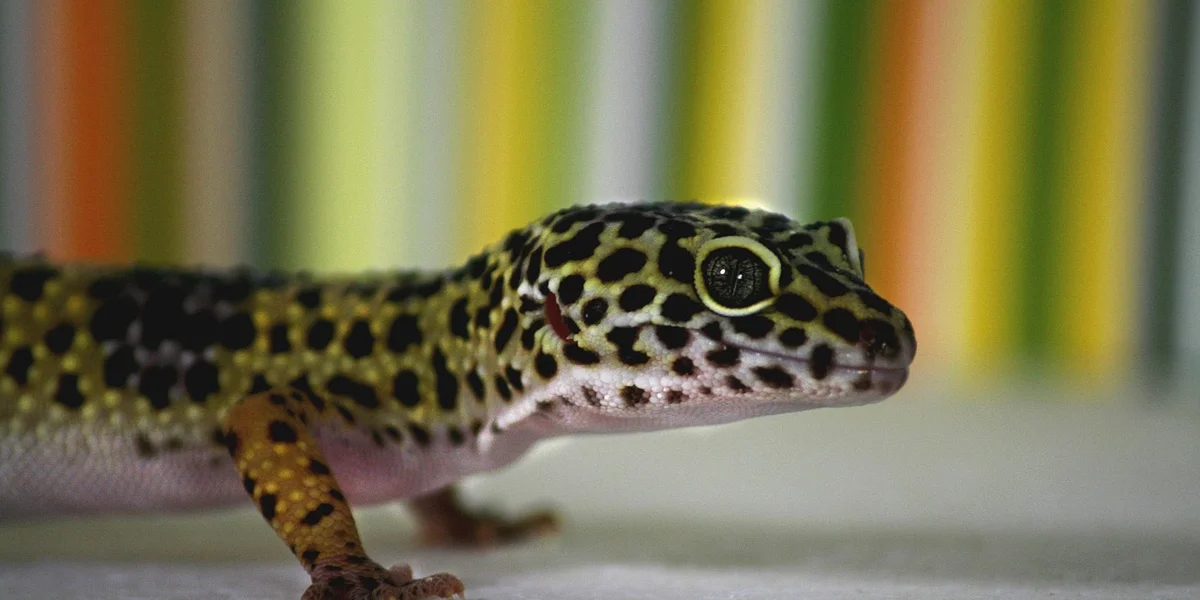
Getting the feeding schedule right is one of the most common questions I get. How often you feed is entirely dependent on your gecko’s life stage, and getting this wrong can lead to health issues or a stunted gecko. My leopard gecko, Griffey, has been through all these stages, and tailoring his meals made a huge difference in his growth and energy. Knowing how to adjust feeding schedules for juvenile and adult geckos is essential for their health.
Baby Leopard Geckos (0-4 months)
These little ones are pure growth machines. Their metabolism is incredibly fast.
- Feed daily. Offer them as many appropriately-sized insects as they can eat in a 10-15 minute period.
- A good goal is typically between 5-8 small crickets or dubia roach nymphs per feeding.
- They need this constant fuel to develop strong bones and a fat tail reserve.
Juvenile Leopard Geckos (4-12 months)
Your gecko is still growing, but the pace is starting to slow down.
- Feed every other day. This gives their digestive system a slight break.
- The number of insects will vary, but a good portion is about 5-7 medium-sized feeders per session.
- Watch their tail thickness closely-it’s your best indicator of proper nutrition.
Adult Leopard Geckos (12+ months)
Once they hit adulthood, their growth plates are closed. Overfeeding is now the biggest risk, leading to obesity and fatty liver disease. My adult geckos thrive on this schedule.
- Feed 2-3 times per week. I personally do Monday, Wednesday, and Friday for consistency.
- A serving of 6-10 larger insects per feeding is usually perfect.
- Some healthy, well-bodied adults can even be maintained on a twice-a-week schedule.
Common Feeding Problems and Solutions
Even with the best schedule, things can go sideways. Don’t panic if your gecko suddenly stops eating; it’s a very common issue with a range of solutions. I’ve dealt with all of these firsthand.
Problem: Refusal to Eat
Your gecko turns its nose up at dinner. This is stressful.
- Check Your Temperatures: The number one cause. The warm hide must be 88-92°F (31-33°C). If it’s too cold, they can’t digest and won’t eat.
- Consider Stress: Have you moved the tank, gotten a new pet, or been handling them too much? Give them a few quiet days.
- Try a Different Feeder: If you always use crickets, try dubia roaches or black soldier fly larvae. Griffey goes through phases of preferring one over the other.
- Brumation: In cooler months, adult geckos may naturally eat less for weeks. As long as their tail is plump, it’s usually fine.
Problem: Impaction (Bowel Blockage)
This is a serious condition where a blockage forms in the gut, often from swallowing loose substrate or oversized feeders.
- Prevention is Key: Never use calci-sand or crushed walnut shell. I use paper towel or slate tile. Feed insects that are no wider than the space between your gecko’s eyes.
- Signs to Watch For: No droppings, a swollen stomach, lethargy, and loss of appetite.
- Immediate Action: Provide a warm soak in shallow water for 10-15 minutes and gently massage the belly. If no improvement within a day, see a vet immediately.
Problem: Nutritional Deficiencies
This is a silent killer that creeps up over time. You are what you eat, and so is your gecko.
- Gut-load Your Feeders: Feed your insects nutritious veggies (like carrots and leafy greens) 24-48 hours before offering them to your gecko.
- Dust with Supplements: This is non-negotiable. Use a pure calcium powder (without D3) in a dedicated dish in the tank at all times. Then, dust insects with a calcium + D3 powder at one feeding, and a multivitamin powder at another feeding each week.
- Symptoms of Deficiency: Lethargy, difficulty shedding (Metabolic Bone Disease), and tremors are classic signs of poor nutrition.
Supplements and Hydration for Healthy Eating

Your leopard gecko’s diet needs more than just live insects to thrive. I learned this firsthand with Griffey, who developed a slight wobble in his walk until I fixed his supplement routine. Without proper vitamins and minerals, they can face serious health issues like Metabolic Bone Disease, which weakens their bones.
Essential Supplements for Every Meal
Think of supplements as a daily multivitamin for your gecko. Calcium is the superstar—it keeps their skeleton strong and supports nerve function. You have a couple of reliable options: make sure to provide both calcium and vitamin D3 supplements to meet their needs.
- Calcium with D3: Use this if your gecko’s enclosure doesn’t have a specialized UVB light. Dust insects lightly before feeding, about 2-3 times a week.
- Plain Calcium: Keep a small dish in the habitat for them to lick as needed, especially if you use UVB lighting.
- Multivitamin: Once a week, rotate in a reptile-specific multivitamin to cover gaps like Vitamin A, which supports eye health.
I always watch Griffey eagerly chase dusted crickets-he seems to know it’s good for him! Over-supplementing can be harmful, so stick to a schedule and observe your gecko’s behavior.
Keeping Your Gecko Hydrated
Hydration is just as critical as nutrition. A shallow water dish with fresh, chlorine-free water should always be available-change it daily to prevent bacteria. Leopard geckos often drink after eating, so place the dish near their feeding area. Ensure they stay hydrated by checking their water dish regularly.
In drier climates or during shedding, I lightly mist one corner of Griffey’s tank in the evening. This boosts humidity and helps them peel off old skin comfortably. Watch for signs of dehydration: sunken eyes, loose skin, or lethargy. If you spot these, offer a warm soak in shallow water for 10 minutes.
- Use a spray bottle with lukewarm water for misting-avoid soaking the entire substrate.
- Feed hydrated insects like gut-loaded crickets or hornworms for extra moisture.
Special Considerations: Brumation and Health Monitoring
Leopard geckos experience brumation, a rest period similar to hibernation, usually in cooler months. Griffey’s activity drops each winter-he naps more and eats less, which is completely normal. This isn’t a sign of illness if handled correctly, but it requires attentive care.
Navigating Brumation Safely
Brumation helps conserve energy when temperatures dip. Gradually reduce feeding over two weeks before it starts, and ensure their weight is stable. Here’s how I manage it:
- Lower the tank temperature slightly to 65-70°F (18-21°C) at night.
- Offer food only once a week if they show interest-remove uneaten prey quickly.
- Keep water available and monitor weight every 7-10 days to prevent unhealthy loss.
Some geckos, like my energetic Griffey, might skip brumation entirely-each one is unique! If your gecko stops eating for more than three weeks without other brumation signs, consult a vet to rule out sickness.
Routine Health Checks You Can Do
Regular monitoring catches problems early. I do a quick “gecko check-up” weekly, looking at everything from tail fat stores to skin clarity. Create a simple log to track changes-it’s saved me from panic more than once.
- Weight: Use a small scale; sudden drops can indicate parasites or stress.
- Eyes and Nose: Should be clear-discharge or swelling means vet time.
- Appetite and Droppings: Note eating habits and stool consistency; runny or absent feces flags issues.
- Skin and Shedding: Incomplete sheds need humidity boosts-never pull stuck skin off yourself.
Brumation can mask health problems, so stay vigilant. If you notice sudden lethargy, appetite loss, regurgitation, swelling, or labored breathing, seek veterinary care immediately. When in doubt, a reptile-savvy vet is your best ally for keeping your gecko thriving for years.
FAQs
Can leopard geckos eat fruits or vegetables?
No, leopard geckos are strict insectivores and cannot properly digest fruits or vegetables, which can lead to digestive issues. Safe foods for leopard geckos are live, gut-loaded insects such as crickets, dubia roaches, and mealworms. Avoid any fruits, vegetables, or other non-insect foods, as they are unsafe and can cause health problems.
Is it safe to feed wild-caught insects to my leopard gecko?
No, wild-caught insects may carry pesticides, parasites, or diseases that can harm your leopard gecko, so it’s best to use commercially bred feeders.
How can I identify if my leopard gecko is overweight?
An overweight leopard gecko may have a disproportionately large abdomen, difficulty moving, and a fat tail that appears sausage-like rather than tapered.
Final Words on Feeding Your Leopard Gecko
Getting your leopard gecko’s feeding right boils down to a few key rules: offer appropriately-sized, gut-loaded insects, provide a consistent dusting schedule with calcium and vitamins, and always, always have fresh water available in a shallow dish. Pay close attention to their individual habits and body condition, as a sudden loss of appetite or a thinning tail is your gecko’s way of telling you something is wrong. Many of these common feeding problems—refusal to eat, weight loss, or digestive upset—are solvable by sticking to these practices and making small, targeted adjustments. If issues persist, review prey size, gut-loading quality, and hydration, and consider seeking veterinary advice.
Being a great gecko keeper means committing to lifelong learning about their needs. Your attentive care is the single biggest factor in your pet’s long-term health and happiness. Stay curious, connect with other reptile enthusiasts, and never hesitate to consult a specialized vet-your scaly friend is counting on you.
Further Reading & Sources
- Leopard Gecko Feeding Info | Leopard Gecko Care
- Leopard Geckos: Care and Feeding | VCA Animal Hospitals
- Leopard Gecko Complete Food Guide – Zen Habitats
The Gecko Guide is your ultimate resource for gecko enthusiasts, providing expert advice and practical tips to ensure the health and happiness of your scaly companions. Alexander is a passionate gecko owner with over a decade of experience in reptile care. We are dedicated to offering accurate, up-to-date information to support your gecko journey.Our mission is to foster a community of responsible gecko owners who are passionate about the well-being of these fascinating creatures.
Gecko Nutrition & Feeding