
Can Geckos Eat Honey? The Sweet Truth
Published on: February 21, 2026 | Last Updated: February 21, 2026
Written By: Alexander 'Gecko Geek' Johnson
You’re holding that little bottle of golden honey and wondering if a tiny drop could be a sweet, safe treat for your scaly friend. It’s a common question, and with so much conflicting advice online, it’s smart to be cautious.
I’ve cared for many geckos over the years, from my energetic leopard gecko Griffey to my bold crested gecko Jeter. I will help you cut through the confusion. Here are the key takeaways we will cover:
- Why a gecko’s body isn’t built to process sugary foods like honey.
- The specific, serious health risks you expose your pet to by offering it.
- Much healthier, safer treat alternatives that your gecko will actually love.
By the end of this guide, you will have a crystal-clear, vet-approved answer. We will cover: the risks of sugar, digestive system breakdown, safe diet staples, healthy treat options, and feeding best practices. Let’s get your gecko eating right.
Can Geckos Eat Honey? The Short Answer
No, you should not feed honey to your gecko. While a tiny lick might not cause an immediate emergency, honey offers zero nutritional benefit to insect-eating geckos and introduces a host of potential problems. I learned this the hard way with my curious leopard gecko, Griffey, who once managed to lick a tiny dab off my finger. The ensuing worry and research confirmed what many experts state: it’s a risk not worth taking.
The Hidden Dangers of Honey in a Gecko’s Diet
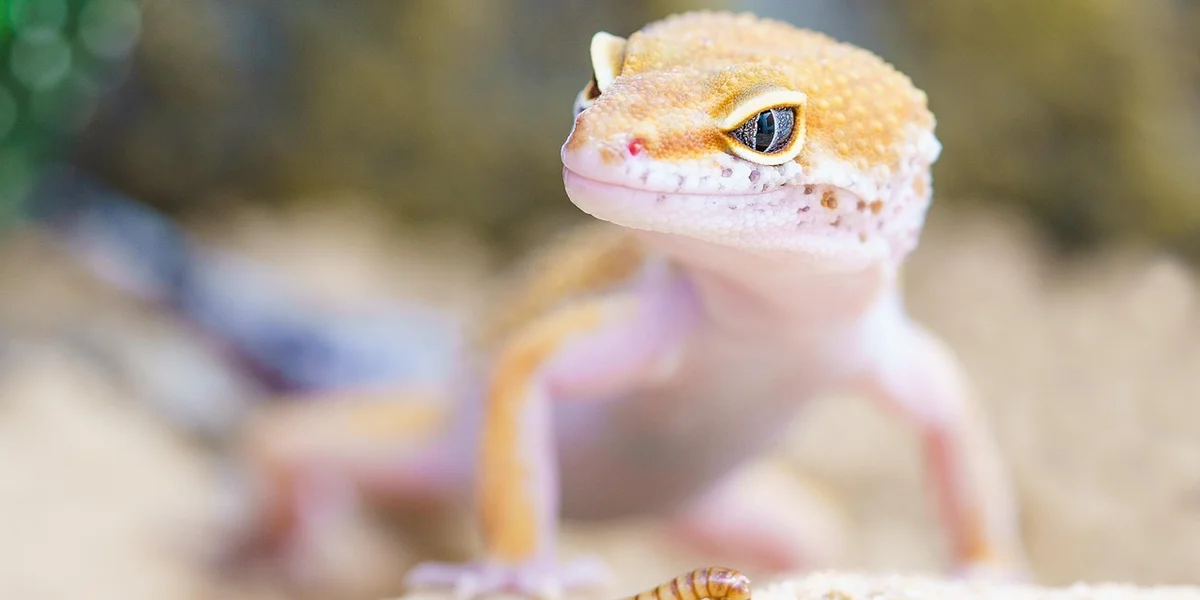
Honey might be a natural product for us, but for a gecko, it’s a foreign substance their bodies are not designed to process. Feeding honey is like pouring sugary syrup into a finely tuned engine; it will eventually cause a breakdown. The risks go far beyond a simple stomach ache, especially when it comes to feeding geckos human food.
How Sugar Affects Gecko Digestion
A gecko’s digestive system is built to break down chitin from insect exoskeletons and protein, not simple sugars. Introducing a concentrated sugar like honey can wreak havoc.
- Gut Bacteria Imbalance: Sugar can cause a rapid overgrowth of bad bacteria and yeast in their gut, overwhelming the healthy flora needed for proper digestion.
- Digestive Slowdown: The high sugar content can draw water into the intestines, potentially leading to diarrhea and dehydration.
- Fermentation and Bloating: Undigested sugars ferment in the gut, creating gas. This is painful for your gecko and can lead to a loss of appetite.
Seeing my crestie, Jeter, go off his food for a day after a similar sugary mishap was a stark reminder of how sensitive their little systems are.
Long-Term Health Risks of Sugary Treats
An occasional tiny taste might not be lethal, but making it a habit sets your gecko on a path to serious health issues. I’ve seen the consequences in rescues, and it’s heartbreaking. Unfortunately, many of these problems stem from feeding mistakes that quietly undermine health. To help you spot them, here are 9 common gecko feeding mistakes that compromise health.
- Obesity and Fatty Liver Disease: Excess sugar is converted to fat. In reptiles, this fat accumulates in the liver, leading to a fatal condition called hepatic lipidosis.
- Nutritional Deficiencies: If a gecko fills up on empty sugar calories, it may eat fewer of its properly gut-loaded insects, missing out on essential calcium and vitamins.
- Tooth Decay and Mouth Rot: Yes, geckos can get dental problems! Sugar sticks to their teeth and gums, promoting bacterial growth that can lead to infectious stomatitis (mouth rot).
- Weakened Immune System: A poor diet high in sugar compromises their entire immune system, making them susceptible to parasites and other infections.
My A-Rod, my fat-tailed gecko, is a creature of perfect routine; disrupting his diet with something like honey would be a direct disservice to his health and well-being. Stick to what they evolved to eat, and your gecko will thank you with a long, vibrant life.
Gecko Species and Honey: Who’s Most at Risk?
Not all geckos are created equal when it comes to their digestive systems. I’ve seen firsthand how a treat that’s fine for one of my pets can be a real problem for another. The biggest factor is whether your gecko is a strict insect-eater or has a more flexible, omnivorous diet. For new keepers, understanding diet requirements helps you pick species that are easier to feed. Some geckos are notably easier to feed than others.
Insect-Eating Geckos: Leopard and Fat-Tailed
My leopard gecko, Griffey, is a prime example of an insect-eating specialist. His entire system is built to process chitin and protein from bugs. For geckos like him, honey is a significant health risk.
- Digestive System Shock: Their guts lack the specific enzymes needed to break down high concentrations of simple sugars. This can lead to severe diarrhea and rapid dehydration.
- Fatty Liver Disease: The liver in insect-eating geckos isn’t designed to handle sugar overload. The excess gets converted to fat, which can quickly lead to a life-threatening condition called hepatic lipidosis.
- Obesity and Lethargy: The empty calories contribute to weight gain without any nutritional benefit, making your gecko sluggish and unhealthy.
My African fat-tailed gecko, A-Rod, is just as sensitive. For these ground-dwelling, bug-focused species, honey is a hard no. Stick to their well-balanced diet of gut-loaded insects.
Omnivorous Geckos: Crested and Day Geckos
Now, my crested gecko Jeter and my giant day gecko Babe are a different story. In the wild, they’d occasionally lick ripe, fermented fruit. Their systems can handle a *tiny* amount of natural sugar.
- Not a Green Light: I want to be very clear-this does NOT mean honey is a good treat. It’s still too concentrated. But a single, minuscule lick from a contaminated insect is less likely to cause an immediate crisis compared to an insect-eater.
- The Real Danger is Commercial Diets: The bigger risk for these guys is that honey will make them reject their nutritionally complete, powdered diets (like CGD). Why eat their healthy “salad” when they’ve tasted “cake”?
- Better Fruit Options: If you want to offer a sweet treat, a small smear of mashed banana or ripe mango is a far safer, more natural option than processed honey. My gecko Babe goes crazy for a tiny bit of banana, but I only offer it once a month as a special rarity.
While their bodies are slightly more equipped for sugars, offering honey to an omnivorous gecko is like feeding a child candy for dinner-it fills them up with the wrong stuff. It’s important to understand what geckos eat and what doesn’t.
What If Your Gecko Accidentally Eats Honey?
Don’t panic. Accidents happen, like when a fly gets into something sticky. I’ve had a few scares over the years. Here’s what you should do immediately.
- Remove the Source: Gently wipe any residue from your gecko’s mouth and face with a damp Q-tip to prevent them from ingesting more.
- Provide Fresh Water: Make sure their water dish is clean and full. Hydration is key to helping their system process the unexpected sugar.
- Monitor Closely: Watch for any changes in behavior over the next 24-48 hours. Be on high alert for signs of lethargy, loss of appetite, or unusually runny droppings.
- Stick to Their Normal Diet: For their next few meals, offer their regular, healthy food. Don’t try to “fix” it with other unusual foods.
- Know When to Call a Vet: If your gecko shows any severe symptoms, especially if they stop eating or become unresponsive, contact an exotic veterinarian immediately. It’s always better to be safe and get professional advice.
One time, my gecko Mookie managed to lick a tiny drip of fruit jelly. I was worried sick, but by following these steps and monitoring him, he was back to his playful, leaping self within a day. Staying calm and taking quick, simple action is your best bet for handling a sugary accident.
Safe and Healthy Treat Alternatives to Honey
Since honey is off the menu, you might be wondering what you can offer for a special snack. I’ve found great success with a few simple, safe options that my own geckos get excited for.
Fruit Options for Occasional Treats
Some gecko species, like Crested and Gargoyle Geckos, enjoy a little fruit. My Gargoyle, Mookie, goes wild for a tiny bit of mashed banana. Remember, fruit is a sugary treat and should be offered very sparingly-think once a month or less. This is part of a complete guide on safely offering fruits to your gecko. It covers which fruits are safe, proper portion sizes, and how often to offer them based on species.
- Mashed Banana: A tiny smear is plenty. High in potassium but also sugar.
- Papaya Purée: A great source of digestive enzymes. My crestie, Jeter, licks this right up.
- Apricot or Peach Baby Food: Ensure it has no added sugars, salts, or spices. A drop is a feast!
I never offer citrus fruits like oranges or lemons, as the acidity is too harsh for their delicate systems.
Insect-Based Delights
For most geckos, the best “treat” is a variety in their staple insect diet. Switching up their bugs provides mental stimulation and a wider range of nutrients. This is the safest and most natural way to indulge them. Our diversifying diet guide highlights 10 safe feeder insects geckos can enjoy. It helps you rotate prey while maintaining balanced nutrition.
- Hornworms: These are a fantastic, hydrating treat. My Leopard Gecko, Griffey, always perks up when he sees one.
- Silkworms: Packed with protein and low in fat. A superb, healthy choice.
- Black Soldier Fly Larvae (Calci-Worms®): These are a powerhouse of calcium, reducing the need for heavy dusting.
- Dubia Roaches: A more nutritious and less fatty alternative to superworms.
The key is to offer these in rotation with their regular crickets or mealworms. Variety truly is the spice of a gecko’s life. Adding different insects to your gecko’s diet can help ensure they receive a range of nutrients.
Feeding Guidelines for Optimal Gecko Health
A consistent and thoughtful feeding routine is the bedrock of a long, healthy life for your scaly friend. It’s not just about what you feed, but how and when.
Monitoring Your Gecko’s Diet and Weight
I make it a habit to do a quick health check during every feeding. Keeping a simple log of their weight and eating habits helps you spot potential health issues early.
- Weigh Them Regularly: Use a small digital kitchen scale. Weigh your gecko once a month. A sudden weight loss or gain is a red flag.
- Observe Their Body Condition: A healthy leopard gecko should have a plump tail, but a visible neck. A crestie should be robust, not bony or overly round.
- Track Their Appetite: Note if they refuse food for more than a few days. This can signal stress, illness, or an impending shed.
- Check Their Hydration: Look for clear, bright eyes and supple skin. Sunken eyes can be a sign of dehydration.
My gecko Babe once went off his food, and because I was tracking his weight, I noticed a slight drop and got him to the vet quickly. It turned out to be a minor impaction that was easily resolved. That logbook saved me a lot of worry. For worried owners, quick checks like appetite, hydration, stool, and enclosure—plus tracking weight—can guide you when you spot sudden weight loss in a gecko. If you see it, don’t wait; a vet visit is wise.
Common Questions
What should I do immediately if my gecko eats honey?
Gently wipe any residue from their mouth and provide fresh water while monitoring them closely for any changes in behavior.
Are some gecko species more tolerant of sugar than others?
While omnivorous species like crested geckos are slightly more equipped for natural fruit sugars, honey is still too concentrated and risky for all species.
What is the absolute safest treat I can offer my insect-eating gecko?
The safest and most beneficial treat is a variety of nutritious, gut-loaded insects like hornworms or silkworms instead of any sugary human foods.
The Sweet Truth About Your Gecko’s Diet
To keep your gecko healthy and thriving, the rule is simple: skip the honey and all other sugary human foods. Their bodies aren’t built to process that much sugar, which can lead to serious digestive upset, obesity, and other health complications. The safest and most nutritious diet for your pet consists of properly gut-loaded insects and a high-quality, species-specific commercial gecko diet. It’s also crucial to avoid feeding them any toxic insects.
Asking questions like “can my gecko eat this?” is a hallmark of a fantastic, caring pet owner. Your dedication to learning is what ensures your scaly friend lives a long, vibrant life. Keep that curiosity alive, continue to research their specific needs, and you’ll build a rewarding partnership for years to come.
Further Reading & Sources
- Can Leopard Geckos Eat Honey? – Reptile Jam
- Can leo’s hav honey for a treat | Reptile Forums
- Can You Give A Crested Gecko Honey? – Reptile Craze
The Gecko Guide is your ultimate resource for gecko enthusiasts, providing expert advice and practical tips to ensure the health and happiness of your scaly companions. Alexander is a passionate gecko owner with over a decade of experience in reptile care. We are dedicated to offering accurate, up-to-date information to support your gecko journey.Our mission is to foster a community of responsible gecko owners who are passionate about the well-being of these fascinating creatures.
Gecko Nutrition & Feeding