
Can You Over-Supplement Vitamins and Harm Your Gecko?
Published on: April 16, 2026 | Last Updated: April 16, 2026
Written By: Alexander 'Gecko Geek' Johnson
You meticulously dust your gecko’s insects with vitamin powder, hoping to give them the best life, but a nagging worry creeps in: could this well-intentioned care actually be causing harm? I’ve been there, standing over my geckos’ enclosures with that same uncertainty. It’s a scary thought for any dedicated owner.
Let me put your mind at ease. We will tackle this question head-on with clear, experience-based guidance. You will learn:
- The real risks of vitamin overdose and the specific symptoms to watch for.
- How to correctly balance the crucial vitamins A, D3, and calcium.
- A simple, safe supplementation schedule you can start using today.
You will walk away with the confidence to nourish your pet perfectly. We cover: symptom identification, key vitamin functions, supplement types, creating a safe schedule, and emergency steps.
What Is Vitamin Overdose in Geckos?
A vitamin overdose happens when your gecko’s system is flooded with more of a vitamin than its tiny body can process or use. Think of it like pouring an entire bottle of sports drink into a small shot glass-most of it is just going to spill over and create a mess. In a gecko, this “mess” manifests as a toxic buildup that can cause serious, and sometimes permanent, harm to their internal organs. I learned this the hard way early on with one of my first leopards, who became lethargic after I got a bit too enthusiastic with a new supplement powder.
While all vitamins can be problematic in extreme excess, two are the most common culprits for toxicity in insect-eating geckos like Leopard and Fat-Tailed geckos.
- Vitamin D3: This vitamin is crucial for calcium absorption, but too much leads to a condition called hypervitaminosis D. This forces their body to deposit calcium into soft tissues, like the kidneys and blood vessels, instead of the bones.
- Vitamin A: An overdose of preformed Vitamin A (retinol) is known as hypervitaminosis A. It can cause severe skin shedding issues, lethargy, and swelling, particularly around the eyes and neck.
The real danger is that damage from vitamin toxicity often occurs silently before any outward symptoms appear, making prevention your absolute best weapon.
Recognizing the Signs of Vitamin Toxicity
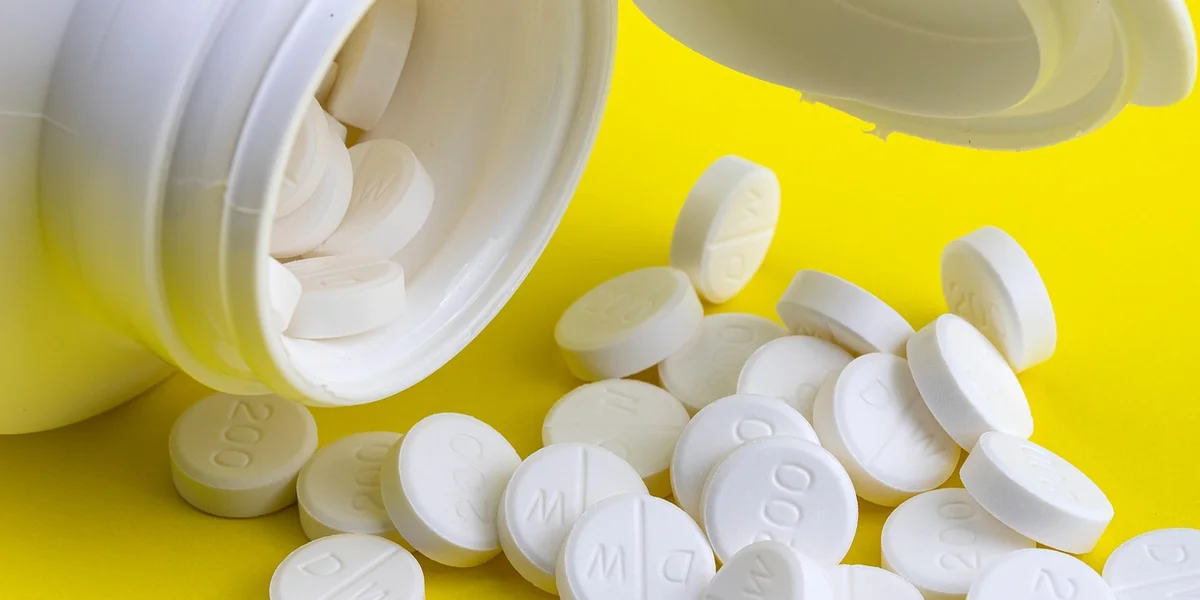
Catching the signs early can make all the difference for your scaly friend. The symptoms can be subtle at first, so you need to be a keen observer of your gecko’s normal behavior and appearance. My crested gecko, Jeter, is normally calm and confident, so if he ever becomes listless, I know something is up immediately.
Behavioral and Physical Symptoms
Your gecko’s body and habits will tell you when something is wrong. Any sudden or gradual shift from their normal routine is a red flag that warrants closer attention. When you know what is normal for your gecko, you can spot abnormal behaviors early. If you notice persistent changes, document them and consult a reptile veterinarian.
- Lethargy and Weakness: A gecko that is usually active but starts spending all its time hiding and seems too weak to climb.
- Loss of Appetite: A sudden refusal to eat, especially in a typically food-motivated gecko like my Day Gecko, Babe.
- Swelling: Noticeable puffiness around the neck, jawline, or eyes, which can be a sign of Vitamin A toxicity.
- Shedding Difficulties (Dysecdysis): Incomplete, stuck sheds, especially around the toes and eyes, which can lead to infection and loss of digits.
- Tremors or Twitching: Uncontrolled muscle spasms can indicate neurological issues related to a severe imbalance.
- Weight Loss: A prominent spine or hip bones appearing due to a combination of appetite loss and illness.
If you notice even one of these symptoms, the safest course of action is to immediately stop all supplementation and schedule a visit with a reptile-savvy veterinarian. They can provide a proper diagnosis and treatment plan, which is far better than trying to guess at home.
Most Common Vitamins for Overdose
In my years of caring for my crew, I’ve learned that more is not always better. Two vitamins, in particular, are the usual suspects when it comes to accidental overdose.
Risks of Vitamin A Toxicity
Vitamin A is a tricky one. A deficiency can cause serious eye and skin issues, but too much is just as dangerous. Hypervitaminosis A, or Vitamin A toxicity, can cause severe skin shedding problems and even liver damage. I learned this the hard way with one of my first geckos, who started having trouble shedding his toes.
You might notice these signs of trouble:
- Loss of appetite and lethargy
- Swollen eyelids or difficulty opening eyes
- Patches of stuck shed, especially on the toes and face
- Unexpected weight loss
Risks of Vitamin D3 and Calcium Imbalance
This trio—Vitamin D3, calcium, and phosphorus—needs to be in perfect harmony. D3 helps your gecko use calcium, but too much D3 can lead to a condition called hypercalcemia. Essentially, their body starts depositing calcium in soft tissues where it doesn’t belong, like the heart and kidneys. This is a slow, silent killer. Understanding the difference between calcium with D3 and calcium without D3 is part of getting this balance right. If your gecko has adequate UVB exposure, calcium without D3 may be sufficient; otherwise a D3-containing supplement may be needed, used carefully to avoid overdose.
Watch for these warning signs of a D3 or calcium imbalance:
- Lumps or hard masses felt along the jaw or in the abdomen
- Loss of coordination or weakness in the legs
- Decreased appetite and increased thirst
- In severe cases, seizures
How Over-Supplementation Happens
Most owners don’t mean to harm their pets. Over-supplementation usually creeps in through a few common, well-intentioned mistakes.
Supplementation Pitfalls to Watch For
After talking to many vets and fellow breeders, I’ve seen the same patterns repeat. The biggest mistake is “double-dipping” by using multiple supplemented products at once. You might not even realize you’re doing it.
Here are the most frequent pitfalls I’ve encountered:
- Gut-Loading AND Dusting: Feeding your crickets a high-calcium gut-load food and then also dusting them heavily with a calcium+D3 powder.
- Using a UVB Light Incorrectly: Providing a strong UVB light (which helps them produce D3) while also using a high-D3 supplement. You often need to choose one method or the other and adjust supplements accordingly.
- The “Just in Case” Dusting: Heavily dusting every single insect, every single feeding, without a break. A lighter, rotational schedule is almost always safer.
- Mixing Supplement Brands Blindly: Different brands have vastly different potencies. Switching brands without checking the new label’s instructions can quickly lead to an overdose.
My simple rule of thumb now is to create a weekly schedule. I stick to a plan of plain calcium some days, a multivitamin on others, and always have a pure calcium dish available in the terrarium at all times. This prevents guesswork and keeps my geckos, like the ever-particular A-Rod, from getting too much of a good thing.
Diagnosis and Treatment of Vitamin Overdose
Watching one of my geckos, Babe, become lethargic and lose his famous appetite was my first real scare with over-supplementation. Recognizing the signs early is your best defense against serious harm. The symptoms can be subtle at first, so you must be a dedicated observer.
Symptoms to Watch For
Your gecko’s body will send you clear signals that something is wrong. Look for these common signs of vitamin overdose:
- Lethargy and unusual lack of movement
- Loss of appetite or refusing food entirely
- Tremors, shakes, or difficulty coordinating movement
- Swollen joints or limbs, which can indicate gout
- Visible lumps or bumps under the skin from mineral deposits
With Babe, the lethargy and a slight tremor in his front legs were our red flags. If you notice any of these symptoms, your immediate action should be to stop all supplementation. Remove the vitamin-dusted insects from their diet right away.
Seeking Professional Help
Do not try to diagnose and treat this condition alone. An experienced reptile veterinarian is your gecko’s greatest ally in a potential overdose situation. They can perform blood tests to check calcium and vitamin levels and take X-rays to look for internal mineralizations.
Treatment depends on the severity but often involves fluid therapy to help flush the system and medications to manage pain and inflammation. In Babe’s case, a course of fluids and a strict, supplement-free diet for several weeks was the prescription that worked. Recovery is possible with swift, professional care.
Preventing Over-Supplementation
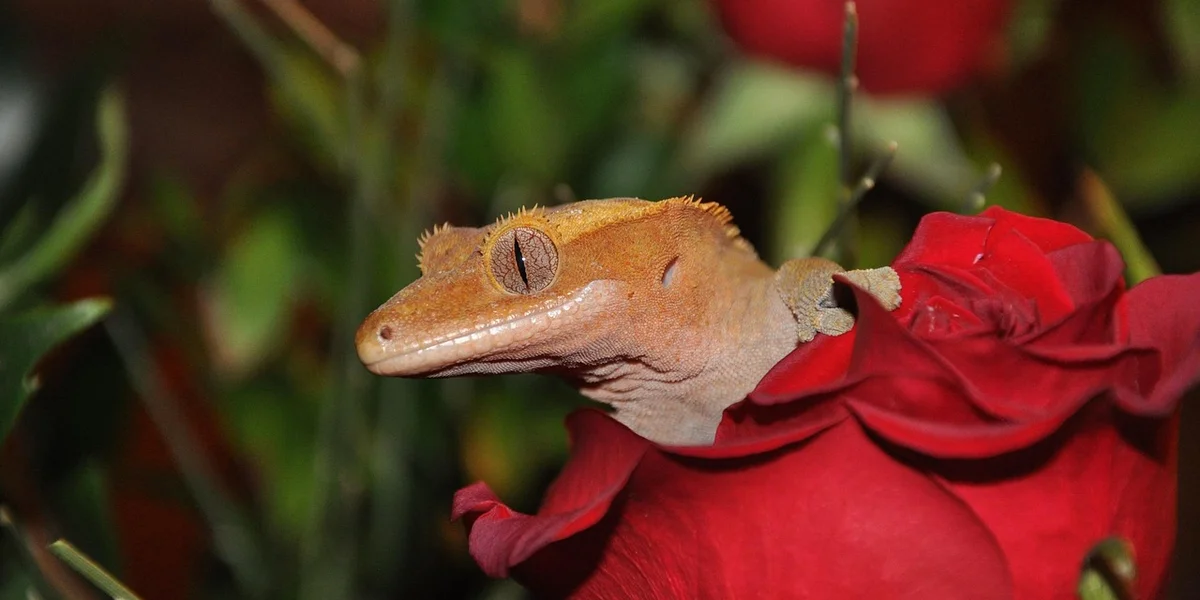
After our scare, I completely overhauled my supplement strategy. Prevention is far easier and less stressful than treatment. A consistent, simple routine is the ultimate key to your gecko’s long-term health. This routine helps prevent common issues like metabolic bone disease and dehydration that pet geckos often face. Regular preventive care keeps them healthier and happier overall.
Building a Balanced Supplementation Plan
Confusion often leads to over-supplementing. You don’t need a cabinet full of a dozen different powders. I keep it simple with just two supplements: a pure calcium and a quality calcium-with-D3 mix. I gave away all the other fancy bottles.
Here is the straightforward schedule I follow for my adult leopard geckos, which you can adapt for your species:
| Feeding Day | Supplement Used | Notes |
|---|---|---|
| Monday | Calcium with D3 | A light dusting on all insects. |
| Wednesday | Plain Calcium | Always available in a small dish inside the terrarium. |
| Friday | Plain Calcium | A light dusting on insects; they self-regulate from the dish. |
The most crucial part of this plan is the dish of plain calcium left in the habitat at all times. Setting up a calcium dish is a quick, essential step when you prepare your gecko’s enclosure. Having it in place ensures your gecko can regulate calcium intake as needed. Geckos are excellent at self-regulating their calcium intake when given the option. My gecko Jeter will often lick from his calcium dish right after eating, which is perfectly normal and healthy behavior.
For insect gut-loading, I use fresh, vitamin-rich vegetables like sweet potato and leafy greens 24 hours before feeding. A well-fed insect is the first and most important supplement your gecko will ever get. This natural method provides a wider range of nutrients without the risk of overdose from powders. For a truly balanced gecko diet, I rotate among different gut-loaded feeder insects to provide a broader nutrient spectrum rather than relying on a single species.
Stick to this simple plan, observe your gecko, and you will provide all the nutrients they need without the dangerous guesswork. Your vigilance is what keeps them safe, healthy, and thriving in your care.
Species-Specific Risks and Dietary Factors
Not all geckos process vitamins the same way. Their specific biology and natural diet create vastly different nutritional needs and risks. What keeps one species thriving can send another to the vet.
Tailoring Care to Your Gecko’s Type
I learned this the hard way with my first gecko, Griffey. I assumed all supplements were created equal. I was wrong. You must match your supplement strategy to your gecko’s species.
Insect-Eating Geckos (Leopard & Fat-Tailed)
These geckos, like my Griffey and A-Rod, get all their nutrition from live insects. This makes your dusting routine absolutely critical.
- Primary Risk: Hypervitaminosis D3 and Vitamin A Toxicity. Their bodies store fat-soluble vitamins, and over-supplementing leads to dangerous buildup.
- Watch For: Lethargy, loss of appetite, and kidney damage over time.
- My Routine: I dust feeders with a pure calcium powder (no D3) at most feedings. I then use a high-quality multivitamin with pre-formed Vitamin A (retinol) and a low dose of D3 only once a week.
Fruit & Diet-Powder Geckos (Crested & Gargoyle)
My geckos Jeter and Mookie live primarily on a commercial Crested Gecko Diet (CGD). This changes everything.
- Primary Risk: Double-Dosing. Most high-quality CGDs are already completely balanced and loaded with vitamins. Dusting their insects on top of this is often overkill.
- My Strategy: I rarely supplement my cresties or gargoyles. When I offer insects as a treat, I might give them a very light dusting of calcium, but I skip the multivitamin entirely. Their CGD has them covered.
Key Dietary Factors You Control
Beyond species, your daily choices directly impact vitamin safety.
- Feeder Insect Gut-Loading: What your insects eat, your gecko eats. I feed my crickets and roaches high-quality gut-load food for 24-48 hours before feeding. This packs them with natural nutrients, reducing the need for heavy-handed dusting.
- UVB Lighting: Providing a low-level UVB light allows geckos like leopard geckos to synthesize their own Vitamin D3 naturally. This can let you use a plain calcium supplement more often, minimizing the risk of D3 overdose from powders.
- Observe and Adjust: A gecko’s needs change. A growing juvenile or a gravid female has higher demands. A lazy adult like my Babe needs less. There is no single perfect schedule; you must watch your gecko’s condition and adjust.
FAQs
Can calcium supplementation lead to vitamin overdose in geckos?
Yes, if calcium supplements contain added vitamins like D3, overuse can cause vitamin overdose and related health issues.
Are there differences in overdose risk between gecko species?
Yes, insect-eating geckos like Leopard geckos face higher risks for fat-soluble vitamin overdose than species on complete powdered diets. This connects to the broader topic of gecko diet nutrition myths and the 9 misconceptions that cause health issues. By identifying these myths, owners can avoid common feeding pitfalls and keep their geckos healthy.
What dietary factors contribute to vitamin overdose in geckos?
Factors include over-gut-loading insects with vitamin-rich foods and combining multiple supplemented products without adjustment.
Final Words
Providing the right balance of vitamins is a cornerstone of good gecko husbandry. Stick to a proven supplement schedule, always gut-load your feeder insects, and pay close attention to the specific needs of your gecko’s species. When in doubt, less is often more, and a high-quality, varied diet—even diversifying the diet with different feeder insects—is your best foundation for health.
Your gecko relies entirely on you for its wellbeing. Commit to being an observant and proactive owner by staying curious, asking questions, and never stopping your education in reptile care. Your dedication is what turns a simple pet into a thriving, living, breathing little life. In our complete guide to understanding gecko behavior and temperament, you’ll learn to read signals and support your gecko’s unique personality. This knowledge helps you build trust and respond with care.
Further Reading & Sources
- Can D3 overdose? | Gecko Forums
- Guide To Leopard Gecko Vitamins
- Leopard Gecko Calcium, Vitamins: What Supplements to Use?
The Gecko Guide is your ultimate resource for gecko enthusiasts, providing expert advice and practical tips to ensure the health and happiness of your scaly companions. Alexander is a passionate gecko owner with over a decade of experience in reptile care. We are dedicated to offering accurate, up-to-date information to support your gecko journey.Our mission is to foster a community of responsible gecko owners who are passionate about the well-being of these fascinating creatures.
Supplements