
Gecko Diet & Nutrition Myths: 9 Misconceptions That Can Cause Health Issues
Published on: March 15, 2026 | Last Updated: March 15, 2026
Written By: Alexander 'Gecko Geek' Johnson
Are you worried that a simple mistake in your gecko’s diet could lead to serious health problems? I’ve been there. When I first started keeping geckos, the conflicting advice online was overwhelming, and it nearly cost one of my cresteds a serious vitamin deficiency.
Let me help you cut through the noise. In this guide, I’ll help you separate gecko feeding facts from dangerous fiction by covering three key areas:
- The real truth about staple feeder insects and dangerous “treats.”
- How to correctly use calcium and vitamin supplements to prevent Metabolic Bone Disease.
- Simple, effective feeding schedules tailored to different gecko species.
You will get clear, direct advice based on my years of experience and established reptile care science. We will tackle these nine specific myths head-on: Myth 1: All Insects Are Equal, Myth 2: Fruit is a Great Staple for All Geckos, Myth 3: You Can’t Over-Supplement with Calcium, Myth 4: Geckos Can Thrive on Pellets Alone, Myth 5: They Will Stop Eating When They Are Full, Myth 6: Water Dishes Are Optional, Myth 7: All Gecko Species Have the Same Diet, Myth 8: Baby and Adult Geckos Eat the Same Food, Myth 9: A Hungry Gecko is a Healthy Gecko.
Myths About Insect Diets and Prey Selection
One of the most dangerous assumptions I see is that any crawling insect is fair game for your gecko. Feeding random house bugs or garden pests is a huge gamble with your pet’s health, as they can carry pesticides, parasites, or diseases. I learned this the hard way early on when a well-meaning friend offered a cricket from their garden; my gecko was fine, but the risk of poisoning is far too real. Always choose safe, commercially raised feeder insects and never feed your gecko wild-caught insects. Wild insects can carry pesticides, parasites, or toxins, so verify the source or skip them entirely.
Not All Geckos Eat The Same Things
What’s on the menu depends entirely on your gecko’s species. Getting this wrong can lead to malnutrition or digestive issues.
- Leopard Geckos & African Fat-Tails: These are pure insectivores. Their diet should be a staple of gut-loaded crickets and dubia roaches, with mealworms and other bugs as variety.
- Crested Geckos & Gargoyle Geckos: These are omnivores! They thrive on a commercially prepared crested gecko diet (CGD) paste. Insects are a supplemental treat, not their main course.
The Good, The Bad, and The Fatty: Insect Warnings
Not all feeder insects are created equal. Some should be handled with extreme care.
- Waxworms: Think of these as gecko candy. They are highly addictive and very fatty. I only use waxworms as a very rare treat for a gecko that needs to gain weight, as overuse can lead to obesity and liver problems.
- Mealworms: These are a good staple, but their hard chitin shell can be tough to digest for some geckos. Always offer them in a shallow dish so they can’t burrow and stress your pet.
- Roach Options: Dubia roaches are a fantastic, nutritious feeder. They are less smelly than crickets and can’t climb smooth surfaces, making them easy to contain.
Gut-Loading: You Are What Your Food Eats
Gut-loading is not an optional step; it’s fundamental to good nutrition. Feeding a nutrient-empty insect to your gecko is like serving them an empty calorie meal. For 24-48 hours before feeding, I give my feeder insects a nutritious salad of carrots, sweet potato, and high-quality commercial gut-load food. This packs the insects with vitamins that then get passed directly to your gecko.
Misconceptions on Supplementation and Vitamins
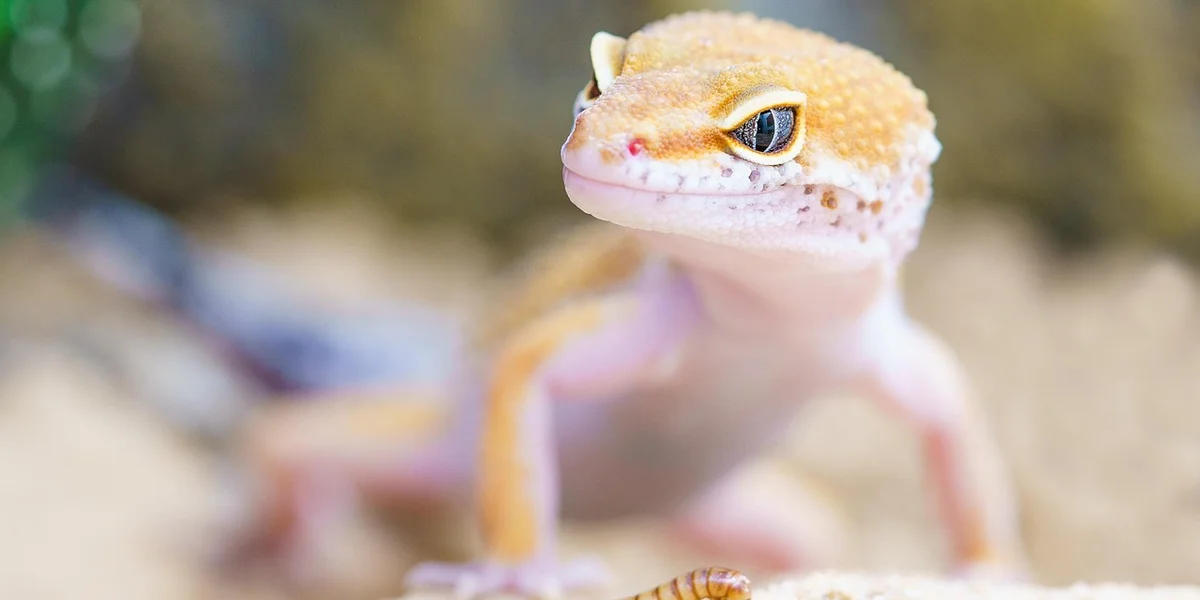
I often hear new owners say, “In the wild, they don’t get supplements.” This is a myth that can have devastating consequences. Captive geckos cannot replicate the varied diet and sun exposure of their wild counterparts, making supplementation non-negotiable for their health. Look for signs of nutritional deficiencies to know when supplementation is needed. Common indicators include poor shedding, lethargy, weight loss, and reduced appetite.
The Critical Role of Calcium and D3
Calcium is the building block for strong bones, but without Vitamin D3, your gecko can’t absorb it. This leads to Metabolic Bone Disease (MBD), a painful and crippling condition.
- Calcium with D3: Use this if you do not have a UVB light. The D3 acts as a substitute for what they’d make from sunlight.
- Calcium without D3: Use this if you are providing a proper UVB light, as your gecko will synthesize its own D3.
- Multivitamin: A reptile-specific multivitamin is essential for filling all other nutritional gaps. I use one that includes Vitamin A, which is crucial for eye and skin health.
UVB Lighting: Your Secret Weapon
Think of a UVB light as a gecko sunshine supplement. Providing low-level UVB lighting for species like leopard geckos allows them to naturally produce their own Vitamin D3, which gives you more flexibility with supplementation. It promotes natural behaviors and overall well-being. Just ensure the bulb is the correct strength and replaced every 6-12 months.
How to Dust Insects Properly
The technique matters. A light sprinkle isn’t enough, but a powdered donut isn’t good either.
- Place the insects in a plastic bag or a dedicated dusting cup.
- Add a small pinch of your supplement powder.
- Gently shake until the insects are lightly but evenly coated-they should look like they’ve been kissed by powder, not buried in it.
Avoiding calcium deficiency is simple: establish a consistent dusting schedule and stick to it for every single feeding.
My Personal Supplementation Mistake
I once assumed a good multivitamin covered all my bases. I was wrong. I wasn’t providing enough pure calcium, and one of my first leopard geckos, Griffey, started showing slight tremors. It was a terrifying wake-up call that sent me straight to the vet and forced me to completely relearn my dusting routine. We fixed it with immediate calcium injections and a strict new supplement schedule. I now keep a feeding chart on the fridge to track exactly what I’ve dusted with each meal.
Feeding Frequency and Prey Size Errors
One of the most persistent myths I hear is that you can feed an adult gecko the same way you feed a baby. This is a fast track to serious health problems, and I learned this the hard way with my first gecko. A growing baby is a metabolic furnace, while a full-grown adult is more like a cozy fireplace. They have vastly different fuel requirements.
Why Feeding Frequency Absolutely Matters
Think of a baby gecko like a toddler-they need constant energy to grow. An adult is more like a settled adult; they maintain their weight. Overfeeding a mature gecko is a primary cause of fatty liver disease and life-shortening obesity. I had to adjust Griffey’s diet as he matured, cutting back from daily feedings to a maintainance schedule to keep him sleek and healthy.
The Golden Rule of Prey Size
This is non-negotiable for safety. The prey item should never be wider than the space between your gecko’s eyes. Offering a cricket or worm that’s too large is a direct choking hazard and can cause painful impaction. I always err on the side of smaller prey. Watching my gecko Babe try to tackle an oversized worm was a scary lesson I won’t forget.
Health Issues from Improper Feeding
- Constipation & Impaction: Caused by prey that is too large, too many hard-shelled insects, or low terrarium temperatures that prevent proper digestion.
- Diarrhea: Often the result of feeding too many fatty worms like waxworms or an overall feeding frequency that overwhelms their system.
- Obesity: A direct consequence of daily feedings for adult geckos and a diet high in fat, leading to joint stress and organ failure.
Simple Gecko Feeding Schedule
| Gecko Age | Feeding Frequency | Number of Prey Items |
|---|---|---|
| Baby (0-4 months) | Daily | As many as they can eat in 10 minutes |
| Juvenile (4-10 months) | Every other day | 8-10 appropriately sized insects |
| Adult (10+ months) | 2-3 times per week | 6-8 appropriately sized insects |
Hydration, Humidity, and Digestive Health Myths
Many owners believe that if a gecko has a water bowl, hydration is handled. This is a dangerous oversimplification. Geckos absorb water and manage their hydration in ways that aren’t always obvious, and diet plays a huge role. These nuances highlight the common hydration mistakes new gecko owners make when they rely on a bowl alone. My crested gecko, Jeter, gets most of his water by licking droplets from leaves after I mist his tank.
Dispelling the “Water Bowl is Enough” Myth
While a clean water bowl is essential, it’s often not the primary way geckos drink. Many species, especially crested and gargoyle geckos, are lickers who prefer to drink water droplets from surfaces. This is why proper humidity and misting are not optional extras-they are part of their drinking fountain.
The Shedding and Digestion Connection
Inadequate humidity is the number one cause of bad sheds. When the air is too dry, the skin doesn’t come off in one piece. Leftover skin, especially on toes and the tip of the tail, can constrict blood flow and lead to loss of the appendage. Furthermore, a dehydrated gecko cannot properly digest its food, leading to the impaction and constipation we talked about earlier.
How Your Gecko’s Diet Provides Hydration
This is a game-changer for many owners. The insects you feed are a water source! “Gut-loading” your feeder insects with water-rich veggies like cucumber and zucchini directly hydrates your gecko from the inside out. A diet of only dry, nutrient-poor feeders is like eating crackers all day-it will dehydrate them. I also offer Repashy grub pie gel food to my geckos; its high moisture content is a fantastic hydration booster.
Creating a Humidity-Friendly Environment
- Mist Smartly: Use a spray bottle to mist the terrarium walls and decor (not the gecko directly) in the evening to simulate dew. Let the enclosure dry out almost completely between mistings.
- Provide a Humid Hide: This is a critical must-have. Place a small hide box filled with damp sphagnum moss or paper towel on the warm side of the tank. This gives your gecko a personal spa for perfect sheds.
- Choose Substrate Wisely: Paper towel is safe and easy, but for bioactive or natural setups, a moisture-retaining substrate like coconut fiber can help maintain ambient humidity.
- Monitor with a Hygrometer: Don’t guess. A simple, cheap hygrometer will tell you the exact humidity level so you can adjust your misting routine accordingly. I aim for a spike of 70-80% during misting, dropping to 50% the rest of the day for my tropical species.
Species-Specific Diet Confusions
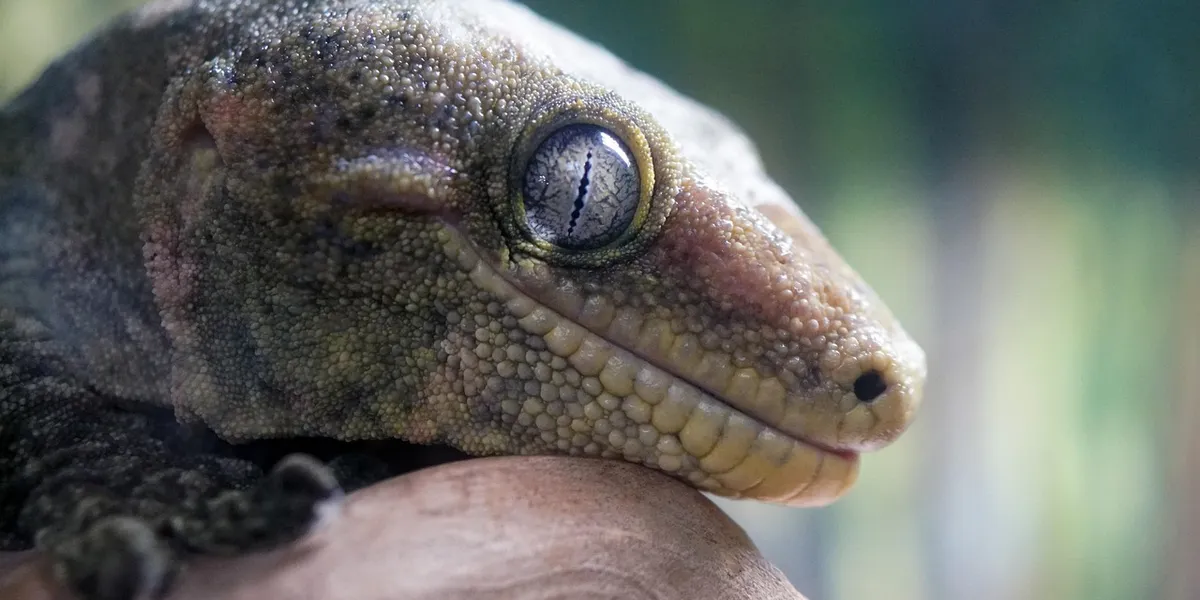
Many new gecko owners assume all species thrive on the same insect-heavy menu, but that’s like saying every athlete performs best on identical training regimens. Each gecko species has evolved with unique dietary needs, and ignoring this can lead to serious health declines. I learned this firsthand when I first got Griffey, my leopard gecko, and Jeter, my crested gecko-their feeding routines couldn’t be more different.
- Leopard geckos like Griffey are strict insectivores, requiring live prey like crickets or mealworms dusted with calcium powder to support their bone health.
- Crested geckos such as Jeter do well on commercial fruit-based diets but still benefit from occasional insects for protein variety.
- African fat-tailed geckos, like A-Rod, need higher humidity and may prefer softer insects like waxworms, but overfeeding can cause obesity.
- Gargoyle geckos, similar to Mookie, enjoy climbing and benefit from a mix of insects and prepared diets to mimic their natural foraging.
- Giant day geckos like Babe have fast metabolisms and require frequent, small meals of insects and fruit nectars to maintain energy.
Supplementation varies wildly too—leopard geckos need calcium with D3 if they lack UVB light, while crested geckos often get enough from their balanced diets. In practice, crested geckos typically don’t require calcium with D3 as long as their diet provides adequate calcium. This difference is exactly why species-specific nutrition matters. Tailoring nutrition to your gecko’s species prevents common pitfalls like malnutrition or digestive stress. When I adjusted Mookie’s diet to include more climbing-friendly insects, his playful leaps became more controlled and energetic.
How Myths Lead to Common Gecko Health Issues
Believing myths like “all geckos eat the same” directly fuels health crises I’ve seen in my own pets. Calcium deficiency, for instance, can cause metabolic bone disease, leaving geckos with weak, twisted limbs and difficulty moving. Griffey once showed slight lethargy and shaky movements until I corrected his calcium dusting routine-now he basks proudly without issues. These are common health problems many pet geckos experience, and they’re largely preventable with proper care. By providing a balanced diet, correct calcium supplementation, adequate UVB exposure, and a clean habitat, you can minimize these risks.
- Obesity stems from overfeeding high-fat insects to species like crested geckos, leading to joint strain and shortened lifespans.
- Poor shedding often results from inadequate hydration or vitamins, making skin stick and raising infection risks.
- Lethargy and weight loss can signal protein deficits in insectivorous geckos, while fruit-heavy diets lacking variety cause nutrient gaps.
I recall a scare with A-Rod, who became unusually reclusive and stopped eating; it turned out his insect variety was too limited, causing stress. Switching to gut-loaded crickets and rotating his prey brought back his alert, territorial demeanor within weeks. Watch for subtle signs like changes in appetite or activity-these often hint at underlying diet problems.
Proactive care means observing your gecko daily and scheduling regular vet check-ups to catch issues early. Simple adjustments, like varying insects or tweaking supplements, can transform your gecko’s health and vitality. After all, a well-fed gecko isn’t just surviving-it’s thriving, much like Babe chubby-tailed and content after a balanced meal.
FAQs
Can I use a calcium block in my gecko’s enclosure instead of dusting insects?
Calcium blocks are not a reliable replacement for dusting insects, as geckos may not ingest enough to prevent deficiencies like Metabolic Bone Disease.
What are the signs that my gecko is not getting enough hydration?
Dehydration in geckos can cause wrinkled skin, lethargy, and stuck shed, which often results from inadequate misting or a lack of water-rich foods.
How can I encourage a picky gecko to eat its food?
Offer a variety of gut-loaded insects, ensure proper terrarium temperatures for digestion, and minimize stress by handling your gecko less around feeding times. These steps help calm a stressed gecko and represent effective techniques and environmental fixes.
Final Thoughts
The most important lesson is to stick with proven, species-specific foods and proper supplementation. Avoid the myths about cat food, lettuce, or wild insects that can introduce parasites and cause serious nutritional deficiencies in your gecko. By avoiding these missteps, you can prevent the 9 common gecko feeding mistakes that compromise health. In the following sections, we’ll outline each mistake and how to avoid it.
Your gecko’s health is a direct reflection of the care you provide. I encourage you to keep learning from reputable breeders and scientific sources, because providing a proper diet is one of the most fundamental ways we can ensure our pets thrive. When considering freshly prepared diets versus live insects, understanding the nutritional breakdown helps you choose options that balance calcium, vitamins, and protein. This knowledge lets you tailor meals to your gecko’s life stage and health needs.
Further Reading & Sources
- The Shocking Truth About Geckos – Geckopia
- What Do Geckos Eat? 12 Foods in Their Diet – A-Z Animals
- r/leopardgeckosadvanced on Reddit: More natural diet?
The Gecko Guide is your ultimate resource for gecko enthusiasts, providing expert advice and practical tips to ensure the health and happiness of your scaly companions. Alexander is a passionate gecko owner with over a decade of experience in reptile care. We are dedicated to offering accurate, up-to-date information to support your gecko journey.Our mission is to foster a community of responsible gecko owners who are passionate about the well-being of these fascinating creatures.
Gecko Nutrition & Feeding