
Help! My Gecko Won’t Eat: 10 Proven Fixes for Picky Eaters
Published on: February 9, 2026 | Last Updated: February 9, 2026
Written By: Alexander 'Gecko Geek' Johnson
Is your gecko turning its nose up at every insect you offer, leaving you worried and frustrated? I’ve been there, staring into a terrarium with a full bowl of uneaten crickets, my heart sinking. It’s a scary feeling, but you are not alone.
I’ve raised many geckos over the years, from my high-energy leopard gecko Griffey to my calm crested gecko Jeter, and I’ve learned that a food strike is often a puzzle we can solve. This guide will give you clear, actionable steps to get your pet back on track.
We’ll cover the three most critical areas to check first:
- Identifying the root cause of the refusal, from stress to illness.
- Creating a perfect feeding environment that encourages natural hunting instincts.
- Knowing when it’s time to consult a reptile veterinarian.
You will get straightforward, step-by-step advice you can use tonight. The 10 strategies we’re covering are: assessing the environment, checking temperatures, varying the diet, trying different feeders, adjusting feeding times, using food movement, evaluating supplements, ensuring proper hydration, monitoring health signs, and knowing when to seek a vet.
Why Geckos Turn Into Picky Eaters
I’ve spent many late nights staring into a terrarium, wondering why my gecko, Jeter, suddenly decided his favorite roaches were now public enemy number one. Geckos don’t become picky to annoy us; there’s always a logical, often environmental, reason behind their food strike. Understanding the ‘why’ is your first step to solving the problem.
Dietary Boredom is a Real Thing
Imagine eating plain chicken breast for every single meal. You’d get bored, right? Your gecko feels the same. Offering the same type of insect, meal after meal, is a top cause of pickiness.
- Lack of Variety: A diet of only crickets or only mealworms lacks sensory excitement.
- Monotony: The same taste, texture, and movement pattern becomes predictable and uninteresting.
Their Environment is Stressing Them Out
Geckos are creatures of habit and subtle changes can ruin their appetite. My gecko A-Rod once went on a hunger strike for three days after I simply moved a fake plant.
- Incorrect Temperature: If their belly is too cold, they can’t digest properly and will stop eating.
- Poor Hiding Spots: They need secure, dark places to feel safe enough to eat.
- Too Much Handling: Handling right before a feeding can cause stress that overrides their hunger.
It Could Be Their Age or The Season
Sometimes, it’s not you, it’s them. Their bodies and instincts are driving their behavior.
- Juveniles vs. Adults: Growing babies are often voracious eaters, while healthy adults may naturally eat less frequently.
- Breeding Season: Hormonal changes can cause a temporary drop in appetite for both males and females.
- Winter Slowdown: Even in a controlled tank, some geckos instinctively eat less during the cooler, shorter days of winter.
How to Tell If Your Gecko Is Picky or Unwell
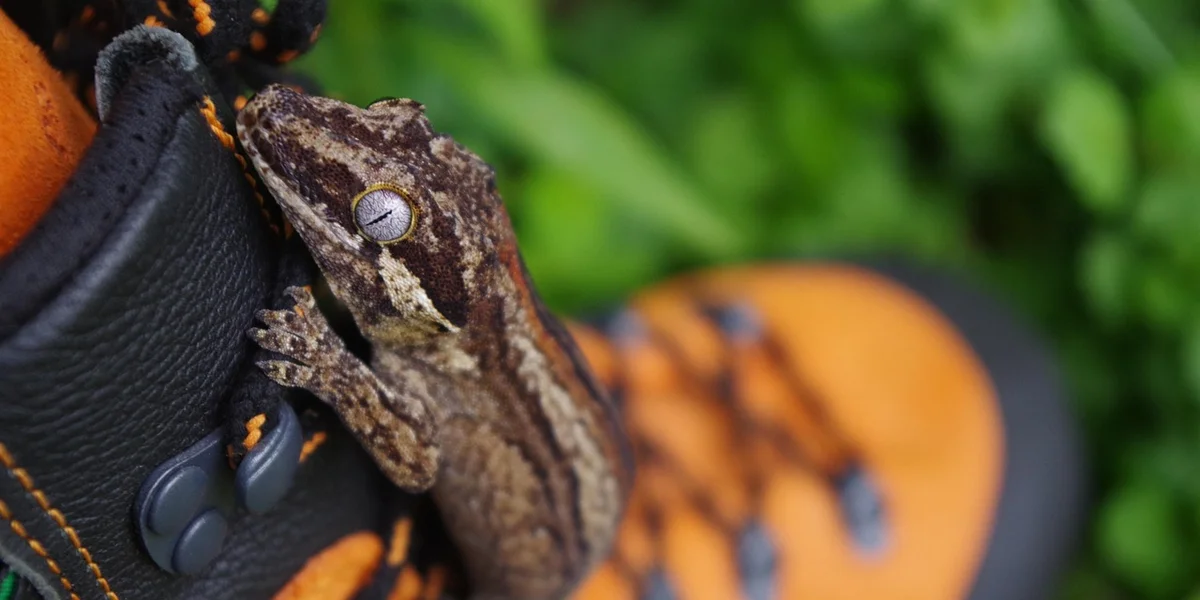
This is the most critical distinction for any owner to make. A picky gecko is a behavioral challenge; a sick gecko is a veterinary emergency. Knowing the difference could literally save your pet’s life. I learned this the hard way with my first gecko, and now I watch for these key signs.
Key Differences at a Glance
| Picky Eater | Unwell Gecko |
|---|---|
| Shows interest in food (may watch, stalk, then refuse it) | Shows zero interest in food or feeder movement |
| Maintains a healthy body weight and tail fat reserves | Has visible weight loss, a thin or shrunken tail, or sunken eyes |
| Is active, alert, and behaves normally between feedings | Is lethargic, sleeps excessively, or is unresponsive |
| Drinks water normally and has regular, well-formed droppings | Has runny, discolored, or infrequent droppings |
Your Action Plan for Assessment
If you’re worried, don’t panic. Run through this quick checklist.
- Check the Tail: The tail is their fat storage. A plump, rounded tail means they have reserves. A thin, bony, or wrinkled tail is a major red flag.
- Observe Their Energy: A picky gecko will still explore, climb, and be “them.” A sick gecko often just sits in one spot, looking dull.
- Review the Habitat: Use a digital thermometer to double-check the warm side and cool side temperatures. Feel the substrate for proper dryness.
- Look for Physical Symptoms: Check for stuck shed (especially on toes), mucus around the nose or mouth, or any limb swelling.
When in doubt, always, always err on the side of caution and contact a qualified reptile veterinarian. It’s better to get a clean bill of health than to miss a serious, developing condition. Your gecko’s welfare depends on your vigilant observation. Keep an eye out for signs that your gecko needs to see a veterinarian immediately. If you notice sudden lethargy, a loss of appetite, labored breathing, or swelling, seek care promptly.
10 Actionable Strategies for Picky Gecko Feeding
Rotate Feeder Insects for Novelty
Just like you wouldn’t want to eat the same meal every single day, your gecko gets bored too. I rotate between crickets, dubia roaches, and black soldier fly larvae for my crew. Offering a new insect every few days can spark their hunting interest and prevent food fatigue. Griffey, my leopard gecko, will often ignore crickets one week but pounce on them with gusto the next after a break.
Master the Art of Gut-Loading
Gut-loading means feeding your feeder insects a nutritious diet 24-48 hours before offering them to your gecko. This turns the insect into a vitamin-packed meal. A well-gut-loaded cricket is far more enticing and nutritious than a starving one. I use a mix of high-quality commercial gut-load food, fresh carrots, and leafy greens. The difference in my geckos’ health and appetite was noticeable within weeks.
Use Supplement Dusts the Right Way
Dusting is not just a light sprinkle; it’s about creating a “lightly powdered” insect. You want the insect to look like a tiny ghost. Over-dusting can put your gecko off its food, while under-dusting misses the nutritional point. I use a light calcium dust at most feedings and a multivitamin powder once or twice a week. For my picky eaters, I sometimes dust only every other insect to make the first few bites less “chalky.”
Adjust Feeding Schedules Flexibly
Sticking rigidly to a schedule can backfire. Some geckos are morning hunters, others are night owls. Geckos can be nocturnal, diurnal, or somewhere in between. Understanding these rhythms helps you time feeding and enrichment. Watch your gecko’s behavior-if they are active and alert, that’s the perfect time to offer food. My crested gecko, Jeter, prefers to eat just as the lights go out, while my leopard gecko is ready for dinner by late afternoon. Be willing to experiment.
Create a Stress-Free Feeding Zone
Loud noises, vibrations, or even your shadow looming over the terrarium can cause stress. I feed my more skittish geckos in the evening when the house is calm and I move slowly and deliberately. For A-Rod, my fat-tailed gecko, I even place his food dish in the same spot near his favorite hide every time. Consistency and calm are key.
Offer Live Insects for Stimulation
The wiggling movement of a live insect triggers a gecko’s natural prey drive. A bowl of motionless, pre-killed insects is often far less appealing than the thrill of the hunt. Watching Mookie, my gargoyle gecko, track and leap for a crawling cricket is a clear reminder that live prey provides essential mental and physical stimulation.
Practice Smart Portion Control
Offering too many insects at once can overwhelm a gecko. Start with just two or three appropriately-sized insects and see if they are eaten before offering more. A gecko that isn’t hungry will often ignore a large pile of food. I’ve found that smaller, more frequent offerings can be more successful than one giant meal for a hesitant eater.
Try Different Feeding Methods
Don’t just drop food in a bowl. Try using long, soft-tipped feeding tweezers to make the insect “dance.” Hand-feeding with tweezers can build trust and make mealtime an interactive game. Alternatively, some of my geckos prefer hunting from a flat, shallow dish, while others like to chase insects I release directly onto a branch.
Maintain Hydration Levels
Dehydration is a common, hidden cause of appetite loss. A well-hydrated gecko is a hungry gecko, so always provide a shallow dish of fresh water. I also lightly mist the side of the terrarium glass each evening. Many species, like crested geckos, will lick water droplets off leaves and decor, which is a vital part of their hydration.
Know When to Seek Expert Help
If you’ve tried everything and your gecko is still not eating, or is losing weight, it’s time to call a vet. A sudden, prolonged loss of appetite can be a sign of an underlying health issue like impaction or parasites. I never hesitate to get professional help; it’s a core part of responsible pet ownership and has saved one of my geckos in the past.
Essential Supplements for Stubborn Geckos
When a gecko is a picky eater, every bite needs to count nutritionally. Supplements are non-negotiable for their long-term health. Think of supplements as a crucial insurance policy for your gecko’s skeletal and metabolic health. I’ve seen the devastating effects of Metabolic Bone Disease (MBD) in rescues, and it’s entirely preventable with proper supplementation. However, it’s equally important to avoid over-supplementing, as that can be harmful too.
Plain Calcium Powder
This is your gecko’s daily multivitamin. It should be available in a small, shallow dish inside the enclosure at all times. Geckos are excellent at self-regulating their calcium intake when given free access. My geckos all have a little capful of pure calcium in their tanks, and I see them lick from it regularly, especially after laying eggs.
Calcium with Vitamin D3
Vitamin D3 is essential for calcium absorption. Since most pet geckos don’t get natural, unfiltered sunlight, we must provide D3 in their diet. I use a calcium powder with D3 to lightly dust their insects about three to four times a week. This is especially critical for nocturnal species like leopard geckos that don’t bask under high-output UVB lights. You can read more about calcium and vitamin D3 supplements for leopard geckos to ensure proper care.
Multivitamin Powder
This powder fills in all the other nutritional gaps, providing vitamins like A and E. A good multivitamin supports everything from eye health to skin shedding. I dust my geckos’ feeders with a multivitamin once a week. For a picky eater, ensuring they get these vitamins in the few meals they *do* eat is paramount.
Choosing the Right Brand
Not all supplements are created equal. Stick with reputable, well-established brands made specifically for reptiles, as their vitamin formulations are bioavailable to your pet. I’ve tried a few brands over the years and have settled on one that my geckos have consistently thrived on. Cheap, generic brands can sometimes use forms of vitamins that reptiles cannot properly process.
Building a Consistent Feeding Routine
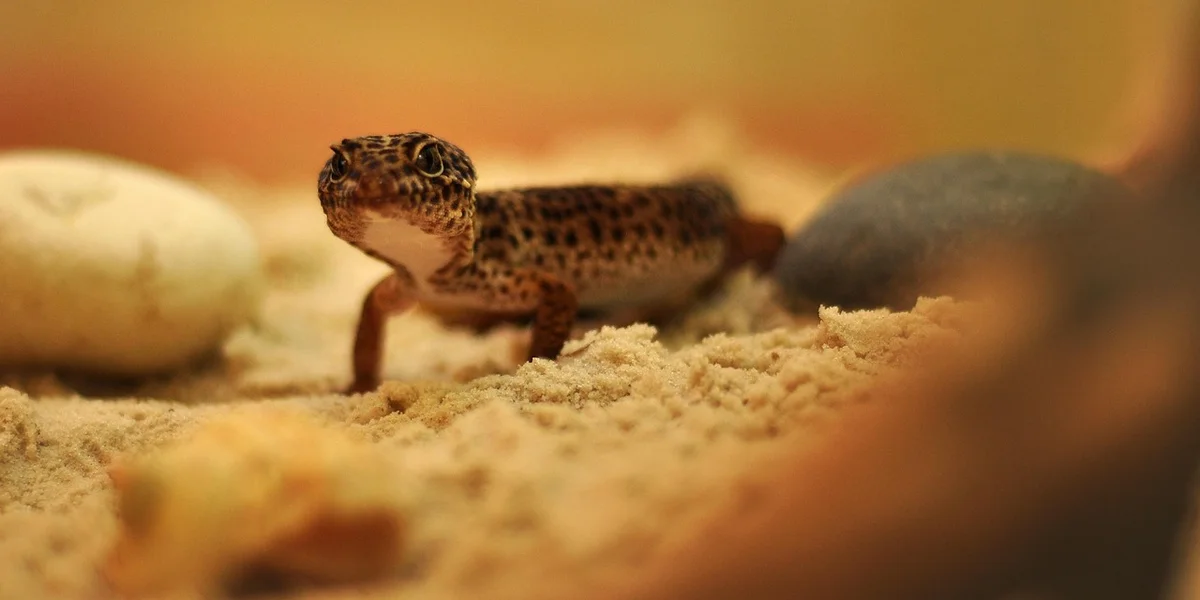
Think of your gecko’s feeding schedule like your own morning coffee ritual—it creates a predictable and comforting pattern. I found that feeding my crew at the same time every evening, right as their main active period begins, completely transformed their feeding response. My leopard gecko, Griffey, now waits by the front of his tank, ready for his meal. For leopard geckos, the best time of day to feed is in the early evening feeding, when they’re most active. Sticking to this window helps keep their hunger cues sharp and supports healthy digestion.
Consistency builds trust and a healthy appetite. Here is the simple routine I follow with all my geckos.
- Set a Strict Schedule: Offer food every other day for juveniles and 2-3 times a week for adults.
- Time it Right: Feed in the evening or early night when they are naturally most alert and hunting.
- Use a Designated Feeding Dish: A shallow, easy-to-clean dish signals “dinner time.” My crested gecko, Jeter, knows his red dish means it’s food, not playtime.
- Limit Feeding Sessions: Leave the food for 15-20 minutes maximum. This prevents live insects from stressing your pet and teaches them to eat when food is available.
- Remove Uneaten Food: Always take out any uneaten insects after the session. This keeps the tank clean and stops crickets from nibbling on your sleeping gecko.
Advanced Tips for Long-Term Success
Once you have the basic routine down, you can level up your gecko’s nutrition game. These next-level strategies address the hidden reasons for picky eating that many owners miss. My gecko A-Rod went from ignoring his food to being a voracious eater once I implemented these changes.
Master the Art of Gut-Loading
You are not just feeding your gecko; you are feeding what your gecko eats. A hungry, nutrient-poor insect is like an empty calorie snack.
- Feed your feeder insects (like crickets or dubia roaches) a high-quality diet of fresh vegetables and commercial gut-load food 24-48 hours before offering them to your gecko.
- I use sweet potato, carrots, and leafy greens for my feeders. The brighter and more vibrant the insects look, the more nutritious they are for your pet.
Become a Temperature Technician
Geckos cannot digest their food properly without the right belly heat. An improper tank temperature is a top cause of lost appetite. These are common gecko feeding problems. Solutions include maintaining proper belly heat and stable tank temperatures.
- Use a digital thermometer to ensure the warm side of the tank has a basking spot of 88-92°F for leopard and fat-tailed geckos.
- For cresties and other arboreal species, the entire tank should be a stable, slightly cooler temperature, but they still need a heat gradient.
- A warm gecko is a hungry gecko. If their belly is cold, they will not eat.
Create a Stress-Free Dining Environment
Imagine trying to eat a meal while feeling exposed and vulnerable. That is your gecko’s life if their tank setup is wrong. A guide to proper gecko tank ventilation explains why airflow is critical for maintaining stable humidity and temperature and for respiratory health. Ensuring good ventilation keeps your gecko comfortable and helps prevent issues caused by stagnant air.
- Provide multiple hides, especially near the feeding area, so they feel secure.
- Place the food dish in a location that is easy to access but not in a wide-open space.
- I noticed my gargoyle gecko, Mookie, started eating more reliably once I moved his feeding ledge behind a large fake plant. He felt hidden and safe.
FAQs
How can I prevent my gecko from becoming a picky eater?
Provide a varied diet from the start and maintain a consistent, stress-free feeding environment to avoid developing finicky habits.
Are there any safe appetite stimulants for geckos?
While there are no specific appetite stimulants, ensuring proper gut-loading of feeder insects and using live prey can naturally encourage eating.
What is the best way to transition a gecko to a new type of food?
Gradually introduce the new feeder insect by mixing it with familiar ones over several feedings to allow your gecko to adjust.
Final Thoughts on Your Gecko’s Diet
Success with a picky gecko boils down to persistence, variety, and a stress-free home. Stick with the proven strategies-from gut-loading feeders to experimenting with different food dishes-and trust that your consistent effort will pay off. A reptile’s appetite can be a fickle thing, but you now have a full toolkit to help coax them back to a healthy feeding routine.
Your dedication to understanding your gecko’s unique needs is the cornerstone of great pet ownership. Keep observing, keep learning, and never hesitate to seek more knowledge; your commitment is what ensures a long, vibrant life for your little lizard friend.
Further Reading & Sources
- How to Take Care of a Leopard Gecko That Won’t Eat: 8 Steps
- How To Deal With Picky Eaters – Leopard Gecko Feeding – OnlineGeckos.com Gecko Breeder
- How to deal with picky eaters/ my gecko stopped eating – Leopard Geckos – MorphMarket Reptile Community
The Gecko Guide is your ultimate resource for gecko enthusiasts, providing expert advice and practical tips to ensure the health and happiness of your scaly companions. Alexander is a passionate gecko owner with over a decade of experience in reptile care. We are dedicated to offering accurate, up-to-date information to support your gecko journey.Our mission is to foster a community of responsible gecko owners who are passionate about the well-being of these fascinating creatures.
Feeding Schedules & Portions