
Safe Feeder Insects for Geckos: A Complete Diet Guide
Published on: March 5, 2026 | Last Updated: March 5, 2026
Written By: Alexander 'Gecko Geek' Johnson
Are you worried that feeding your gecko the same old crickets is getting boring and might not be providing all the nutrients they need for a long, healthy life? You’re right to think about this. A one-bug diet can lead to nutritional gaps and a disinterested pet.
I’ve learned from my own collection that variety is the spice of life-and the cornerstone of excellent gecko health. I will help you expand your gecko’s menu safely and effectively. We will cover:
- The top feeder insects that are safe, nutritious, and loved by geckos.
- How to source and care for these feeders to keep them healthy for your pet.
- Simple steps to create a balanced, rotating feeding schedule.
You will get clear, actionable advice to confidently diversify your gecko’s diet. This guide covers the essential topics: Staple Feeders, Occasional Treats, Dangerous Insects to Avoid, Proper Sourcing, and Gut-Loading Techniques.
Why Your Gecko Thrives on a Varied Insect Diet
Feeding your gecko the same insect every single day is like you eating only chicken for every meal. It gets boring, and more importantly, it misses out on a whole world of nutrition. In my years of caring for everything from energetic Leopard Geckos like Griffey to my bold Giant Day Gecko, Babe, I’ve seen firsthand how a varied menu leads to a visibly healthier, more vibrant pet.
A single feeder insect simply cannot provide the complete spectrum of vitamins, minerals, and fats your gecko needs. Rotating different feeders acts as a natural nutritional insurance policy, preventing subtle deficiencies from ever taking hold. It also encourages natural foraging behaviors, keeping your pet mentally stimulated and engaged with its food.
Think of it this way: crickets are great for exercise, roaches are packed with protein, and soft worms provide hydration. By mixing it up, you are not just filling their belly; you are building a more resilient and thriving animal from the inside out.
The Essential List of 10+ Safe Feeder Insects
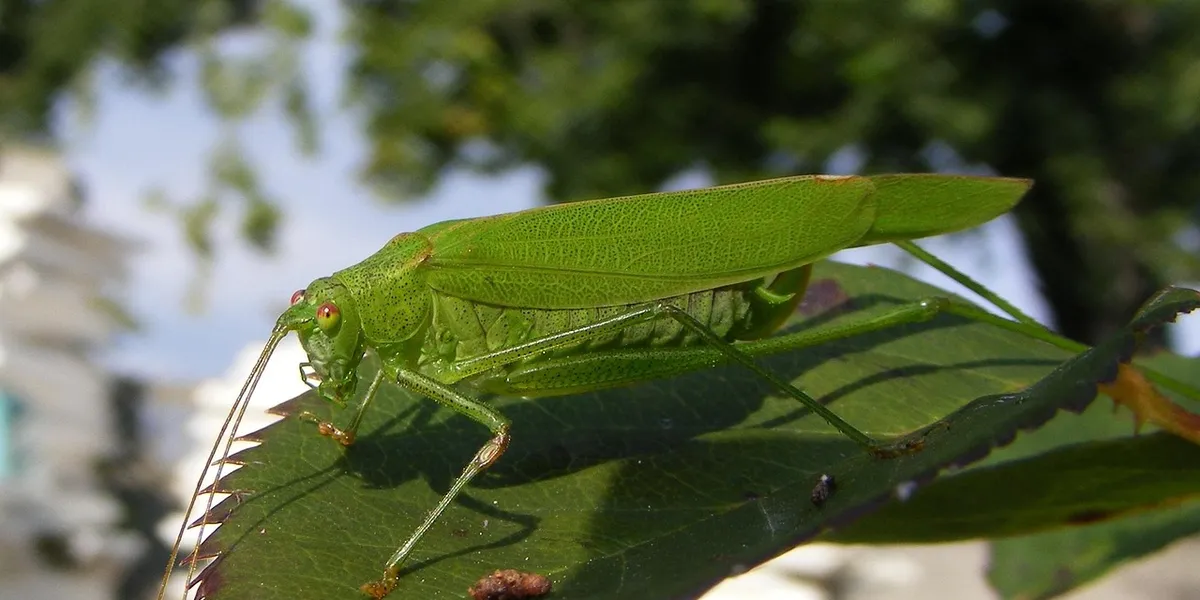
Crickets: The Energetic Staple
These are the classic for a reason. Crickets provide a good protein base and their quick movements trigger your gecko’s natural hunting instincts. My Leopard Gecko, Griffey, will do a full-on predator pounce for a lively cricket. This setup helps encourage natural foraging behavior in your gecko. It also keeps Griffey alert and active between meals.
- Pros: Encourages exercise, readily available, decent protein.
- Cons: Can be noisy, smell if not cared for, and have a middling nutritional value on their own.
- My Tip: Always “gut-load” them with nutritious veggies for 24-48 hours before feeding to boost their worth.
Dubia Roaches: The Nutrient Powerhouse
If I could only choose two feeders, it would be these and crickets. Dubia roaches are my absolute favorite for their superior meat-to-shell ratio and outstanding nutritional profile.
- Pros: Exceptionally high in protein, soft-bodied for easy digestion, quiet, and cannot climb smooth surfaces.
- Cons: Not legal in all places (like Florida), they breed quickly if you’re not careful.
- My Tip: Their slower movement is perfect for more cautious eaters like my African Fat-Tailed, A-Rod.
Mealworms and Superworms: The Crunchy Treats
These are the potato chips of the gecko world-delicious but best in moderation. Their harder chitin exoskeleton can be tough to digest in large quantities.
- Mealworms: Smaller, good for younger geckos or as a regular part of a mixed diet. I use them as a staple “mix-in” but never the main course.
- Superworms: Larger and higher in fat. These are a treat! I give one to Babe once a week as a special reward. Their strong jaws mean you should crush the heads for smaller geckos.
Soft-Bodied Insects: Waxworms, Silkworms, and Hornworms
This group is all about specialty benefits. They are like nutritional supplements and should be fed sparingly.
- Waxworms: These are pure gecko candy-high in fat and incredibly addictive. I strictly limit these to once or twice a month to avoid picky eaters and obesity.
- Silkworms: The true superstars. They are rich in calcium, protein, and other nutrients and are very easy to digest. They are fantastic for geckos that need a nutritional boost.
- Hornworms: These are my go-to for hydration. They are mostly water, making them perfect for a dehydrated gecko or during a particularly warm spell. Their bright blue color seems to intrigue my Crested Gecko, Jeter, every time.
Bonus Feeders to Round Out the Menu
To truly diversify, consider these excellent options.
- Black Soldier Fly Larvae (Nutrigrubs): These are calcium powerhouses, often not even needing dusting. They are a fantastic daily feeder.
- Phoenix Worms: Similar to BSFL, they are small, soft, and packed with calcium.
- Locusts: A great, active alternative to crickets with good nutritional value, though they can be jumpy.
Understanding Insect Nutrition: Protein, Fat, and More
Feeding your gecko is not just about dropping in any bug you find. You are essentially a chef preparing a balanced meal. Think of feeder insects as the core ingredients, each with its own unique nutritional profile that directly impacts your gecko’s health. Getting this right is the difference between a thriving pet and one that just survives. When you choose mealworms, proper care means gut-loading them and matching their size to your gecko. Properly caring for and feeding mealworms ensures your gecko gets a balanced diet.
Let’s break down the key nutritional components you need to consider.
The Big Three: Protein, Fat, and Calcium
Every feeder insect can be evaluated by its levels of protein, fat, and calcium.
- Protein: This is the building block for growth, muscle development, and overall body repair. Juvenile geckos need more protein for growing, while adults need a steady supply for maintenance.
- Fat: Fats provide concentrated energy. Too little, and your gecko may lack vitality. Too much, and you risk obesity and fatty liver disease. My gecko, Babe, has a famously chubby tail, so I’m very careful with high-fat feeders like waxworms.
- Calcium: This is non-negotiable for geckos. Without enough calcium, they can develop Metabolic Bone Disease (MBD), a debilitating and painful condition that softens their bones.
The Critical Calcium-to-Phosphorus Ratio
This is the secret sauce of gecko nutrition that many new owners miss. Calcium and phosphorus have a tight relationship inside your gecko’s body; they need more calcium than phosphorus to absorb it properly. We aim for a Ca:P ratio of at least 2:1. Understanding the critical calcium-phosphorus ratio is essential for building a proper gecko diet. A balanced ratio helps prevent metabolic bone disease and supports overall health by guiding how you supplement and balance prey items.
Most insects, like crickets, are naturally high in phosphorus. If you feed them straight from the container, you are giving your gecko a phosphorus-heavy meal that can block calcium absorption. This is why we “gut-load” and “dust” insects, which we’ll cover next.
How to Source and Care for Your Feeder Insects
Where you get your bugs and how you treat them before they become dinner is just as important as which bugs you choose. A healthy, well-fed feeder insect is a nutritious meal; a starving, dehydrated one is just an empty shell. I’ve learned this through years of keeping my five geckos in peak condition.
Finding a Reliable Source
You have two main options for sourcing your feeders.
- Local Pet Stores: This is convenient for small quantities. Check that the insects look active and are housed in clean containers with a food source.
- Online Reptile Supply Companies: This is my preferred method for bulk orders. You get better variety, often higher quality, and it’s much more cost-effective if you have multiple geckos. Reputable companies ship live insects safely.
Avoid catching wild insects from your garden. They can carry pesticides, parasites, or diseases that can make your gecko very sick. It’s crucial to know which insects are safe for geckos to eat.
The Art of Gut-Loading
Gut-loading is the process of feeding your feeder insects a nutrient-rich diet 24-48 hours before offering them to your gecko. You are essentially packing the insect’s gut with the vitamins and minerals you want your gecko to eat. The insect becomes a living, breathing vitamin capsule.
I keep a dedicated gut-loading mix, but you can also use fresh, high-calcium veggies:
- Commercial gut-loading formulas
- Collard greens
- Dandelion greens
- Sweet potato
- Carrots
Never use dog food, fish flakes, or cat food for gut-loading. The protein levels are wrong for insects and can harm your gecko. In a complete feeding guide for pet geckos by species, you’ll find approved gut-loading practices and diets tailored to each species.
Basic Feeder Insect Housing
Your feeder colony needs a proper home to stay healthy. A simple plastic critter keeper or a small aquarium with a secure lid works perfectly.
Here is a quick guide for the most common feeders:
| Insect | Ideal Housing | What to Feed Them |
|---|---|---|
| Crickets | Tall container with egg cartons for climbing. | Gut-load veggies and a dry gut-load mix. Provide a water gel (not a water dish). |
| Dubia Roaches | Smooth-sided plastic bin to prevent escapes. | Same gut-load diet as crickets. They need heat (around 90°F) to breed. |
| Mealworms | Shallow, smooth-sided container with oatmeal/bran bedding. | Add slices of potato or carrot for moisture and nutrition. |
| Black Soldier Fly Larvae | Keep them in the cup they came in at room temperature. | They are self-contained and do not need extra food. |
Clean their enclosure regularly to prevent mold and bacteria, which can kill your feeder colony and sicken your gecko. A little maintenance goes a long way in ensuring your gecko gets the best nutrition possible.
Gut-Loading and Supplementation: Maximizing Nutritional Value
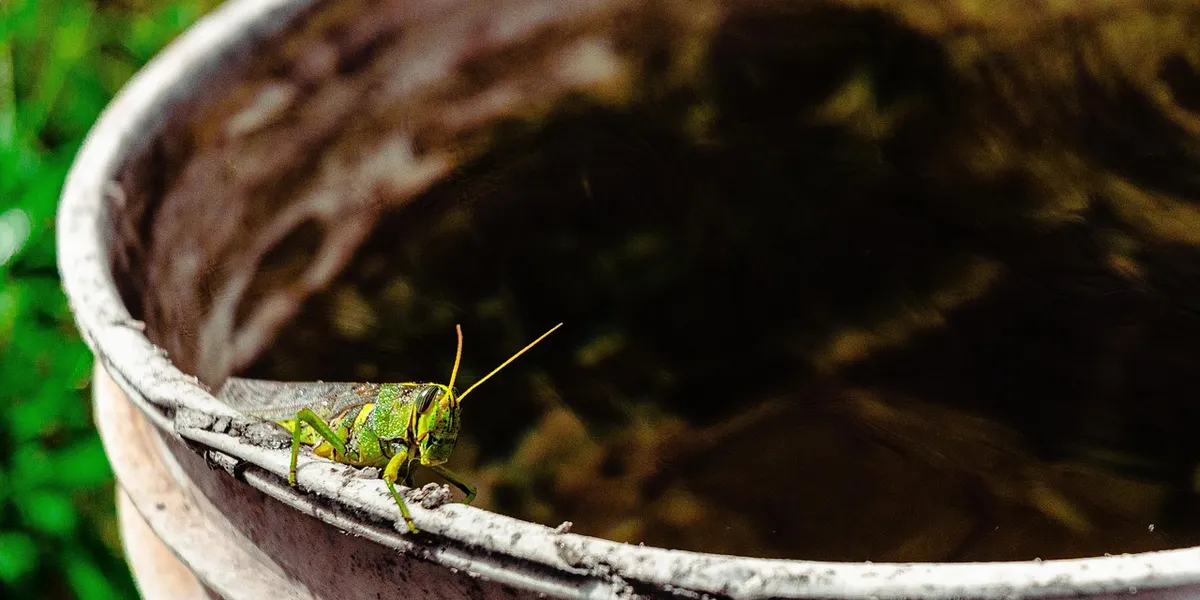
Think of your feeder insects as little nutritional couriers. What you feed them for 24-48 hours before they become gecko food directly impacts your pet’s health. I learned this the hard way with my first gecko, feeding him crickets that were basically empty shells. His health improved dramatically once I started gut-loading properly.
What to Feed Your Feeder Insects
Your goal is to pack those insects with vitamins and moisture. I keep a dedicated container of fresh gut-loading mix in my fridge at all times.
- High-Quality Commercial Gut Loads: These are my foundation. They’re scientifically formulated to be a complete nutritional base.
- Fresh Vegetables for Hydration: I always add fresh, washed slices. My insects love carrots, sweet potato, and zucchini.
- Leafy Greens for Vitamins: I toss in bits of dandelion greens, kale, or collard greens. Avoid iceberg lettuce-it’s just water.
- Whole Grains for Fiber: A sprinkle of uncooked oatmeal or bran provides excellent roughage.
Remove any uneaten fresh food after a day to prevent mold. A well-fed insect is a vibrant, nutritious package for your gecko. Are live insects the right choice for feeding your gecko? The right choice depends on species and gut-loading, but properly chosen prey can provide a healthy, balanced diet.
Calcium and Vitamin D3: The Dusting Essentials
This is non-negotiable for preventing Metabolic Bone Disease (MBD), a crippling condition. My crested gecko, Jeter, gets a slightly different dusting schedule than my leopard gecko, Griffey, because of their different needs.
You’ll need two main powders:
- Plain Calcium Powder (No D3): This should be available in a shallow dish inside the terrarium at all times. Your gecko will lick it as needed.
- Calcium Powder WITH D3: This is for dusting insects. Vitamin D3 is crucial for calcium absorption.
My general dusting schedule is simple:
- Place feeder insects in a bag or container.
- Add a pinch of calcium-with-D3 powder.
- Gently shake until insects are lightly coated like donut holes in powdered sugar.
- Feed immediately to your gecko.
For most geckos, dusting with calcium-with-D3 at every other feeding is a great starting point. I also use a multivitamin powder once a week. Always research your specific gecko species, as needs can vary.
Creating a Balanced Feeding Schedule for Your Gecko
A consistent schedule prevents both underfeeding and obesity. My geckos know the routine, and they often get excited when they see the feeding tongs.
Here is a basic schedule I’ve used successfully for common pet geckos. Adjust based on your pet’s body condition.
| Gecko Type | Juvenile (Daily) | Adult (Every 2-3 Days) |
|---|---|---|
| Leopard & Fat-Tailed Geckos | 5-8 small insects | 4-6 appropriately sized insects |
| Crested & Gargoyle Geckos | Insects 3x/week + daily CGD* | Insects 2x/week + daily CGD* |
*CGD = Crested Gecko Diet (a powdered fruit mix).
The best indicator is your gecko’s body and tail. When choosing a healthy gecko, you should look for these signs of good condition. This helps you pick a pet that’s likely to be healthy from the start. A healthy leopard gecko has a plump, fat-storing tail, while a crested gecko should have a well-rounded body without a visible “neck.” If your gecko starts looking too skinny or too round, adjust the amount or frequency.
I always feed my geckos in the evening when they are naturally most active. Observing your gecko during feeding is the best way to bond and monitor its health. Remove any uneaten insects after 15 minutes to prevent them from bothering your pet.
FAQs
How can I safely introduce a new feeder insect to my gecko’s diet?
Start by offering a small quantity of the new insect alongside their familiar favorites to gauge interest and avoid digestive upset.
What are the signs of an overweight gecko, and how can I adjust its diet?
Look for a disproportionately fat tail or a rounded body without a defined neck, and reduce high-fat treats while increasing leaner staple insects.
Is it feasible to breed my own feeder insects, and what are the basics?
Yes, with species like Dubia roaches or mealworms, you can set up a small colony in a controlled environment with proper heat, food, and hygiene.
Final Words
Offering a varied menu of safe feeder insects is the single best thing you can do for your gecko’s long-term health and happiness. Rotating between staples like crickets and dubia roaches with nutritious treats like silkworms and hornworms provides a complete nutritional profile that no single insect can match. Are these best feeder insect combinations truly balanced for a gecko’s diet? Achieving balance means pairing variety with appropriate portion sizes and supplements based on species and life stage.
Your gecko relies entirely on you to make informed, compassionate choices, so never stop learning and observing. Understanding when your gecko needs urgent veterinary care is part of that watchful practice. Knowing the signs that require immediate vet attention helps you act quickly and protect their health. Pay close attention to their preferences and physical condition, and always be ready to consult a reptile vet with any questions. This commitment to their well-being is what makes you a fantastic gecko owner.
Further Reading & Sources
- The Best Feeder Insects for Geckos – ABDRAGONS
- r/leopardgeckos on Reddit: Gecko Feeding Help! I’d like to know what staple insects (+1 treat food) I should be feeding my Leo? There is a lot of different info, and I need to know which 2-3 staple & 1 treat insects to get…
- Leopard gecko feeder insects FAQ – Leopard Gecko Care
The Gecko Guide is your ultimate resource for gecko enthusiasts, providing expert advice and practical tips to ensure the health and happiness of your scaly companions. Alexander is a passionate gecko owner with over a decade of experience in reptile care. We are dedicated to offering accurate, up-to-date information to support your gecko journey.Our mission is to foster a community of responsible gecko owners who are passionate about the well-being of these fascinating creatures.
Gecko Nutrition & Feeding