
Do Crested Geckos and Leopard Geckos Need Different Supplements?
Published on: April 17, 2026 | Last Updated: April 17, 2026
Written By: Alexander 'Gecko Geek' Johnson
If you’re caring for both a crested gecko and a leopard gecko, you’ve probably wondered if you can just use the same supplement jar for both of them. Mixing up their nutritional needs is a common worry, and it’s a great question to ask.
I’ve learned through my own crew-like my calm crested gecko, Jeter, and my energetic leopard gecko, Griffey-that their needs are not the same. I will help you understand the key differences so you can provide the best care for each of your scaly friends.
Here are the three main takeaways we will cover:
- The critical difference in how they get their calcium.
- Why their need for Vitamin D3 is a major point of separation.
- How their staple diets dictate everything about your supplement strategy.
By the end of this article, you will have a crystal-clear, foolproof plan for supplementing each species. We will cover: Gecko Species, Primary Diet, Calcium Need, Vitamin D3 Need, Supplement Schedule, Key Supplement Brand Examples.
Why Your Gecko’s Health Hinges on Smart Supplementation
Think of supplements like a personalized nutrition plan for your gecko. They fill the critical gaps that even the best feeder insects can’t cover. Getting this wrong is like building a house on a weak foundation-everything looks fine until the structure starts to fail.
I learned this the hard way with my first leopard gecko, Griffey. I was inconsistent with his calcium, and he developed a slight tremble in his back legs. It was a terrifying wake-up call. The core difference lies in their biology and diet. Leopard geckos are pure insectivores, while crested geckos are omnivorous frugivores. Their bodies have evolved to extract nutrients from entirely different food sources, and our supplement strategy must reflect that.
This isn’t just about sprinkling powder on food. It’s about understanding their internal wiring.
- Leopard Geckos: Rely entirely on you to provide the calcium and vitamins found in the bones and organs of a wild prey’s varied diet.
- Crested Geckos: In the wild, they get a complex mix of nutrients from fruit, pollen, and the occasional insect, which is why their needs are more nuanced.
Leopard Gecko Supplement Blueprint: What to Use and When
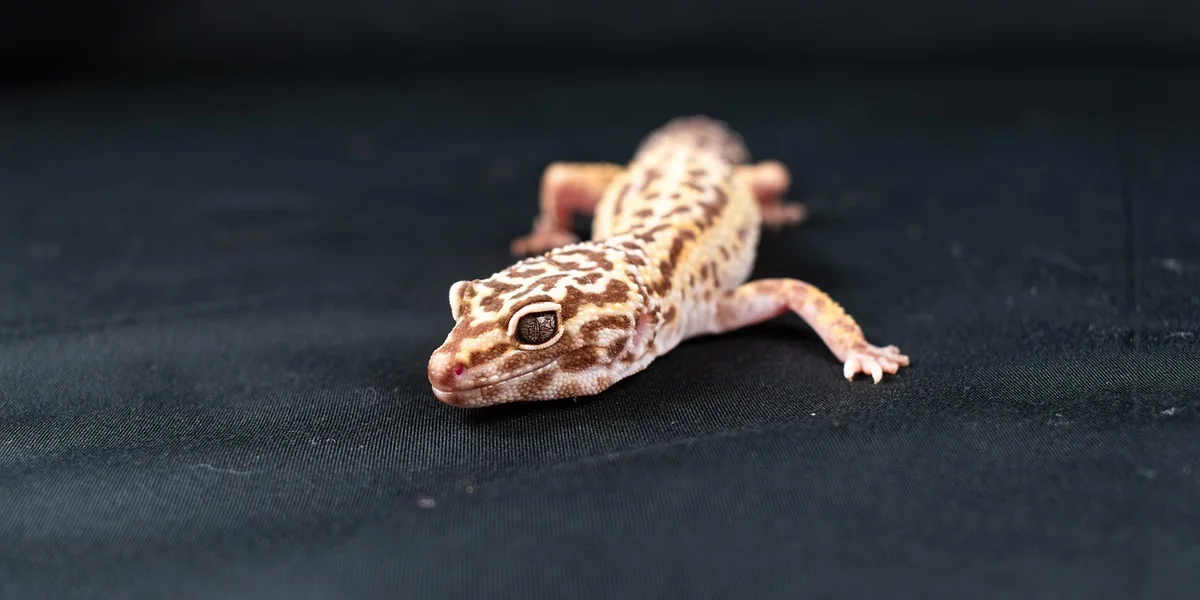
For a leopard gecko, supplementation is a straightforward but non-negotiable routine. Their system is built to process a heavy, insect-based diet, and your job is to make those insects as nutritious as possible. In this leopard gecko diet feeding guide, you’ll find practical, step-by-step feeding plans. It covers what insects to feed, how often to feed, and how to dust with vitamins and minerals for optimal health.
Calcium with D3: The Leopard Gecko Lifeline
This is the single most important supplement in your leopard gecko’s life. Without adequate calcium and D3, leopard geckos rapidly develop Metabolic Bone Disease (MBD), a painful and crippling condition. Since many are kept without UVB lighting, they cannot make their own D3, making this powdered duo essential.
I keep a dedicated shaker of plain calcium without D3 in Jeter’s enclosure for him to lick at will. This lets him self-regulate his calcium levels. Here is the simple schedule I follow for dusting feeder insects:
- Calcium with D3: Use for one feeding, twice a week.
- Multivitamin: Use for one feeding, once a week.
- All Other Feedings: Dust with plain calcium (without D3) or offer gut-loaded insects without dusting.
This rotation prevents over-supplementation while covering all their bases.
Multivitamin Mix: Covering All the Bases
While calcium is the star, multivitamins are the crucial supporting cast. A good multivitamin provides Vitamin A, which is vital for their eye health, skin shedding, and immune function. Many health issues, like stuck shed or eye problems, can be traced back to a Vitamin A deficiency.
Don’t just grab any reptile multivitamin. Look for one that is specifically formulated for insectivorous reptiles. I always check that the vitamin A comes from beta-carotene or retinyl acetate, as these are the forms their bodies can actually use. A pinch once a week on their crickets or dubias is all it takes to keep them in peak condition.
Crested Gecko Supplement Strategy: Tailored for Their Unique Diet
My crested gecko, Jeter, thrives on a completely different meal plan than my leopard geckos. This fundamental dietary difference is why their supplement needs are not a one-size-fits-all situation. Crested geckos are frugivores, meaning they eat a pre-mixed, fruit-based diet (like Pangea or Repashy) as their staple food.
Calcium Choices: With or Without D3?
This is the million-dollar question for crested gecko owners. The answer depends entirely on your lighting setup.
- With D3: Use this if you do not provide a low-level UVB light. The pre-mixed diets contain some D3, but a little extra from a supplement ensures they can use the calcium you provide.
- Without D3: This is my preferred choice for Jeter because I use UVB lighting. His body makes its own D3, so I avoid the risk of over-supplementation by using plain calcium.
I keep a small dish of plain calcium without D3 in Jeter’s enclosure at all times, allowing him to self-regulate as he would in the wild. He occasionally takes a lick, and I’ve never had issues with calcium deficiency.
Multivitamin Integration: Easy Does It
This is where many new owners overcomplicate things. The commercial crested gecko diets are already fantastically fortified. You are not starting from zero; you are adding a final polish to an already complete meal. Overdoing multivitamins, especially Vitamin A, can cause more harm than good.
My simple schedule is this: I lightly dust the live insects I offer as treats with a multivitamin, but only once every 3-4 weeks. The core diet handles the heavy lifting, and the multivitamin acts as a simple insurance policy for any potential gaps.
The Core Differences: Crested vs. Leopard Gecko Supplementation
Let’s get straight to the point. My leopard gecko, Griffey, and my crested gecko, Jeter, live by different rules. Thinking of them as having the same needs is the fastest way to health problems for one or both.
UVB Lighting: The Game Changer for D3
This is the single biggest factor that changes the supplement game.
- Leopard Geckos: Are they strictly nocturnal? Not exactly. They are crepuscular, active at dawn and dusk. For years, we thought they needed no UVB. We were wrong. I provide a low-output UVB light for Griffey. This allows me to use calcium without D3 in his tank, letting his body produce what it needs naturally.
- Crested Geckos: They are arboreal and will bask in gentle, dappled light. Providing a low-level UVB light is highly beneficial. It empowers you to use a safer, plain calcium supplement and mimics their natural rainforest canopy environment.
Providing UVB fundamentally shifts your supplement strategy from guesswork to a more natural, physiological process.
Dosing Schedules: How Often is Just Right?
Their different diets demand different dusting routines. Here is the simple breakdown I follow:
| Supplement | Leopard Gecko (Griffey) | Crested Gecko (Jeter) |
|---|---|---|
| Calcium (with D3 if no UVB) | Dust insects for almost every feeding. | Available in a small dish 24/7. Lightly dust insects. |
| Multivitamin | Dust insects one feeding per week. | Dust treat insects once every 3-4 weeks. |
The key takeaway is frequency: leopard geckos need their insects dusted almost constantly, while crested geckos get most of their nutrition from their pre-mixed diet. Their supplements are just a top-up. When it comes to nutrition, leopard geckos need live food to meet their protein and micronutrient needs, which cannot be fully replaced by dry foods or supplements.
Practical Supplement Steps: Dusting, Gut Loading, and Monitoring
Getting the supplement routine right is where theory meets practice in your gecko’s health. I’ve found that a consistent, simple schedule prevents guesswork and ensures your pet gets what they need, when they need it. My crested gecko, Jeter, and my leopard gecko, Griffey, have completely different dinner-time protocols.
Gut Loading Your Feeder Insects: A Quick Guide
Think of gut loading as cooking a nutritious meal for the insects that will become a meal for your gecko. You are essentially fortifying the feeder insect from the inside out, making it a more complete nutritional package. I always do this 24-48 hours before feeding time.
For my leopard gecko’s crickets and dubia roaches, I use a hearty mix. For my crested gecko’s insects (an occasional treat), I focus on moisture-rich options.
- Staples for All Feeders: Organic oats, whole grain cereals, and leafy greens like collard or dandelion greens.
- For Leopard Gecko Feeders (Extra Focus): Squash, sweet potato, and carrots for a beta-carotene boost.
- For Crested Gecko Feeders (Hydration Boost): Cucumber, mango, and papaya for extra water content.
- What to Absolutely Avoid: Avocado, onions, and citrus fruits, as they are toxic to the insects and, by extension, your gecko.
Health Check Signs: Is Your Supplement Plan Working?
Your gecko’s body will tell you everything you need to know about your supplement strategy. Regular, gentle observation is your most powerful tool for catching issues early, long before they become emergencies. Target training your gecko can turn health checks into a fun bonding activity, making monitoring easier for you both. I make it a habit to do a quick check during handling sessions. That approach keeps your bond strong and simplifies health checks over time.
Look for these positive signs that your plan is on track:
- Clear, bright eyes without any swelling or crust.
- Strong, coordinated movements and a good appetite.
- A well-rounded tail (for leopard geckos) or a plump body (for cresties) indicating good fat stores.
- Firm, well-formed droppings with a white urate section.
Watch for these red flags that something is off:
- Lethargy, twitching, or difficulty walking (potential Calcium issue).
- Swollen jaws or limbs (a sign of Metabolic Bone Disease).
- Refusal to eat over multiple days.
- Runny or unusually smelly droppings.
Avoiding Common Pitfalls: Over-Supplementation and Deficiencies
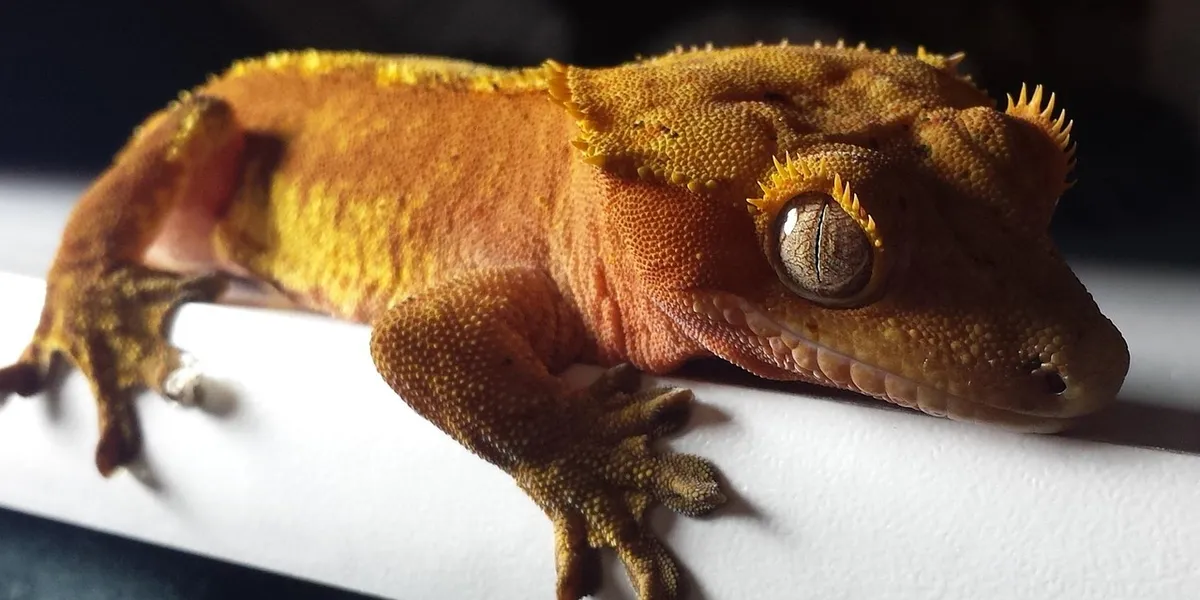
Finding the supplement sweet spot is a balancing act. Both too much and too little of a good thing can cause serious, sometimes irreversible, health problems. I learned this the hard way years ago when one of my first geckos developed tiny calcium deposits under his arms from over-enthusiastic dusting.
Over-supplementation, especially with Vitamin D3, can be as dangerous as a deficiency because it leads to toxic levels of calcium in the bloodstream. Over-supplementing vitamins can harm geckos beyond calcium issues, so careful dosing matters. Remember, more vitamins do not always mean better health. This is a bigger risk for crested geckos on a complete diet powder, which is why I never add extra D3 to Jeter’s food. For leopard geckos, sticking to a strict schedule prevents this.
On the flip side, calcium deficiency is the silent killer of many pet geckos. Metabolic Bone Disease (MBD) is a painful, crippling condition that softens their bones, and I’ve seen far too many cases in rescues. MBD is treatable when caught early, and many geckos recover with vet-guided calcium and UVB plans. If your leopard gecko is always licking their calcium dish, they are likely self-regulating a need. A crested gecko with MBD might develop a kinked tail or have trouble sticking to glass.
The key is consistency and moderation. Don’t panic-dust their food; trust the schedule and observe your animal. When in doubt, a reptile-savvy veterinarian can provide a professional assessment and help you fine-tune your approach. Even healthy geckos benefit from routine wellness checks. Many keepers schedule at least an annual exam with a reptile-savvy vet. Your gecko’s vibrant health is the ultimate reward for getting this right.
Your At-a-Glance Supplement Cheat Sheet
Keeping their supplement schedules straight used to confuse me, so I made this simple table. This quick-reference guide breaks down the core differences between what my crestie, Jeter, needs versus my leopard gecko, Griffey.
| Supplement Type | Crested Gecko | Leopard Gecko |
|---|---|---|
| Primary Diet | Pre-mixed Complete Diet (MRP) | Live Insects |
| Calcium with D3 | Already in MRP; rarely needed extra | Essential; dust on most feedings |
| Plain Calcium | Offer in a small dish inside enclosure | Offer in a small dish inside enclosure |
| Multivitamin | Already in MRP; offer insects dusted with multivitamin 1-2x weekly | Dust insects 1-2x weekly |
Looking at this, the biggest takeaway is their starting point. A crested gecko’s complete diet powder is the foundation, already packed with vitamins and calcium, while a leopard gecko’s live insects are a blank slate you must fortify. For crested geckos, thinking in terms of a freshly prepared diet helps you understand the nutritional breakdown. The powder offers a consistent balance of calcium, vitamins, and protein, while live insects require extra supplementation to achieve the same profile. This fundamental difference dictates your entire supplement routine.
How Often to Actually Dust Their Food
Let’s get practical. Here is the feeding schedule I follow for my geckos. It has kept them vibrant and healthy for years. I’ll also cover how to tailor it for juvenile vs adult geckos to create the perfect feeding schedule.
For Jeter, my Crested Gecko:
- Main Staple: Complete MRP diet offered every other day.
- Insect Treats: Once a week, I offer a few crickets or dubias.
- Supplementing Insects: I dust these weekly insects lightly with a multivitamin powder.
- I almost never add extra calcium to his MRP-it’s already perfectly balanced.
For Griffey, my Leopard Gecko:
- Main Staple: Live insects (dubias, crickets) dusted for every feeding.
- Supplement Schedule: I follow a simple rotation.
- Monday & Friday: Calcium with D3.
- Wednesday: High-quality multivitamin.
- A small dish of plain calcium always sits in his tank for self-regulation.
The key is that my leopard gecko gets his supplements directly on his food at almost every meal, while my crested gecko gets his from the pre-mixed powder itself. This simple distinction prevents both deficiency and dangerous overdose.
The Critical Role of UVB Lighting
This topic is inseparable from supplements. Whether you provide UVB light dramatically impacts the type of calcium supplement you must use.
- With No UVB Light: Your gecko cannot make its own Vitamin D3. You must provide all the D3 they need through their diet by using a calcium powder that includes D3.
- With Low-Level UVB Light: Your gecko can make some D3, reducing the risk of overdose. Many owners, including myself for my leopard gecko, use a mix of calcium with D3 and plain calcium.
From my experience, a low-output UVB bulb for my leopard gecko’s enclosure provides a great safety net. It gives him more naturalistic light and lets me worry less about the precise D3 dosage on his insects. For my crested gecko, his MRP is so complete that UVB is a beneficial bonus, not a strict requirement. UVB needs vary by species, so a quick, species-by-species breakdown can help tailor lighting. Here’s a brief look at UVB lighting requirements for common pet geckos.
FAQs
Is it safe to use leopard gecko supplements for my crested gecko?
No, it is not safe because crested geckos rely on pre-mixed diets that are already fortified, while leopard geckos need supplements dusted on insects to prevent deficiencies.
What are the risks of not following the correct supplement schedule?
Deviating from the schedule can cause serious health problems, such as Metabolic Bone Disease from calcium deficiency in leopard geckos or vitamin overdose in crested geckos.
Can I make my own supplements at home for my geckos?
It is not advisable, as commercial supplements are precisely formulated to provide the right balance of nutrients that homemade mixes cannot reliably achieve.
Final Words
The core difference boils down to this: leopard geckos thrive on a simple, calcium-focused supplement plan, while crested geckos require a more complete, all-in-one multivitamin powder. Always choose a calcium with D3 for your leopard gecko and a specialized crested gecko diet or Repashy/CGD for your crestie. Don’t forget that gut-loading your feeder insects is a non-negotiable step for both species.
Your gecko’s health is a direct reflection of your care and commitment. Stay curious, ask questions, and never stop learning from reputable sources and your own observations. The most rewarding part of being a gecko owner is watching them flourish under your dedicated, well-informed care. To make that care actionable, the ultimate gecko health troubleshooting checklist is a step-by-step diagnostic guide you can follow. It helps you spot signs early and tailor care to your gecko’s needs.
Further Reading & Sources
- Guide on Reptile Supplements
- The Ultimate Guide to a Nutritious Diet for Your Leopard Gecko – GotFeeders
- Buy Multivitamins and Supplements Online | Northampton Reptile Centre
The Gecko Guide is your ultimate resource for gecko enthusiasts, providing expert advice and practical tips to ensure the health and happiness of your scaly companions. Alexander is a passionate gecko owner with over a decade of experience in reptile care. We are dedicated to offering accurate, up-to-date information to support your gecko journey.Our mission is to foster a community of responsible gecko owners who are passionate about the well-being of these fascinating creatures.
Supplements