
Do Leopard Geckos Smell Bad? Understanding Their Scent and Olfactory Abilities
Published on: December 26, 2025 | Last Updated: December 26, 2025
Written By: Alexander 'Gecko Geek' Johnson
Are you worried your leopard gecko might be the source of a funky odor in your home? Let’s tackle this common concern head-on and put your mind at ease.
As a longtime gecko keeper with a crew like Griffey and Jeter, I’ve got firsthand experience to help you understand what’s normal and what’s not. Here are the key insights we’ll cover:
- What causes any scent in leopard geckos and when it’s a red flag
- How their powerful sense of smell influences their daily behavior
- Simple, effective ways to keep their habitat smelling fresh and clean
You’ll walk away with clear, practical advice on: normal gecko scent, olfactory abilities, habitat hygiene, and common misconceptions.
Do Leopard Geckos Have a Natural Odor?
Leopard geckos do have a natural scent, but it is not what you would call “bad” or offensive. Their natural odor is subtle and earthy, reminiscent of clean soil or a faint, musky note that is barely noticeable unless you are up close. This differs sharply from foul smells, which usually stem from poor enclosure hygiene, not the gecko itself. In my years of caring for Griffey, my high-yellow leopard gecko, I have only caught a whiff of his scent during handling, and it was never unpleasant-just a gentle reminder of his wild origins.
These geckos use scent glands located near their vent area for communication, such as marking territories or signaling to mates. Scent marking is a natural behavior that helps them feel secure in their environment, much like how Griffey confidently patrols his hides. Observing him, I have seen him rub against decor to leave his signature smell, which is part of his daily routine.
Key factors that influence a leopard gecko’s natural smell include diet, overall health, and the cleanliness of their habitat. Maintaining a clean tank and a balanced diet is essential for keeping any odors in check and ensuring your gecko stays healthy. Here is a list of elements that can affect their scent:
- Diet: Foods like gut-loaded insects can alter scent slightly.
- Health: Illness or stress may intensify odors.
- Enclosure Cleanliness: Dirty substrates or leftover food cause bad smells.
- Hydration: Proper moisture levels help regulate natural scents.
What Does a Healthy Leopard Gecko Smell Like?
A healthy leopard gecko emits a very mild, almost imperceptible scent that I would compare to the fresh aroma of damp earth after a light rain. When I handle Griffey after his shed, he smells clean and neutral, with no strong or off-putting notes. Using sensory language, it is like the difference between a crisp, clean linen and a musty old blanket-subtle and reassuring. This faint odor is a sign of good health and proper care, something I always check for during routine interactions.
Role of Scent Glands in Leopard Geckos
Leopard geckos possess scent glands primarily around their cloacal region, which they use for olfaction and social interactions. These glands produce pheromones that help them communicate with other geckos, such as during mating or establishing dominance. For instance, when Griffey explores his tank, he might deposit scents to mark his territory, much like how my other gecko, A-Rod, rearranges his décor. This behavior ties directly into their olfactory abilities, allowing them to “read” their surroundings and interact without visual cues or vocalizations. Unlike some other species, leopard geckos rely more on scent than vocal or body language signals.
How Do Leopard Geckos Use Their Sense of Smell?
Leopard geckos rely heavily on their sense of smell through nostrils and a specialized vomeronasal organ, often called the Jacobson’s organ. This combination lets them detect odors in the air and on surfaces, guiding everything from feeding to social behaviors. I have watched Griffey sniff around his enclosure with quick, deliberate movements, using his nose to map out safe paths and identify threats. Understanding what each action means helps us decode leopard gecko behavior. Different actions—sniffing, tongue flicking, or tail movements—can signal curiosity, hunger, or alarm, guiding how we respond.
Behaviors like sniffing and tongue-flicking are common ways they gather scent information. Tongue-flicking transfers particles to the vomeronasal organ, helping them analyze smells more deeply, similar to how we might taste-test food. They use this to smell food sources, potential mates through pheromones, and territorial markings from other geckos. For example, when I introduce new items to Griffey’s tank, he always investigates with his tongue to ensure it is safe. These behaviors are not just curiosities—they highlight how much geckos rely on mental engagement with their environment. In a deeper dive into gecko enrichment, we’ll explore why mental stimulation matters and how to design enrichment that keeps Griffey curious and engaged.
Here is a list of their key olfactory abilities that showcase their sensory skills:
- Detecting prey: They can smell insects from a distance, aiding in hunting.
- Identifying mates: Pheromones help them find compatible partners.
- Navigating territories: Scent trails guide them through their environment.
- Avoiding predators: They pick up on danger signals through odors.
Understanding the Vomeronasal Organ in Geckos
The vomeronasal organ in leopard geckos acts like a super-smell detector, processing chemical signals that regular nostrils might miss. It is located in the roof of their mouth and is essential for interpreting pheromones, which are crucial for reproduction and social bonding. Understanding your gecko’s vomeronasal sense of smell helps you read Griffey’s reactions to scents and cues. This knowledge can guide how you tailor enrichment, feeding, and handling to support his social and reproductive behaviors. Think of it as their personal “scent decoder” that turns simple smells into complex messages. This organ allows geckos like Griffey to sense subtle cues in their environment, making it a vital part of their daily life and interactions.
Can Leopard Geckos Smell Their Food?
Yes, leopard geckos can definitely smell their food, and I have seen this firsthand with Griffey’s enthusiastic response to mealworms and crickets. Their keen sense of smell helps them locate prey even in dim lighting, which is why they often become alert and active when food is nearby. Based on my experience, here are some feeding tips to leverage this ability: offer live insects to stimulate their natural hunting instincts, and vary the diet to keep them engaged. This not only supports their health but also enriches their environment, aligning with good animal welfare practices.
What Causes Bad Smells in a Leopard Gecko Enclosure?
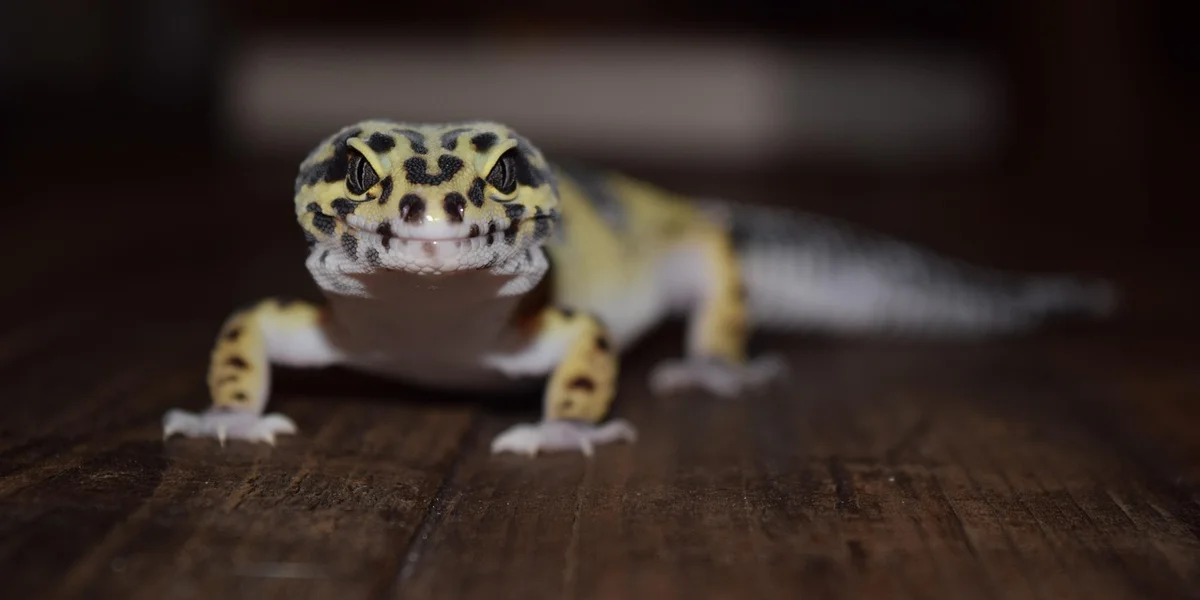
The enclosure itself is the primary source of any unpleasant smells, not your gecko. I’ve found that a stinky tank is almost always a direct message from your pet’s habitat that its cleaning day has arrived. The main offenders are predictable once you know what to look for.
- Waste: Leopard gecko poop and urates are the number one culprit. If not removed quickly, they begin to decompose and release a foul, ammonia-like scent.
- Leftover Food: That uneaten cricket or mealworm will eventually die and rot. The smell of a single dead cricket hidden under a hide is surprisingly potent and unmistakable.
- Damp Conditions: Stagnant, moist air is a breeding ground for bacteria and mold. This often happens around the water dish or in a humid hide that isn’t allowed to dry out properly.
These issues are fundamentally linked to terrarium hygiene. A clean, dry, and well-maintained enclosure should have very little to no smell at all. I learned this the hard way with my gecko, Griffey. His tank developed a funky odor I couldn’t pinpoint until I lifted his favorite cave hide. A missed pile of waste and a damp patch of substrate were the guilty parties. The problem vanished with a thorough clean.
Impact of Diet on Gecko Odor
What your gecko eats directly influences the smell of its waste. High-protein insect diets naturally produce more pungent waste compared to, say, a herbivore’s droppings. A gecko fed a variety of well-nourished gut-loaded insects might have more odorous poop than one on a less varied diet. The key is consistency; a sudden, strong change in waste odor can sometimes signal a digestive issue.
How Waste and Dampness Create Odors
Waste breaks down, releasing ammonia and attracting bacteria. Dampness accelerates this entire process. The biggest cleaning challenge is finding every single waste spot, as geckos often poop in the same hidden corner. Prevention is straightforward: spot-clean waste immediately and ensure proper ventilation to let damp areas dry completely between misting.
How to Prevent and Reduce Odors in Your Gecko’s Habitat
Proactive habitat management is the ultimate solution to odor control. Establishing a simple, consistent cleaning routine is the most effective thing you can do for your gecko’s air quality. It doesn’t require harsh chemicals, just diligence and reptile-safe practices. A well-designed habitat also helps prevent common gecko illnesses by supporting clean air, stable humidity, and safe substrates. Healthy enclosure setup and routine maintenance go hand in hand with odor control.
For daily and weekly upkeep, I stick to this routine:
- Daily: Remove visible waste and any uneaten insects. Check the water dish for debris and refresh the water.
- Weekly: Take out and wash all décor and hides with hot water. Wipe down the enclosure walls. Replace soiled substrate.
- Monthly (Deep Clean): Remove your gecko to a safe temporary bin. Take everything out. Clean the entire tank with a vinegar-water solution or a dedicated reptile cage cleaner, then rinse thoroughly and dry completely before reassembling.
You must avoid all chemical cleaners like bleach or generic sprays near your gecko’s home. Their respiratory systems are extremely sensitive. A diluted vinegar solution is my go-to for disinfecting during a deep clean, especially when cleaning the tank, as it’s effective and safe once rinsed.
Best Substrates for Odor Control
Your substrate choice can either help or hinder your odor control efforts.
- Paper Towel: Highly absorbent, cheap, and makes spot-cleaning waste incredibly easy. This is my top recommendation for beginners and for quarantine enclosures.
- Slate Tile: Looks great, is easy to wipe clean, and provides zero places for odors to soak in. It also files down your gecko’s nails naturally.
- Non-Adhesive Shelf Liner: Another wipe-clean option that is simple to maintain and replace.
- Avoid Loose Substrates like Sand: Sand can trap moisture and waste underneath the surface, creating a hidden, stinky bacterial soup. I do not use it for my leopard geckos.
Effective Cleaning Routines for Leopard Geckos
Follow these steps for a pristine, odor-free habitat.
- Prepare a temporary holding bin for your gecko with a familiar hide.
- Remove all items from the enclosure.
- Dispose of all old substrate.
- Scrub décor and hides with hot water. Use a reptile-safe disinfectant for a monthly clean, then rinse.
- Wipe the empty tank down with your chosen cleaner.
- Rinse the entire enclosure thoroughly with water to remove any cleaner residue.
- Dry everything completely with a clean towel.
- Add new substrate and place the clean, dry décor back in.
- Return your happy, sweet-smelling gecko to its fresh home.
When Bad Smells Signal Health Issues in Leopard Geckos
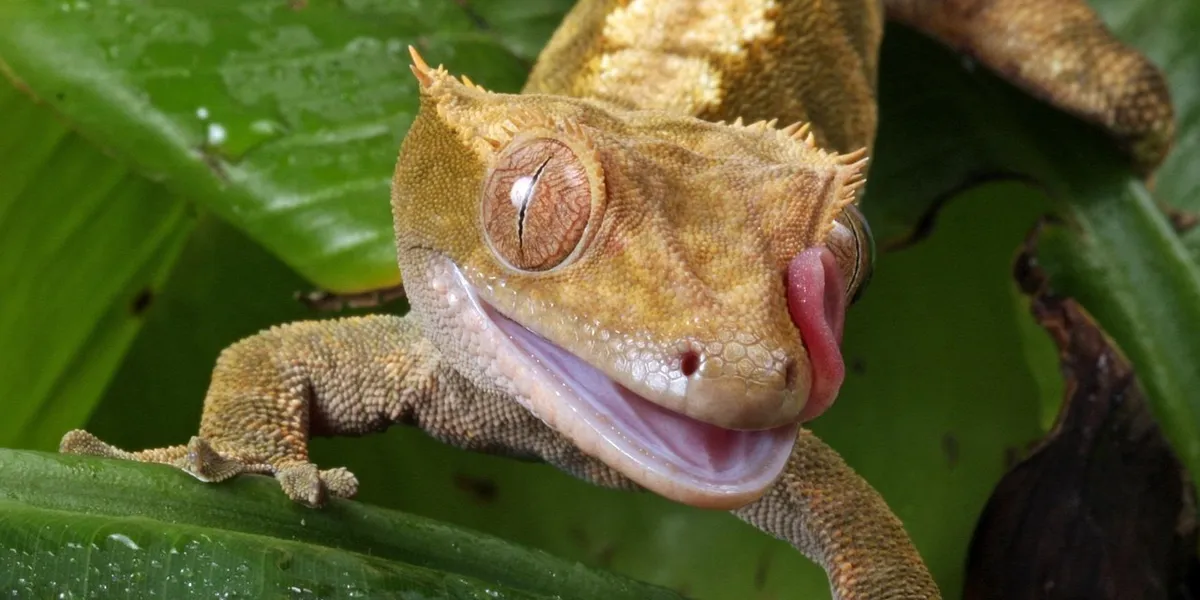
While leopard geckos typically have a mild, earthy scent, any foul or unusual odor can be a red flag for underlying health problems. Trust your nose-if something smells off, it often means your gecko needs attention. I’ve cared for my leopard gecko Griffey for years, and once detected a musty smell that led to a vet visit for a respiratory issue. Foul odors can stem from infections, stress, or improper care, so let’s break down what to watch for.
- Respiratory infections: A sour or rotten smell from the nose or mouth, often paired with wheezing or mucus.
- Skin or wound infections: A pungent odor from sores or stuck shed, indicating bacteria or fungus.
- Digestive issues: Exceptionally smelly feces or regurgitation, signaling parasites or diet problems.
Here’s a quick list of warning signs that should prompt a vet visit:
- Persistent foul smells lasting more than a day
- Lethargy or hiding constantly
- Loss of appetite or weight
- Discharge from eyes, nose, or vent
- Unusual swelling or discoloration
In my experience, early action saved Griffey from worse trouble. Always consult a reptile-savvy vet if odors accompany other symptoms-it’s better to be safe than sorry.
Recognizing Stress Odors and Their Causes
Stress can subtly alter your gecko’s scent, making them smell slightly musky or acidic. This happens because stress hormones affect their skin and waste production, much like how anxiety can change human body odor. I’ve noticed this with A-Rod, my African fat-tailed gecko, when his enclosure was too noisy. Distinguishing Gecko stress vs normal behavior is key. By watching scent changes alongside activity and appetite, you can tell when your gecko is stressed versus just being its usual self. Here’s how stress impacts scent and behavior:
- Overhandling or frequent disturbances lead to a sharper, nervous smell.
- Poor habitat conditions, like incorrect temperature, cause smelly sheds or waste.
- Loud environments trigger stress pheromones, making geckos more reclusive.
Reducing stress through a calm, consistent routine can eliminate these odors and keep your gecko healthy. Taking a calm, patient approach helps a stressed gecko settle more quickly. Pair this with proven techniques and environmental fixes—steady temperatures, clean enclosure, and proper humidity—to support a calmer, healthier gecko.
Odors from Sick or Deceased Geckos
Addressing odors from seriously ill or deceased geckos requires sensitivity and a focus on welfare. If your gecko smells strongly of decay or illness, it’s a sign of advanced infection or distress, and immediate vet care is crucial. I once had to handle this with a rescued gecko; the foul odor indicated a severe issue that needed euthanasia to prevent suffering. For deceased geckos, a strong, unpleasant smell is natural, but proper disposal-like consulting a vet for cremation-honors their life. Prioritize compassion: seek professional help early to avoid such outcomes and ensure your pet’s well-being.
How Does Leopard Gecko Smell Compare to Other Pets?
Leopard geckos are among the lowest-odor pets you can own, making them ideal for indoor living. Unlike “stinky” mammals like hamsters or dogs, geckos produce minimal scent if their habitat is clean. I’ve kept everything from crested geckos to cats, and leopard geckos win for subtlety. Here’s a quick comparison table to illustrate smell levels:
| Pet Type | Smell Level | Care Impact on Odor |
|---|---|---|
| Leopard Gecko | Very Low | Odor-free with weekly cleaning |
| Crested Gecko | Low | Mild musk if habitat is damp |
| Dog | Moderate to High | Regular bathing needed |
| Cat | Moderate | Litter box odors common |
Geckos are the unsung heroes of low-maintenance pets-no “eau de wet dog” here! Their scent is so faint, you might only notice it during cage cleanings.
Leopard Geckos vs. Other Reptiles: Smell Showdown
In the reptile world, leopard geckos stand out for their near-odorless nature. Compared to crested geckos, who can have a slight musky scent from their humid enclosures, leopard geckos are practically scent-neutral. My crested gecko Jeter has a faint earthy smell, but it’s nothing like the more pungent odors from larger reptiles. Key olfactory differences include:
- Leopard geckos: Dry habitats mean less bacterial growth and smell.
- Crested geckos: Higher humidity can lead to mild odors if not ventilated.
- Snakes or turtles: Often have stronger waste odors requiring frequent clean-ups.
Proper care-like spot-cleaning waste and maintaining ideal temps-keeps any reptile smell at bay.
Why Geckos Are Better for Allergy-Prone Homes
Geckos are a top choice for allergy sufferers because they lack dander and produce minimal odors. Unlike furry pets that shed allergens, geckos have scales that don’t irritate sinuses, making them a breath of fresh air. I’ve recommended them to friends with allergies, and they’ve loved the hassle-free experience. Benefits include:
- No dander or fur to trigger reactions
- Low odor reduces indoor air irritants
- Easy to contain in enclosures, limiting allergen spread
For a sneeze-free home, geckos offer companionship without the sniffles.
FAQs
Do leopard geckos have a better sense of smell than humans?
Yes, leopard geckos have a superior sense of smell due to their vomeronasal organ, enabling them to detect pheromones and environmental cues that humans cannot perceive, especially when interacting with other geckos. They use this sense to communicate and establish their dominance in social settings, which differs from the behavior of crested geckos.
Can I use air fresheners near my leopard gecko’s enclosure?
No, avoid using air fresheners or chemical sprays as they can harm your gecko’s respiratory system and interfere with their natural olfactory functions. To keep your gecko safe from household chemicals, store cleaners securely and use only non-toxic, fragrance-free products around the enclosure. Also ensure good ventilation when cleaning to minimize lingering fumes.
How does shedding affect a leopard gecko’s scent?
Shedding may temporarily change a leopard gecko’s scent as old skin sheds away, but a healthy shed should not produce foul odors and their natural earthy smell will return promptly.
The Final Takeaway on Leopard Gecko Odor
Ultimately, a healthy leopard gecko kept in a clean enclosure should have no noticeable, unpleasant smell. Any bad odors are almost always a red flag pointing directly to tank hygiene, a soiled humid hide, or leftover food. By keeping up with spot-cleaning and maintaining proper humidity, you can ensure your gecko’s home stays fresh.
Your attentive care is the single biggest factor in your gecko’s health and environment. A scent-free gecko is a happy gecko, and that happiness is a direct result of your commitment to learning and providing excellent, responsible care for your unique pet.
Further Reading & Sources
- r/geckos on Reddit: Do leopard geckos smell?
- Do Leopard Geckos Smell? – Leopard Gecko Care
- Do Geckos Smell? – Berry Patch Farms
The Gecko Guide is your ultimate resource for gecko enthusiasts, providing expert advice and practical tips to ensure the health and happiness of your scaly companions. Alexander is a passionate gecko owner with over a decade of experience in reptile care. We are dedicated to offering accurate, up-to-date information to support your gecko journey.Our mission is to foster a community of responsible gecko owners who are passionate about the well-being of these fascinating creatures.
Gecko Myths and Facts