
Best Gecko Shedding Products and Tools: A Simple Guide
Published on: December 29, 2025 | Last Updated: December 29, 2025
Written By: Alexander 'Gecko Geek' Johnson
Is your gecko struggling to shed its skin, and you’re worried about stuck shed causing discomfort or infection?
I’ve been there with my own geckos, like Griffey and Jeter, and I know how stressful it can feel. You want to help without causing harm, and that’s exactly what we’ll cover.
In this guide, I’ll share the top products and methods I use to make shedding safe and easy. You’ll get three key takeaways:
- Essential tools like humid hides and shedding sprays that prevent problems.
- Step-by-step techniques to assist your gecko gently and effectively.
- How to spot early signs of trouble and keep your pet healthy.
My advice is based on years of hands-on care and a deep commitment to animal welfare. Topics covered: humid hides, shedding aids, moisture tools, safe handling, and health monitoring.
Understanding the Gecko Shedding Process
How Often Do Geckos Shed?
Geckos shed their skin throughout their entire lives, but the frequency changes dramatically as they grow. A baby gecko, like my Mookie, might shed every single week because he’s growing so fast. Juvenile geckos typically shed every two to three weeks. Once they reach adulthood, the process slows down. My adult leopard gecko, Griffey, now sheds about once every four to eight weeks. You might wonder whether age or diet affects shedding. In general, age drives frequency, but a gecko’s diet and hydration can influence how smoothly the shed comes off and its overall skin health.
This schedule isn’t set in stone. Factors like diet, overall health, and even the season can influence it. You’ll know it’s coming when your gecko’s colors become dull and their skin looks a bit hazy. These seasonal changes can especially affect their feeding patterns.
Spotting Signs of a Good Shed vs. Trouble
A good shed is a clean, complete process. You’ll often find the entire old skin, turned inside out like a tiny, discarded sock, in the enclosure. Your gecko will look vibrant and bright immediately after. If you’re wondering why geckos shed and why some eat their shed, this complete guide explains the process. It also covers what eating the shed can mean for health and nutrition.
You need to be a detective and look for the warning signs of a problematic shed, often called “dysecdysis.” Here is what to watch for:
- Good Shed: Skin comes off in large pieces or all at once. Gecko is active and hungry afterward.
- Trouble: Dry, stuck pieces of skin, especially on the toes, tail tip, and around the eyes.
- Good Shed: Gecko actively rubs and pulls at the skin itself.
- Trouble: Skin remains stuck for more than 24 hours. The gecko seems stressed or lethargic.
I learned this the hard way with my crestie, Jeter; a tiny ring of stuck shed on a toe can, if ignored, lead to serious injury.
Essential Humidity Tools for Easy Shedding
Choosing the Right Misting Bottle or Sprayer
Your misting bottle is your primary tool for creating the humid environment that softens old skin. I’ve gone through many types and have strong opinions.
- Fine-Mist Trigger Sprayers: These are my top choice. They produce a gentle rain, mimicking a natural dewy morning. This prevents startling your gecko and doesn’t drench the enclosure.
- Continuous Spray Bottles: Great for larger terrariums but can be too forceful for shy geckos. My day gecko, Babe, doesn’t mind, but my fat-tailed gecko, A-Rod, would hide for an hour.
- Hand-Pump Pressure Sprayers: Excellent for big collections, but they can be bulky. Look for a model with an adjustable nozzle.
A one-liter bottle is a perfect size for most single enclosures, easy to handle and refill. Avoid any bottles previously used for chemicals or cleaning products.
Why a Humidity Gauge is Non-Negotiable
Guessing humidity is a recipe for disaster. Your eyes can’t accurately measure it, and being just a little off can cause a bad shed. A humidity gauge, or hygrometer, gives you the hard numbers you need.
I consider a digital hygrometer the only acceptable option because analog dials are notoriously inaccurate. Place it in the middle of the enclosure, away from direct water sources, to get an average reading.
For most shedding geckos, you want to aim for a humidity spike of 60-80% in their moist hide when you see them getting cloudy. The general tank humidity should be lower, specific to your species. Without a gauge, you’re flying blind, and your gecko’s skin health is on the line. It’s especially important for leopard geckos.
Top-Rated Shedding Aid Products
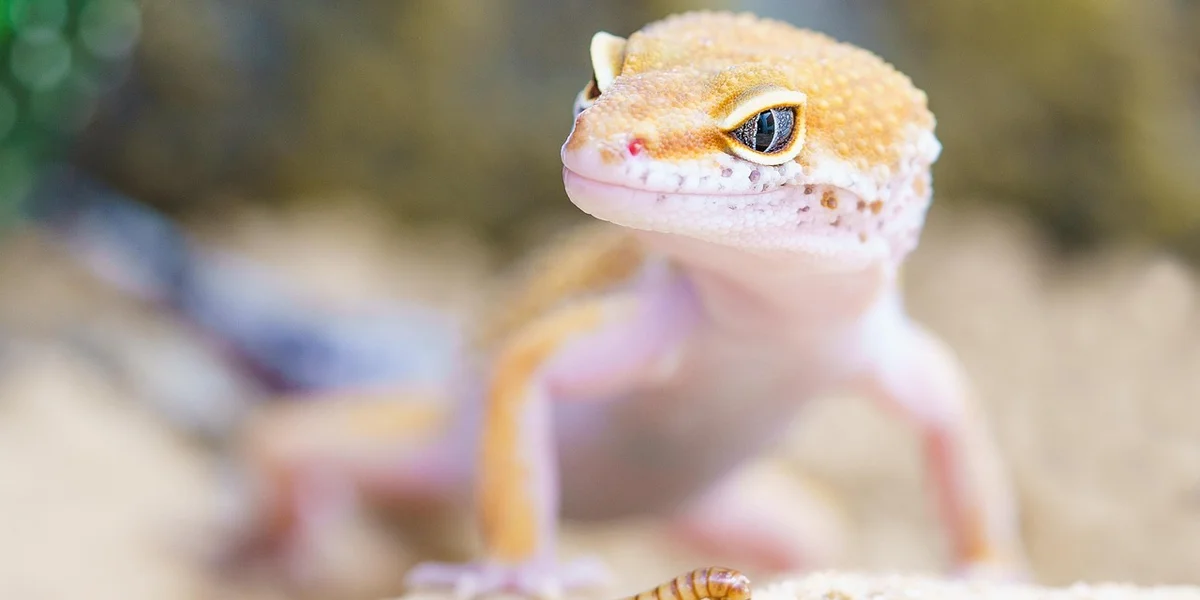
Over the years, I’ve tested countless products to help my crew, from Jeter the Crested Gecko to Babe the Day Gecko, through their sheds. The right shedding aid can mean the difference between a smooth process and a stressful vet visit. Here are the tools that have earned a permanent spot in my gecko-care cabinet.
Using Shedding Aid Sprays Safely
Pre-mixed shedding sprays are fantastic conveniences, but they must be used correctly. I’m a big fan of Zilla’s Shed-Ease, but the brand matters less than the technique.
- Never spray your gecko directly. Always mist the surfaces inside their enclosure, like the walls of their humid hide and decor. This lets them choose to enter the moisture.
- Use only lukewarm, never cold, water if you’re mixing your own or using a concentrate.
- I use these sprays proactively a day or two before I even see my geckos start to look dusty. Pre-hydration is the ultimate secret to perfect sheds.
- Check the ingredient list. Avoid any products with heavy perfumes or unnecessary chemicals. Simpler is always safer for their sensitive skin.
Gentle Tools for Manual Assistance
Sometimes, a little hands-on help is needed, especially with stuck shed on delicate toes and tail tips. Patience is your most important tool here, followed closely by a soft touch.
- Sterile Cotton Swabs: My absolute go-to. You can gently roll stuck shed off toes after a warm soak. I keep a box reserved just for reptile first aid.
- Soft-Tipped Tweezers: Useful for very stubborn pieces, but I only use these on my less wiggly geckos like Jeter. You must be incredibly careful to only grip the dead skin, not the gecko.
- A Soft-Bristled Toothbrush: A clean, brand-new toothbrush with soft bristles can be a gentle exfoliator in a warm, shallow bath. My gecko Mookie actually seems to enjoy the light brushing on his back.
If the shed doesn’t come off with gentle rolling or brushing, stop. Forcing it can tear their new, fragile skin underneath and lead to serious infection. It’s better to retreat, re-hydrate, and try again later.
Creating a Shed-Friendly Habitat Setup
Your gecko’s enclosure is their whole world. Setting up a shed-friendly habitat is the single best thing you can do to prevent problems before they start. This has been the biggest game-changer for my geckos’ health and my own peace of mind. Proper habitat setup can even help prevent common gecko illnesses.
Building the Perfect Humidity Hide
Every single one of my geckos has a dedicated humidity hide, even my arid-loving Leopard Gecko, Griffey. It’s a non-negotiable. A proper humid hide is a safe, private spa for your gecko. Here’s how to make one.
- Find a small, opaque container with a lid, like a Tupperware or a commercial reptile cave.
- Cut a smooth, entry-hole large enough for your gecko to enter and exit comfortably.
- Fill the bottom with a moisture-holding substrate. I prefer sphagnum moss because it holds humidity beautifully and is naturally antimicrobial.
- Keep the moss damp, not soaking wet. I re-mist it every other day.
- Place the hide on the warm side of the enclosure. The combination of heat and humidity works wonders to loosen skin.
Enclosure Decor That Helps Shedding
The furniture you choose for your gecko’s home can actively help them rub off that old skin. My gecko A-Rod is a master at using his decor.
- Cork Rounds and Flats: The slightly rough, natural texture is perfect for them to rub against. It’s like their own personal scratching post.
- Stone Slates or Caves: These retain a bit of heat and provide a firm, abrasive surface. Babe loves rubbing his head on his stone slab.
- Rough Branches and Vines: Essential for arboreal species like Crested and Day Geckos. They will slide their bodies along the bark to kickstart the shed.
- Live or Silk Plants: The leaves provide friction and can help catch pieces of shed as they roll over them.
By providing varied textures, you give your gecko the tools to be self-sufficient during this vulnerable time. To truly support growth, design the ultimate environmental enrichment setup for your gecko. A well-rounded habitat invites natural behaviors and exploration. It’s incredibly rewarding to watch them use their environment exactly as nature intended.
Step-by-Step Shedding Assistance Guide
Preparing for a Safe Shallow Bath
If your gecko has stubborn shed, especially on their toes, a shallow bath can work wonders. My gecko, Griffey, once had a perfect toe-cap of old skin I had to address. It’s important to know how to safely assist a gecko with stuck shed.
Start by using a very small, clean plastic container with a secure lid that has air holes poked in it. This prevents escapes and keeps the humidity contained.
- Fill the container with lukewarm water. Test it on your wrist-it should feel barely warm, never hot.
- The water depth is critical. It should only come up to your gecko’s elbows when standing. For most geckos, this is less than half an inch deep.
- Place a clean paper towel or a small rock in the bottom. This gives your gecko something to grip, reducing stress.
- Gently place your gecko inside and secure the lid. Set a timer for 10-15 minutes. Never leave them unattended.
When and How to Offer Gentle Help
After the bath, the skin should be softened and easier to remove. The golden rule is to never, ever pull on skin that is still attached and resistant. You can seriously injure your pet.
I only intervene if I see a clear, loose piece of shed, like a sock turned halfway inside out on a toe.
- Use a wet cotton swab. Roll it gently over the loose skin. The moisture and friction often encourage it to come off.
- For stuck shed on toes, you can try the “bag method.” Wet a paper towel with warm water, wring it out completely, and place your gecko inside for another 5-10 minutes. This creates a super-humid micro-environment.
- If the skin does not come off easily after these methods, stop. It is not ready. Repeat the humid hide and bath process the next day.
Budget-Friendly and Natural Shedding Solutions
You don’t need expensive products for a successful shed. Some of the best tools are probably already in your home.
A simple plastic food storage container, like one for deli meat, can be transformed into a perfect humid hide for under a dollar. Just cut a smooth-edged entrance hole in the side.
- Fill it with moist sphagnum moss (cheap at garden centers) or even damp paper towels. This creates a natural, humid retreat.
- Rough rocks and branches from your yard (after a thorough bake in the oven at 250°F for 30 minutes to sterilize) provide excellent surfaces for them to rub against.
- A small, shallow jar lid makes a great “sauna” dish. Fill it with damp moss and place it in a warm part of the enclosure.
My crested gecko, Jeter, loves rubbing his head on a piece of sterilized cork bark I found. It’s free, natural, and gets the job done every time.
FAQs
What should I do if my gecko has stuck shed on its eyes?
Gently mist the area with lukewarm water and use a damp cotton swab to roll the skin away, but avoid direct pressure on the eye itself.
Are there any products I should avoid using on my gecko during shedding?
Avoid any human lotions, oils, or products with alcohol or strong fragrances, as they can irritate your gecko’s sensitive skin and potentially expose them to harmful chemicals. For more tips, learn how to keep your gecko safe from household chemicals.
How can I prevent shedding problems in the first place?
Maintain proper humidity levels with a digital hygrometer and provide a well-stocked humid hide to keep your gecko hydrated before sheds. Creating the right humidity makes shedding easier. This simple setup helps you achieve perfect habitat humidity for easy gecko shedding.
Your Gecko’s Shedding Success
Providing the right shedding assistance boils down to a few key items: a proper humid hide, a shallow soaking dish, and safe tools like cotton swabs for gentle aid. The real secret isn’t a magic product, but maintaining that perfect, humid microclimate for them to do the hard work themselves.
Watching your gecko shed smoothly is one of the most rewarding signs of good health. Your commitment to learning these subtle care techniques is what transforms you from an owner into a true guardian for your unique pet.
Further Reading & Sources
- Solving Gecko Shedding Problems: A Comprehensive Guide – Talis Us
- r/geckos on Reddit: Help my gecko shed please!
- Guide to Leopard Gecko Shedding | Blog | Long Island Bird and Exotics Pet Vet
The Gecko Guide is your ultimate resource for gecko enthusiasts, providing expert advice and practical tips to ensure the health and happiness of your scaly companions. Alexander is a passionate gecko owner with over a decade of experience in reptile care. We are dedicated to offering accurate, up-to-date information to support your gecko journey.Our mission is to foster a community of responsible gecko owners who are passionate about the well-being of these fascinating creatures.
Shedding & Skin Health